Hexenagger Castle: A Medieval Stronghold Rebuilt in Baroque Form
Site at a Glance
- Popularity
- Medium
- Country
- Germany
- Primary era
- Early Modern
- Eras represented
- Medieval, Early Modern
- Civilizations
- Duchy of Bavaria, Electorate of Bavaria, Holy Roman Empire
- Site type
- Domestic
- Remains
- Castle
On this page5 sections
History
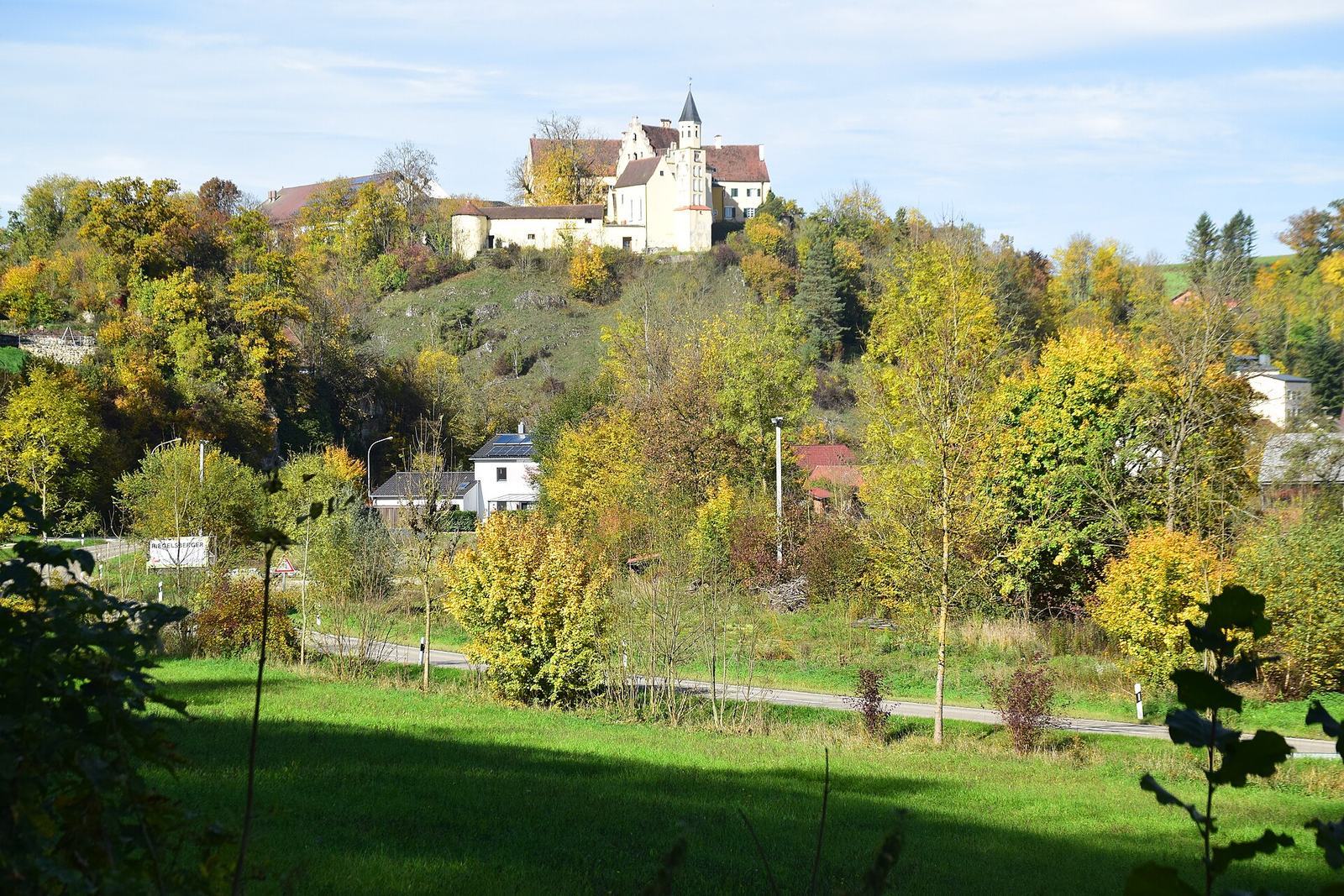
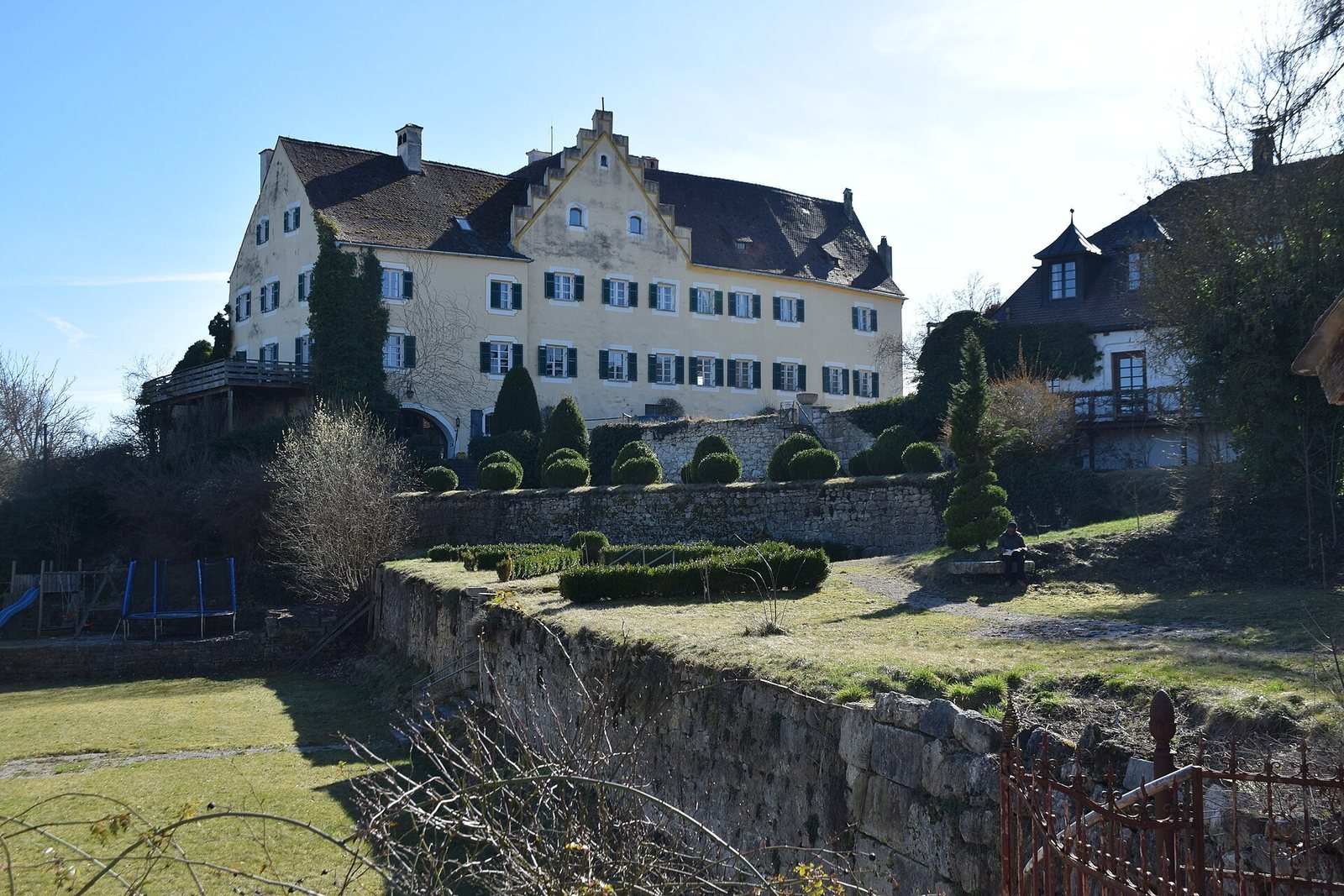
Hexenagger Castle is in Germany. The Lords of Hexenagger probably built it in the tenth century, and it is first mentioned in 982 in a record of the Monastery of St. Emmeram at Regensburg. The castle’s present form is Baroque.
The Hexenagger Lords and the Muggenthalers
The Lords of Hexenagger are documented from 928 to 1480. In 1485, the castle passed through marriage to the Counts of Helfenstein. They sold it in 1528 to Duke Wilhelm of Bavaria, who granted Hexenagger as a fief, or land held under the authority of a ruler, to the Muggenthaler family.
Rebuilding and Eighteenth-Century Owners
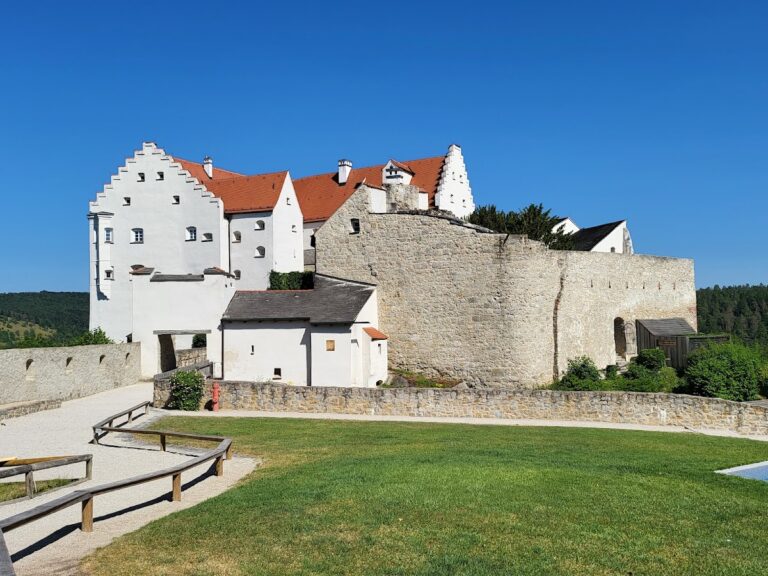
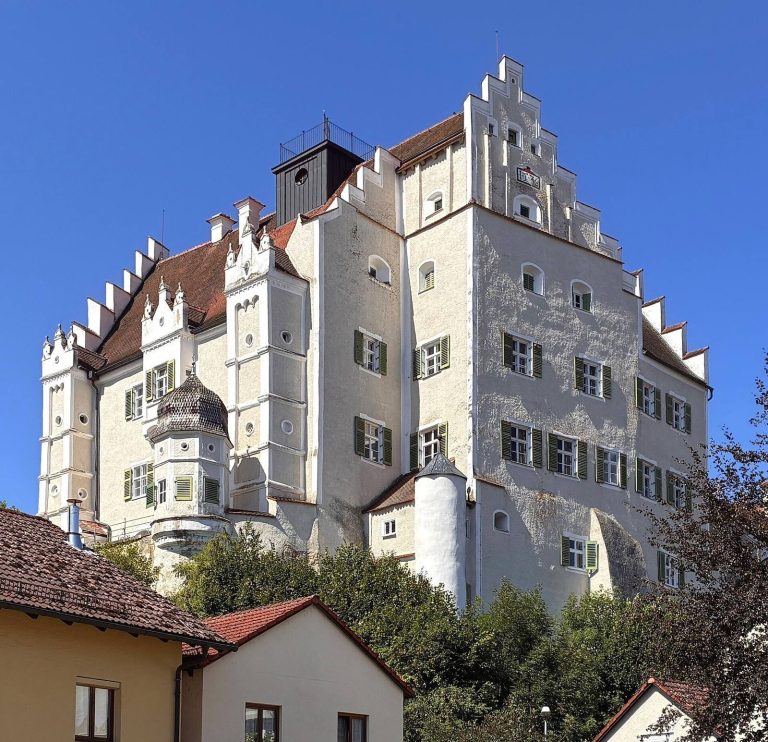
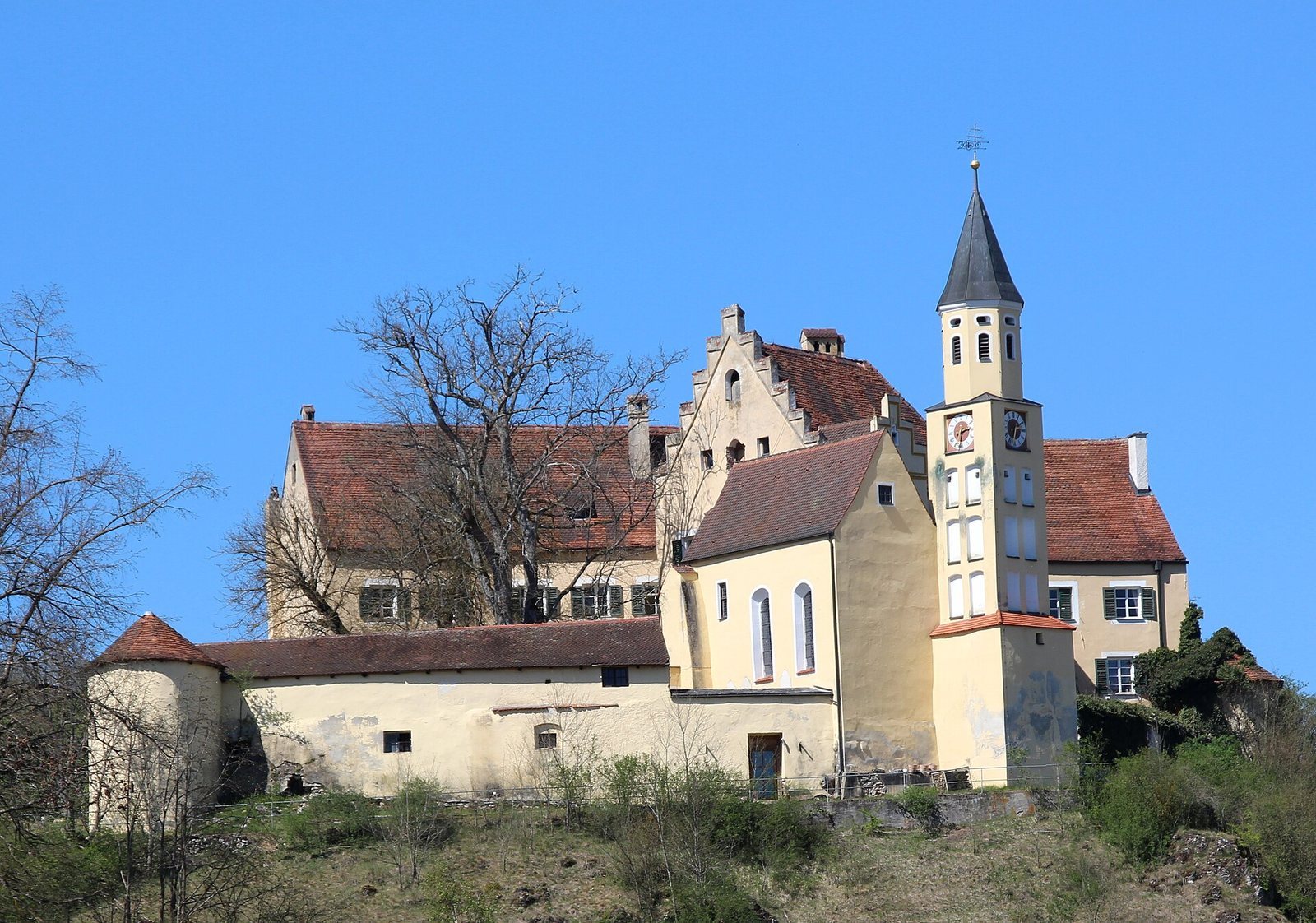
The castle was destroyed during the Thirty Years’ War, a series of conflicts in Central Europe from 1618 to 1648. The Muggenthalers rebuilt it between 1625 and 1629 in Baroque form, adding a chapel.
After the Hexenagger branch of the Muggenthalers died out, the castle was sold in 1724 to Karl Albrecht of Bavaria. He gave it in 1731 to his mistress, Countess Maria Josepha von Morawitzky. Her husband received the castle in 1738. Following his death in 1754, Anton von Kaiserstein became its owner.
Ownership from 1830
Franz Joseph III von Kaiserstein sold the castle in 1830 and acquired an estate at Sooß in Lower Austria. The Edle von Weidenbach family owned it from 1830 to 1951. Otto Edler von Weidenbach later bequeathed it to his niece Ilse von Kalckreuth, who married Wilhelm Leichtfuß. Their son, Eberhard, sold the castle to Gabriel von Mitschke-Collande in 2023.
Remains
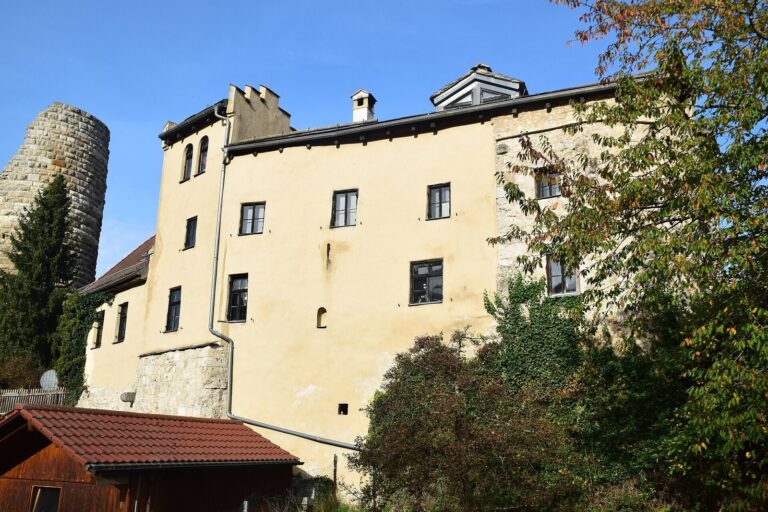
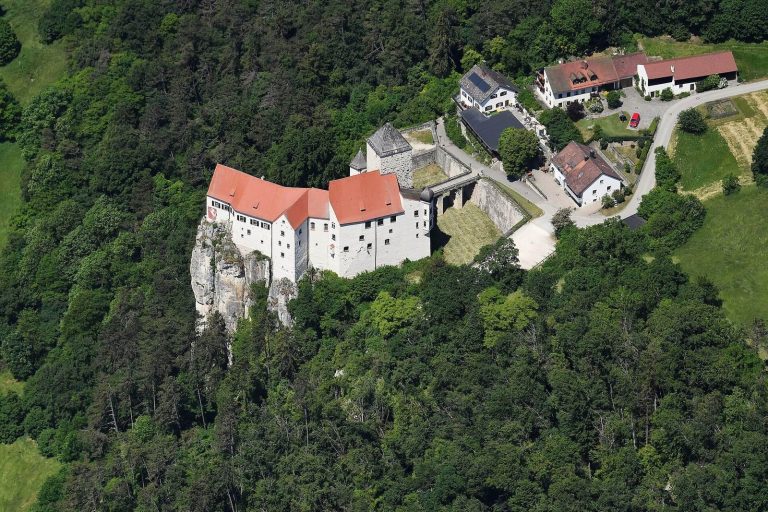
The Baroque castle and its chapel stand on a mountain spur above the village of Hexenagger, near Altmannstein, in the Schambach Valley, a side valley of the Altmühl. The area around the castle contains archaeological evidence from the medieval and early modern periods.