Vraca Memorial Park: Sarajevo’s Second World War Memorial
Site at a Glance
- Popularity
- Medium
- Country
- Bosnia and Herzegovina
- Primary era
- Modern
- Eras represented
- Modern
- Civilizations
- Austria-Hungary, Habsburg
- Site type
- Civic
- Remains
- Park
On this page11 sections
History
Vraca Memorial Park is a Second World War memorial complex in Sarajevo, Bosnia and Herzegovina, dedicated to resistance fighters and victims of fascism killed in Sarajevo and the surrounding area from 1941 to 1945.
Wartime persecution and executions
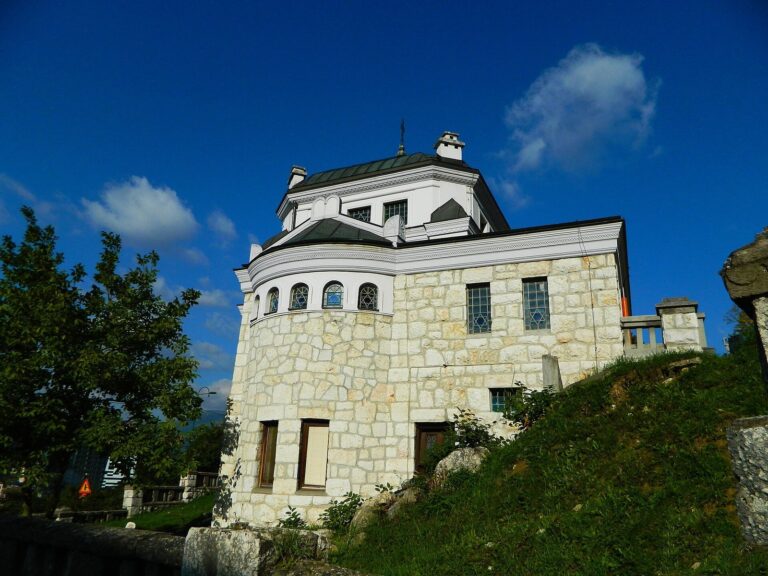
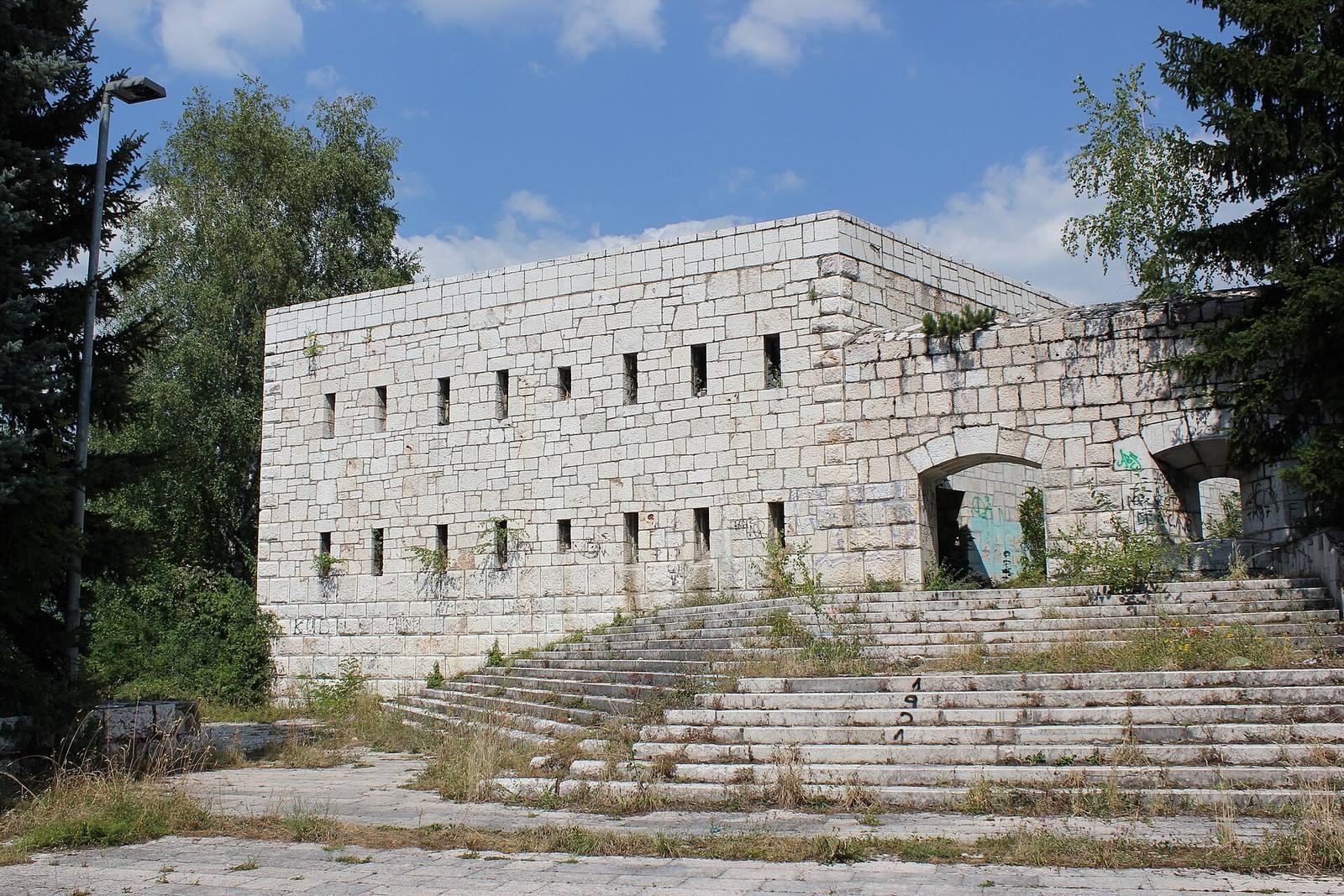
The fortress at Vraca was built in 1898 under the Austro-Hungarian Empire, a Central European dual monarchy. Austro-Hungarian maps used the name Vratca, meaning small gate, for the location. During the Second World War, Sarajevo was part of the Independent State of Croatia, an Axis-aligned wartime state governed by the Ustaše, a Croatian fascist movement. Its authorities used the Vraca fortress as an official execution site for Sarajevo residents, including Serbs, Jews, communists and other opponents.
On 23 July 1941, the authorities ordered the urgent arrest of Jews and Serbs already known as communists or considered even slightly suspect. The first mass shooting of Sarajevo Jews and Serbs at Vraca followed on 1 August. Most people executed there were Jews and Serbs, and the victims included many babies and children under five. Meanwhile, residents were deported without trial to concentration camps across Europe. By December 1942, more than 1,300 people had been deported, including to Auschwitz, a Nazi concentration and extermination camp, and Jasenovac, a camp operated by the Ustaše regime.
Creation of the memorial park
Vraca became a memorial to the citizens’ resistance to fascism. Construction of the park around the former fortress began in April 1980 and was completed in November 1981. The project was intended to rehabilitate the fortress, which was given a museum function, and brought together a designer, sculptor and landscape designer.
The park opened on 25 November 1981, the anniversary of the first meeting of ZAVNOBiH, the wartime State Anti-Fascist Council for the National Liberation of Bosnia and Herzegovina. The meeting took place in 1943. The opening date was also the Statehood Day of the Socialist Republic of Bosnia and Herzegovina, then a constituent republic of socialist Yugoslavia.
Siege, damage and restoration
During the 1992–1995 siege of Sarajevo, heavy artillery and sniper fire were directed at the city from the park. After the Dayton Agreement and the withdrawal of Army of Republika Srpska forces in 1996, the complex was systematically devastated. In 2005, Vraca Memorial Park was declared a National Monument of Bosnia and Herzegovina. Renovation work in 2019 connected night lighting for the first time and rekindled the eternal flame after 27 years.
Remains
The 78,000-square-metre park is arranged around the former fortress and combines memorials, open platforms, sculptures and landscaped areas. It occupies the northern slopes of Mount Trebević in Novo Sarajevo, above the Grbavica and Kovačići districts, on the southern bank of the Miljacka River. Vehicle roads bound the complex on all sides, and its location is near the boundary with East Novo Sarajevo.
Memorial structures and inscriptions
Entrance and execution-site marker
The entrance plateau carries a plaque bearing a quotation from Josip Broz Tito, the Yugoslav communist leader and wartime Partisan leader. A marker identifies the execution site, and a sculpture commemorates a woman fighter.
Platforms and commemorative features
A lookout, a ceremonial plateau, an eternal flame and a fountain form other parts of the complex. The ceremonial plateau is among the park’s twelve listed components.
Memorials to fighters
Several memorials honor fighters and military units. These include a memorial to Sarajevo’s fallen fighters, a memorial to national heroes with an ossuary, a repository for human bones, and a memorial to the city’s resistance fighters. The latter incorporates Tito’s recognition of fighters in occupied cities. Another memorial honors National Liberation Army units that took part in Sarajevo’s liberation.
Memorial to victims of fascism
A memorial to victims of fascism bears a message from Tito. The park’s memorials record more than 11,000 names of men, women and children killed during the war. An inscription in the fortress atrium lists 9,091 victims killed in Sarajevo and the surrounding area.
Fortress museum
The former military fortress houses the exhibition Testimony of the Struggle. The complex remains incompletely restored following its devastation in 1996.