Palace of La Rañada: A Baroque Residence and Chapel in Liérganes
Site at a Glance
- Popularity
- Low
- Country
- Spain
- Primary era
- Early Modern
- Eras represented
- Early Modern
- Civilizations
- Spanish
- Site type
- Domestic
- Remains
- Manor House
On this page4 sections
History
The Palace of La Rañada is an eighteenth-century Baroque palace in Liérganes, Spain, commissioned for Juan de la Cuesta Mercadillo. Baroque was a European artistic and architectural style of the seventeenth and eighteenth centuries, often shaped by dramatic spatial effects. Cuesta Mercadillo commissioned construction between 1724 and 1730, with the palace’s foundation laid in 1725.
Also called the Palace of Cuesta Mercadillo, it takes one name from the La Rañada neighborhood and the other from its commissioner. Juan built it on his family’s ancestral property, over the ruins of an older house. He served as governor and captain-at-war, a military command role, of Nombre de Dios and Sombrerete and their frontier districts and provinces.
On 9 May 1994, Spain declared the palace an Asset of Cultural Interest in the monument category.
Remains
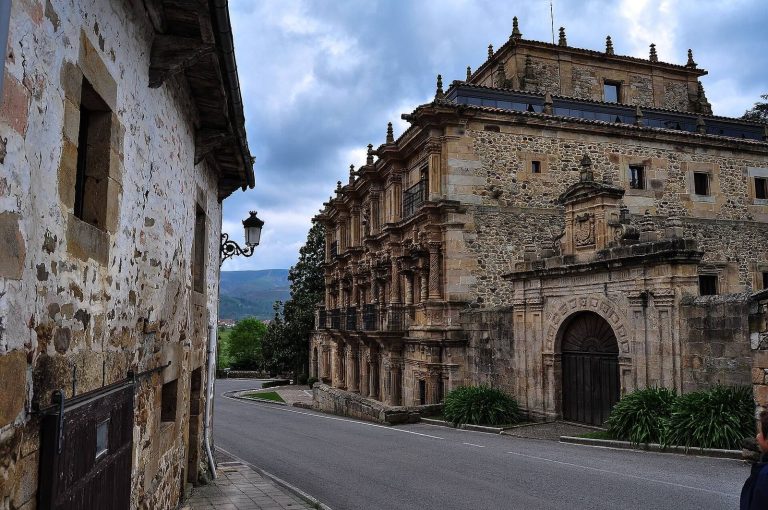
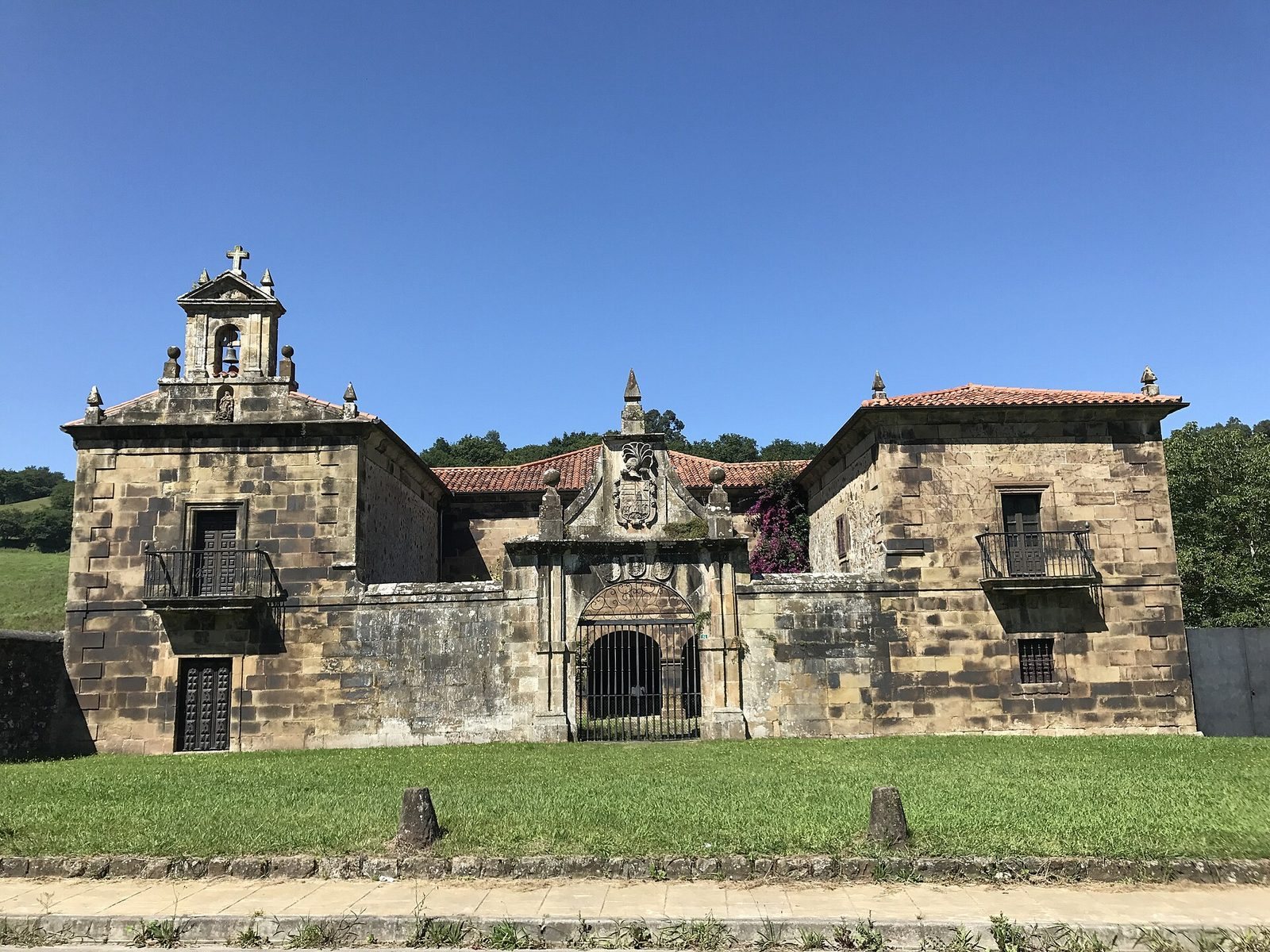
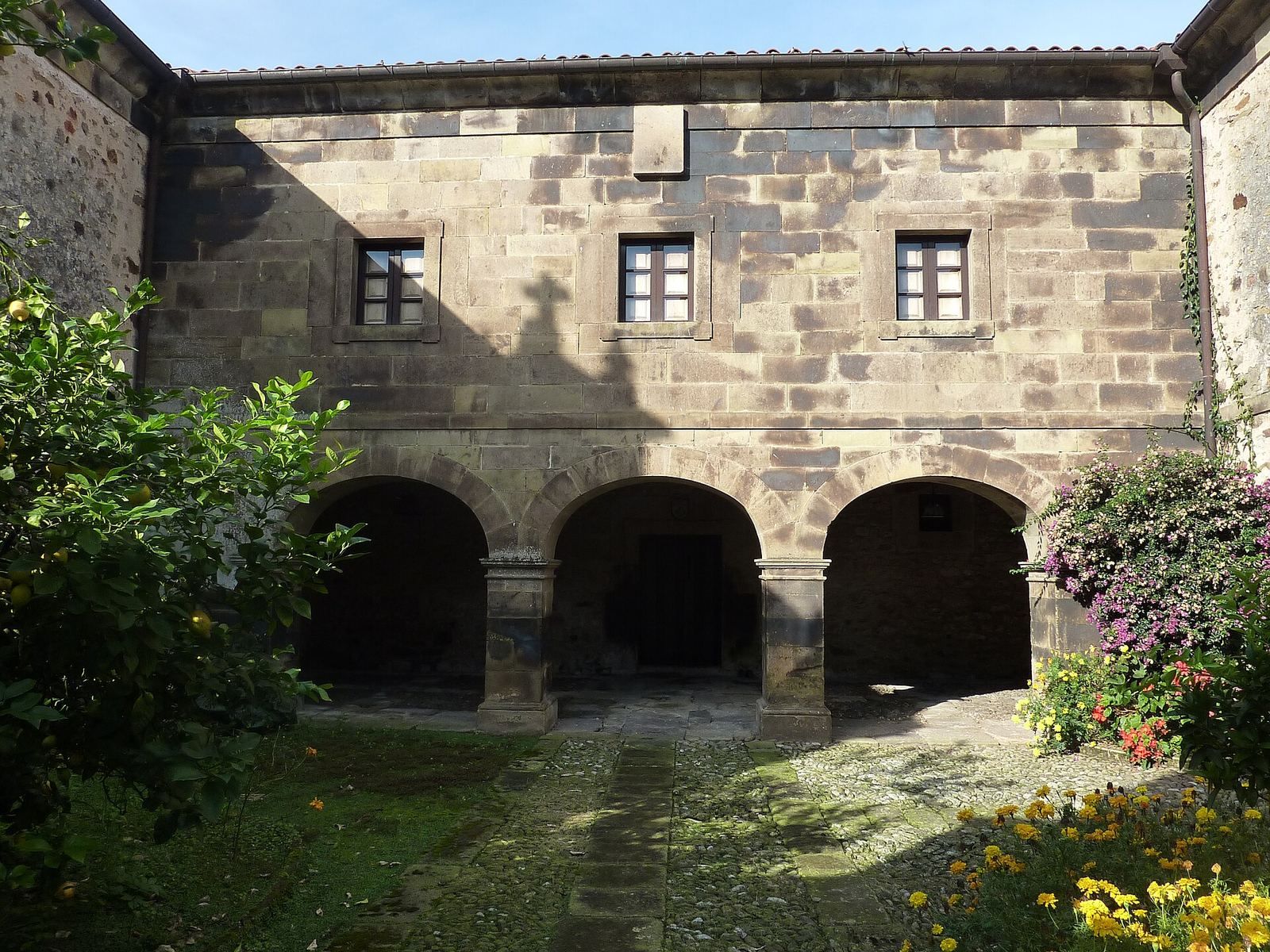
The relatively low palace is arranged around an enclosed courtyard in a U-shaped plan. Its layout recalls a medieval seigneurial residence used to collect rents and produce owed under feudal rights, while its design also reflects the Baroque ideal of creating open spaces.
Courtyard and wings
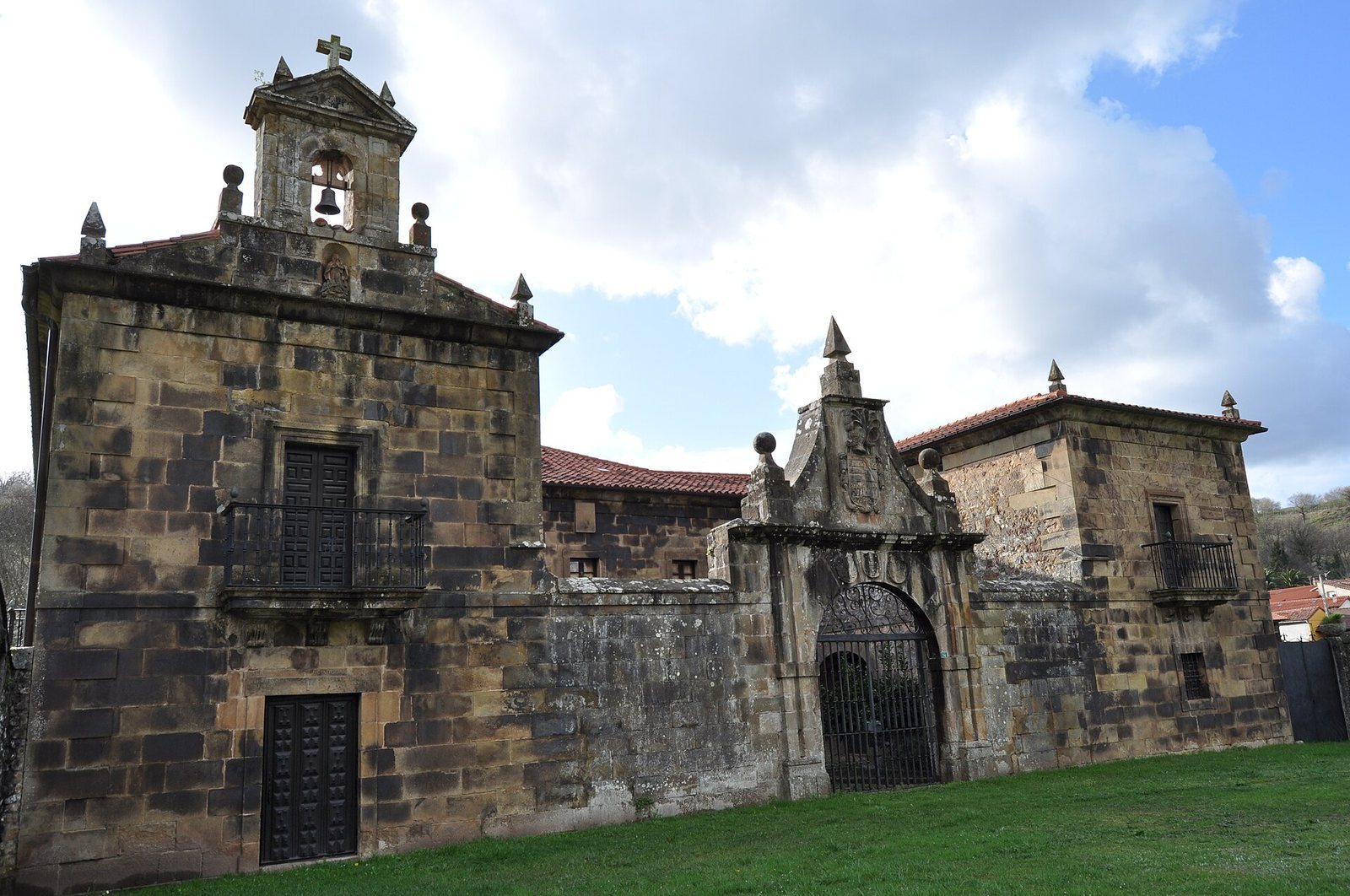
A central section with three arches joins the two wings around the courtyard. One wing contained living quarters; the other held the chapel. An entrance portal bearing a coat of arms encloses the precinct.
Chapel
The chapel opens onto the outer enclosure, with a second entrance connecting it to the courtyard. It served both household devotion and public worship. An inscription outside promises 200 indulgences, remissions of temporal punishment for forgiven sins in Catholic teaching, to those who devoutly perform an act before an image of Our Lady of Guadalupe, a title for the Virgin Mary. The inscription attributes the grant to the Archbishop of Zaragoza under Pope Benedict XIII, whose pontificate lasted from 1724 to 1730.