Urso: An Ancient Settlement and Roman Colony at Osuna, Spain
Site at a Glance
- Popularity
- Medium
- Country
- Spain
- Primary era
- Classical
- Eras represented
- Bronze Age, Iron Age, Classical, Medieval
- Civilizations
- Roman
- Site type
- City
On this page11 sections
History
Urso, the ancient settlement at modern Osuna in Spain, is thought to have originated around 1000 BCE, during the Final Bronze Age, the closing phase of the Bronze Age. Its later history includes a transformation into the Roman colony Colonia Genetiva Iulia after Julius Caesar captured the settlement.
Early settlement and ancient references
Burnished and painted pottery decorated with geometric patterns points to Urso’s early beginnings. Phoenician influence reached the settlement by the seventh century BCE. Tombs excavated in 1903 contained grave goods dating to around that time. Phoenicians were seafarers whose trade extended across the Mediterranean, and goods moved inland from Gadir, the ancient name associated with modern Cádiz, to elites linked with Tartessos, an ancient culture of southwestern Iberia.
Urso appears in the works of Appian, Diodorus Siculus, Julius Caesar, Strabo, and Pliny the Elder. Appian’s reference to a place called Orso has sometimes been connected with Urso as the winter base of Gnaeus Scipio’s troops in 212 BCE, during the Second Punic War. That identification is considered highly implausible because Carthage controlled Urso’s territory until 206 BCE. Urso is also cited as a place passed by troops led by Fabius Maximus in a campaign against Viriathus. The city minted coins, some bearing a bear, and Romans linked its name to the Latin word ursus, meaning “bear.”
Roman colony
During the conflict between Julius Caesar and the sons of Pompey, Urso became a principal stronghold of Pompeian forces. After the Battle of Munda and the surrender of other Pompeian cities, it remained their last major obstacle. Caesar captured it after a prolonged siege, established a colony of Roman citizens, and settled veterans there. The colony was named Colonia Genetiva Iulia.
Urso later became one of the most developed centers in Baetica, a Roman province in southern Hispania. It belonged to the Conventus Astigitanus, a regional administrative and judicial district whose capital was Astigi, now Écija. In the late first century CE, Pliny the Elder gave the city the name Colonia Genetiva Urbanorum Urso.
Later history and archaeology
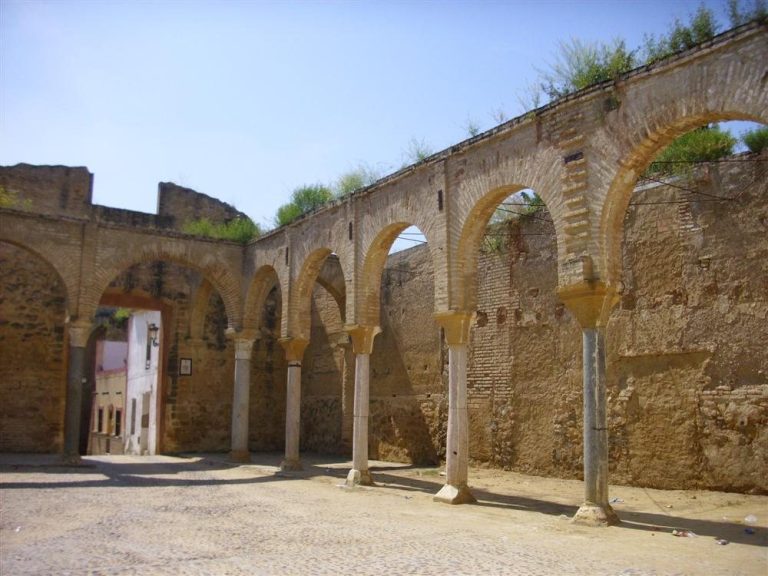
Urso played a more secondary role during the Visigothic and Muslim periods. After the Christian conquest of al-Andalus, it became the center of an extensive region during the heyday of its lords, the Counts of Ureña. It continues to serve as a regional center.
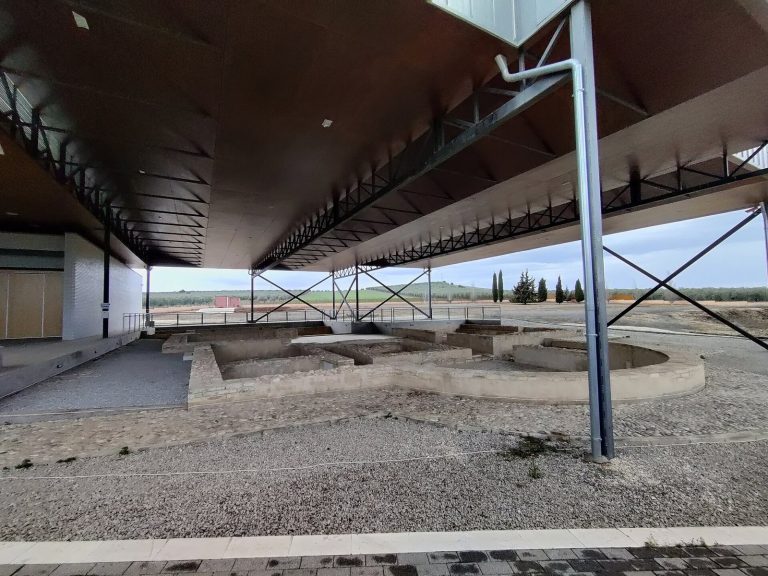
Excavations at Osuna have taken place since 1903, and the archaeological zone received protected cultural-heritage status in 2001.
Remains
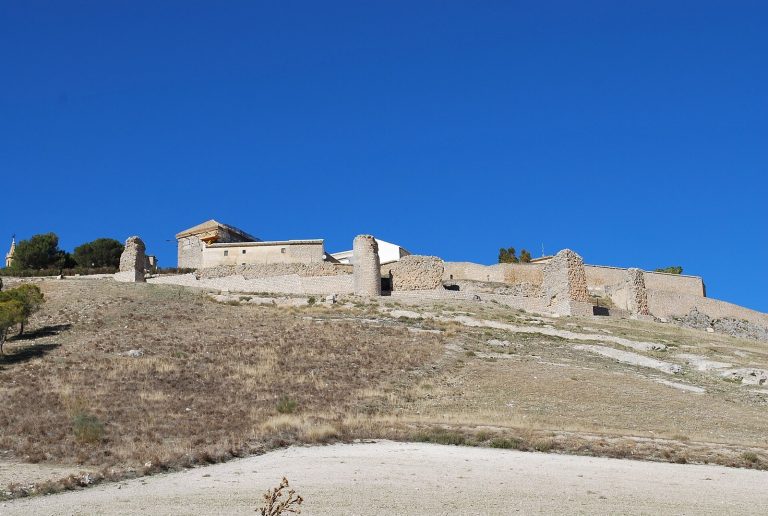
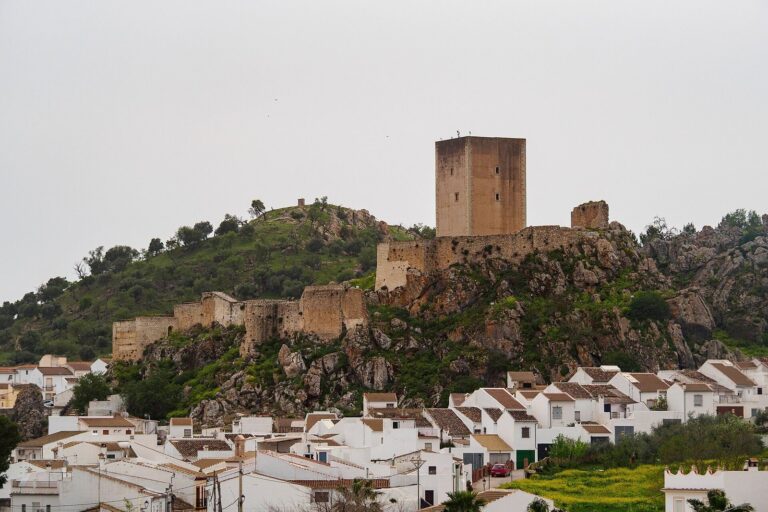
The archaeological area occupies a platform 398 metres above sea level, formed of calcarenite, a limestone composed largely of sand-sized carbonate grains. It lies at the northern edge of the Subbética mountain system and overlooks a wide area of countryside. Slopes of varying steepness shaped the growth of the Roman settlement. Later urban development moved westward and downhill, with occupation shifting laterally rather than each new city being built over its predecessor. Different areas of the site therefore belong to different periods.
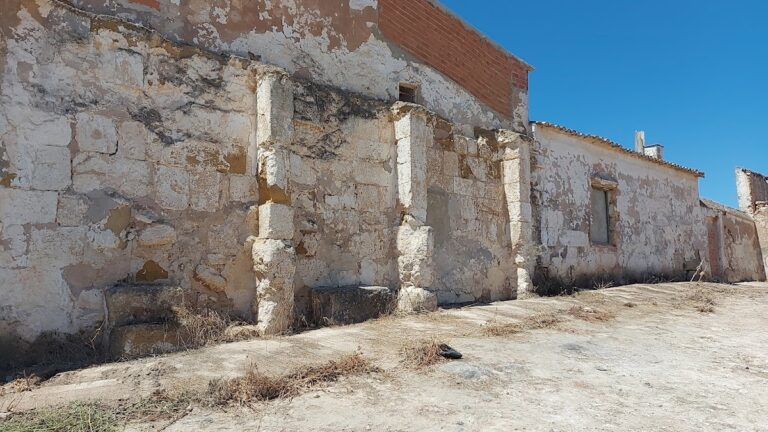
A road linking Hispalis and Antikaria crossed Urso from east to west. Its course is continued today by the Vereda Real de Granada. Excavations have exposed remains of settlements, fortifications, and burial grounds from several periods.
Theatre and burial remains
Theatre
A theatre survives among the remains beside the Vereda Real de Granada.
Underground tombs
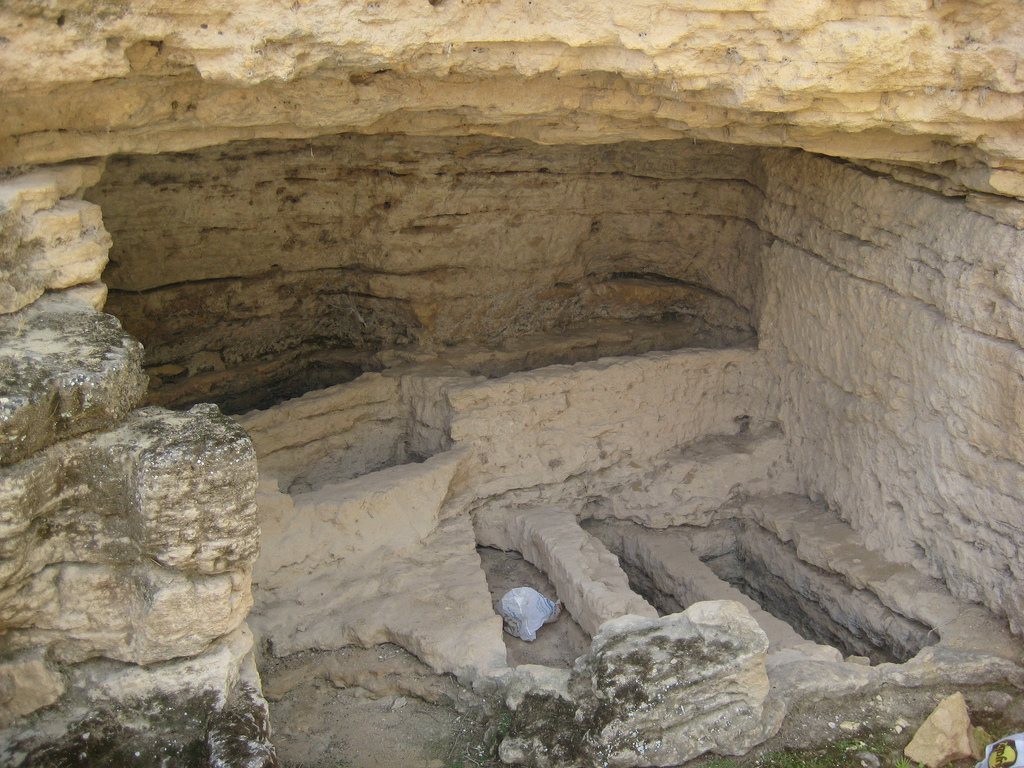
Underground tombs also survive beside the road. They form part of the site’s funerary remains.
Sculpture and colonial law
Warrior reliefs
Reliefs depicting indigenous warriors came from a monumental tomb at the site.
Colonial law plaques
Bronze plaques preserve much of Urso’s municipal law, known as the Lex Ursonensis. The inscription is an important source for understanding how Roman colonies were organized. Part of the colonial foundation law is preserved in the National Archaeological Museum in Madrid. Its lettering places the inscription in the Flavian period, from 69 to 96 CE, rather than in Caesar’s time, as was long believed.