Jewry Wall Museum: Leicester’s Archaeological Museum
Site at a Glance
- Popularity
- Medium
- Country
- United Kingdom
- Primary era
- Classical
- Eras represented
- Iron Age, Classical, Medieval
- Civilizations
- Roman
- Site type
- Museum
On this page7 sections
History
Construction and shared use
The Jewry Wall Museum is an archaeological museum in Leicester, United Kingdom, housed in a building constructed from 1960 to 1962 beside Roman foundations. British architect Trevor Dannatt designed the building to accommodate both an adult-learning college and a museum for the city’s growing collection of Roman and medieval finds. The project followed the demolition of the old Vaughan Working Men’s College, required by post-war construction of Vaughan Way.
Changes in ownership and use
The University of Leicester owned the building, while the museum occupied its ground floor under a long-term tenancy. In 2011, a council proposal to close the museum as a cost-saving measure was overturned after a motion by Labour councillors led by former council leader Ross Willmott. Vaughan College’s use of the building ended in 2013, and the university later put it up for sale. Leicester City Council bought the building in March 2016 and runs the museum.
The museum closed to the public in 2017. Renovation work began in 2021, with delays caused by the COVID-19 pandemic and problems with the building. The project aimed to expand the museum across both floors and improve access to the museum and Roman remains. It required planning permission and approvals for work to the listed building and Scheduled Monument, protections for buildings of special interest and nationally important archaeological sites.
Remains
Museum building and access
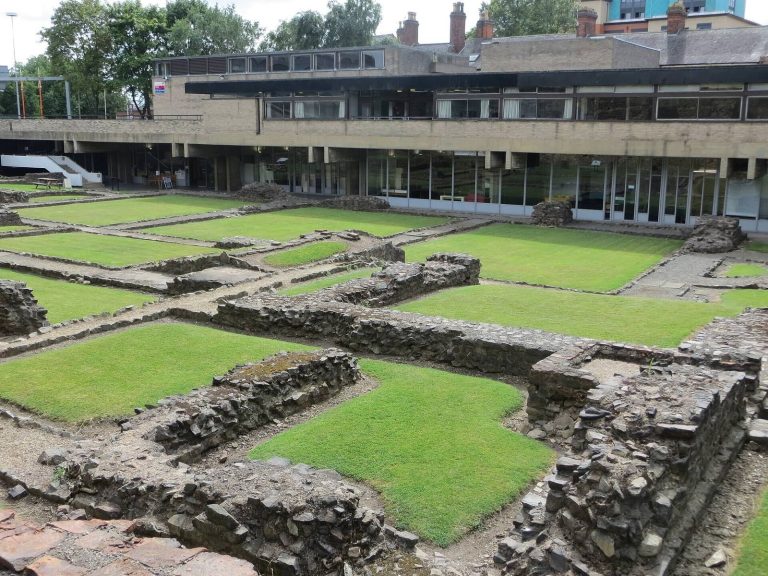
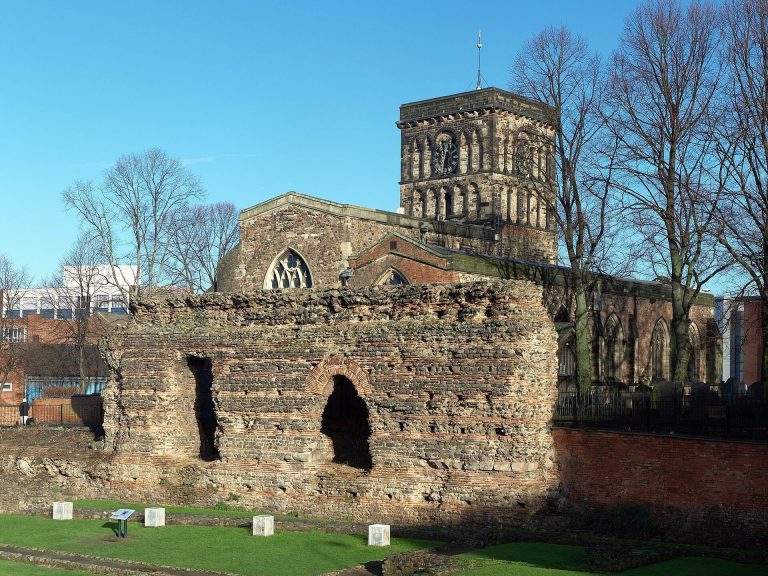
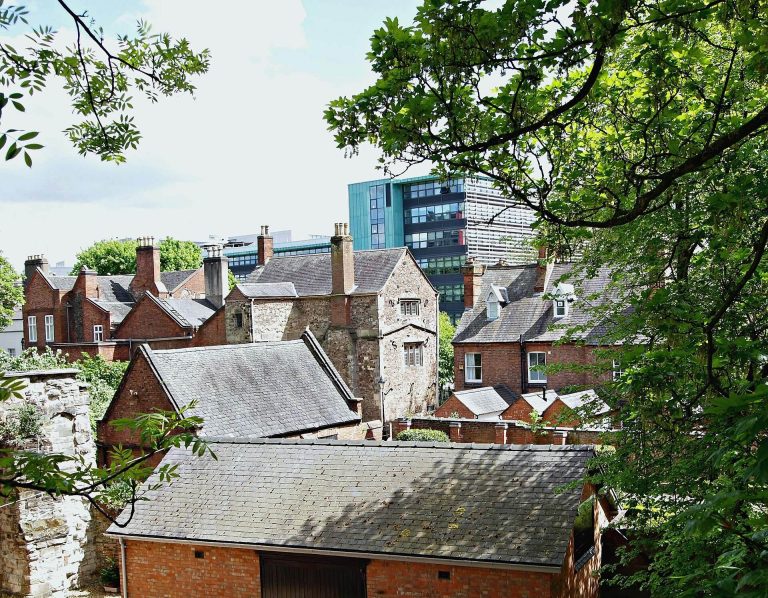
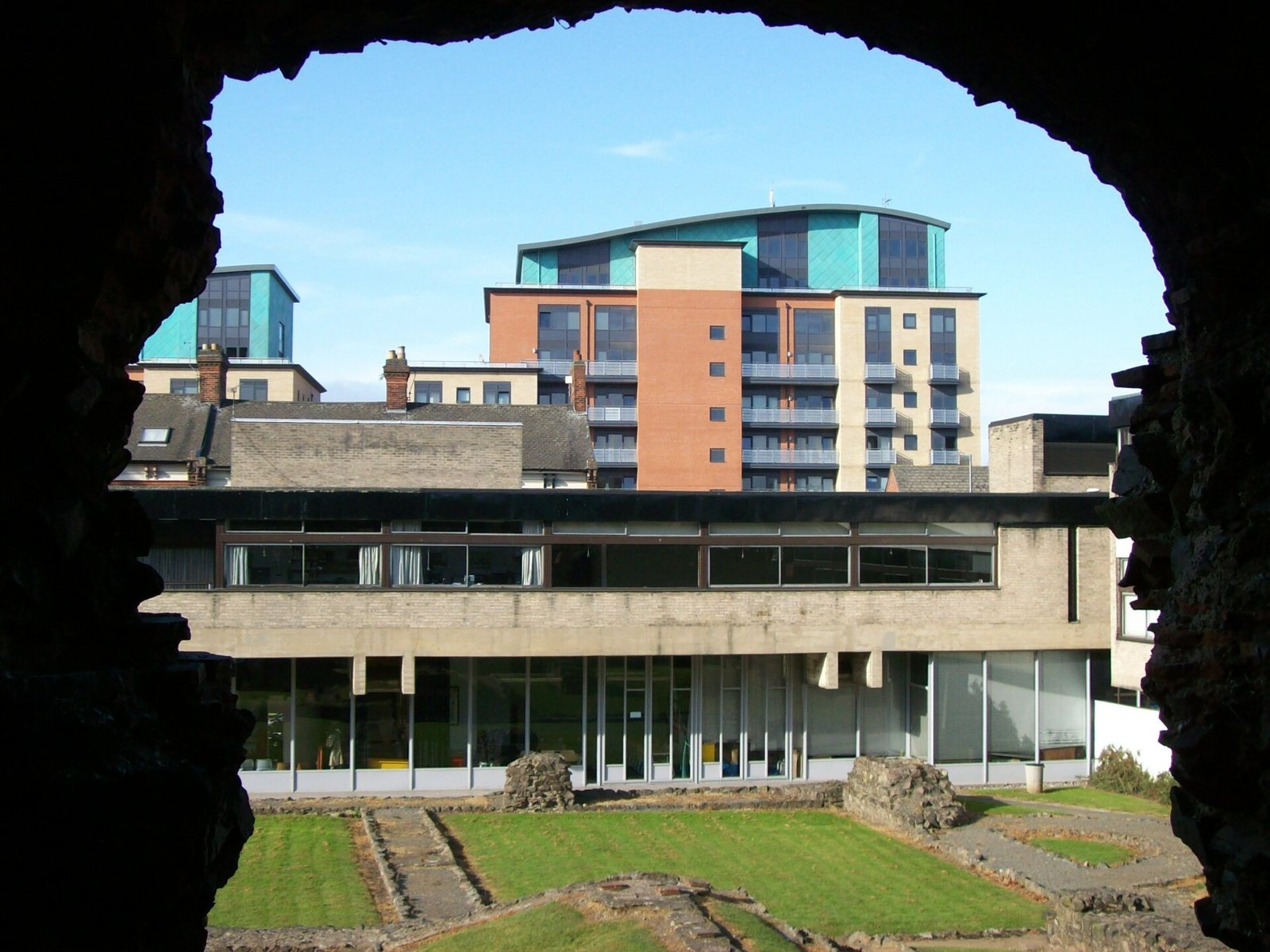
The museum building faces the Jewry Wall ruins. It was formerly shared with Vaughan College, with the museum on the ground floor; the renovation plan proposed extending the museum across both floors. The work created a circular route inside the building and a level-access walkway through the archaeological area to the museum and former college sections. Conservation work also treated the building’s historic fabric.
Bath-house foundations
Between 1936 and 1939, British archaeologist Kathleen Kenyon excavated west of the Jewry Wall and uncovered bath-house foundations well below street level.
Museum collections
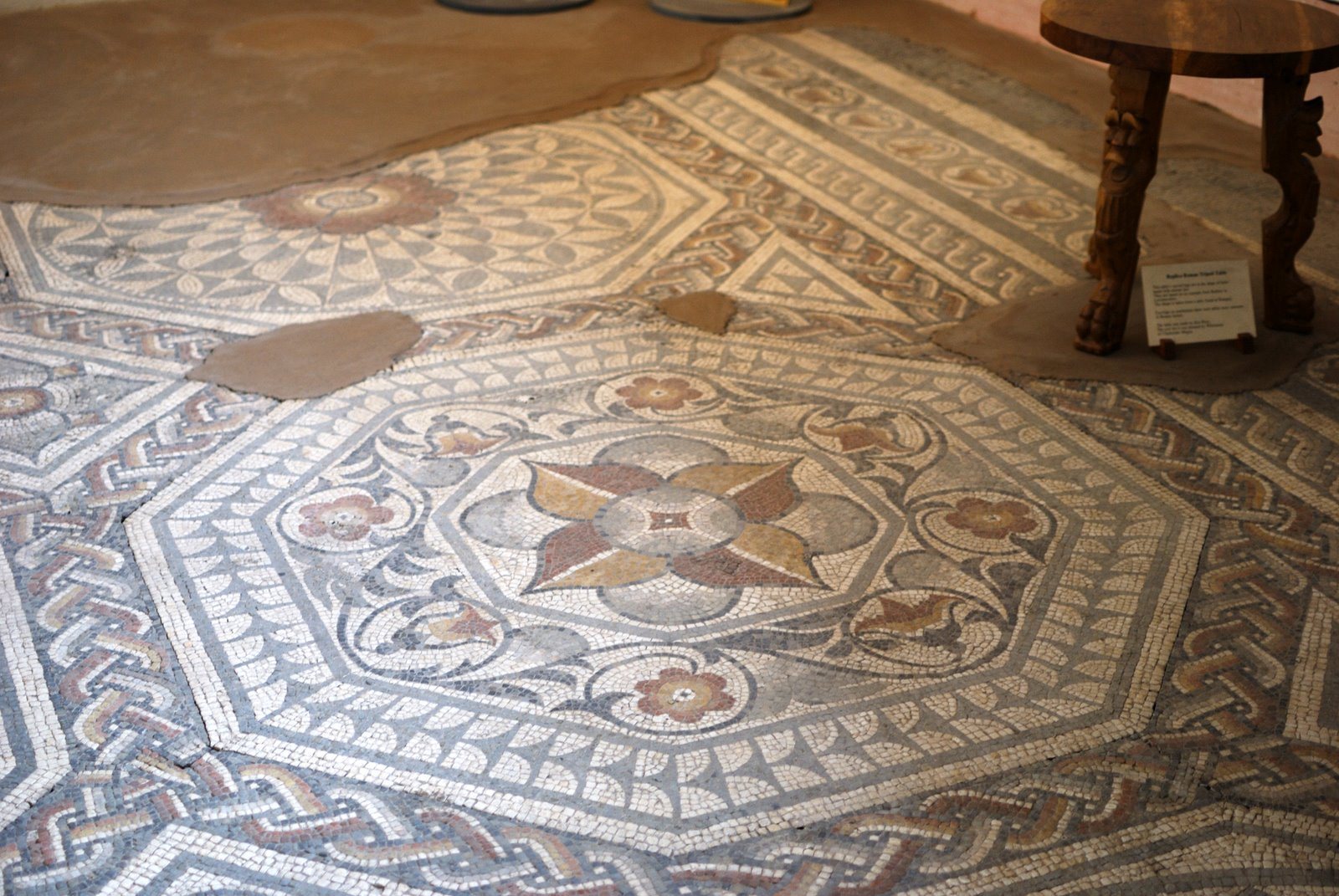
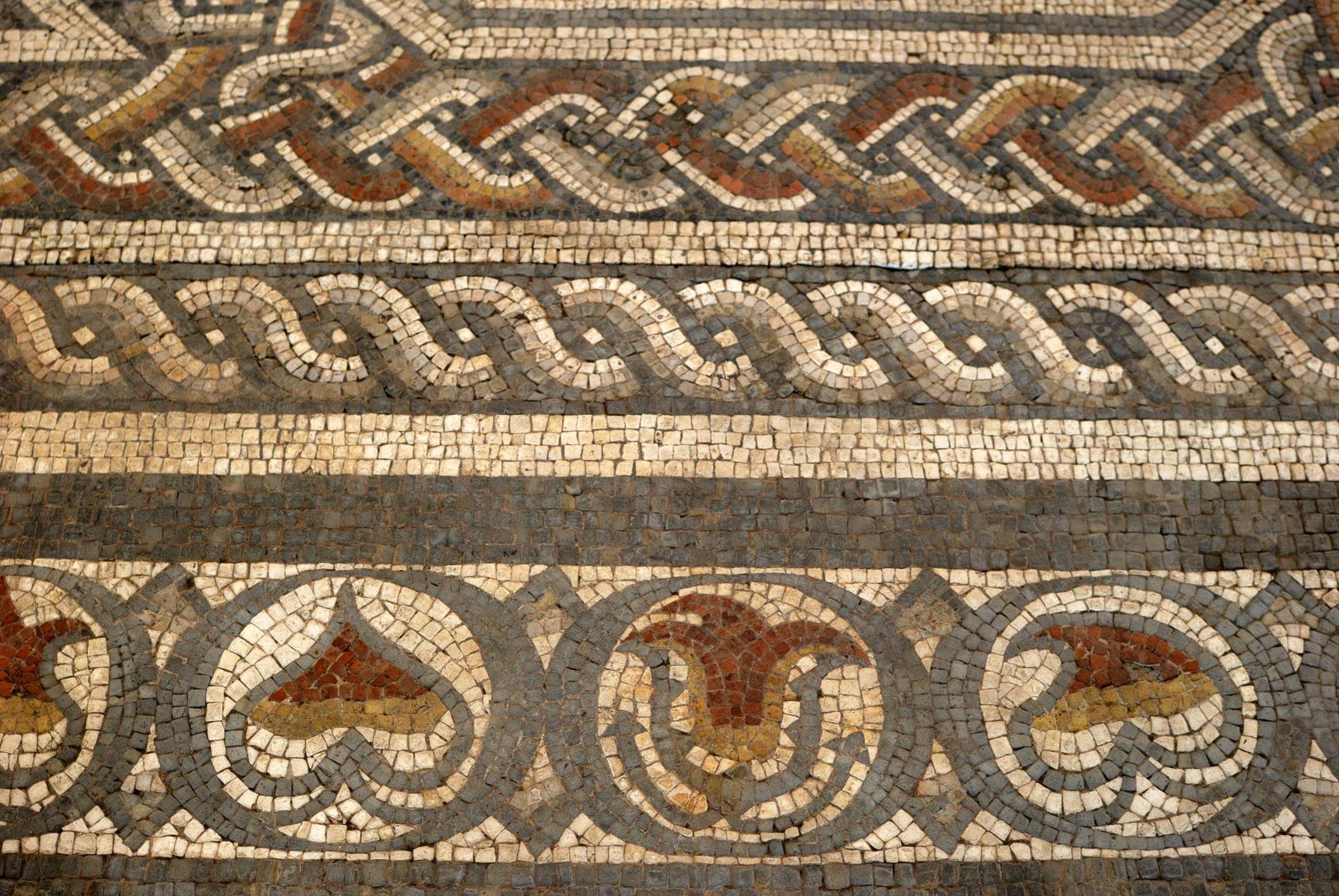
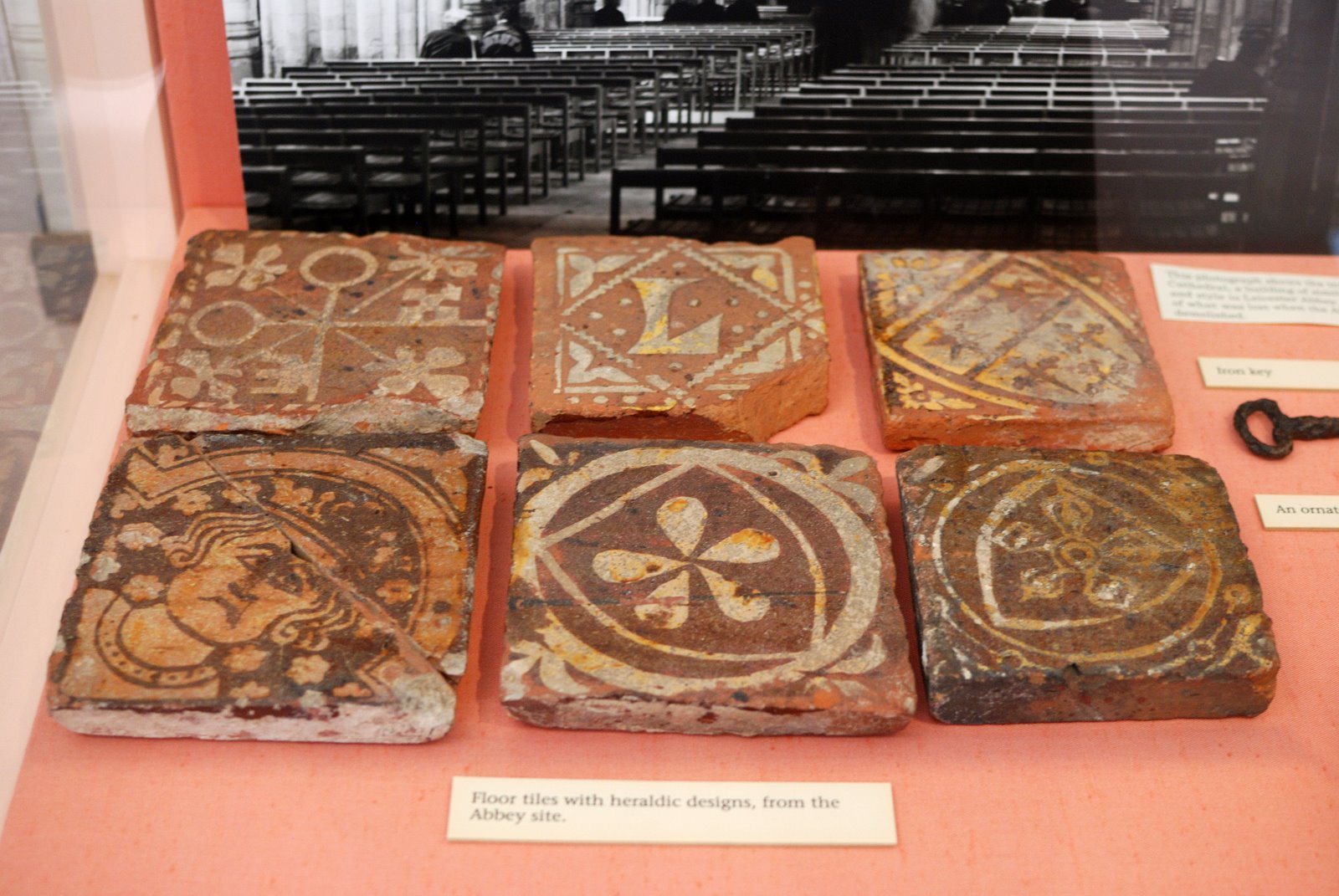
The museum holds objects from Iron Age, Roman and medieval Leicester. Its collections include the Cyparissus Pavement, the Blackfriars Roman Pavement, Roman wall paintings from Norfolk Street, the Thurmaston Milestone and tiles from Leicester Abbey. The collection has grown substantially in recent years as redevelopment across Leicester has led to archaeological investigations.