Dolmen de la Fabière: A Neolithic Burial Monument near La Cavalerie
Site at a Glance
- Popularity
- Very Low
- Country
- France
- Primary era
- Stone Age
- Eras represented
- Stone Age, Classical
- Civilizations
- Roman
- Site type
- Burial
- Remains
- Tomb
On this page9 sections
History
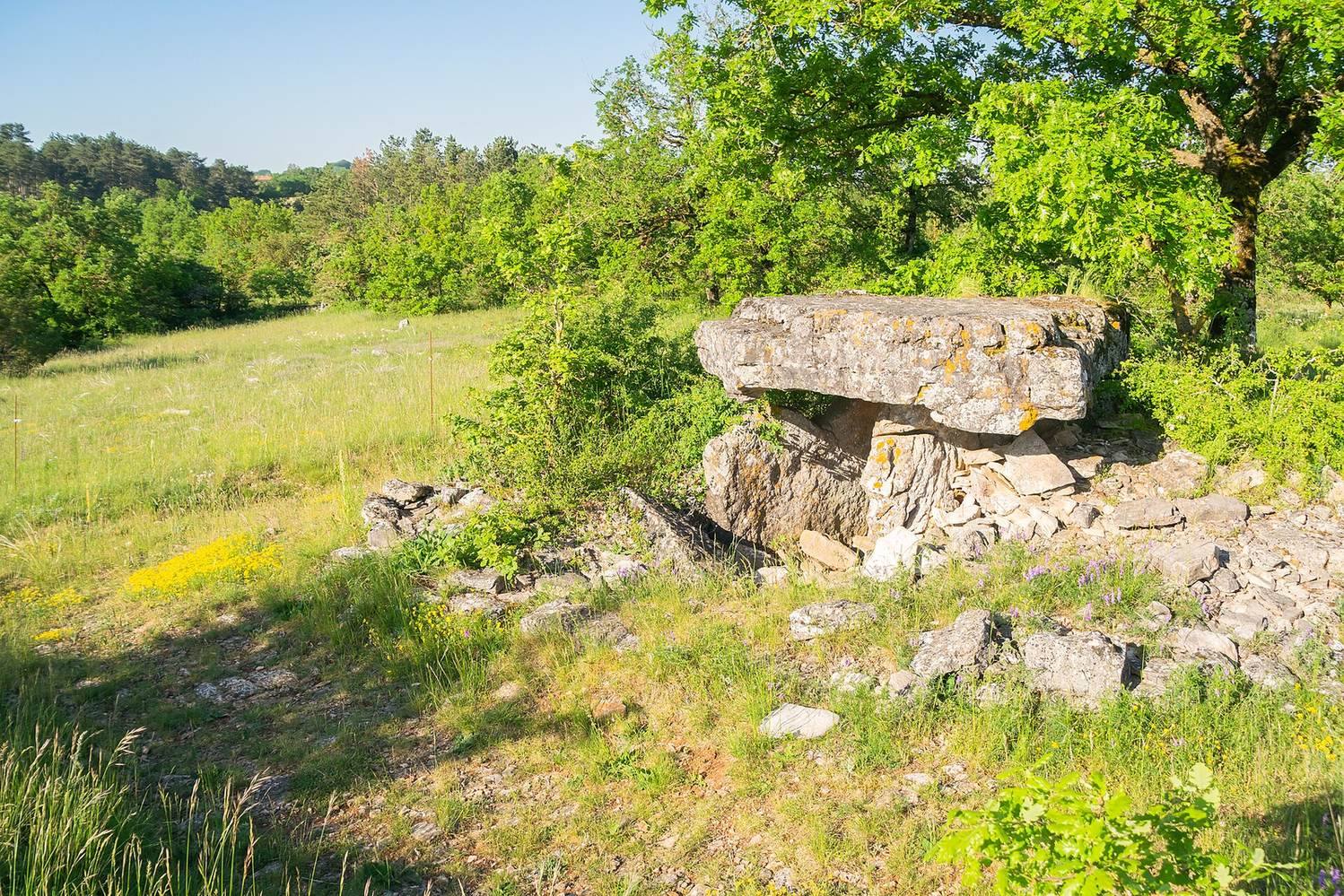
The Dolmen de la Fabière is a Neolithic burial monument near La Cavalerie, France. The Neolithic was the later part of the Stone Age, before metal was widely used. The monument was classified as a French historic monument in 1889.
Later use
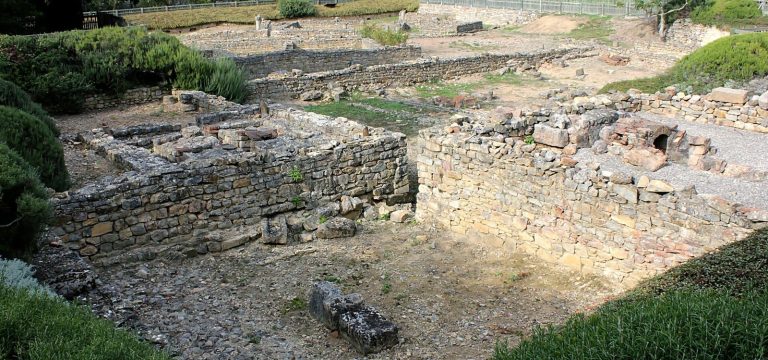
In Roman times, a small hut was built into the mound’s north side. During the early twentieth century, the monument was sometimes used in military maneuvers because it stood beside the military camp at La Cavalerie.
Archaeological investigations
The priest Abbé Hermet probably excavated the site before 1914. He did not publish his results and appears to have stopped work after finding little. Later, the Géniez brothers emptied the chamber. Archaeologist Jean Arnal led excavations in 1973 and 1976, during which the passage and mound were discovered.
Remains
The monument is built from dolomite and arranged around a chamber and entrance passage within an elongated mound. It stands on the Larzac limestone plateau, north of La Cavalerie and a large quarry.
Chamber and passage
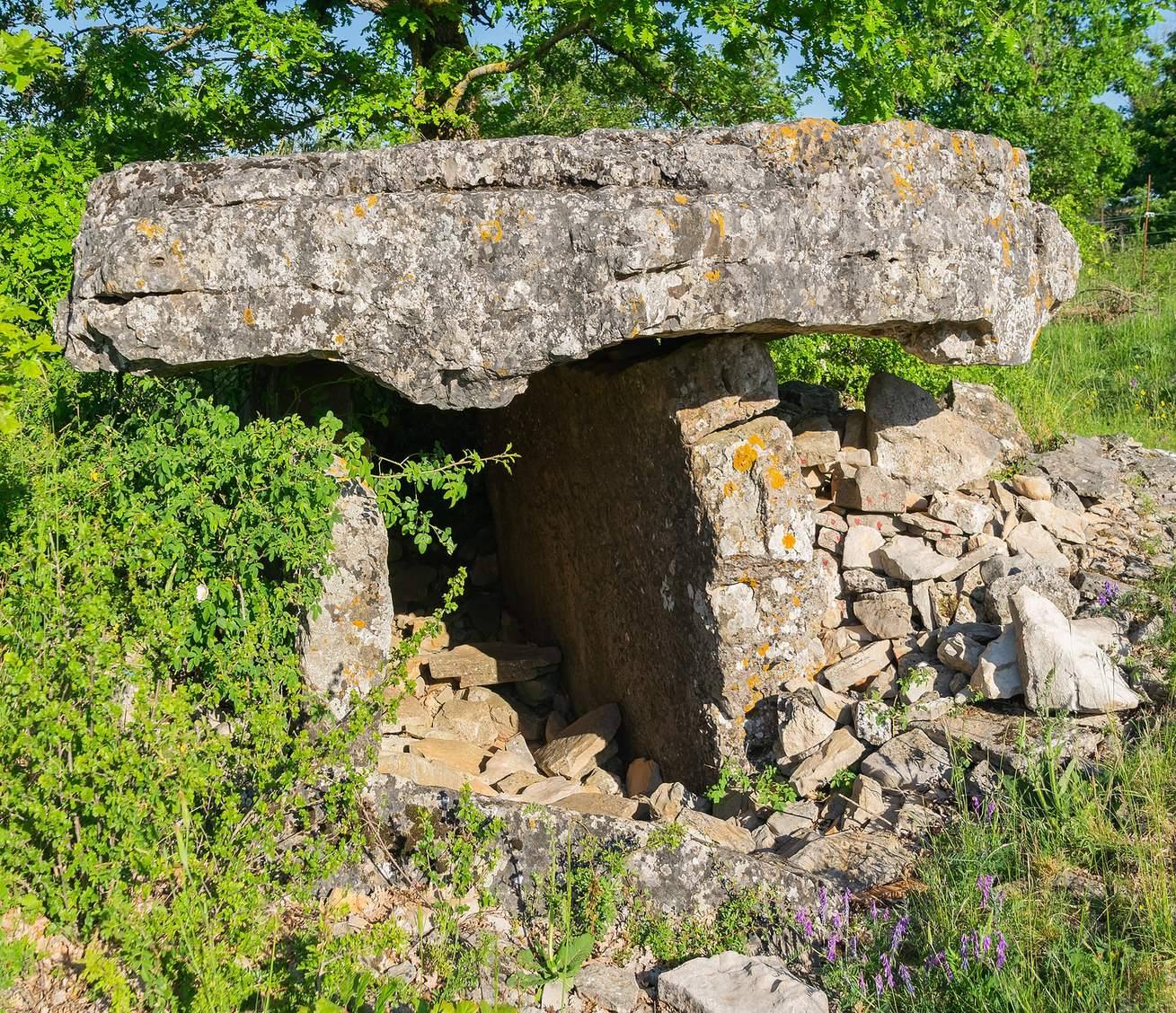
The chamber opens west and measures 3.40 m long, 0.90–1 m wide internally and 1.50 m high beneath its roof slab. Two parallel orthostats (upright stone slabs) form its sides. Their faces were flattened by hammering. The north slab measures 3.40 × 1.50 × 0.40 m, and the south one measures 3.40 × 1.50 × 0.23 m. Both rest on bedrock. Before they were set in place, a 0.20 m layer of small pieces formed by the natural breakdown of the bedrock was removed, and a recess was prepared at the base of each slab to help seat it.
A single capstone projects beyond the chamber on every side. It measures 4.40 × 3.20 × 0.60 m and weighs about 19 tonnes. A stone fragment measuring 1.10 × 0.40 × 0.60 m lies in front of the entrance. The passage extends 2.30 m from the chamber and is 0.60 m wide; about three-quarters of it has been destroyed. A threshold stone marks its outer entrance. The dolomite slabs came from an outcrop about 300 m to the northwest, high on a hill. A gentle slope toward the monument made it easier to transport them.
Mound and facing wall
The mound measures 22 × 7 m. Its elongated, almond-shaped form has a rectangular front and runs east to west. The chamber lies off-centre at the wider eastern end. This end resembles a cairn, a mound made chiefly of stones, while the western section consists of soil and stones. Natural alluvial deposits at the foot of the slope are difficult to distinguish from material deliberately added to the mound. A facing wall of small slabs enclosed it. The slabs had been stacked like plates and fallen outward in a fan shape; restoration rebuilt the wall with overlapping slabs to improve its stability.
Excavated objects
Finds from the chamber
Objects recovered when the Géniez brothers emptied the chamber were deposited at the Millau Museum. They include a small flint blade, two fir-tree-shaped arrowheads, two jet pendants, beads made from Cardium shell and limestone, and a metal-ring fragment that may be copper or bronze.
Finds from the mound
Excavation of the mound yielded a flint dagger, five arrowheads, flakes of chert, a hard stone, nine pendants of jet and Cardium shell, a perforated boar-tusk pendant and 49 soapstone beads. Brown or black pottery sherds were attributed to the Copper Age, which followed the Neolithic in many regions, and the Late Bronze Age, when bronze was widely used.