Gemiler Island: A Byzantine Christian Site in Turkey
Site at a Glance
- Popularity
- High
- Country
- Turkey
- Primary era
- Medieval
- Eras represented
- Classical, Medieval
- Civilizations
- Byzantine, Roman
- Site type
- Religious
- Remains
- Sanctuary
On this page4 sections
History
Gemiler Island is a rocky island near Fethiye, Turkey, where Byzantine Christians built churches between the fourth and sixth centuries. The Byzantine Empire was the eastern continuation of the Roman Empire, centered on Constantinople.
Gemile, an earlier name for the island, is traced to the Greek word kamila, meaning “camel,” in reference to the island’s shape. Its Turkish name, Gemiler Adası, means “Island of Boats” and may refer to Saint Nicholas’s association with sailors. Medieval seafarers also called it Saint Nicholas Island.
Saint Nicholas, a fourth-century bishop of Myra in Lycia who later became widely venerated as a saint, is said to have visited the island. Gemiler may also have served as a stopping place for Christian pilgrims traveling toward the Holy Land. Archaeologists consider it a possible location of Saint Nicholas’s original tomb and believe he was buried in the island’s rock-cut church after his death in 326. His relics are believed to have remained there until the 650s, when the island was abandoned under threat from an Arab fleet and the relics were transferred to Myra, about 40 km to the east.
Remains
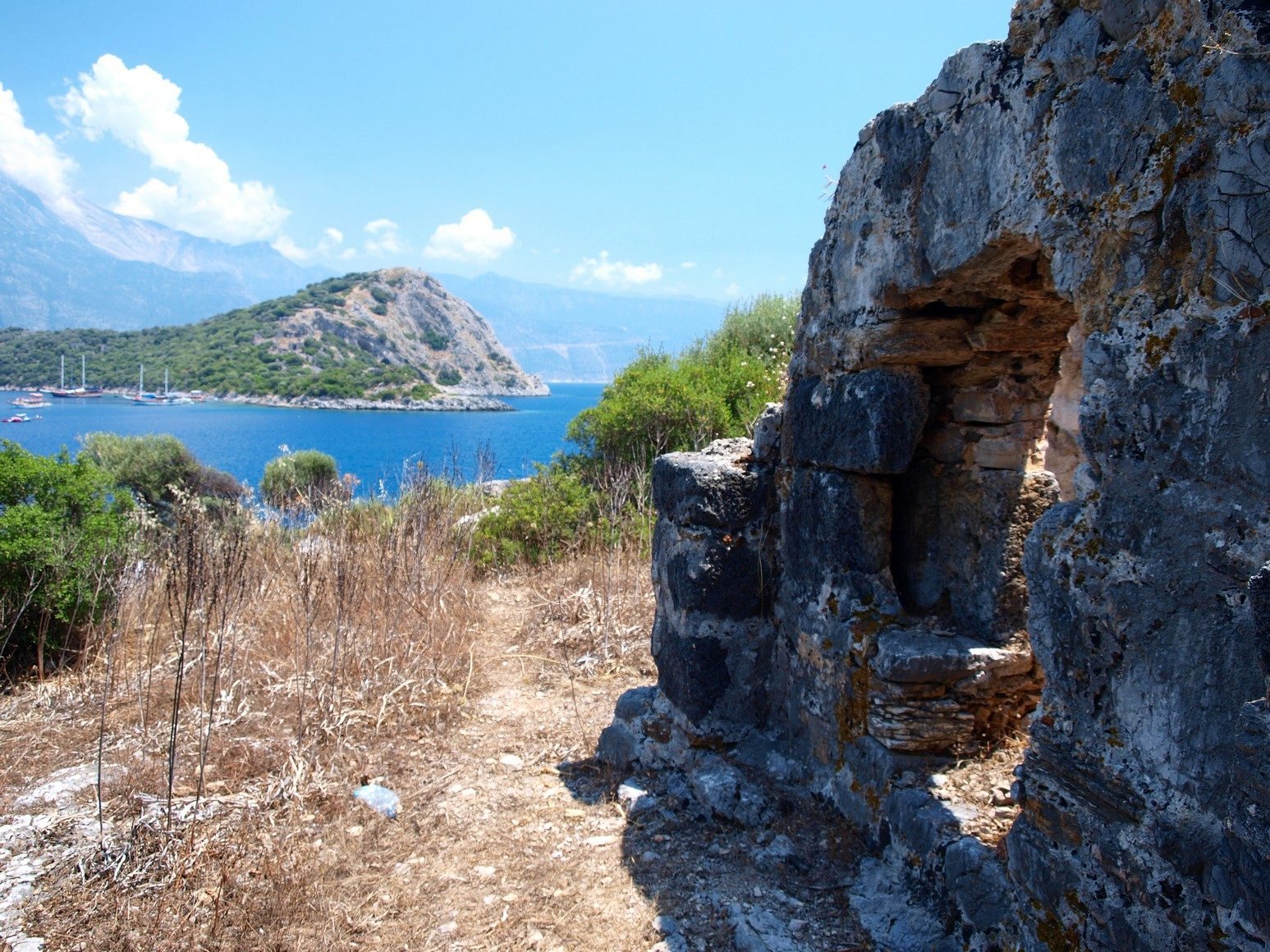
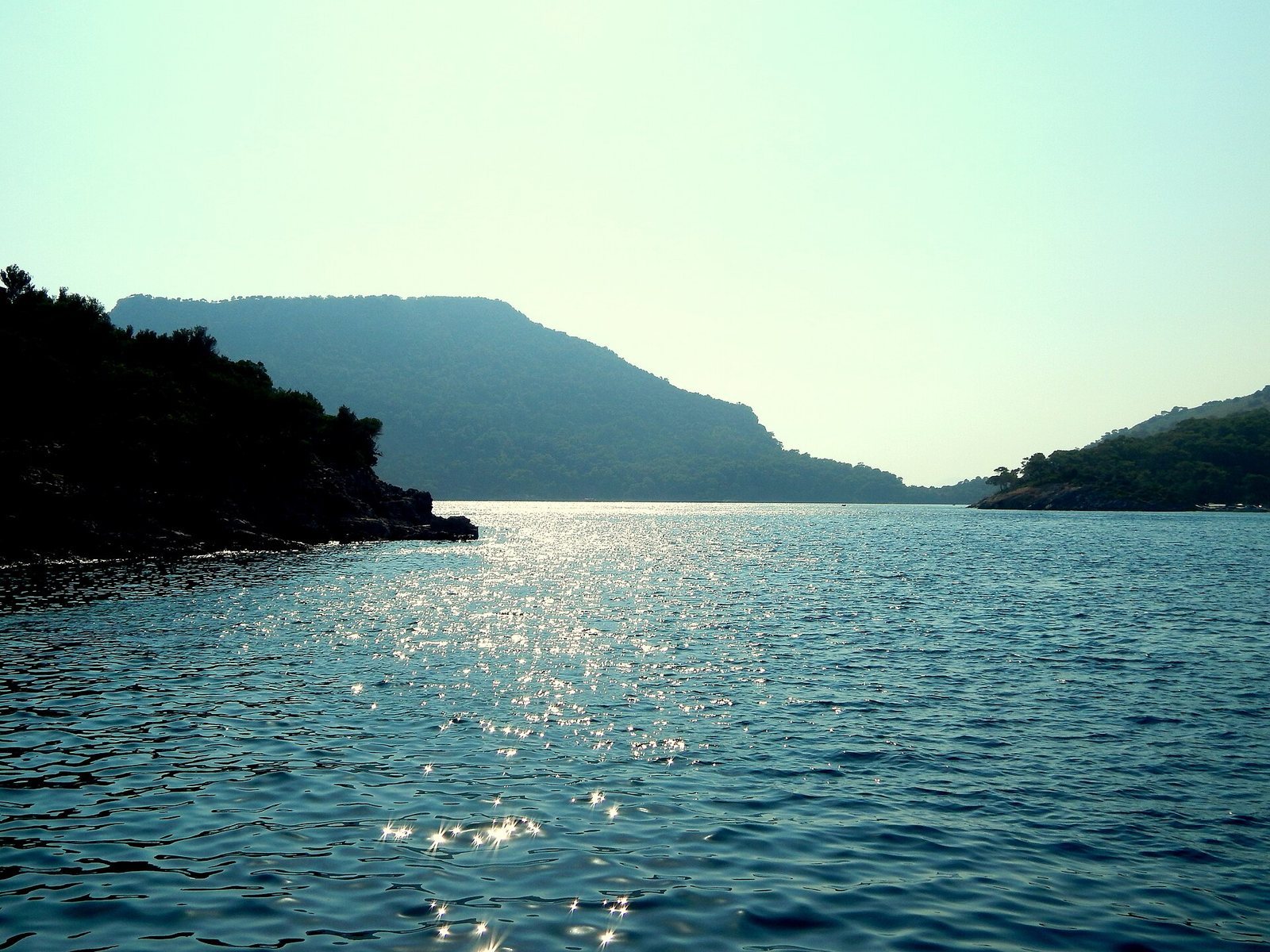
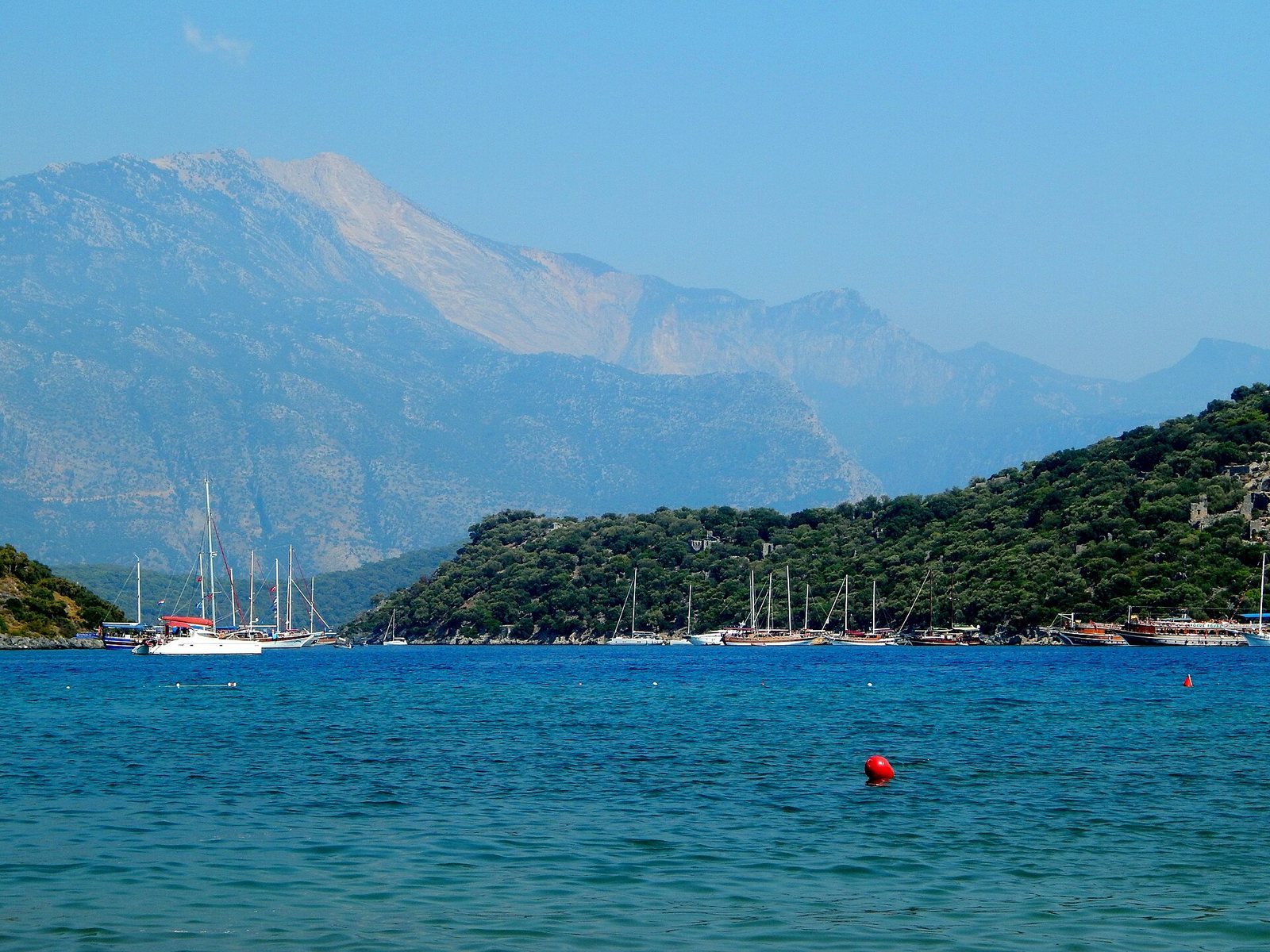
The uninhabited island lies about 200 m from the mainland and roughly 9 km south of Fethiye. It is approximately 1 km long and 0.4 km wide. Most of its coastline is steep and rocky, while a small harbor lies on the northern shore. A crescent-shaped bay can provide safe anchorage, and the Byzantine ruins are visible from the sea.
Churches and Processional Way
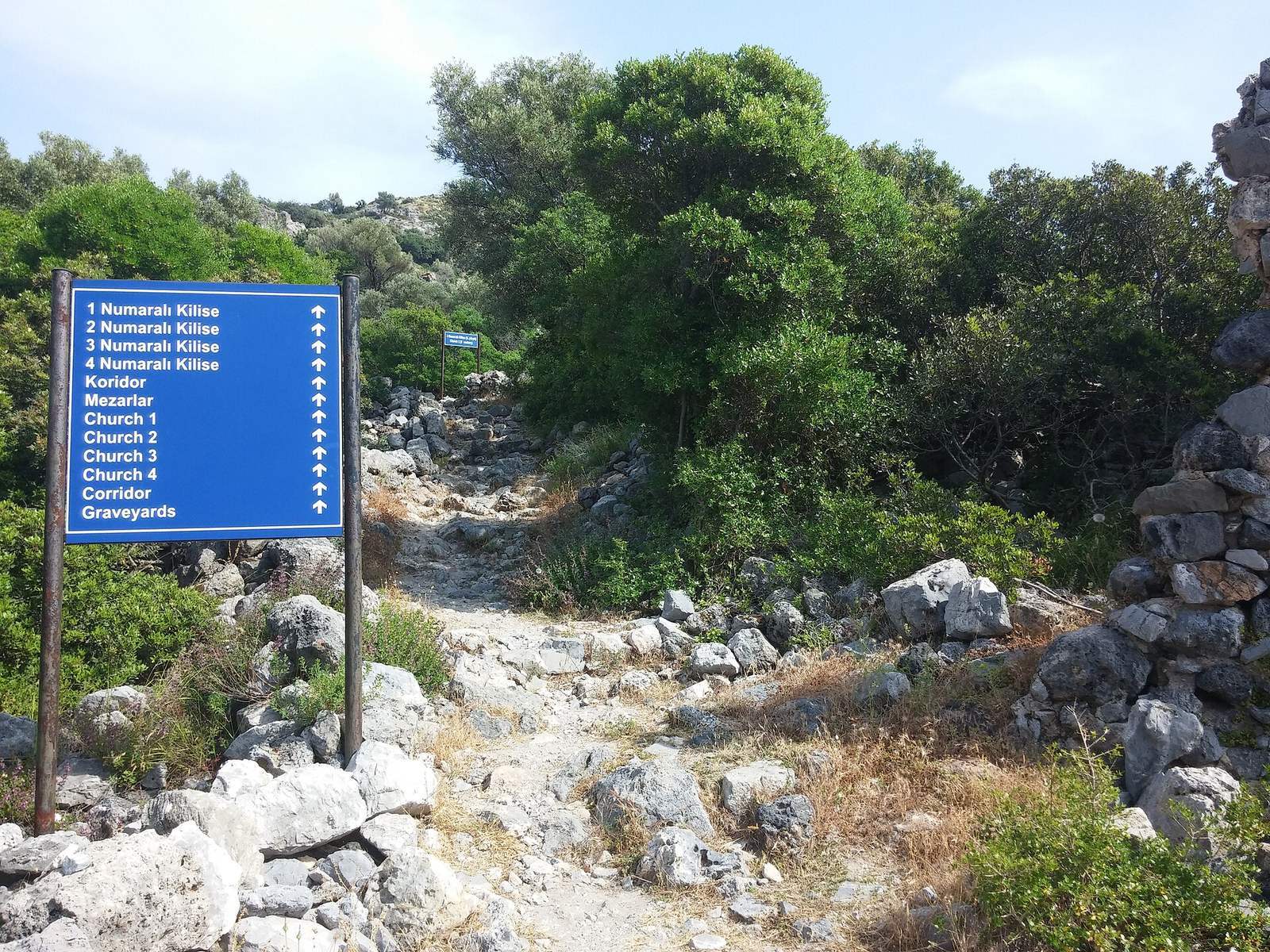
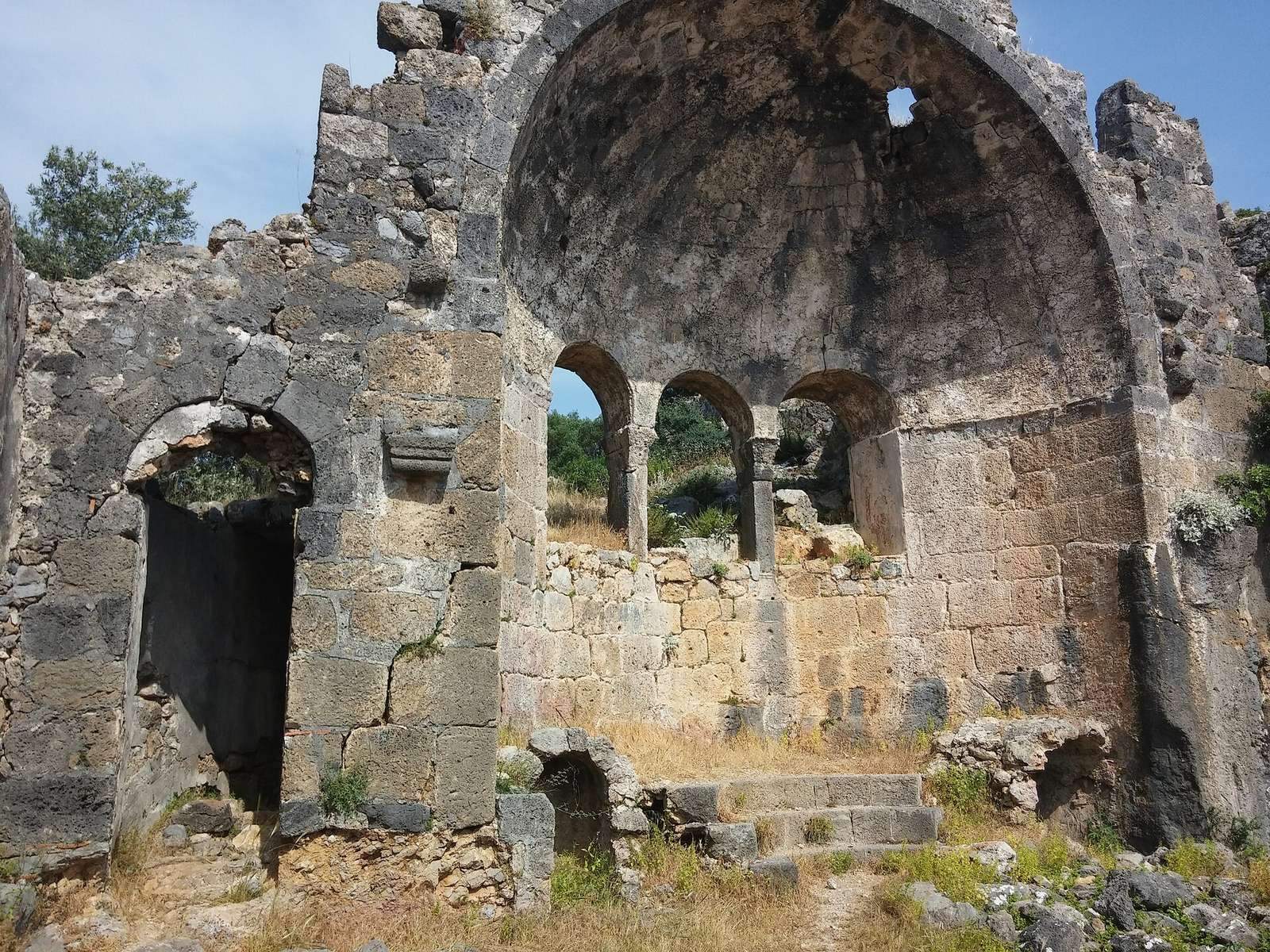
Five Byzantine church ruins survive on the island, linked by a processional walkway about 350 m long. At the western end of the walkway, a church is cut directly into the island’s highest point. Its interior has frescoes and mosaics, and the walls repeatedly bear Saint Nicholas’s name.
Church-Related Buildings and Tombs
The remains also include about 40 other church-related buildings and more than 50 Christian tombs, associated with the same Byzantine period.