Rocca Malatestiana: A Medieval Fortress in Santarcangelo di Romagna

Site at a Glance
- Rating
- 4.4
- Popularity
- Low
- Country
- Italy
- Primary era
- Medieval
- External website
- Open
- Eras represented
- Medieval
- Civilizations
- Unclassified
- Site type
- Military
- Remains
- Castle
On this page7 sections
History
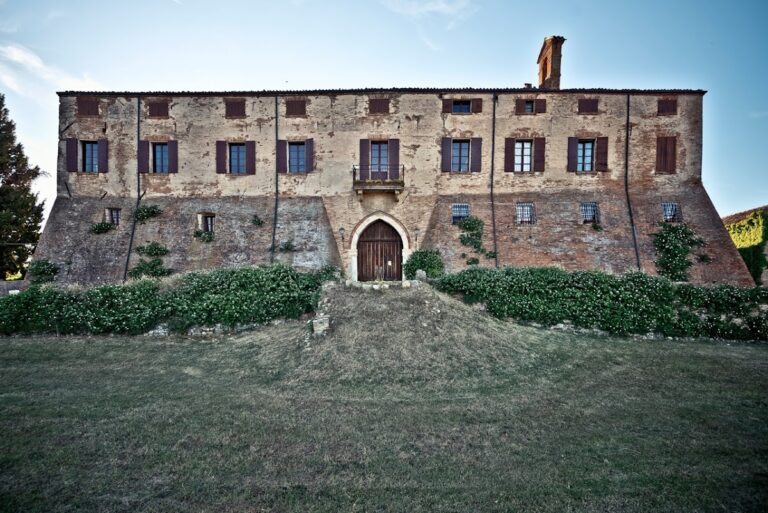
Rocca Malatestiana is a medieval fortress in Santarcangelo di Romagna, Italy, whose site was known by the late ninth century and whose present form developed through major Malatesta rebuilding in the fourteenth and fifteenth centuries. It is designated as Italian national heritage and is now described as restored.
Early records and Malatesta control
The fortress site is mentioned in the late ninth century, when the Bavarian Codex referred to a fortified settlement called chastrum sancti arcangeli on Mons Iovis. A castle was recorded again in 1164. From the thirteenth century, the stronghold was held by the Balacchi, a family associated either with Santarcangelo or with nearby Rimini.
The Malatesta, a powerful lordly family based in Romagna, were longstanding enemies of the Balacchi and displaced them in the early fifteenth century. The castle belonged to the Malatesta domains from 1295 to 1500, although papal intervention interrupted this control between 1353 and 1376. During that period, Cardinal Albornoz, a papal military and political representative, captured Santarcangelo and placed it directly under the authority of the Holy See.
Rebuilding and military conflict
Carlo Malatesta commissioned a major rebuilding in 1386, including a new tower erected over the remains of the earlier castle. Sigismondo Pandolfo Malatesta ordered further work in 1447. These alterations created the general form retained by the fortress in later centuries and adapted it to changing methods of warfare.
Federico da Montefeltro, a fifteenth-century condottiero and ruler of Urbino, captured the castle in 1462. Roberto Malatesta, Sigismondo Pandolfo’s son, later reconquered it. Cesare Borgia, a Renaissance military leader who expanded his power in central Italy, devastated the fortress in 1498. The Malatesta recovered the castle afterward, but it was eventually abandoned by them.
Papal administration and private ownership
Pope Pius II removed the castle from Sigismondo Malatesta and granted it as a fief, first to the Zampeschi family and later to the Pallavicini. After the Malatesta abandonment, Venice took possession and ceded the castle to the Papal States in 1505. These were the territories governed by the popes before Italian unification. Until unification, various lords held the property through long-term lease arrangements in which they managed it while owing obligations to the superior owner.
The counts Baldini later acquired the castle. In 1880, the Massani family purchased it and made it the center of an agricultural estate. Countess Eugenia Rasponi Murat became its owner in 1903. She was related to Princess Luisa Giulia Murat, the daughter of Carolina Bonaparte and Joachim Murat. After Eugenia died without direct heirs, the property passed to her cousin, Count Giovanni Battista Spalletti Trivelli, and was ultimately inherited by Princess Marina Colonna di Paliano in 1992.
Remains
Hilltop fortress
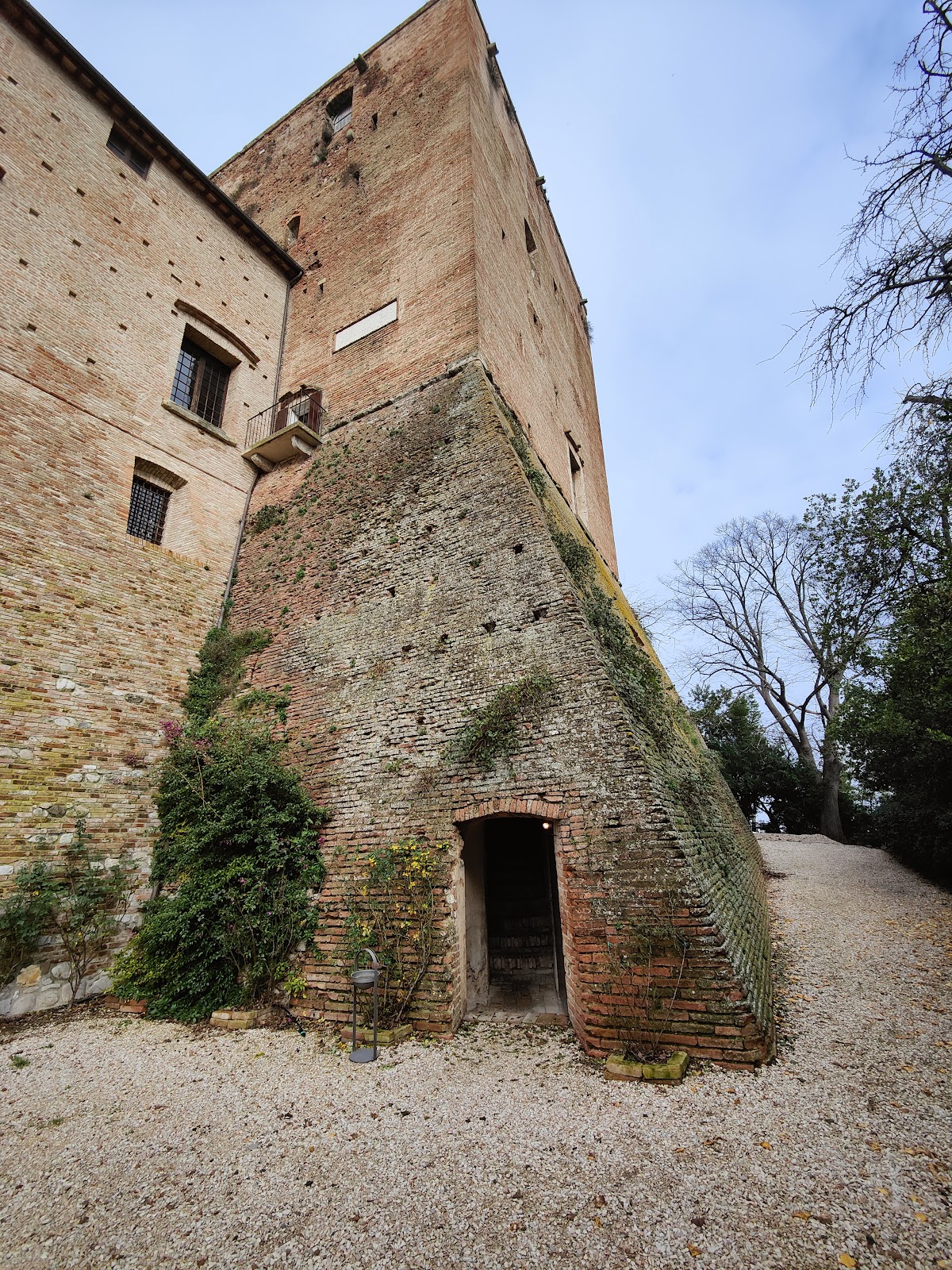
Rocca Malatestiana occupies the summit of a hill in the municipality of Santarcangelo di Romagna, at approximately 60 metres above sea level. It is also classified as a lowland castle. The surviving fortress is built in brick masonry, and centuries of substantial alteration have incorporated the traces of the earlier castle into its walls.
Fourteenth-century tower
The principal surviving landmark is a tall tower dating from the fourteenth century. Carlo Malatesta erected a new tower over the ruins of the preceding castle in 1386. In 1447, Sigismondo Pandolfo Malatesta had its upper section removed, lowering the structure; the resulting material was reused in alterations to the fortress. That rebuilding produced the overall form associated with the later castle and improved its suitability for contemporary military methods. The present complex is restored.