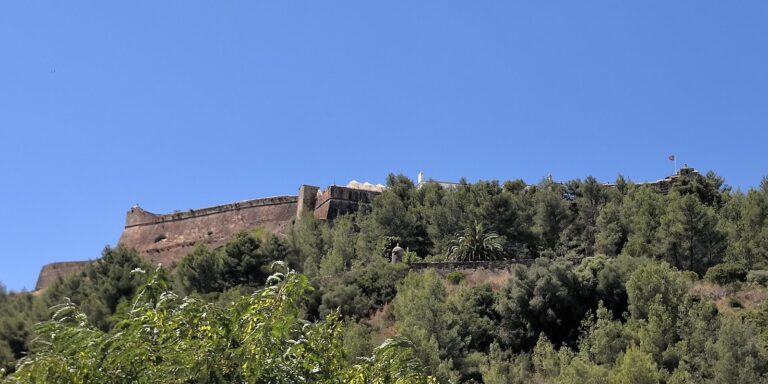
Roman Ruins of Creiro: A Fish-Processing Complex and Bathhouse
Site at a Glance
- Popularity
- Low
- Country
- Portugal
- Primary era
- Classical
- Eras represented
- Classical
- Civilizations
- Roman
- Site type
- Economic
- Remains
- Production Complex
On this page9 sections
History
The Roman ruins of Creiro are the remains of a Roman fish-processing complex and bathhouse in São Lourenço, Portugal. Their first occupation began in the third quarter of the first century AD. The site formed part of the fish-processing industry around the Sado River estuary, a region that became the Roman Empire’s most important centre for processing fish products.
Roman production
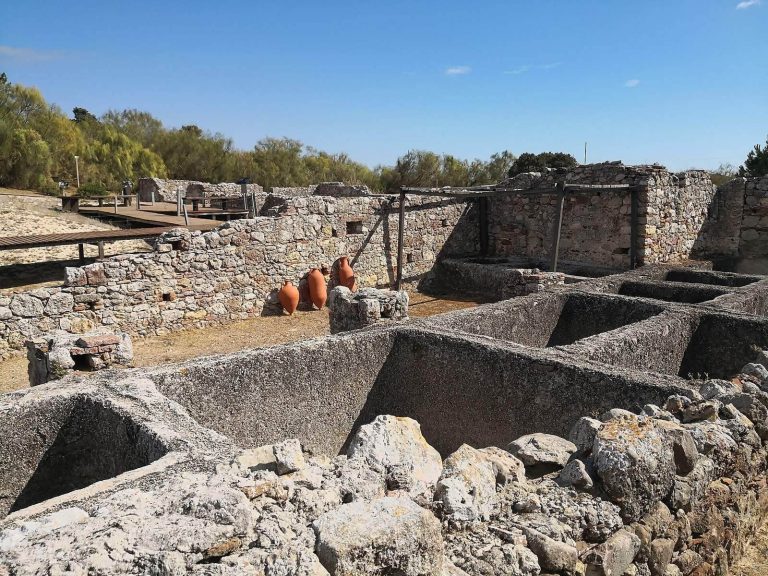
Abundant fish and salt supported industries centred on Cetóbriga, now Setúbal, and Tróia. Creiro was a smaller production site, but its origins were earlier than those of other local units. It processed salted and pickled fish as well as fish sauces for export across the Empire in purpose-made amphorae, large transport jars.
Creiro’s first period of occupation and construction lasted from roughly the third quarter of the first century until the end of that century. The facilities were altered late in the century. The site then appears to have remained unoccupied until the middle of the fourth century.
Later Roman activity
In the mid-fourth century, repairs to existing buildings allowed fish processing to resume. Builders used some materials from earlier construction phases, and the later work was of lower quality. Changes also improved the drainage of rainwater and factory waste. Roman occupation ended in the late fourth or early fifth century.
Almohad occupation and archaeological investigation
A further period of occupation took place in the twelfth century, during the Almohad period. The Almohads were a Muslim dynasty that ruled parts of Iberia during that century.
Archaeologist António Inácio Marques da Costa identified the ruins in 1907, but left no detailed description. His unpublished manuscripts were found in 1964, bringing the site’s character to official attention. The first excavation followed in 1987, conducted by the Museum of Archaeology and Ethnology of Setúbal District under the direction of Carlos Tavares da Silva.
Remains
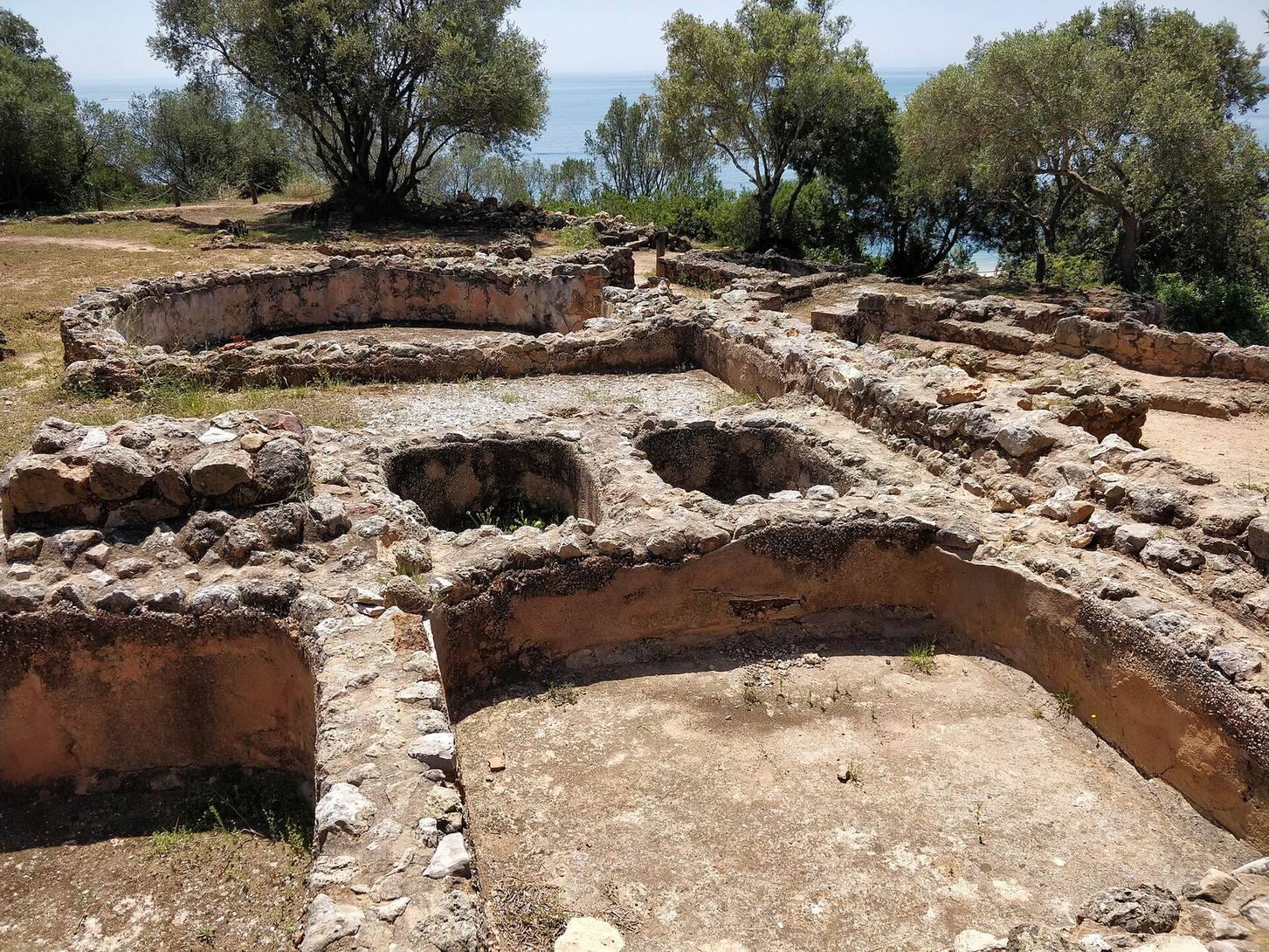
The remains lie above Creiro Beach in Arrábida Natural Park, in the Serra de Arrábida. They comprise a fish-salting and processing area and a bathhouse, and are in fair condition.
Industrial area
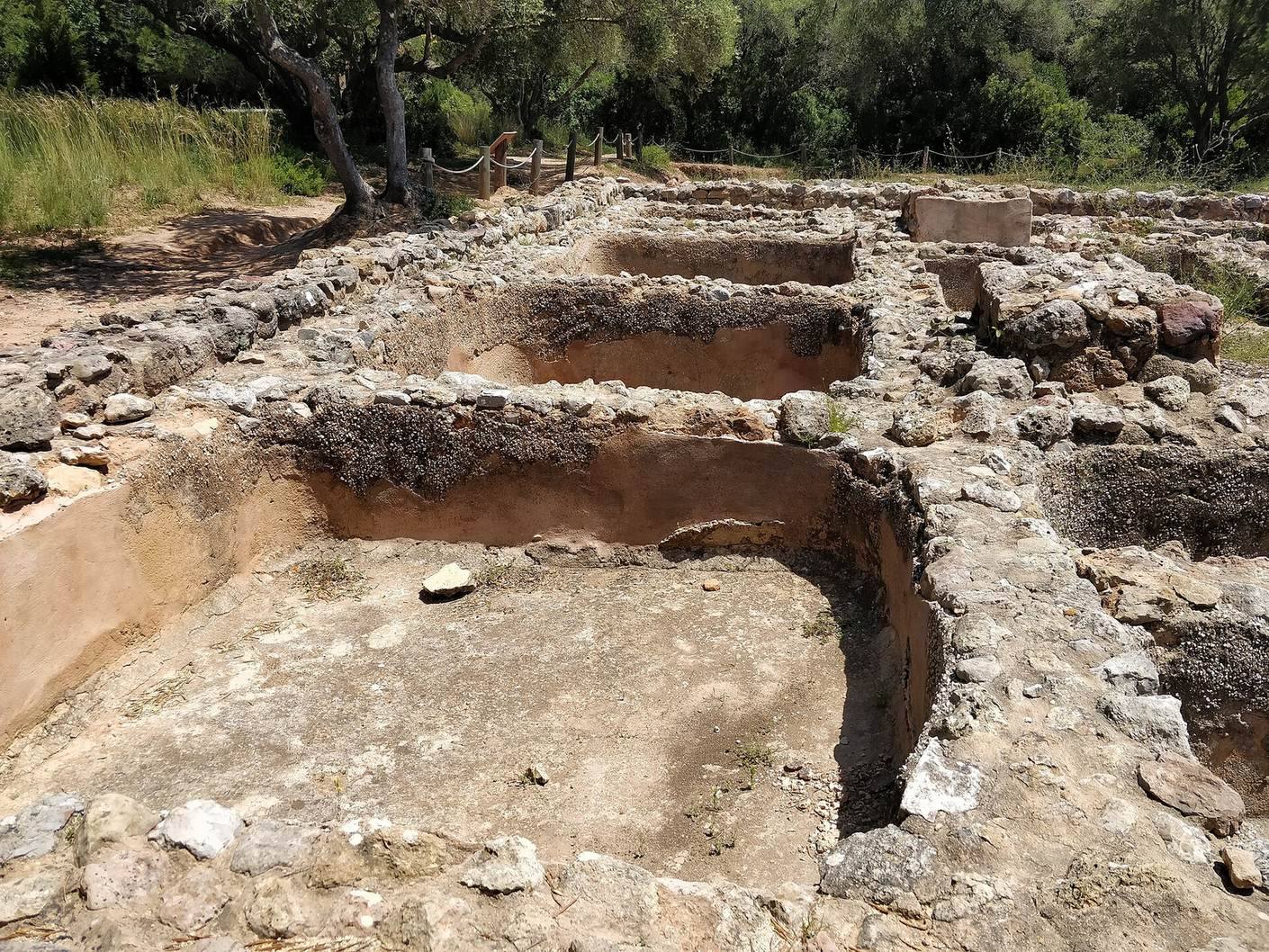
Processing tanks
Nine tanks formed the core of the fish-processing area. They range from 1 to 2.6 metres wide and from 0.5 to 1 metre deep. Their interiors were lined with waterproof mortar made from gravel, hydraulic lime, and sand. Rounded corners made the tanks easier to clean and supported hygienic use. Two shallower, more permeable tanks were added late in the first century AD. They may have been used to store salt or fish rather than to prepare sauces and other products.
Buildings and water supply
Other features of the complex include warehouses and the owner’s house, as well as possible accommodation for workers. A freshwater well near one of the area’s few springs remains unexcavated. The site also had a cistern.
Bathhouse
A furnace in a basement heated air that circulated beneath the bathhouse floor through a hypocaust, a system for heating rooms with hot air under the floor. The warmth reached the caldarium, or heated bath room. Several pillars that supported the pavement above the air space remain visible. The frigidarium, or cold bath room, is also visible and is covered in marble.