Palau Macaya: A Catalan Modernisme Residence and Cultural Centre
Site at a Glance
- Popularity
- Medium
- Country
- Spain
- Primary era
- Modern
- Eras represented
- Modern
- Civilizations
- Spanish
- Site type
- Domestic
- Remains
- Elite Residence
On this page6 sections
History
Construction and ownership
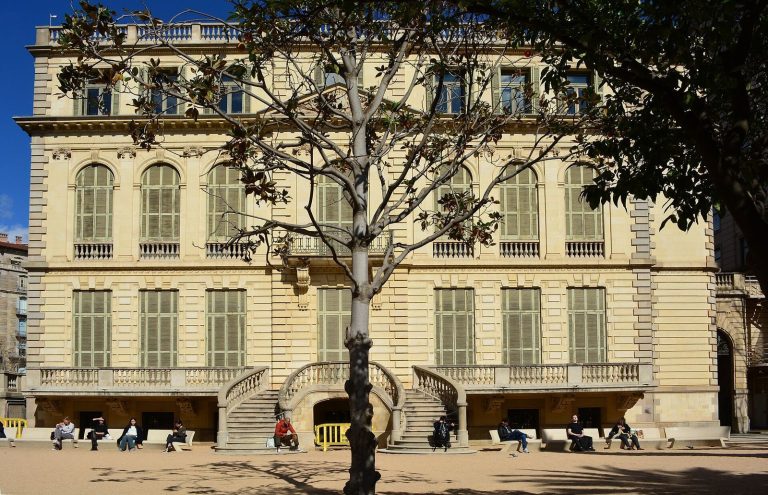
Palau Macaya is a Catalan Modernisme residence in Barcelona, Spain, designed by Josep Puig i Cadafalch for industrialist Romà Macaya i Gibert and built between 1898 and 1900. Catalan Modernisme was a regional movement related to Art Nouveau that flourished in the late nineteenth and early twentieth centuries. Macaya, a collector of glass objects, owned the building from 1896 until 1914. Joan Vilella i Estivill owned it from 1914 to 1947, when it passed to La Caixa.
Cultural use
La Caixa used the building for art exhibitions, and it became the first headquarters of the La Caixa Foundation’s cultural centre. It later housed the Science Museum, which subsequently moved to CosmoCaixa. Rehabilitated in 2012 for a new cultural centre, it is now called CaixaForum Macaya and promotes discussion and learning in the social sciences and humanities, with aims that include encouraging critical thinking and social justice. On January 9, 1976, the Government of Catalonia designated the building a Cultural Asset of National Interest.
Remains
Exterior
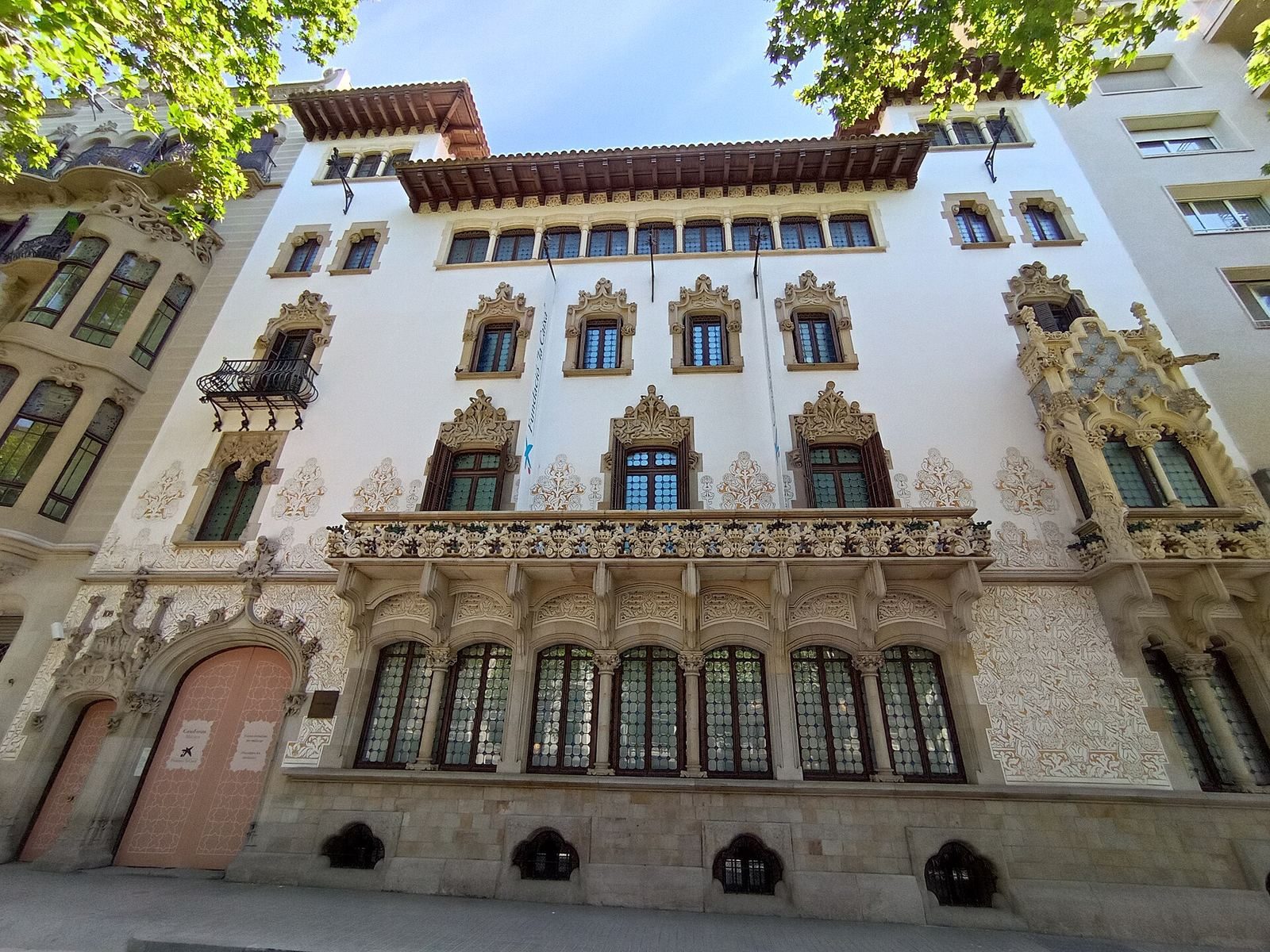
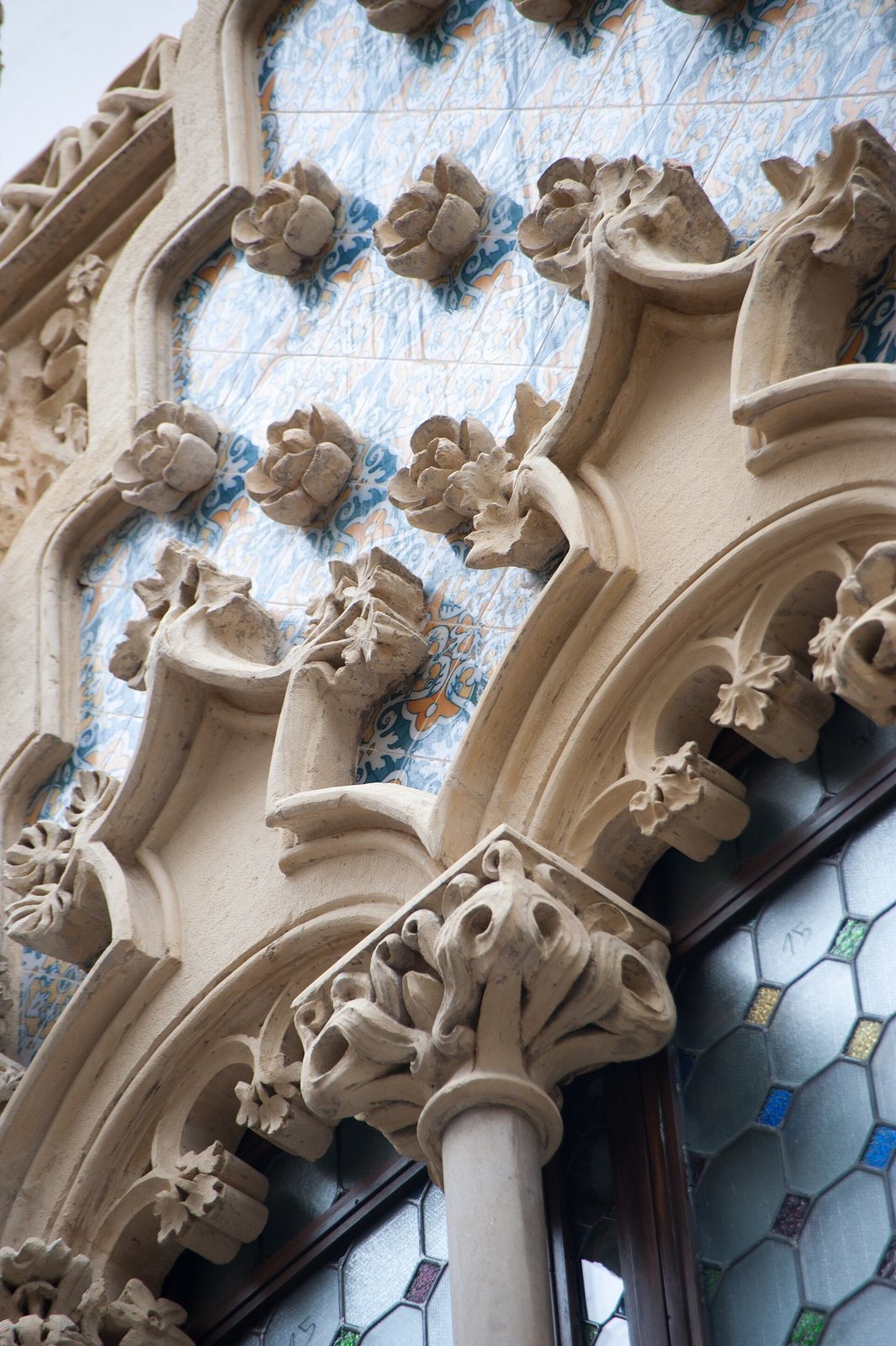
The building has a restrained white-stucco façade decorated with ochre sgraffito, a technique that reveals a contrasting layer by cutting or scratching away the surface. Joan Paradís created the sgraffito, while Manuel Ballarín made the wrought-iron grilles. Sculptors Eusebi Arnau and Alfons Jujol contributed stonework, including a continuous balcony on the principal floor, ornamented window surrounds and tops, and a small, asymmetrical ground-floor tribune. A cyclist carved on the capital, or top, of a column to the left of the main entrance alludes to Puig i Cadafalch. While working on Casa Amatller, he travelled by bicycle between that building site and Palau Macaya.
Interior
The richly decorated interior includes a vestibule with sgraffito and tiles, a patio, and a stone staircase leading to the upper floor, carved with floral motifs. The present centre also contains an event hall with 142 seats, the Macaya Hall, which accommodates 80 people, and multipurpose classrooms for groups of 20 to 70.