Holme Pierrepont Hall: A Tudor Manor House in Nottinghamshire
Site at a Glance
- Popularity
- Medium
- Country
- United Kingdom
- Primary era
- Medieval
- Eras represented
- Medieval, Early Modern, Modern
- Civilizations
- British, English
- Site type
- Domestic
- Remains
- Manor House
On this page5 sections
History
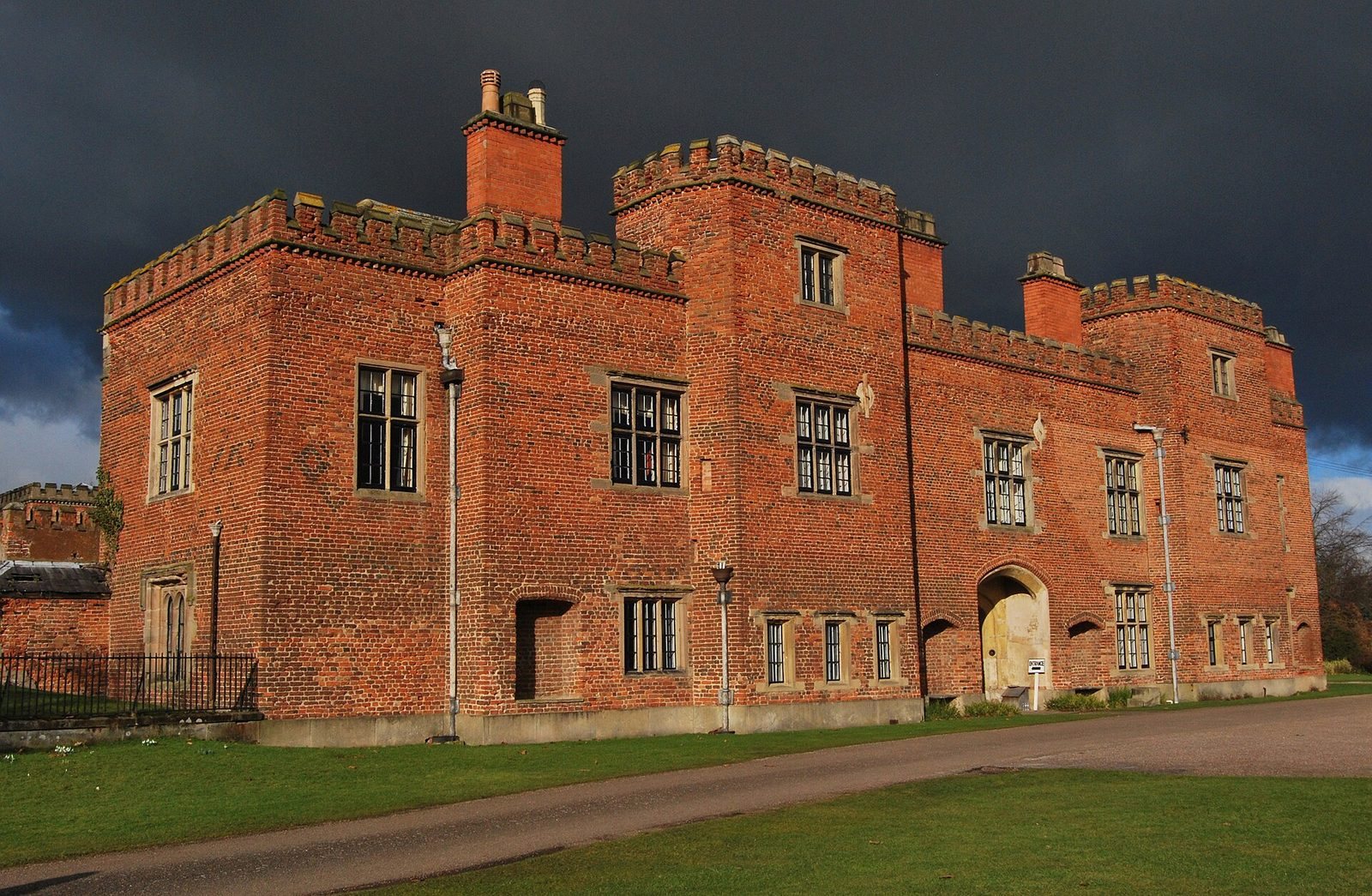
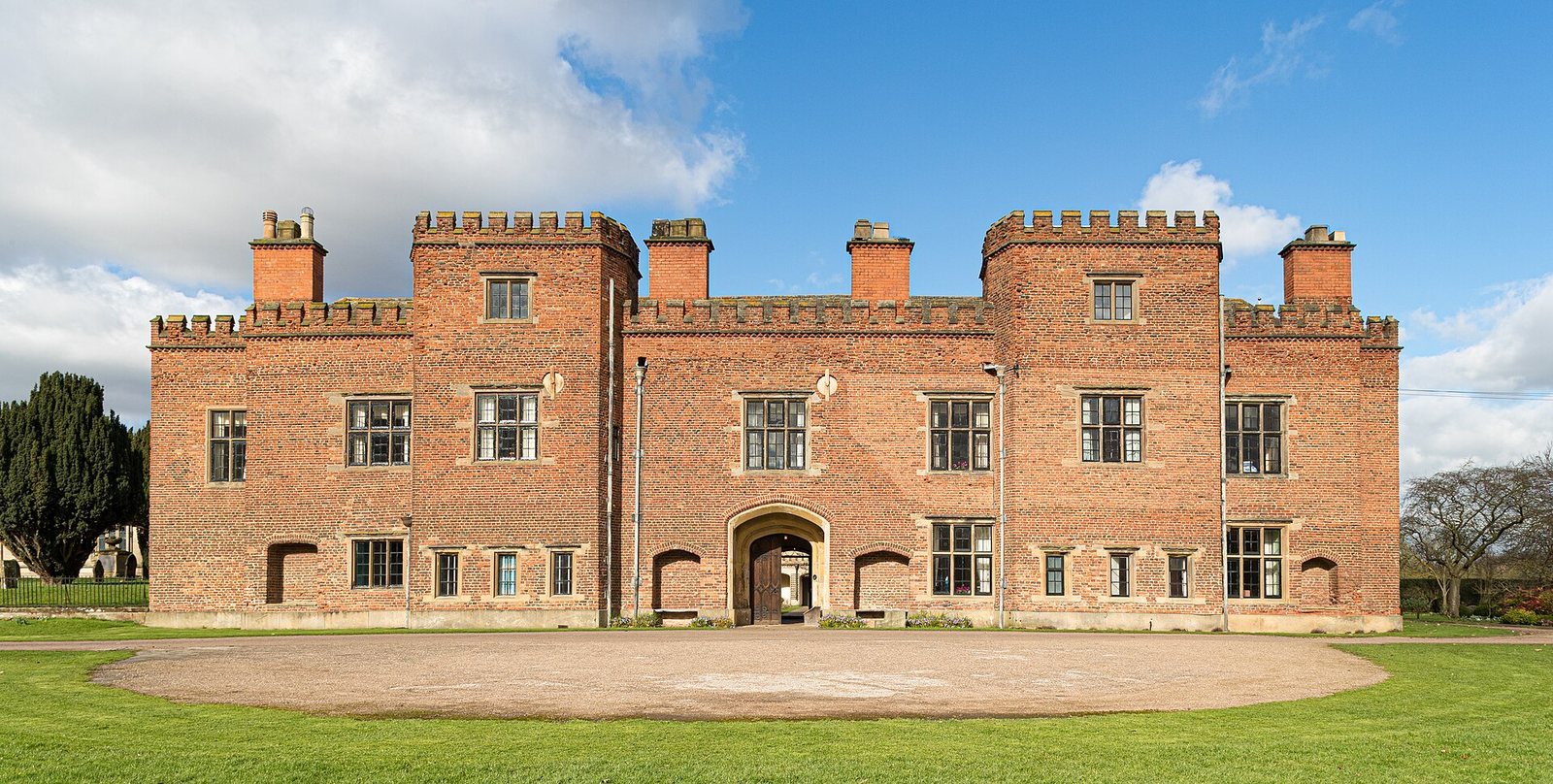
Holme Pierrepont Hall is a brick manor house in Holme Pierrepont, Nottinghamshire, United Kingdom, built by Sir William Pierrepont around 1490–1500 during the Tudor period. It is one of the few houses of its period in Nottinghamshire built of brick. The Pierrepont family had lived at Holme since about 1280, following the marriage of Henry de Pierrepont and Annora de Manvers. The place was first known simply as Holme; the family name was added later.
Seventeenth-century family seat
The Hall passed from Sir William’s family to Sir George Pierrepont, who died in 1564, and then to Sir Henry Pierrepont, who died in 1616. It next came to Sir Robert Pierrepont, who became the 1st Earl of Kingston-upon-Hull, a hereditary British noble title. In 1628, he rebuilt the north range. His son Henry, the 2nd Earl, became Marquess of Dorchester in 1645, a rank above an earl.
A reduced residence and renewed north wing
In 1715, the 5th Earl was created the 1st Duke of Kingston-upon-Hull, a hereditary title ranked above marquess and earl. The family had acquired Thoresby Hall in 1633, and it had become their principal residence by this time. Holme Pierrepont consequently took a secondary role and was reduced in size; its north range was demolished around 1730.
The dukedom ended in 1773, when the 2nd Duke died without an heir. In 1788 the estate passed to his nephew Charles Medows, a naval officer, who took the Pierrepont surname. He was created 1st Earl Manvers in 1806. The 3rd Earl rebuilt the north wing around 1870 and was succeeded by the 4th Earl.
Military use and later ownership
The Hall was requisitioned for military purposes in both World Wars and remained unoccupied between them. During the Second World War, it was used to train young soldiers of the Sherwood Foresters, a British Army infantry regiment. Lady Sibell Argles, sister of the 5th Earl, later returned to live at the Hall. After her death in 1968, her cousin Elizabeth Brackenbury bought it. Elizabeth and her husband Robin began renovations, including the removal of exterior stucco in 1975. The Hall received Grade I listing in 1952, the highest listed-building category in England, for buildings of exceptional interest. It remains privately owned.
Remains
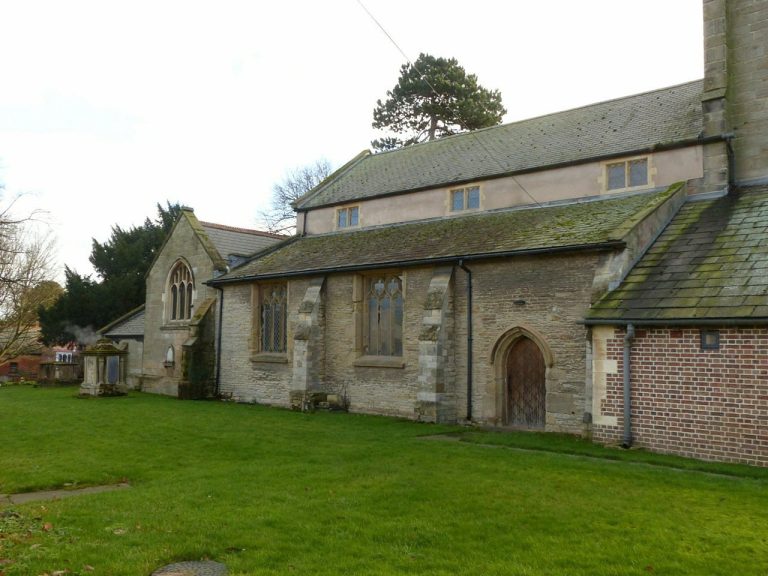
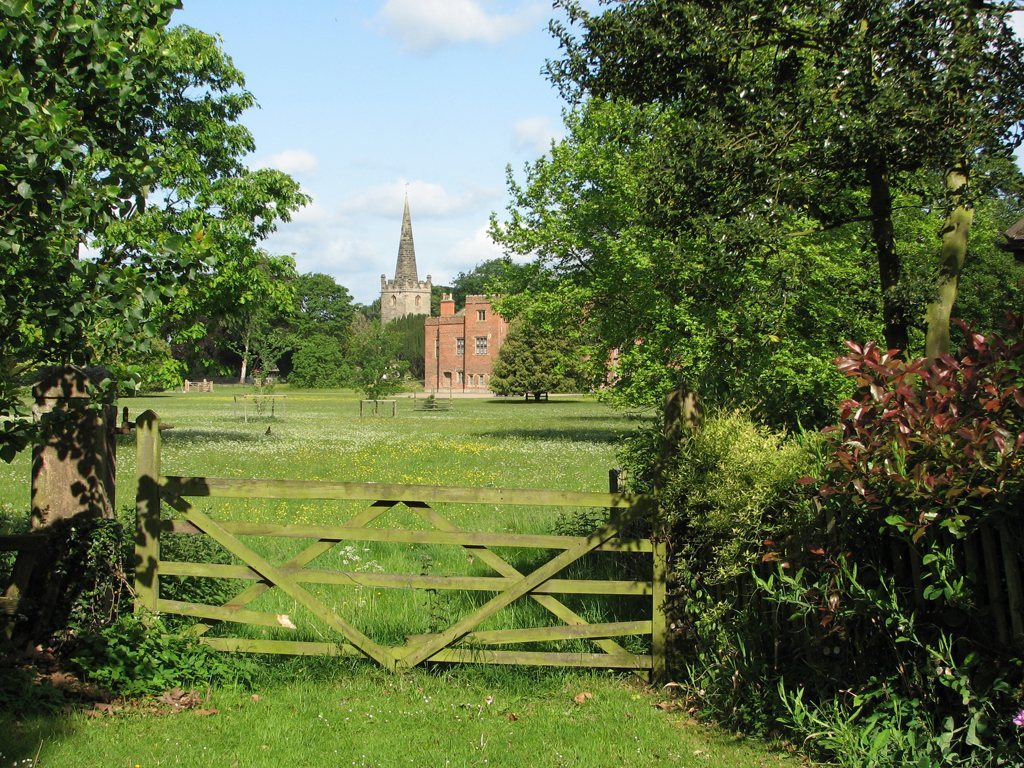
The brick-built Hall stands within about 30 acres (12 hectares) of parkland, adjacent to St. Edmund’s Church in Holme Pierrepont. Its surviving fabric includes original Tudor features and later additions. Removing the exterior stucco in 1975 exposed the original brickwork.