Beauvoorde Castle: A Flemish Renaissance Water Castle in Belgium
Site at a Glance
- Rating
- 4.3
- Popularity
- Low
- Country
- Belgium
- Primary era
- Early Modern
- External website
- Open
- Eras represented
- Early Modern, Modern
- Civilizations
- Belgian, County of Flanders, Habsburg
- Site type
- Domestic
- Remains
- Castle
On this page8 sections
History
Beauvoorde Castle is a water castle in Belgium, located in Wulveringem, which has belonged to the municipality of Veurne in West Flanders since 1977. Its principal form dates from the rebuilding of 1616–1617 in the Flemish Renaissance style, a regional tradition that combined Renaissance design with local building practices.
Medieval estate and wartime destruction
The earliest identified owner and resident was Jan de Valuwe, a medieval landholder who received the feudal rights to the domain from John the Fearless in 1408. John the Fearless, Duke of Burgundy, was a major political figure in the early fifteenth-century Low Countries.
In 1584, during the early stages of the Eighty Years’ War, the Geuzen burned the castle. The Geuzen were Dutch Protestant rebels involved in the revolt against Spanish rule in the Low Countries. The castle was rebuilt around 1616–1617, while several portions of the earlier walls were incorporated into the new structure.
Seventeenth-century rebuilding and decline
Jacob de Bryarde was the owner and occupant during the seventeenth-century rebuilding. His family kept the property until 1828. By that time, the estate had declined from a castle farm to an ordinary farm, and the building faced the possibility of demolition.
Merghelynck’s restoration
Arthur Merghelynck prevented the castle’s complete destruction in 1875 through an ambitious programme of restoration and reconstruction. He enlarged the building, reshaped it in a seventeenth-century manner, and furnished its interiors with period elements and reproductions. His work established much of the castle’s present historical character.
Merghelynck had no children and left the property to the Belgian State in his 1905 testament. He required that it be made available to the Royal Academy of Dutch Language and Literature, a Flemish scholarly institution devoted to the study and promotion of Dutch and its literature. His widow, Julienne Flyps, continued to live at Beauvoorde Castle until her death in 1941, so the academy could use the property only after the Second World War.
Protection and stewardship
Beauvoorde Castle became a protected monument in 1987 and is protected heritage in Flanders under monument number 17083. In 1998, the Royal Academy transferred management to the Flemish Heritage Foundation, later known as Erfgoed Vlaanderen. The Belgian State transferred the castle domain to the Flemish Community in 2003. Erfgoed Vlaanderen continued to manage it and became part of the Flemish heritage organization Herita in 2012. A complete restoration took place from 2021 to 2026.
Remains
Castle building
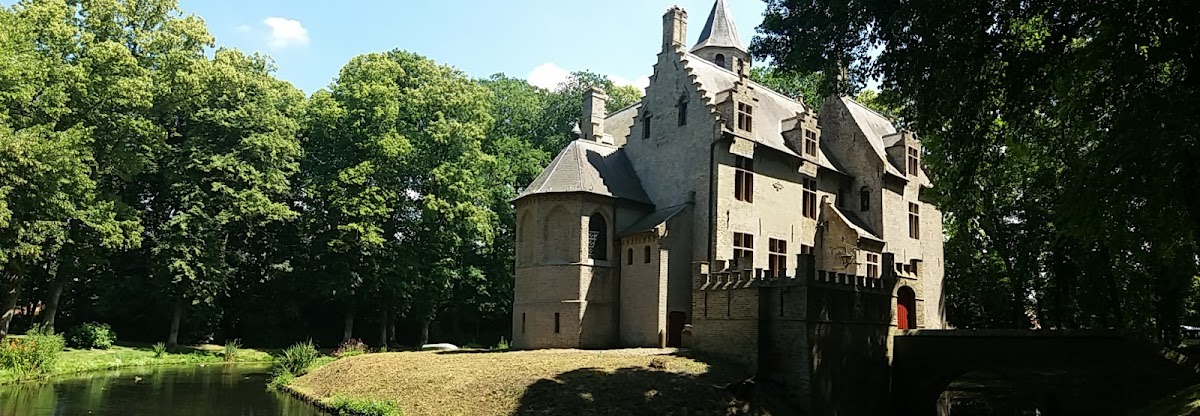
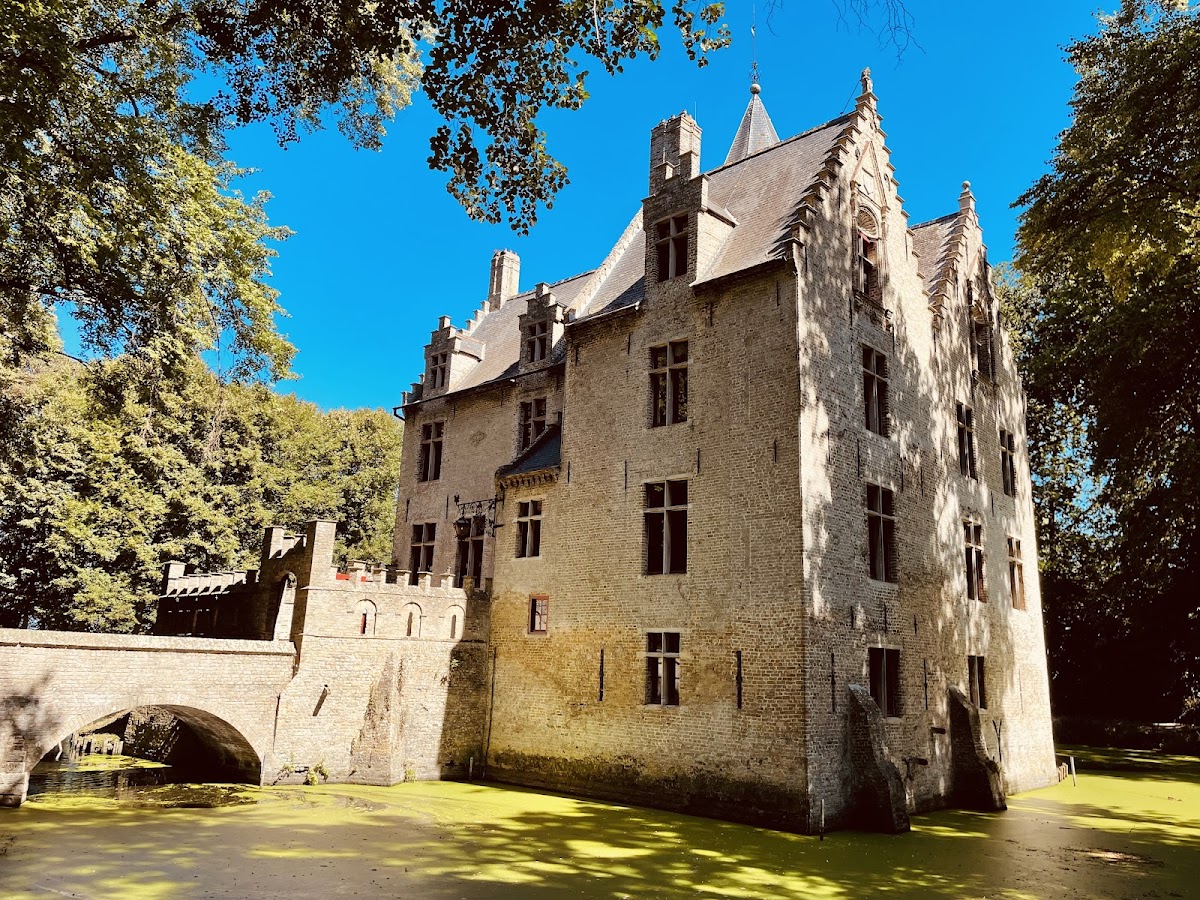
Beauvoorde Castle survives as a moated country residence in the Flemish Renaissance style. Its surrounding water gives the building the character of a water castle, while its classification as a hunting castle reflects its use as a rural residence associated with hunting rather than chiefly as a fortified military stronghold.
The present structure combines the rebuilding of the early seventeenth century with later expansion. Several sections of the earlier walls remain within the castle, linking the surviving building to the pre-1584 structure. In the nineteenth century, the castle was enlarged according to plans by Jozef Vinck, the city architect of Veurne.
Interiors and grounds
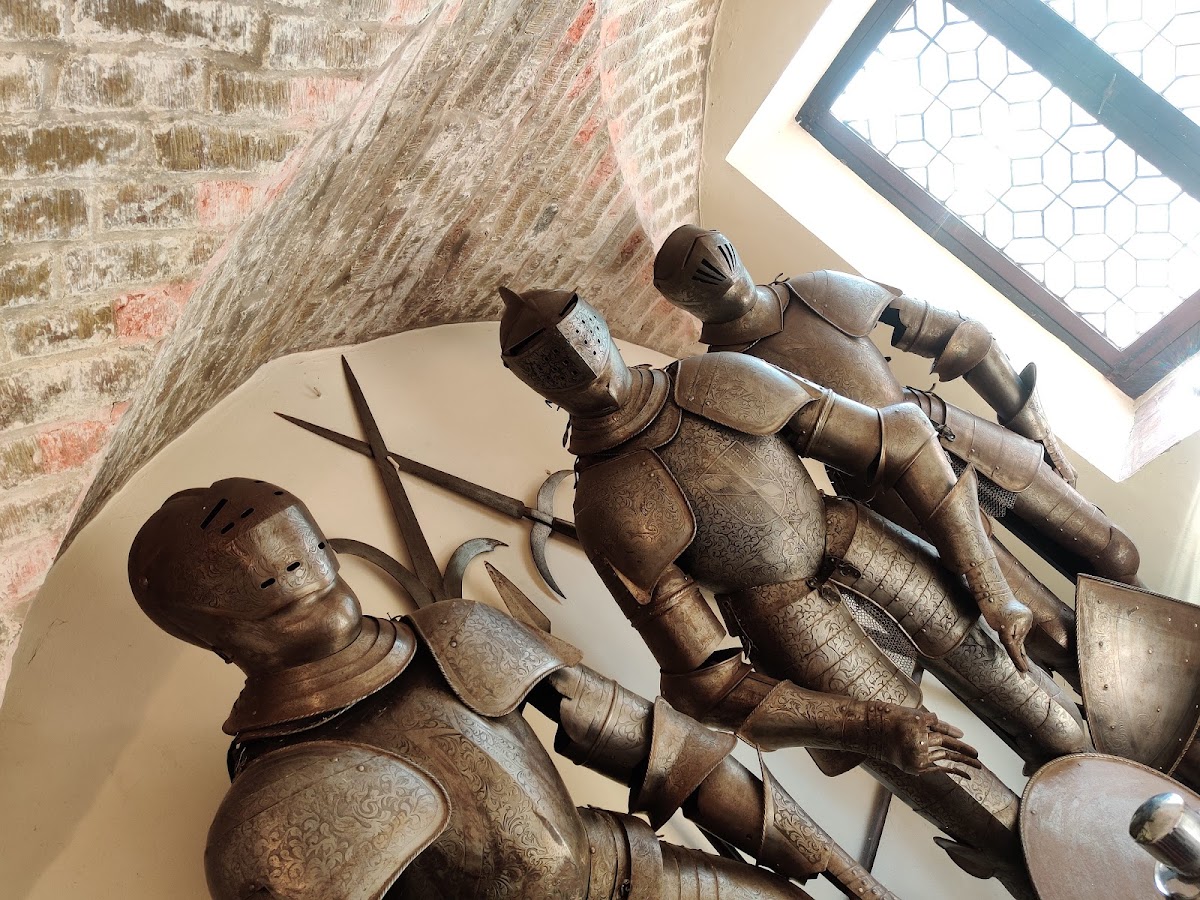
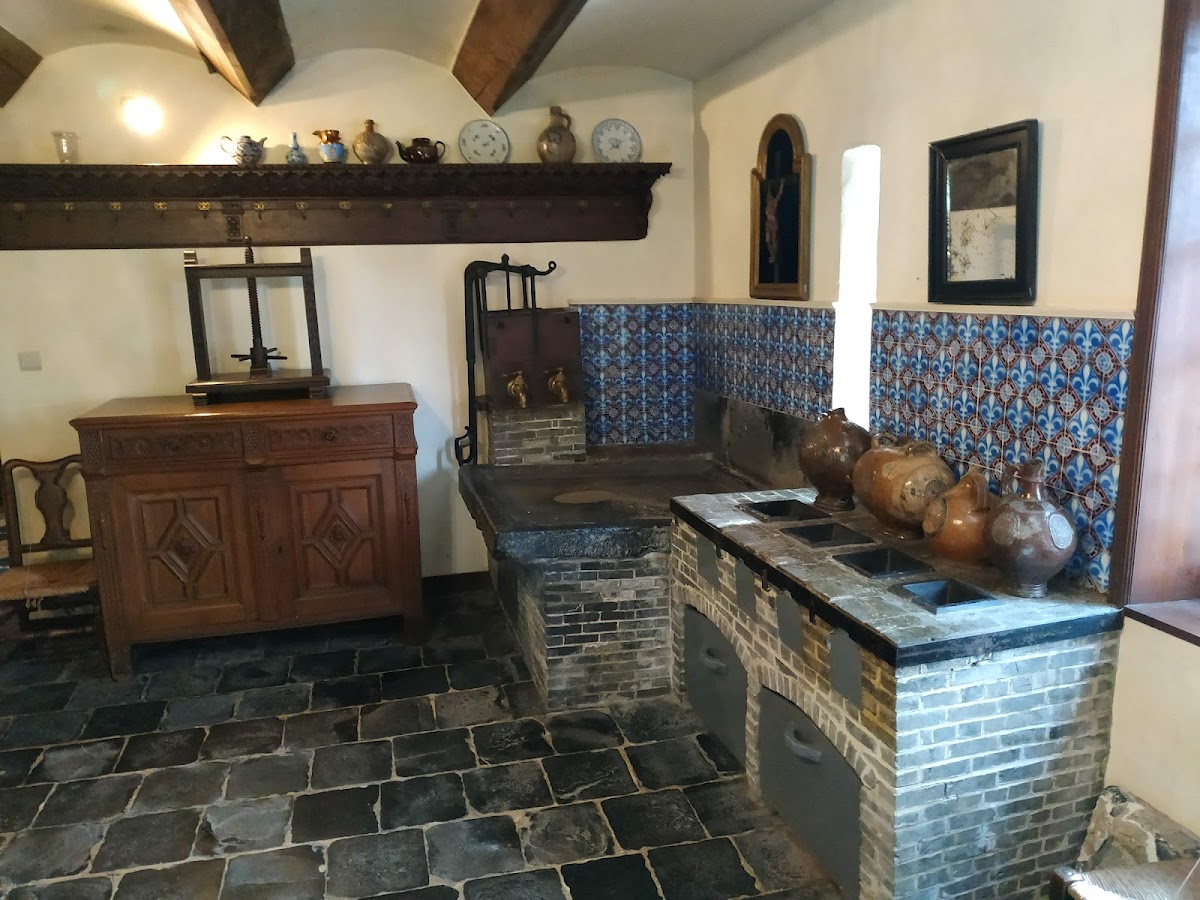
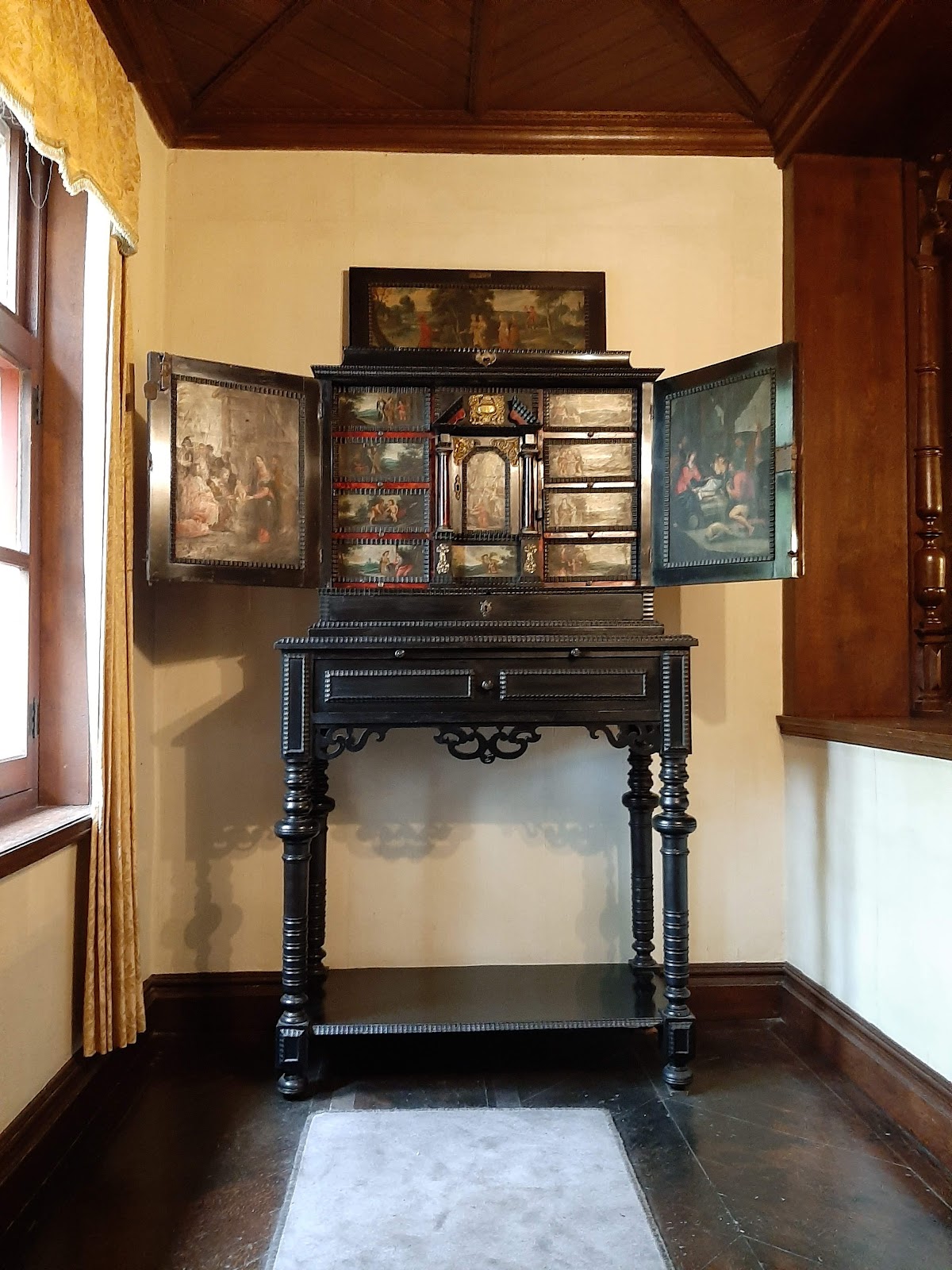
Merghelynck’s restoration shaped the interior arrangement that survives today. Seventeenth-century elements are combined with reproductions, and the furnishings were selected to create a period character within the reconstructed building. The grounds include a French-English garden laid out at Merghelynck’s direction, forming part of the designed setting around the castle.