Fort Amsterdam: A Dutch Colonial Fort on Sint Maarten
Site at a Glance
- Country
- Sint Maarten (Dutch part)
- Primary era
- Early Modern
- Eras represented
- Early Modern
- Civilizations
- Dutch
- Site type
- Military
- Remains
- Fort
On this page7 sections
History
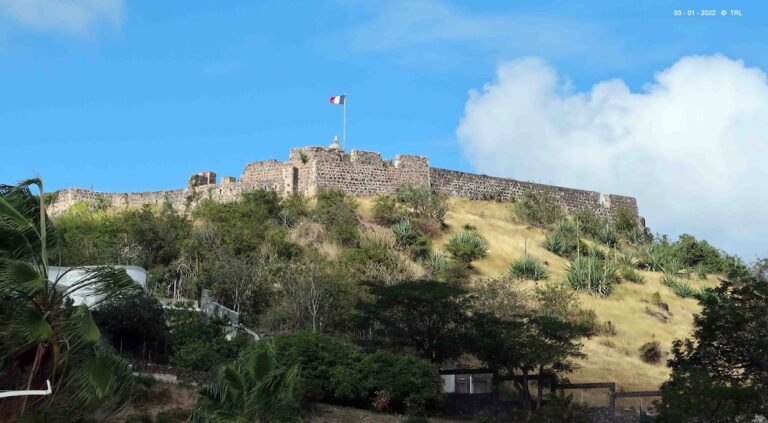
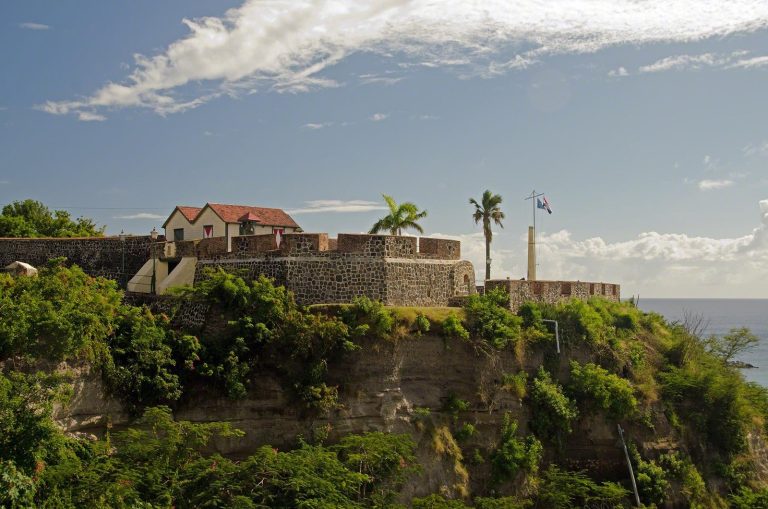
Fort Amsterdam is a Dutch colonial fort near Philipsburg on the Dutch side of Sint Maarten, built in 1631 to defend a colonial outpost and seaport. It was the first building erected by the Dutch in the Caribbean.
Indigenous and European Settlement
Arawak people inhabited the island from about the fifth or sixth century CE. Its European sighting is traditionally attributed to Christopher Columbus, a Genoese navigator sailing for Spain, on 11 November 1493. That date may instead refer to the island’s official appearance on a map, with the sighting itself possibly several days earlier.
Spain initially showed little interest in the island beyond its salt deposits. The Dutch established the island’s first colony and began producing salt, while also valuing its harbor as an anchorage on routes linking their colonies, including New Amsterdam, Pernambuco, and Brazil. The island’s strategic position helped prompt the fort’s construction.
Spanish Capture and the 1644 Assault
Spain captured Fort Amsterdam in 1633 and used it as a military outpost, supported from San Juan, Puerto Rico. In 1644, Dutch colonial administrator Peter Stuyvesant led about 800 men in an unsuccessful effort to retake it. The Dutch landed at Cay Bay, and Stuyvesant led an assault toward the northwestern rampart. A Spanish cannon shot struck his right leg; it was later amputated, and he used a wooden leg for the rest of his life. After his Caribbean service, he became governor of New Amsterdam, the Dutch settlement later known as New York.
Division of the Island and Dutch Rule
In 1648, the Treaty of Concordia divided the island into French and Dutch parts, and the fort returned to Dutch control as Spain’s occupation ended. The withdrawal coincided with the close of the Eighty Years’ War, the long conflict between the Dutch revolt and Spanish rule, conventionally dated from 1568 to 1648. The division of the island remains in force.
During the colonial era, the fort changed hands repeatedly among the Dutch, English, and French, although it was primarily Dutch. Commander John Philips strengthened it. The main Dutch settlement had been west of the fort at what is now Little Bay; Philips laid out Philipsburg to the east. The fort served as the government seat of the Dutch part of the island for 55 years, until the town hall, now the Courthouse, was completed. About 278 hectares around the fort are legally protected and recognized by BirdLife International as an Important Bird Area, a site identified as important for bird conservation.
Remains
The Fort
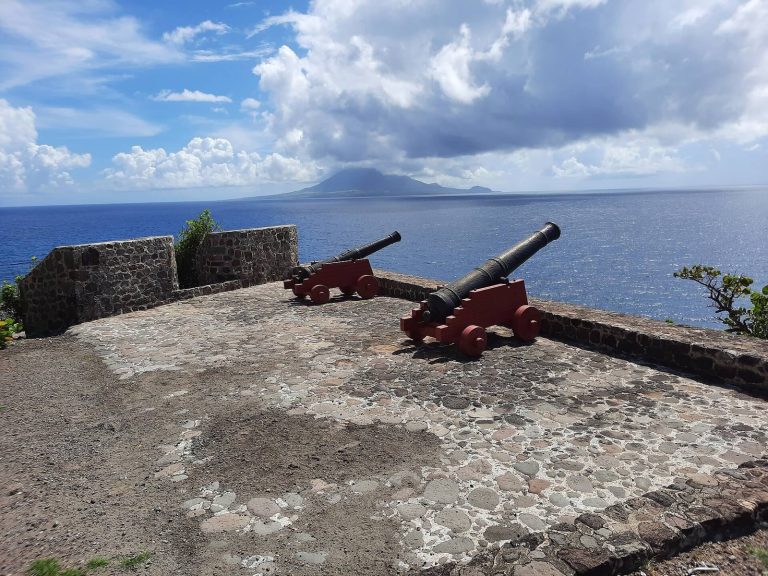
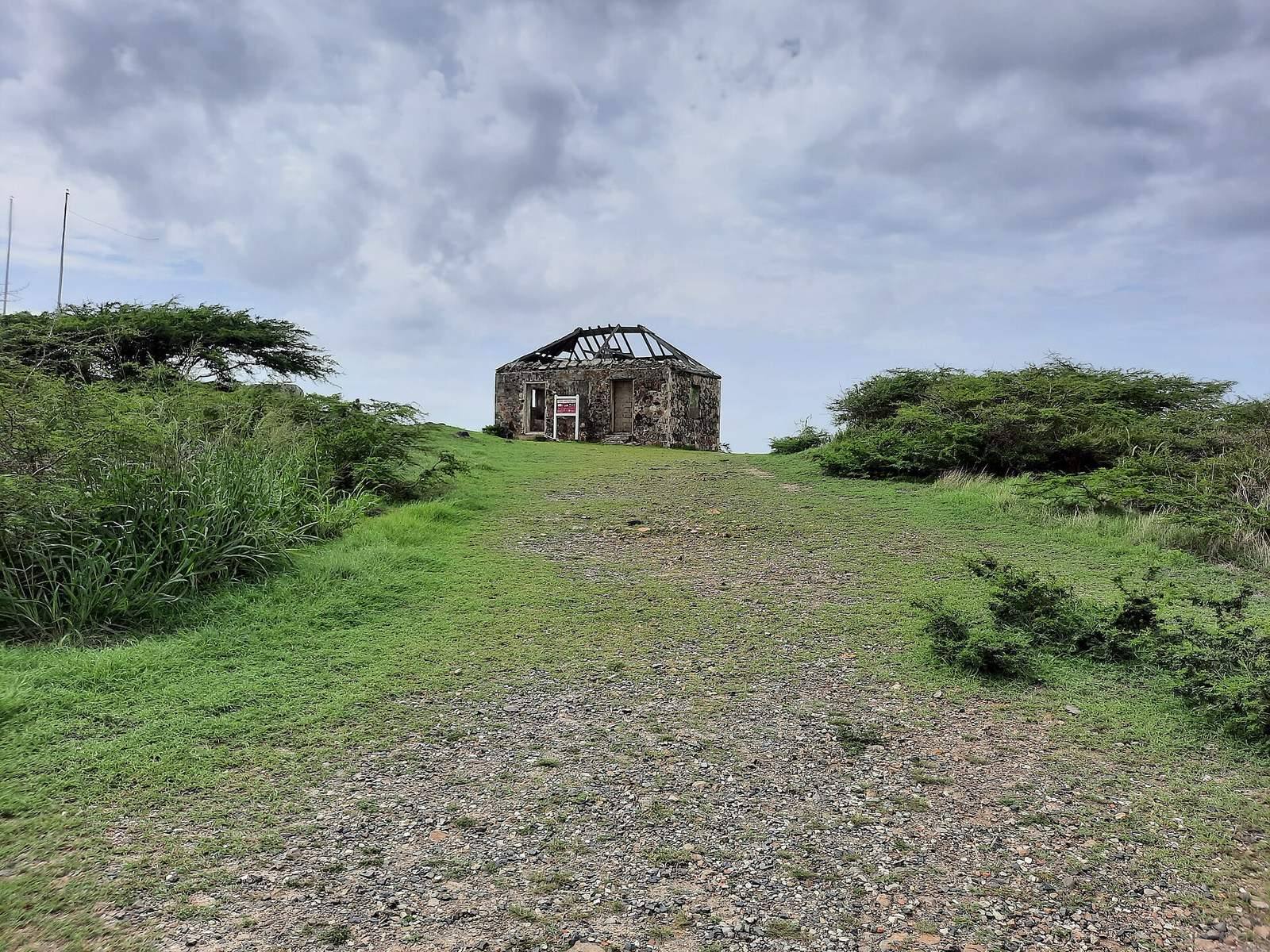
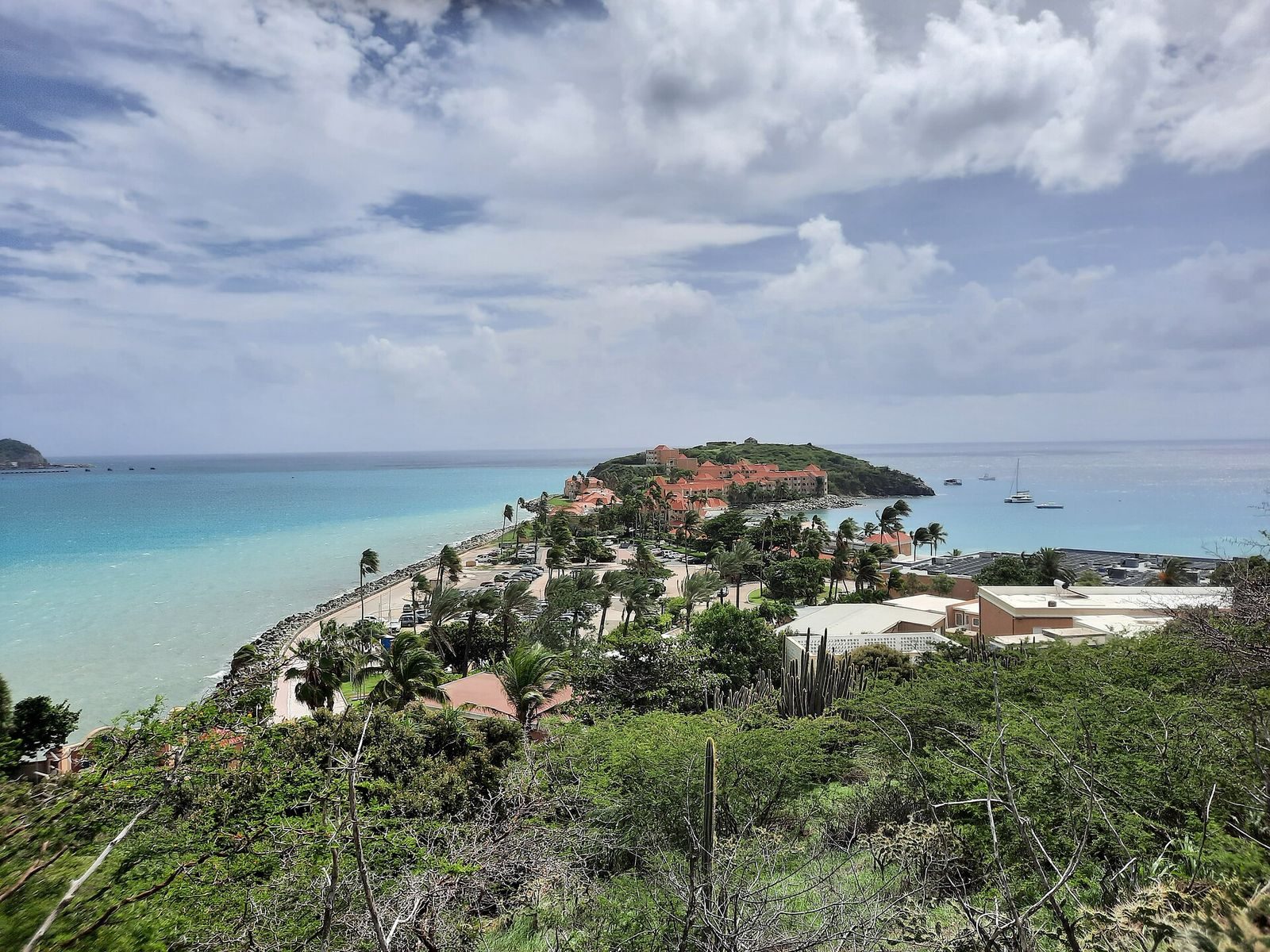
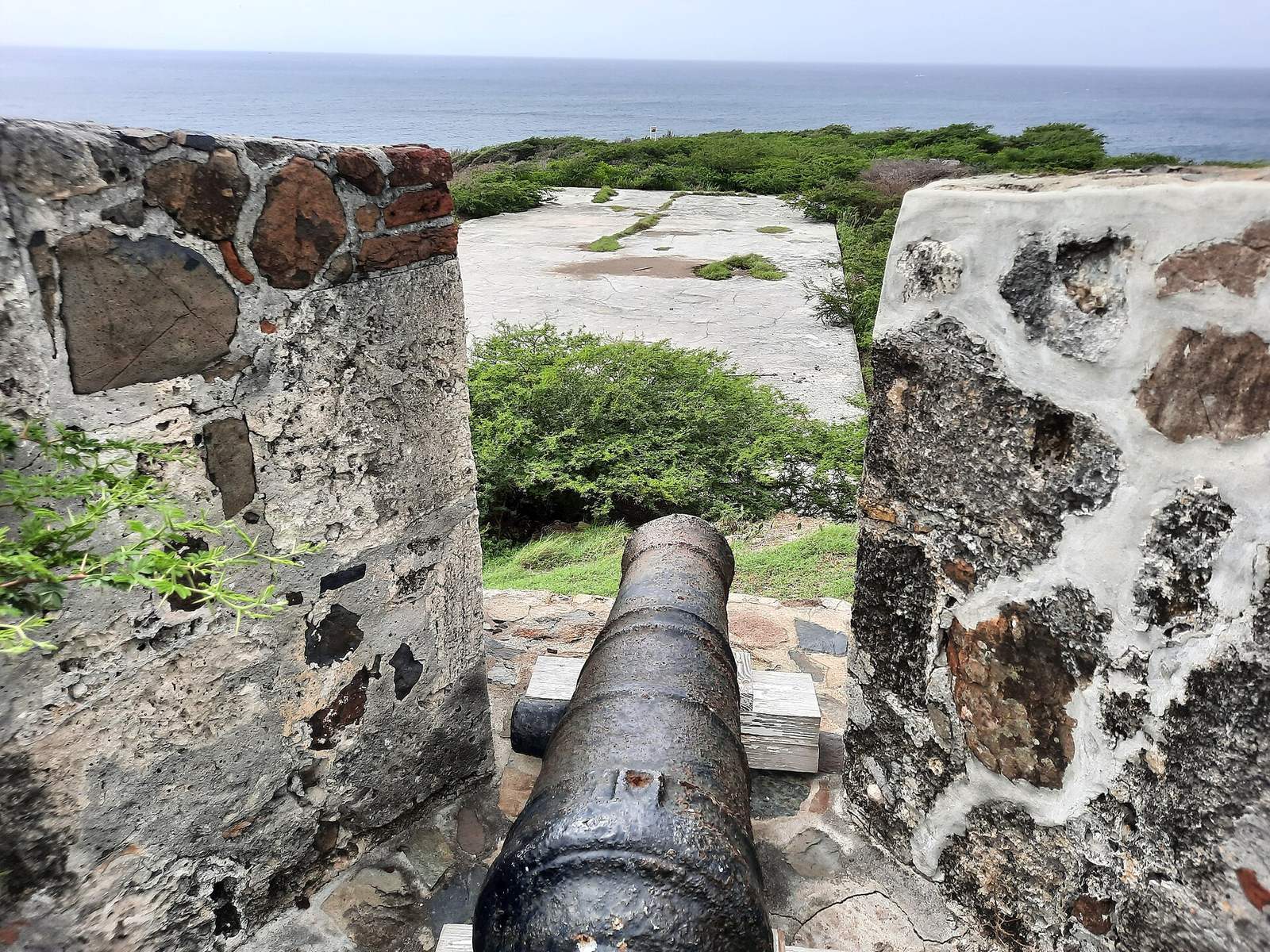
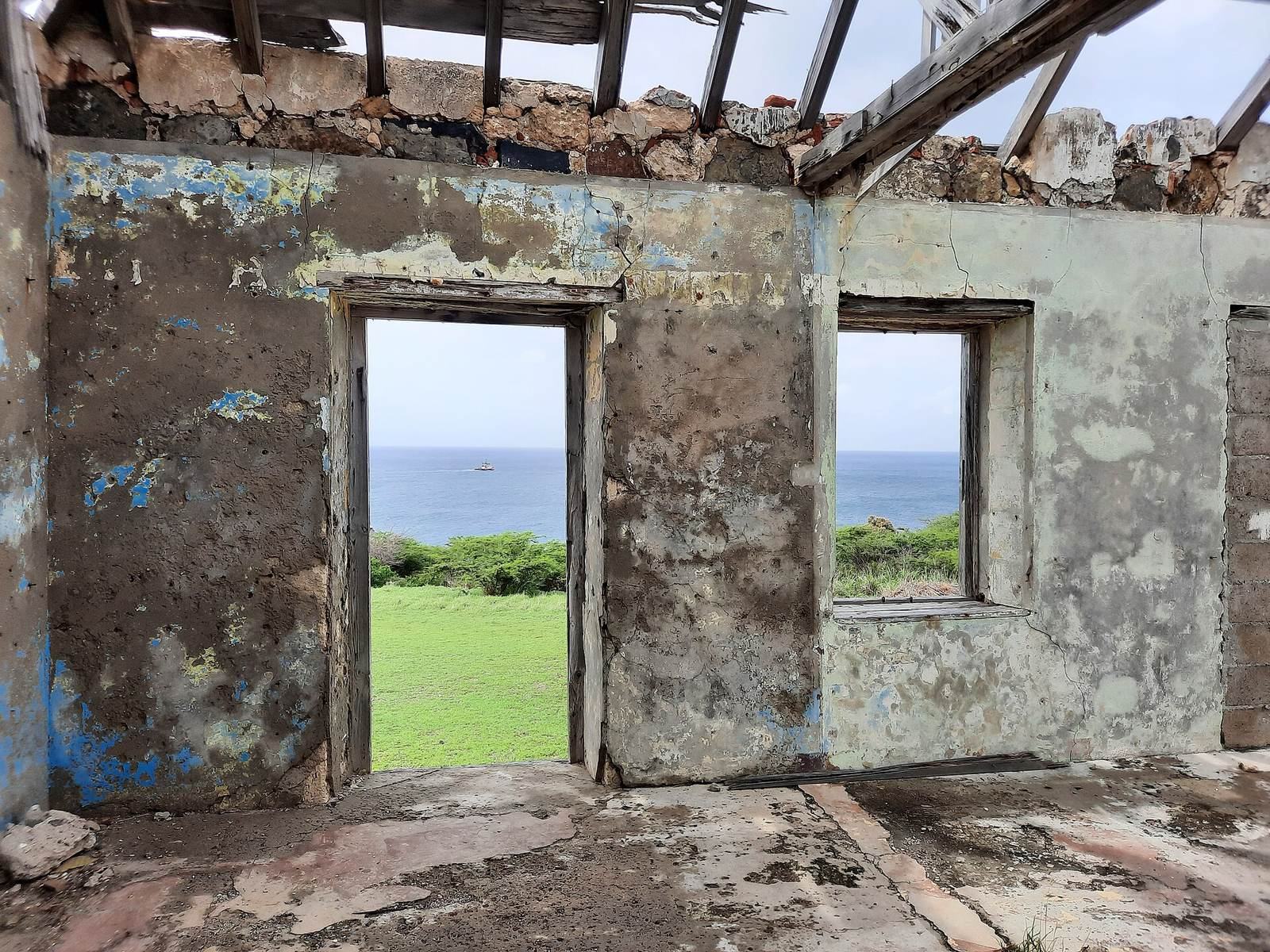
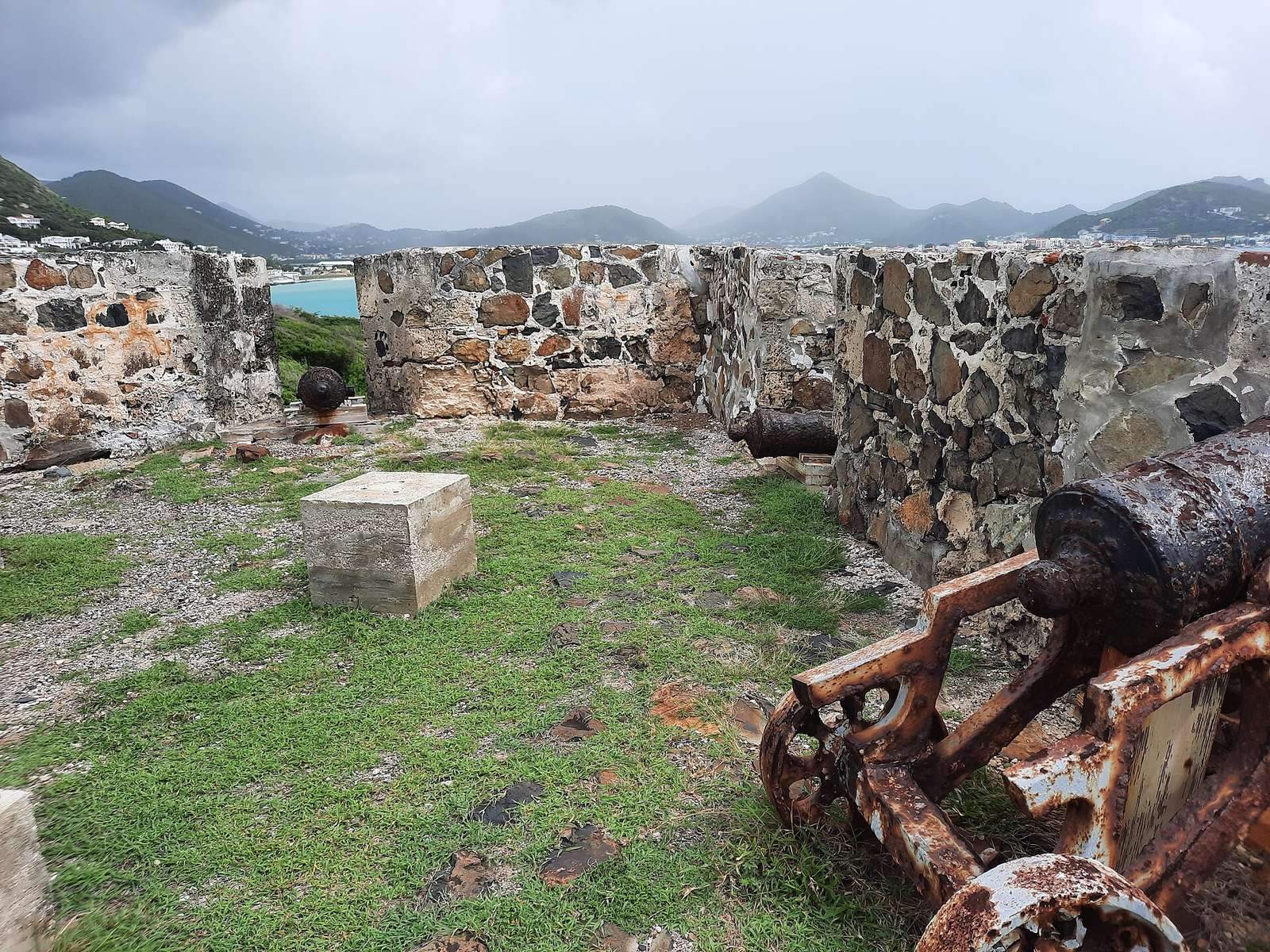
The small, triangular stone fort stands on a hilltop on a peninsula about 2.5 kilometres long between Great Bay and Little Bay, near Philipsburg. Its position affords a view over the harbor. Several ruins survive, and the fort is in a decaying, neglected condition, with no substantial reconstruction underway. Several rusting nineteenth-century cannons remain in place.
Peninsula and Wildlife
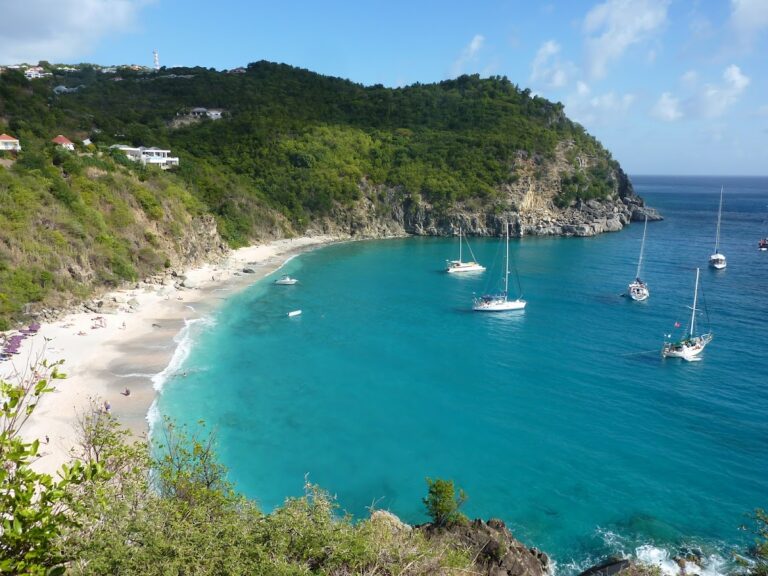
A breeding colony of brown pelicans occupies the west side of the peninsula, nesting on a slope below the fort. The colony has up to 60 nests. The neglected fort and the relative quiet of its surroundings provide habitat for the birds. Thorny scrubland, including Acacia macracantha and Acacia tortuosa, grows on the peninsula and can exceed two metres in height.