Caernarfon Town Walls: Medieval Defenses of a Planned Welsh Town
Site at a Glance
- Country
- United Kingdom
- Primary era
- Medieval
- Eras represented
- Medieval, Early Modern, Modern
- Civilizations
- British, English
- Site type
- Military
- Remains
- Wall
On this page14 sections
History
Before Edward I’s Conquest
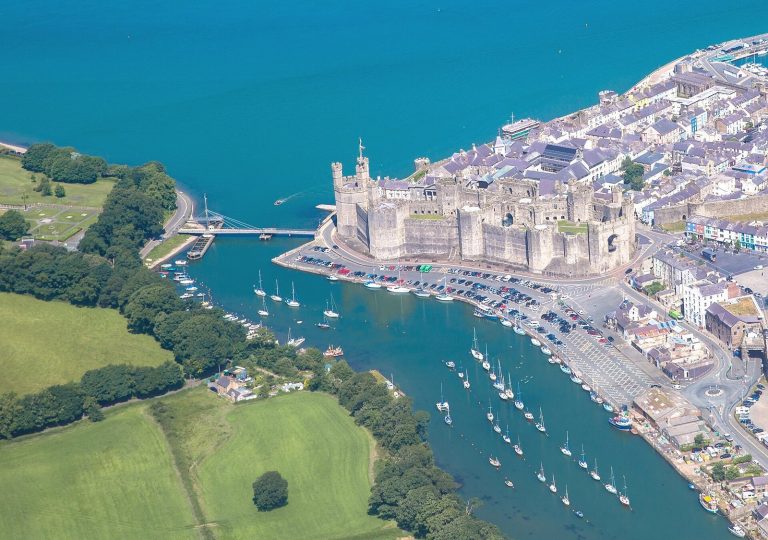
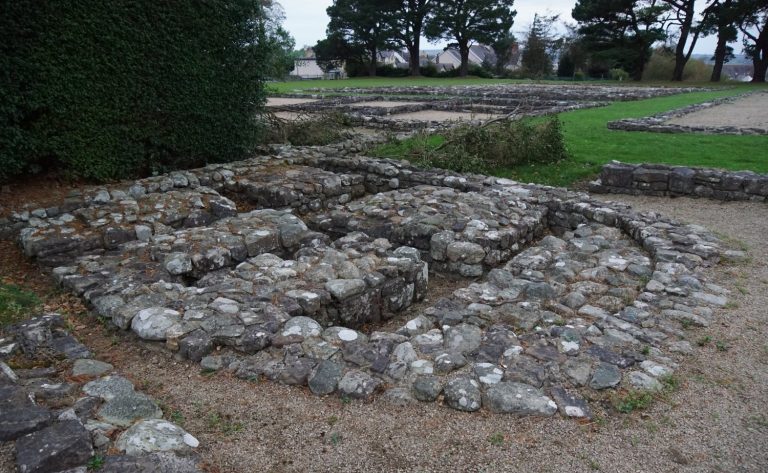
Caernarfon Town Walls are medieval fortifications in Caernarfon, Wales, United Kingdom. The area had a long history of occupation: Romans built the fort of Segontium, while Normans and Welsh princes were also present in the medieval period. Its cultural and political importance to the Welsh is reflected in the Mabinogion, a collection of medieval Welsh prose tales.
From the 1070s, English kings and Welsh princes fought for control of North Wales, with conflict intensifying in the thirteenth century. Edward I intervened in 1282 and had secured Caernarfon and the surrounding area by the summer of 1283.
Edward I’s Walled Town
Edward chose Caernarfon as the center of a new county and the capital of the principality of North Wales. He planned a castle and walled town to serve as an administrative center and a settlement for English immigrants. The project also asserted English authority. The walls were intended to help royal officials and immigrants settle in safety.
Construction took place alongside the castle from 1283 to 1292, under the overall supervision of Master James of Saint George, a leading architect in Edward’s service. Richard the Engineer assisted him in 1283-84. Walter of Hereford held a similar role from 1295 to 1308 and may also have supervised some earlier work. Laborers arrived from across England, gathered at Chester and were sent to Wales for the summer building seasons. Work advanced quickly but unevenly, and houses were demolished to make way for the defenses. The walls and gates were probably finished by 1292, at a cost of about £3,500.
In 1284 Edward appointed Otto de Grandson as Caernarfon’s constable, responsible for the castle’s security, and as justiciar of North Wales, a senior judicial and administrative official. These appointments placed the town at the center of regional security and government.
Rebellion and Repair
In 1294, during Madog ap Llywelyn’s rebellion against English rule, the rebels captured Caernarfon despite its defenses. The walls were badly damaged, and the still-incomplete castle was taken and burned. Edward regained the town in 1295 and ordered the walls repaired, spending about £1,195.
Later Medieval and Tudor Caernarfon
The new town attracted English settlers, especially from Cheshire and Lancashire, but remained modest in size. In 1298 it had 59 burgage holdings, properties held in return for rent to the Crown. This was fewer than in neighboring Conwy or Beaumaris, and the town’s fortunes did not improve during the fourteenth century.
During Owain Glyndŵr’s rebellion against English rule, the defenses held against attempts to capture Caernarfon in 1403 and 1404. The Tudor accession to the English throne in 1485 and subsequent changes in Welsh administration eased tensions between the Welsh and English, reducing the walls’ military importance. Welsh residents were allowed to live within the town from 1507.
Modern Changes and Protection
Around 1800, Caernarfon’s municipal corporation adapted the defenses for civic use. The town later expanded as slate commerce and the Chester-Holyhead railway contributed to growth during the nineteenth century. Buildings spread along both sides of the walls and covered parts of them. During the twentieth century the state gradually acquired the walls, and houses against them were demolished. Cadw, the Welsh Government’s historic-environment service, now cares for the site. The walls form part of the UNESCO World Heritage property Castles and Town Walls of King Edward in Gwynedd, inscribed in 1986, and are protected as a Grade I listed structure and scheduled monument.
Remains
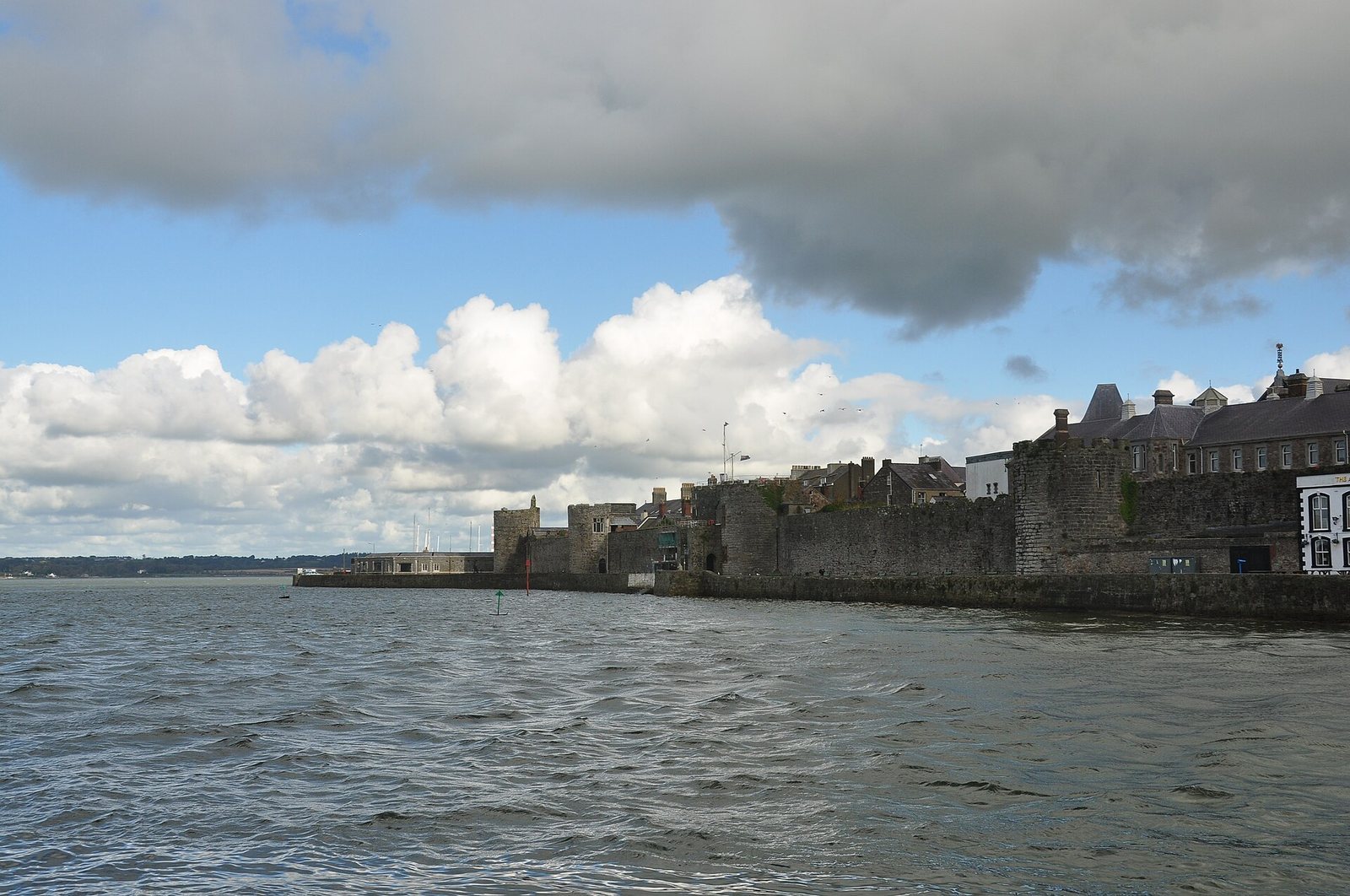
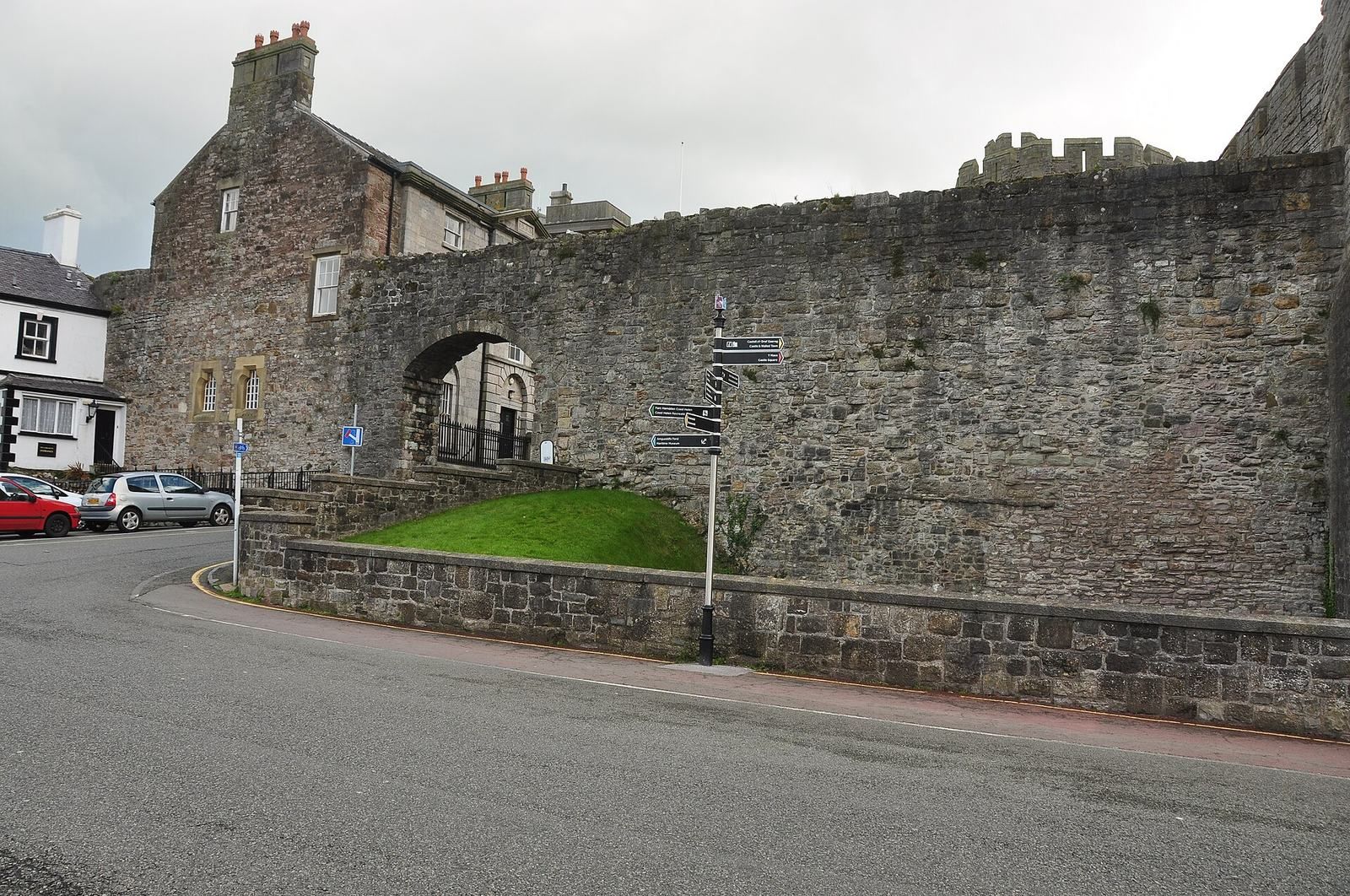
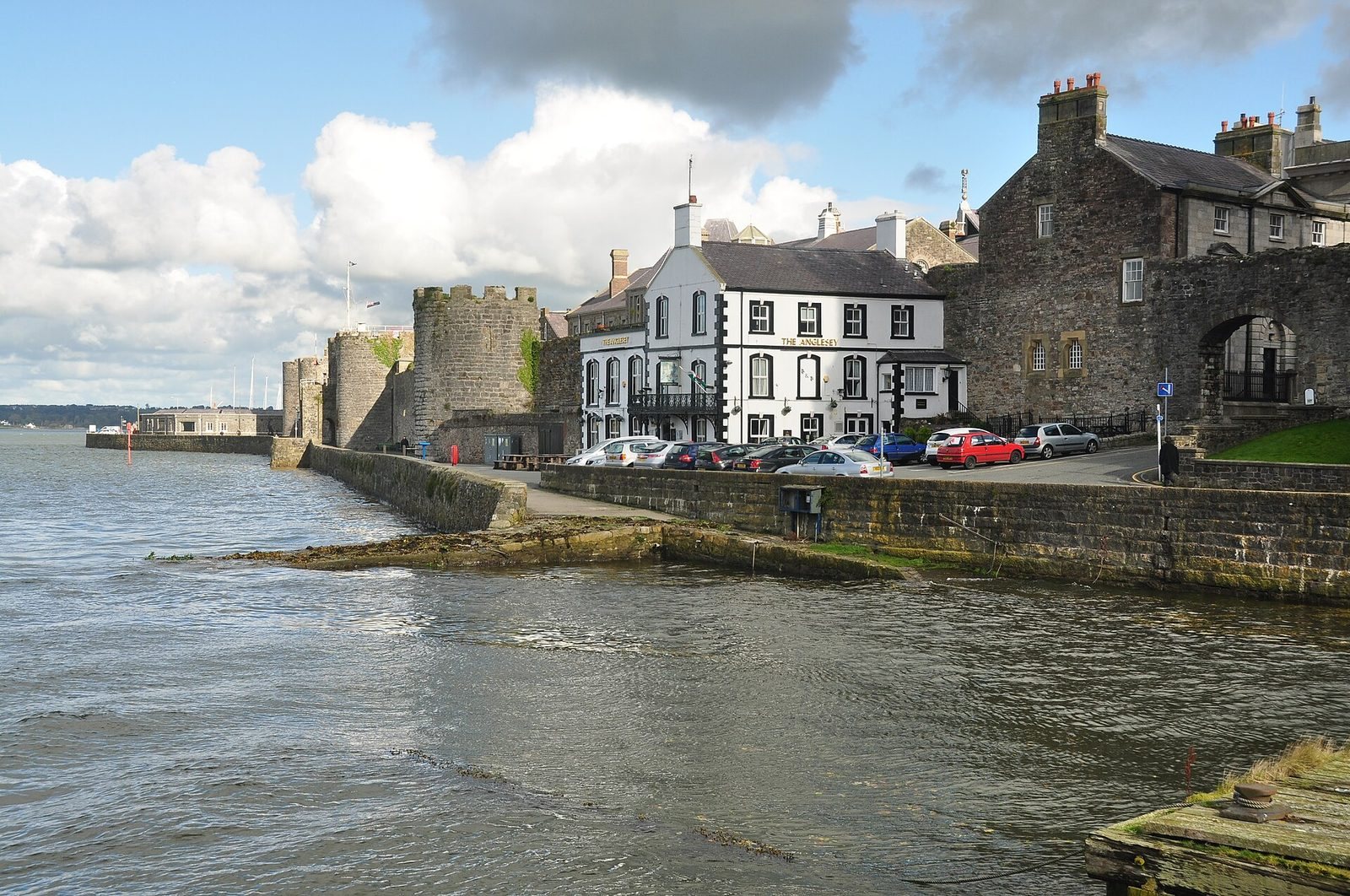
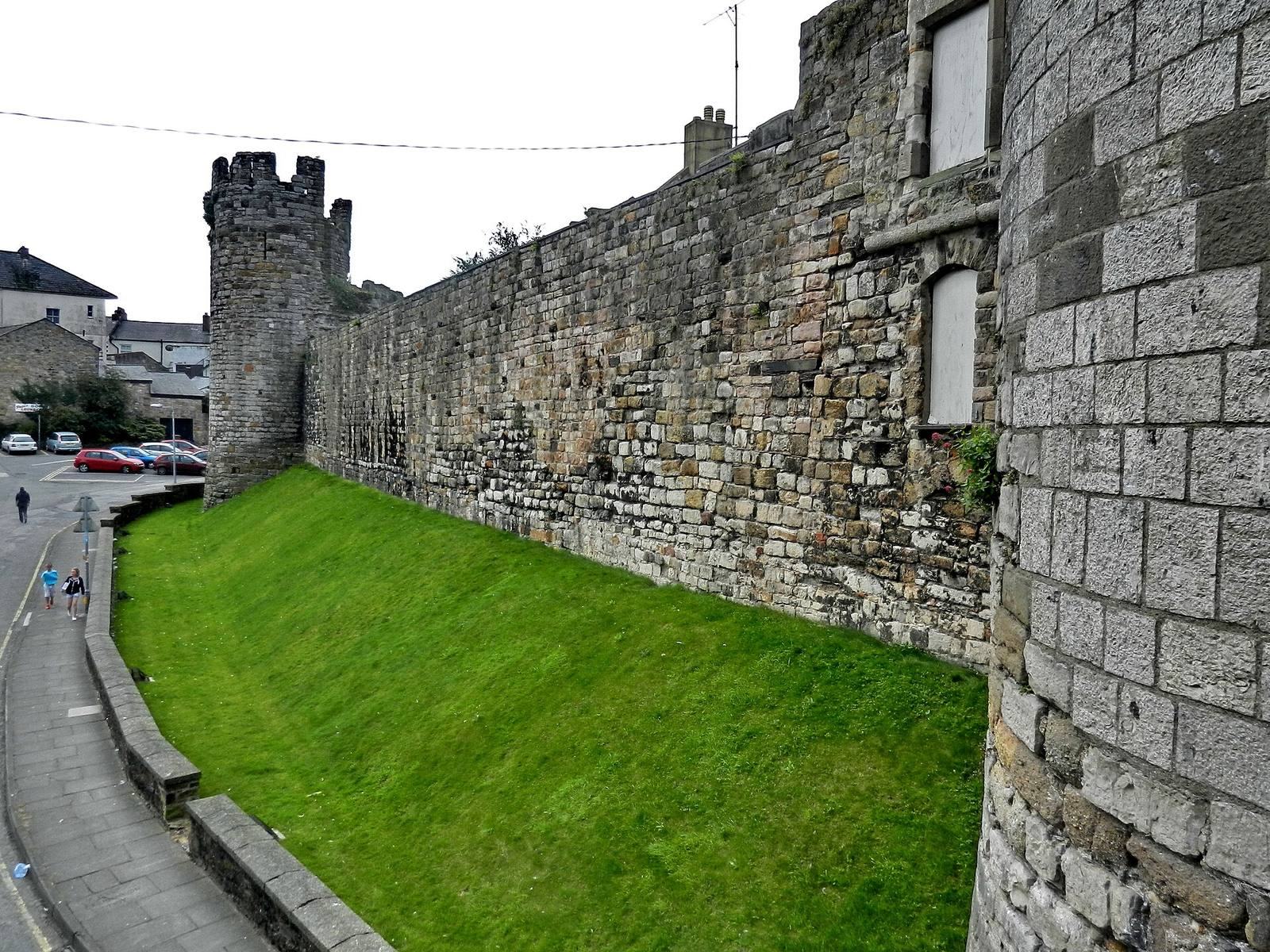
The walls form a continuous circuit 734 metres long, enclosing 4.18 hectares. Built mainly from Carboniferous limestone, a stone formed during the Carboniferous geological period, they are unusually well preserved. Eight towers punctuate the circuit. Most are open on the town-facing side, with no wall closing their inner face. Removable wooden bridges could originally be fitted across these openings to seal sections of the defenses.
Town Plan and Gates
West Gate
The West Gate faced the harbor and was one of the town’s two original entrances. In the medieval period it was also called the Golden Gate, or Porth-yr-Aur. The name evoked Constantinople’s principal gate and associations with Roman imperial and Arthurian power. A portcullis, a heavy barred gate that could be raised or lowered across an entrance, defended the gateway. Gothic features were added in the nineteenth century.
East Gate
The East Gate was the landward entrance and originally looked over the Cadnant River, which is now covered over. Its gatehouse accommodated official offices from the thirteenth century, first the royal exchequer, the Crown’s financial administration, then the town hall and later the guildhall, a guild building also used for civic business. The offices were removed in the 1960s. Eighteenth- and nineteenth-century building work left little of the original gatehouse apart from the medieval bases of its towers.
Later Entrances
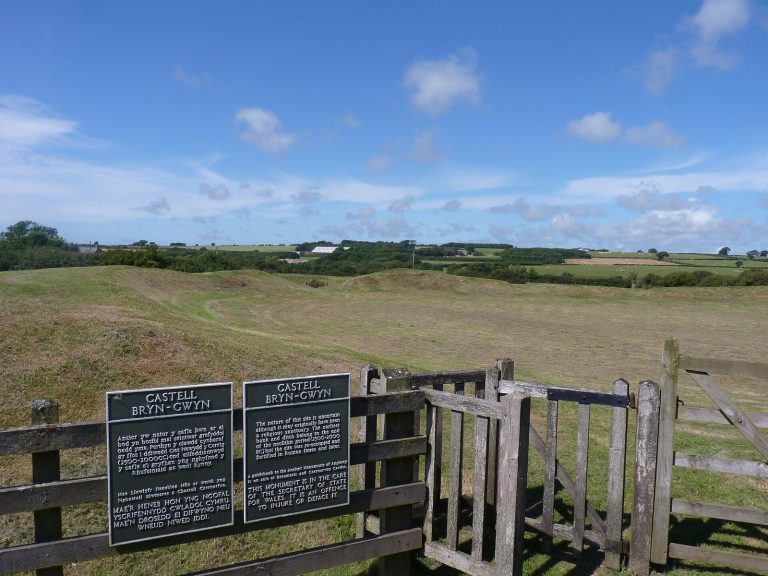
Northgate, Greengate and the entrance to Market Street were cut through the walls after the original gates were built. The town plan and defenses were adapted around the site of an earlier Norman castle just outside the walled town. Under Edward I, that site was used as a marketplace. The layout was once thought to follow the model of bastides, planned medieval towns often arranged around a regular street plan, but later research has emphasized the influence of English town planning.
Chapel and Reused Towers
Saint Mary’s Chapel
A chapel dedicated to Saint Mary was built into the defenses at the north-west corner during the fourteenth century. The circuit’s only fully circular tower serves as the chapel’s vestry, a room used by clergy and for ritual objects.
West-Side Towers
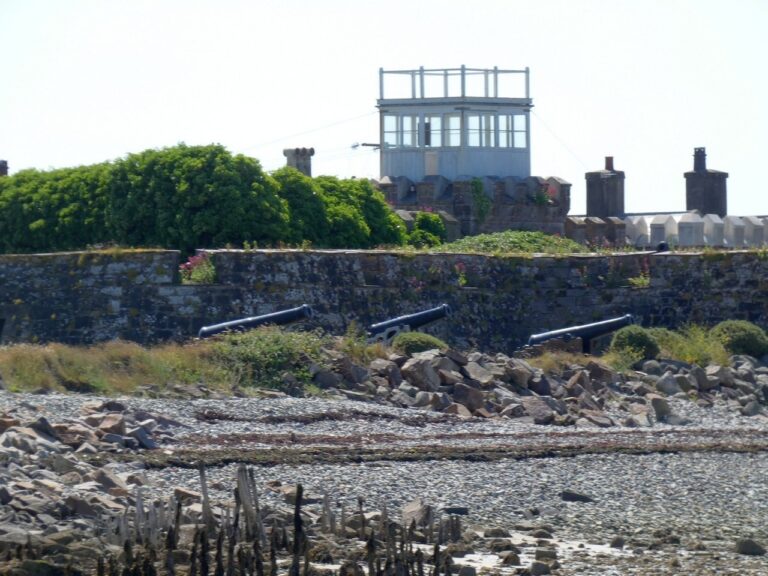
Several towers on the west side have been put to later uses. One forms part of the County Offices and was incorporated into the former County Gaol, or jail, in the nineteenth century. Another has been used by the Royal Welsh Yacht Club since the nineteenth century, while a third has been converted into a holiday home by the Landmark Trust.