Elvas: A Portuguese Garrison Town and Its Fortifications
Site at a Glance
- Country
- Portugal
- Primary era
- Early Modern
- Eras represented
- Early Modern, Modern
- Civilizations
- Portuguese
- Site type
- Military
- Remains
- Wall
On this page8 sections
History
Elvas is a fortified garrison town in Portugal, with a bastioned defensive system developed from the seventeenth through nineteenth centuries. Traces at Elvas reach back to the tenth century. Its position on the Portuguese-Spanish border, between Lisbon and Madrid, made it strategically important and helped drive the expansion of its defenses.
Portuguese independence and the fortification programme
Portugal restored its independence in 1640, ending the Iberian Union, a period in which Portugal and Spain shared a monarch. Work on Elvas’s surrounding fort belt began in 1643. The fortifications were designed by Joannes Cieremans, known as Cosmander, a Dutch Jesuit priest and military architect. His work drew on the theoretical writing of Samuel Marolois, associated with the early Dutch school of military design.
The fortified landscape reflects changes in Europe’s balance of power during the seventeenth century and the ambitions of European states to secure political autonomy and territory. It also illustrates the development of Dutch, Italian, French, and British military architecture and technology, in theory and practice.
Eighteenth-century expansion and garrison use
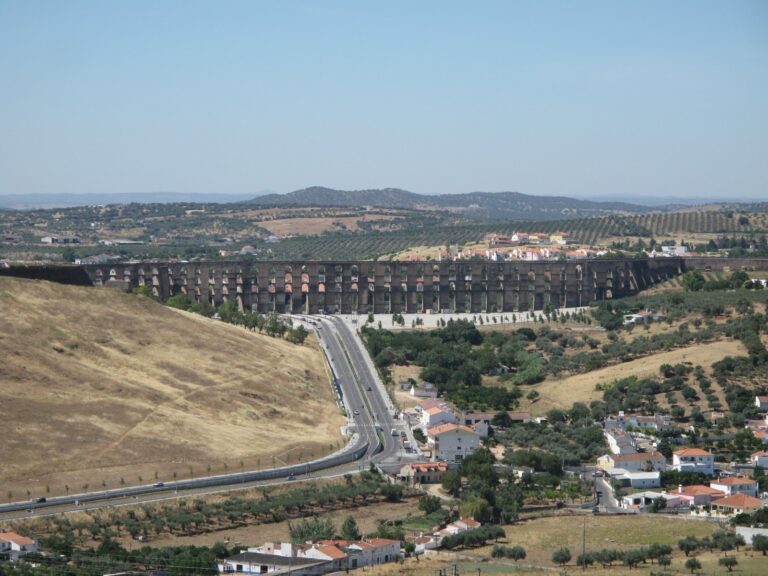
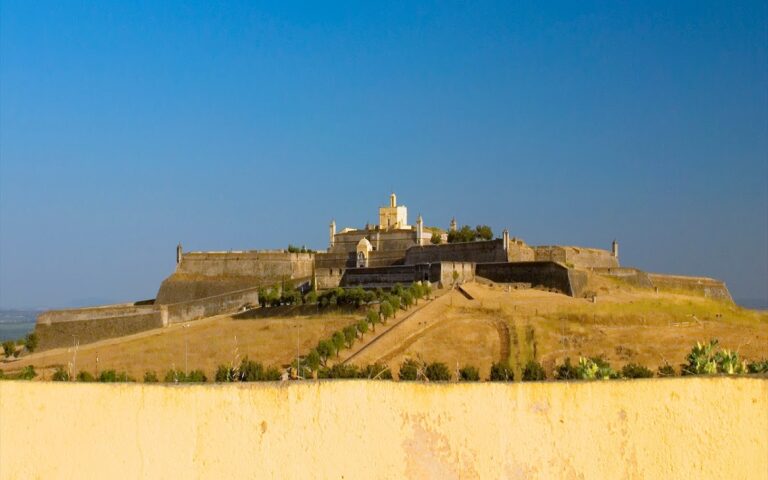
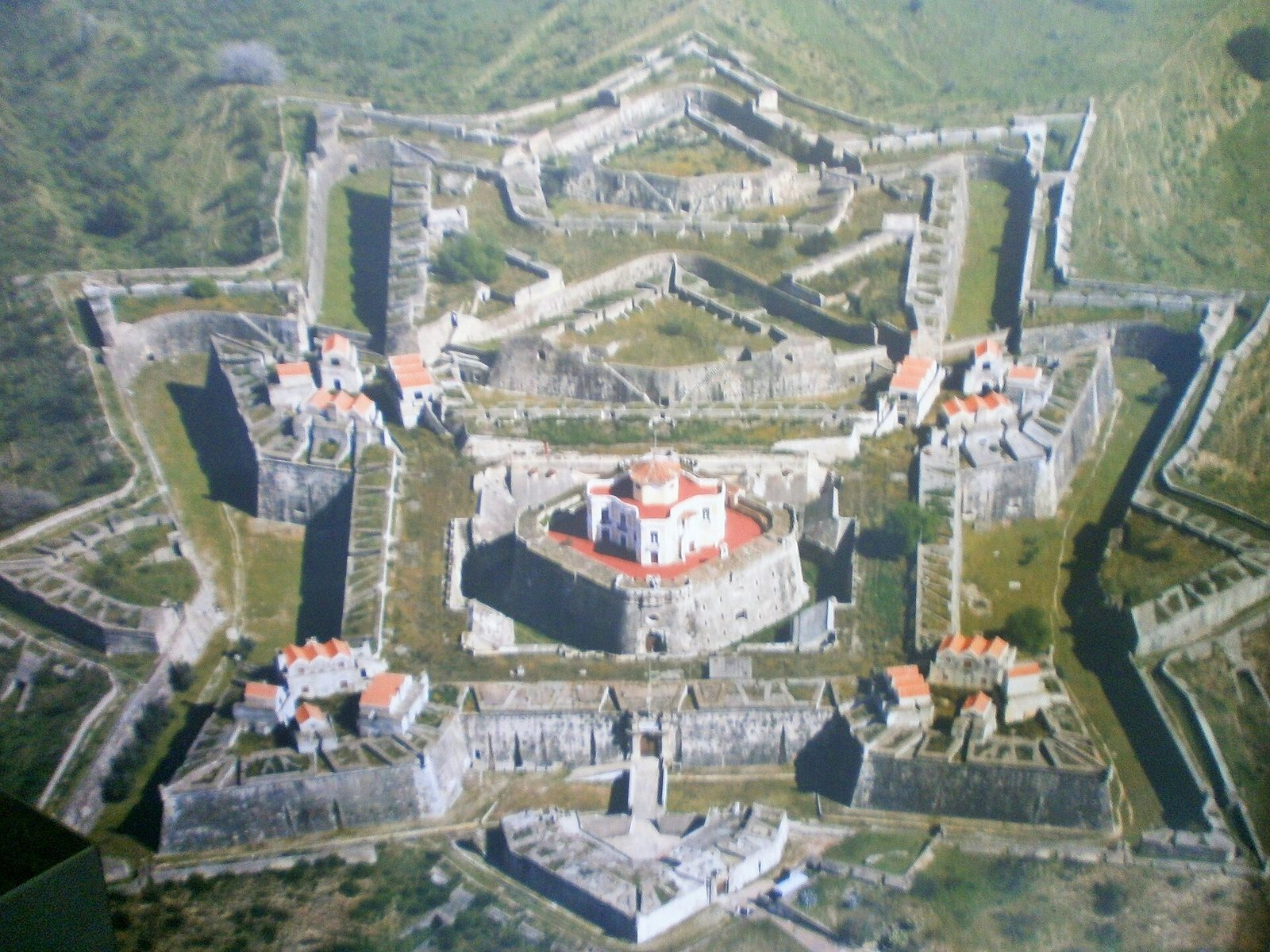
In the eighteenth century, Fort of Nossa Senhora da Graça and other forts west of the town were built as artillery gained range. Elvas served as both a garrison and a defensive stronghold. The Amoreira Aqueduct helped the town withstand prolonged sieges by supplying water during them.
Heritage recognition
Elvas became a UNESCO World Heritage property in 2012. Its listing under criterion (iv) recognizes ensembles or landscapes that illustrate important stages in human history; the listed area covers 179 hectares. Portugal designated the site a National Monument in 2013.
Remains
The surviving ensemble links a fortified town with a belt of forts on the surrounding hills. Its bastioned defenses, projecting sections of defensive wall, form part of a system that is the world’s largest surviving example of its type.
The outer forts
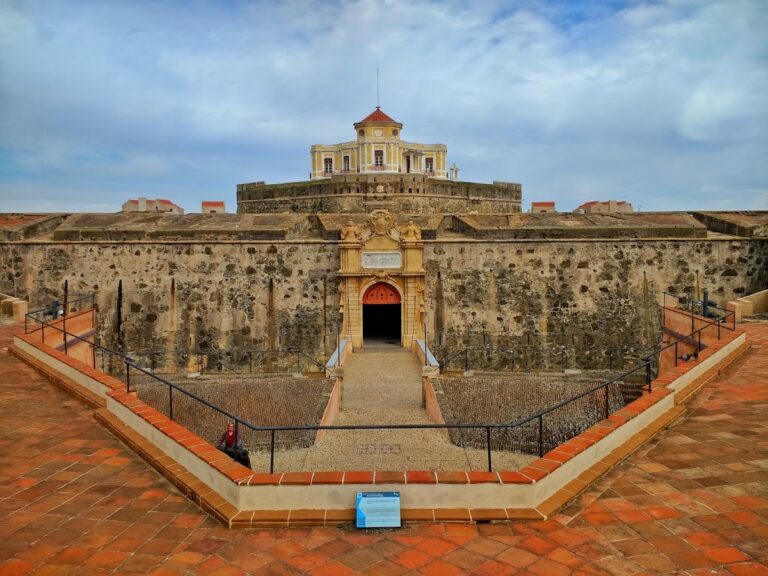
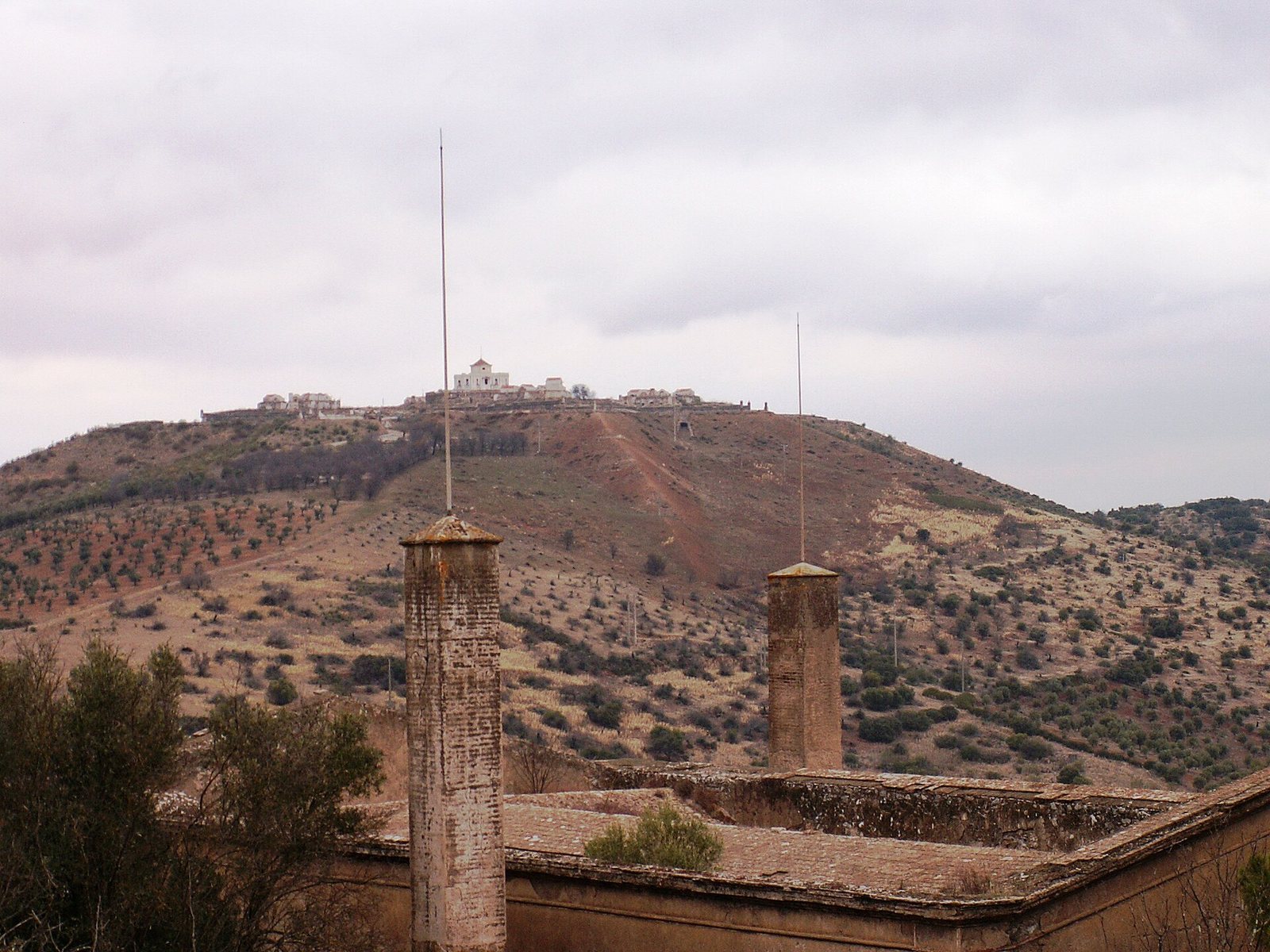
Twelve forts are arranged in an irregular polygon around the central castle. Named components include Forts Santa Luzia and Nossa Senhora da Graça, and the smaller forts of São Mamede, São Pedro, São Domingos, São Francisco, and São Magno. Fort Santa Luzia has an entrance gate and is overlooked by a governor’s house; Fort Nossa Senhora da Graça also has a gate. The system includes exceptionally well-preserved examples of Dutch military fortification.
The bastioned town enclosure
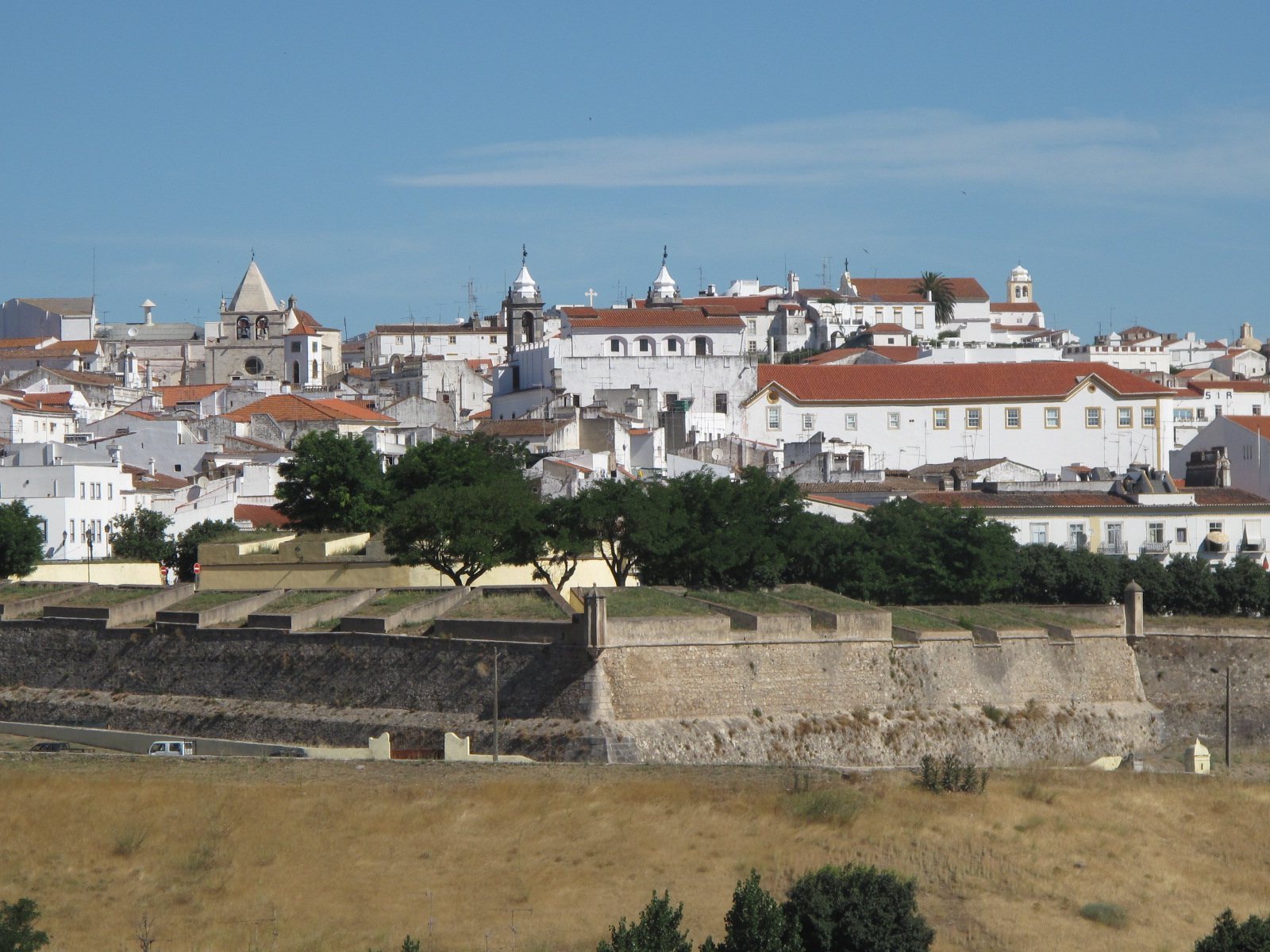
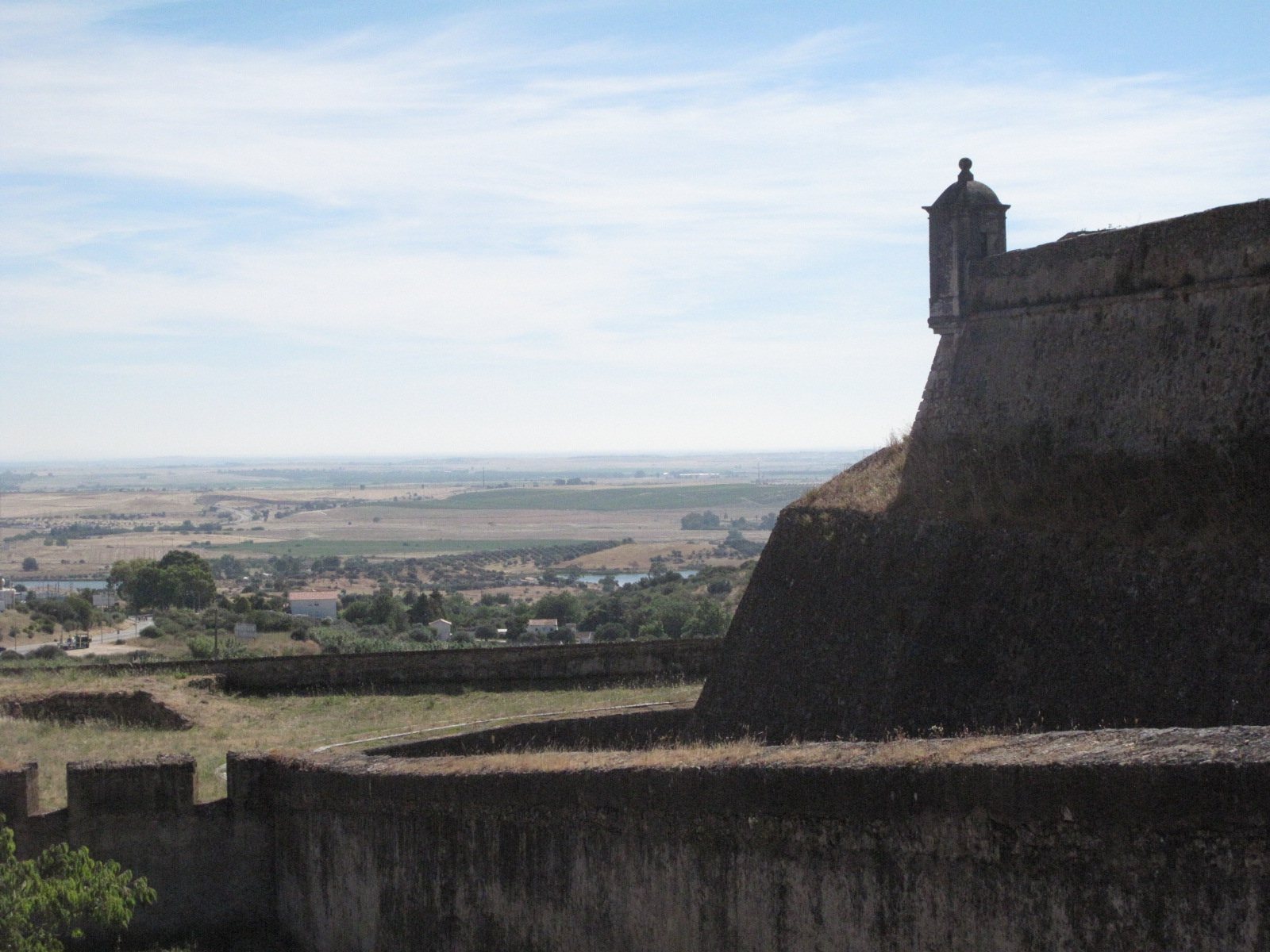
The polygonal enclosure extends about four kilometres and has seven bastions, or projecting sections of defensive wall, and four half-bastions. Its steeply sloped defenses are protected by a dry moat, a counterscarp wall facing the outer side of the ditch, and several ravelins, outworks set in front of a fortification. Monumental entrances stand at São Vicente, Olivença, and da Esquina. The São Vicente gate is associated with a fixed bridge, while the Olivença bastion has a sentry turret.
The historic centre and aqueduct
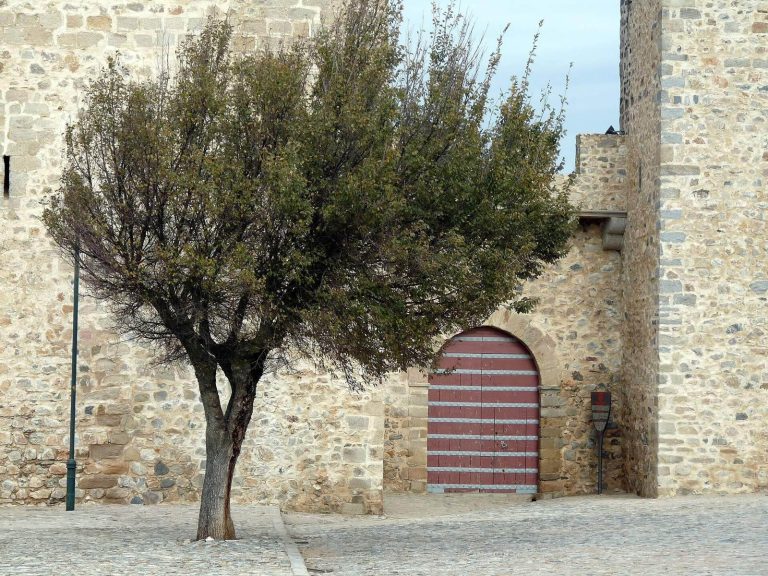
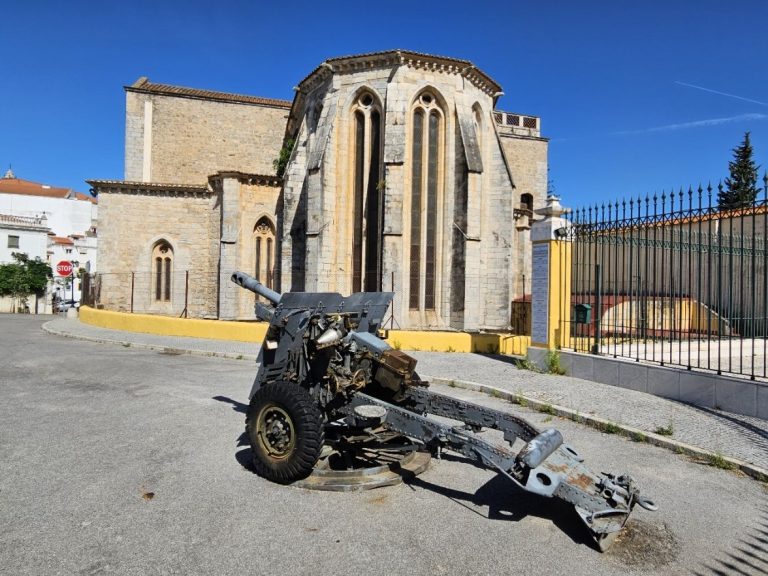
Elvas Castle, the fortified enclosure, and the town walls form the core of the historic centre. Inside the walls are military barracks and other military buildings, alongside churches and monasteries, some of which also had military functions. The Amoreira Aqueduct is part of the surviving site.