Lascaris Battery: A British Artillery Fortification in Valletta, Malta
Site at a Glance
- Country
- Malta
- Primary era
- Modern
- Eras represented
- Modern
- Civilizations
- British
- Site type
- Military
- Remains
- Fort
On this page7 sections
History
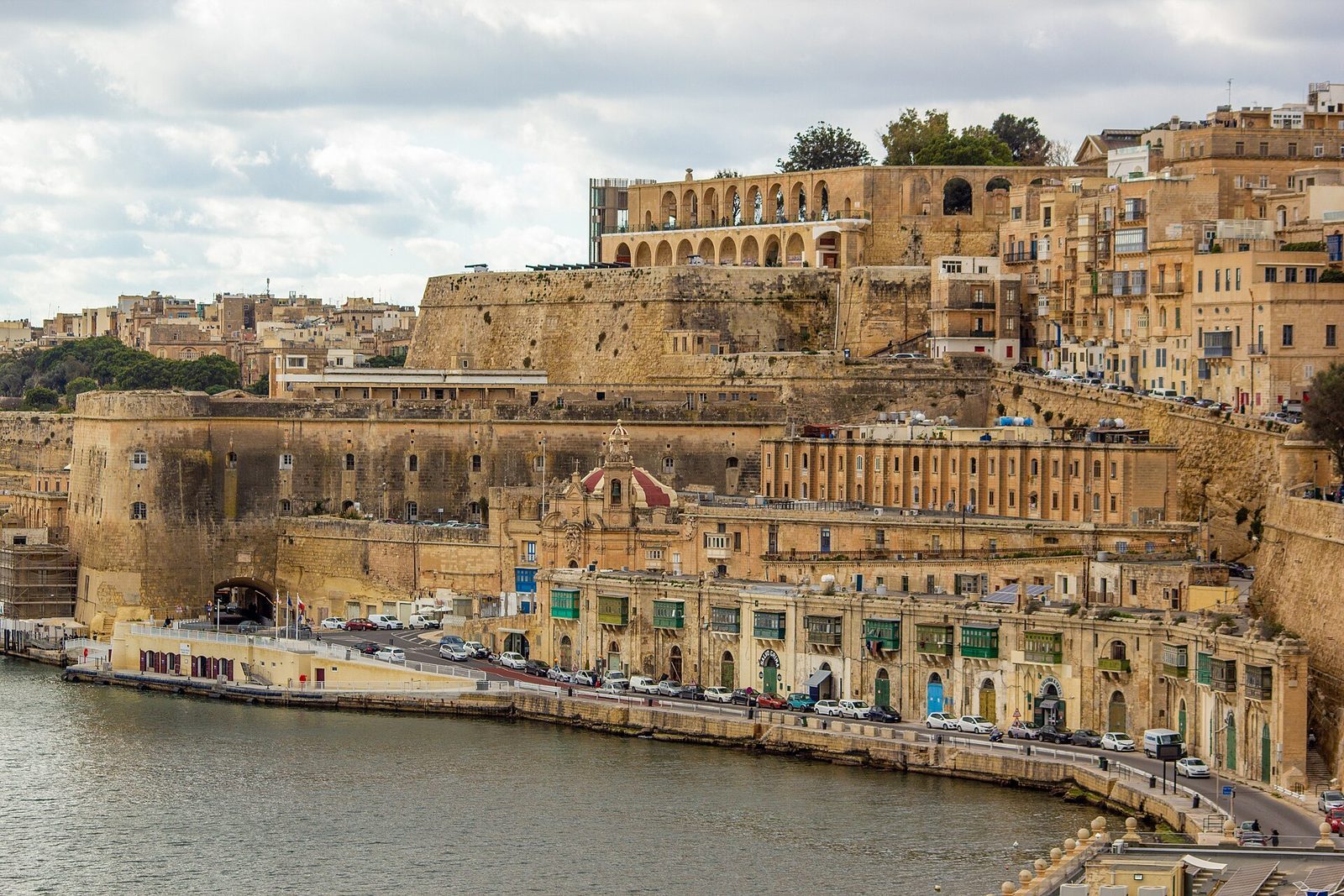
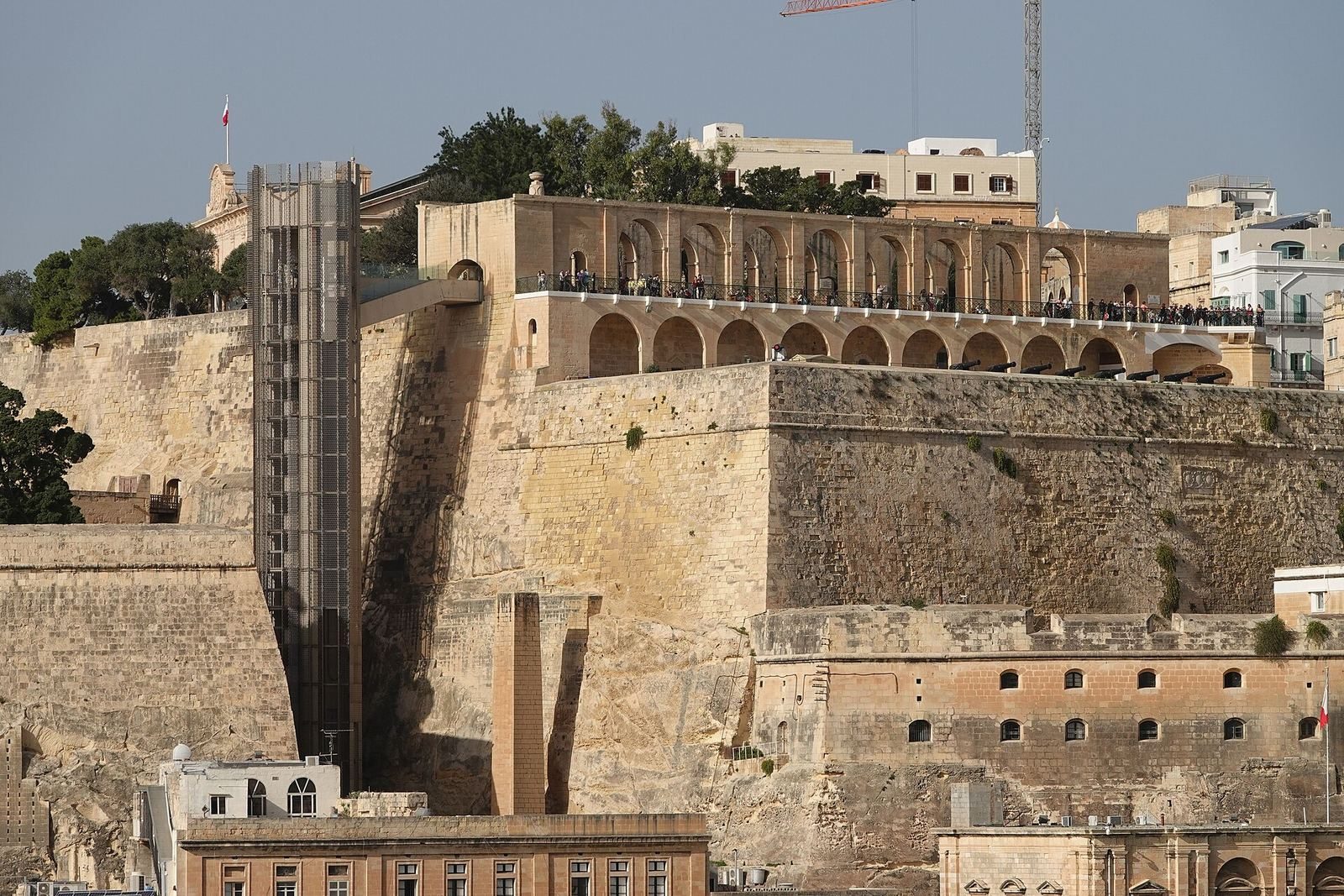
Lascaris Battery is a British artillery battery on the east side of Valletta, Malta, built between 1854 and 1856 as part of the city’s fortifications. It formed part of the defences intended to protect Grand Harbour from ships seeking to enter it.
British Rule and Construction
After taking control of Malta in 1800, the British continued to use fortifications built by the Order of St John, a religious and military order that had governed the islands, with few changes. They relied chiefly on the Royal Navy, the United Kingdom’s naval service, to deter invasion. Governor Sir William Reid later ordered additional gun batteries inside Grand Harbour to stop ships that might pass Fort St Elmo and Fort St Angelo and enter the harbour. Lascaris Battery formed part of this defence.
The battery was built on the site of a garden established by Giovanni Paolo Lascaris, a seventeenth-century Grand Master, or head, of the Order of St John. It takes its name from him.
Later Military Use and the Second World War
From 1868, the battery’s casemates were converted into barracks. By the time its original guns had become obsolete, its design was considered outdated and unable to defend against modern artillery.
During the Second World War, the Lascaris War Rooms were established close to the battery. They served as Britain’s secret headquarters for the defence of Malta, then as the Allied headquarters for the invasion of Sicily in mid-1943. On 24 December 1941, an air raid damaged the battery, Upper Barrakka Gardens and the Saluting Battery.
Remains
Battery Layout and Construction
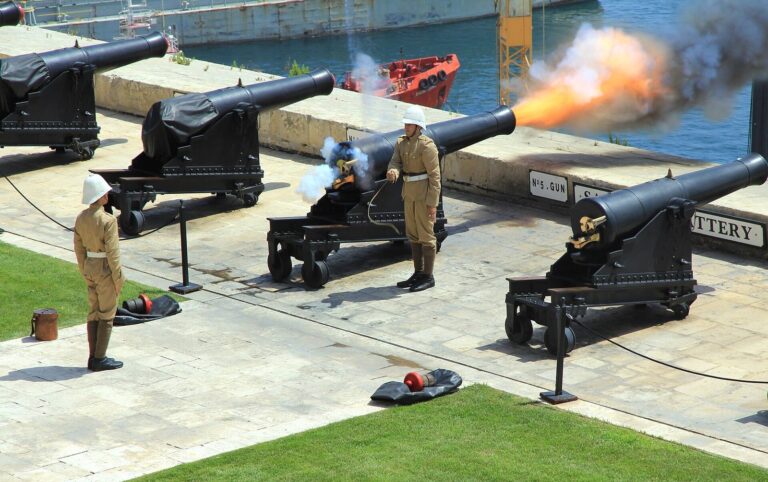
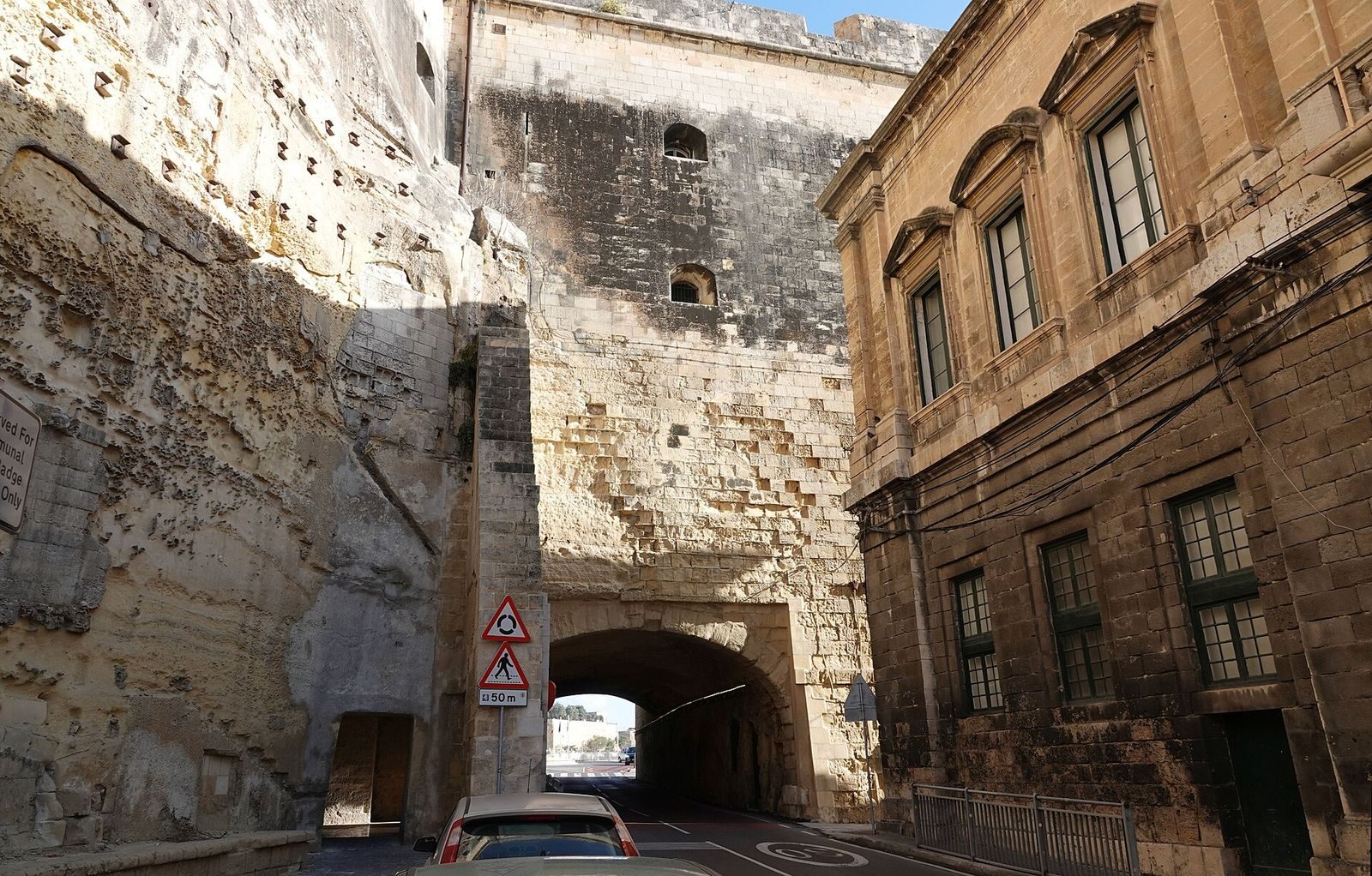
Built of limestone, the battery has an irregular trapezoidal plan with rounded corners and connects to the earlier St Peter and Paul Bastion, part of Valletta’s landward defensive line. A high bastion lies on the harbour side of that earlier work, below the rectangular Saluting Battery, an artillery position used for ceremonial salutes. Within the bastion is a parade ground, faced by open galleries on two-storey casemates, fortified chambers. A shooting platform projects from the battery’s right flank. The battery remains intact, and parts damaged in the 1941 air raid were rebuilt.
Guns and Powder Store
In the early 1860s, the battery was equipped with fourteen 8-inch, 9-ton rifled muzzle-loading guns, loaded through the barrel’s mouth and fitted with grooved barrels. Four 10-inch, 18-ton guns of the same type stood on the left flank, while three 10-inch howitzers occupied an additional platform beneath the left flank of the Saluting Battery. In 1884, seven 64-pounder guns weighing 64 hundredweight each were installed in casemates protected by a wall about 1.3 m thick. After these guns became obsolete, a 9-inch, 12-ton gun was mounted in an exposed position on an open barbette, where it fired over a parapet. The powder store held 30,500 pounds (13,800 kg) of powder and had protective walls and a roof about 3 m thick.
Lascaris War Rooms
The War Rooms consist of tunnels and chambers cut into the rock beneath Upper Barrakka Gardens and the battery’s casemates. The network lies about 46 m below Upper Barrakka Gardens and the Saluting Battery.