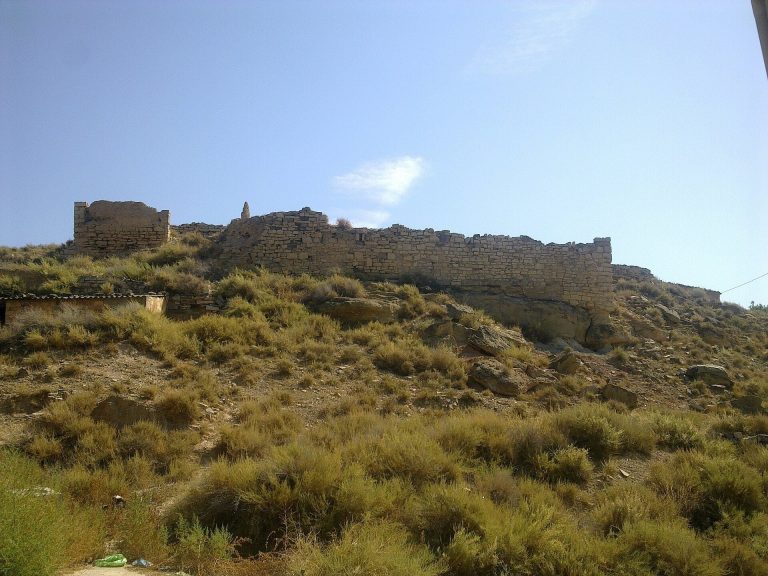
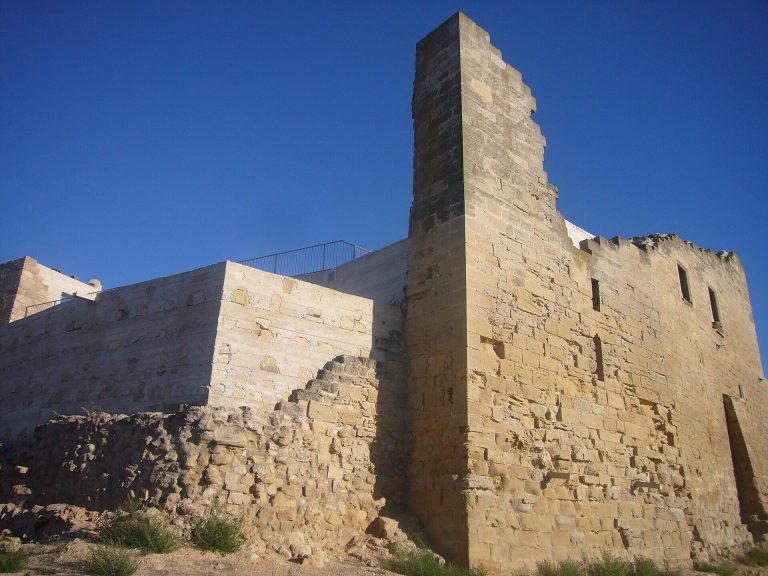
Roca dels Moros: A Prehistoric Rock-Art Shelter in Spain
Site at a Glance
- Country
- Spain
- Primary era
- Stone Age
- Eras represented
- Stone Age, Iron Age, Classical
- Civilizations
- Iberian, Roman
- Site type
- Civic
- Remains
- Rock Art
On this page11 sections
History
Roca dels Moros is a rock shelter at El Cogul, Spain. Archaeological remains associate its use with the Epipaleolithic, a period between the Paleolithic and Neolithic, and with the Iberian and Roman periods. Its occupation is considered to have extended from about 7000 BC to 100 BC.
Early occupation and sacred use
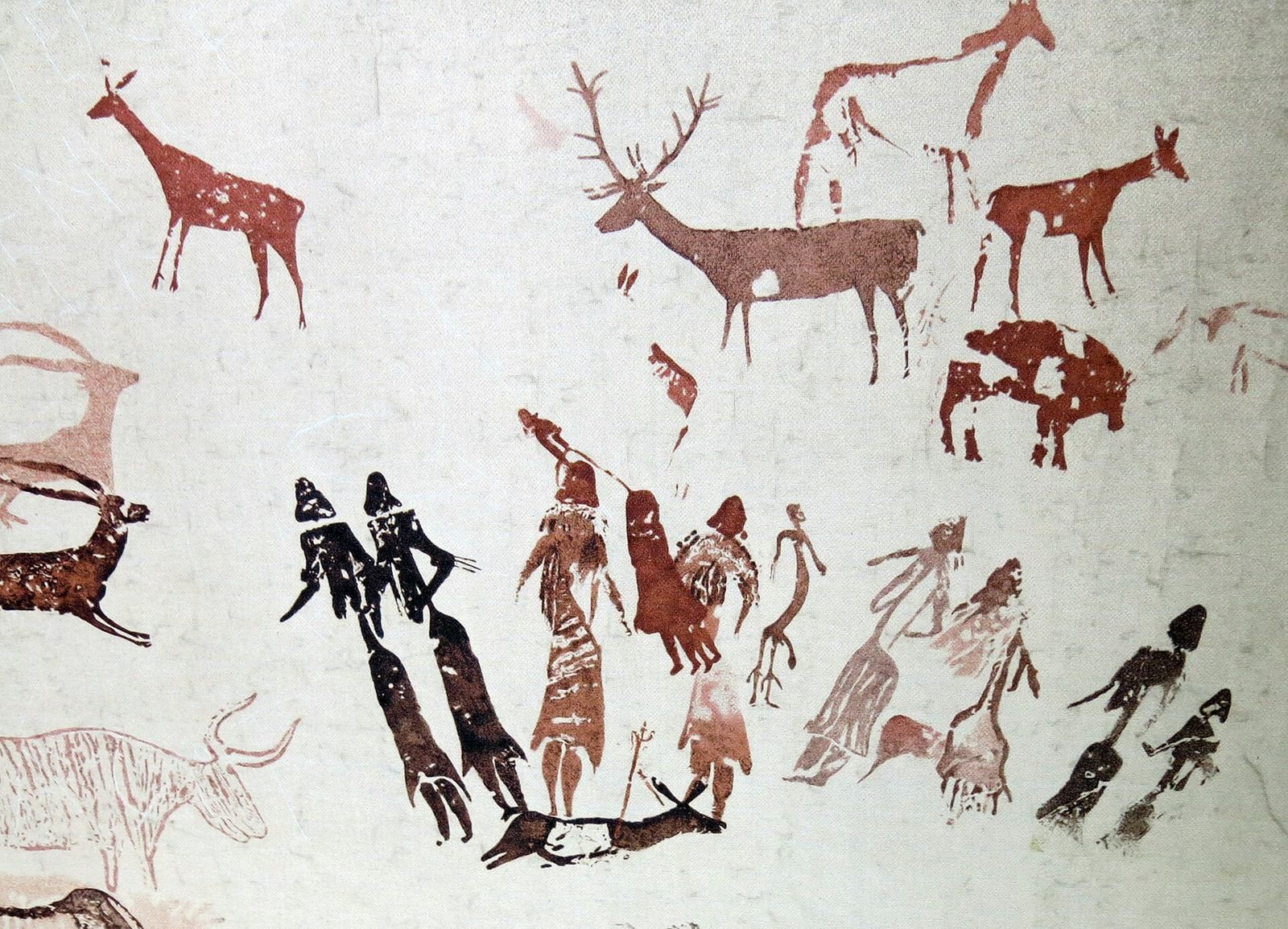
The shelter’s paintings include imagery from Levantine rock art, a prehistoric tradition associated with eastern Iberia, as well as later schematic art. Iberians and Romans also used the shelter as a sanctuary or sacred place.
Discovery and study
The paintings came to wider attention in 1908, when Ramon Huguet, the priest of El Cogul, discovered them. Ceferí Rocafort publicized the site scientifically that year. Henri Breuil and Lluís Maria Vidal subsequently studied it, and Joan Cabré published a more extensive treatment in the mid-1910s.
Protection and conservation
Roca dels Moros was declared a cultural-interest property in 1924 and is also recognized as an archaeological zone of national importance. In 1998, its paintings became part of the UNESCO World Heritage property Rock Art of the Mediterranean Basin on the Iberian Peninsula, under criterion (iii), which recognizes exceptional evidence of a cultural tradition or civilization. From 1985 to 2009, work carried out through the Catalan Archaeology Service’s systematic record of Catalan rock paintings included preventive measures, monitoring, conservation, sample analysis and documentation.
Remains
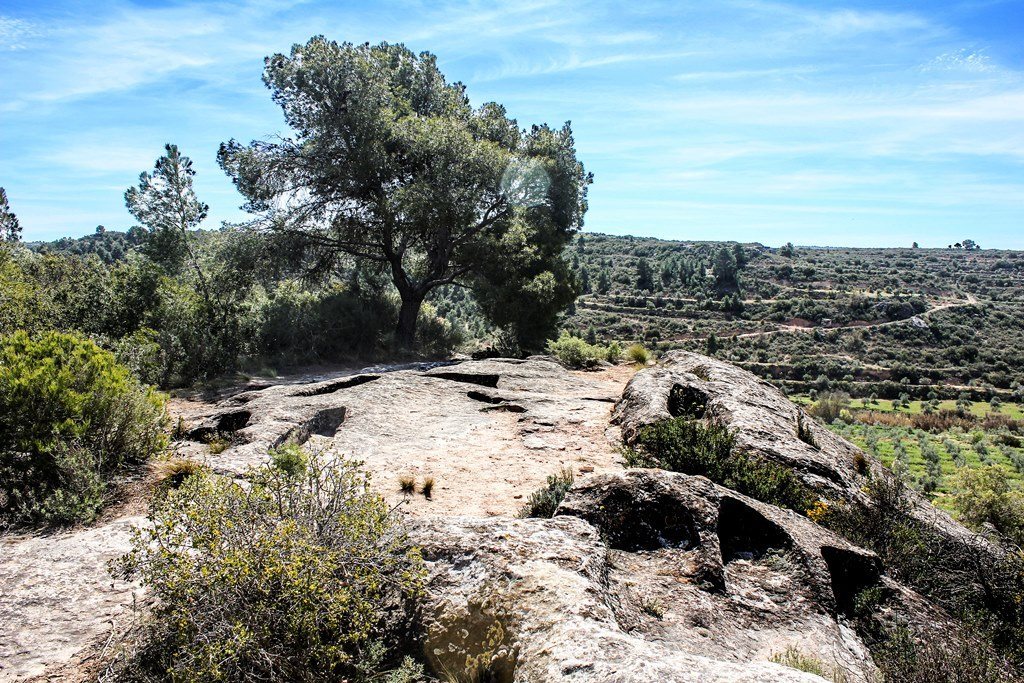
The shelter lies on the right bank of the Set River, in the Garrigues region. It formed when water eroded beneath the strata of river terraces, loosening a block that fell against inner rock banks. Several dozen human and animal figures cover the shelter’s painted area. They use red, white and black pigments, including dark-red shades, and range from naturalistic and stylized forms to simplified, abstract imagery. The painted and engraved area is in good condition, although visibility appears to be declining, probably because of sandstone weathering.
Painted scenes
The dance scene
A prominent composition at the lower right contains eleven figures and is interpreted as a dance. It includes nine women, arranged in pairs and painted in red and black, wearing long skirts around a nude, male-like central figure with a pronounced phallus. The central figure’s identity is uncertain because its lower limbs have unusual features. Other readings suggest a reproductive ceremony or a social gathering of women, perhaps including children. One interpretation proposes that women created the paintings.
Other paintings
Other scenes show a hunt, three bulls alternating with female figures, and goats and deer. At the upper left, a more schematic hunting scene includes a figure whose identity is unclear; an archer and deer also appear. The schematic imagery, dated to about 6,000 years ago, has been described as Catalonia’s earliest example of this abstract expression of belief.
Carvings and inscriptions
Seven figures are carved into the rock. The shelter also bears animal engravings and about 250 engraved signs in Northeastern Iberian script, an ancient writing system, and the Latin alphabet. Some signs overlap the paintings. The inscriptions appear to have been votive offerings, made in fulfillment of a vow or in gratitude.
Archaeological finds
Materials gathered at the foot of the shelter before excavation included unretouched flint blades, a denticulate flake, flint-knife fragments, three crescent-shaped pieces and Iberian pottery sherds. Two fragments of Hispanic terra sigillata, fine Roman tableware, were also among these finds. Excavation at the shelter’s base in 1989 produced pottery from the Late Neolithic, Bronze Age and Roman periods. Materials recovered in later investigations are held by the Museum of Archaeology of Catalonia.
Saladar cemetery
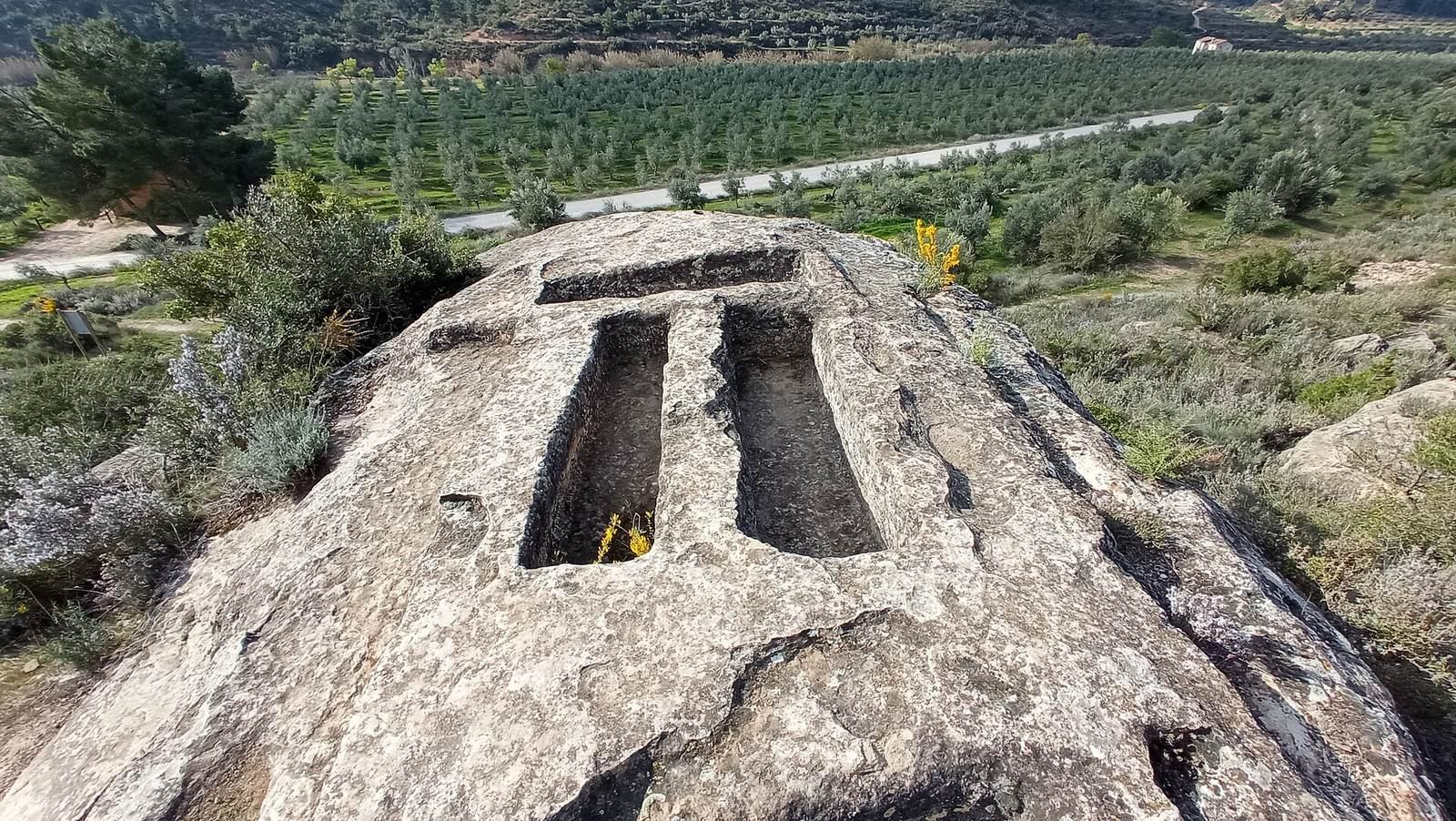
Near the paintings, the Saladar cemetery has tombs cut into the bedrock.