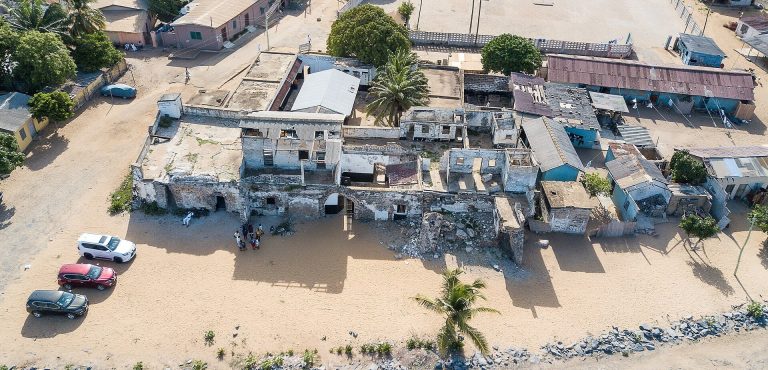
Fort Kongenstein: A Danish Trading and Military Fort in Ghana
Site at a Glance
- Country
- Ghana
- Primary era
- Early Modern
- Eras represented
- Early Modern
- Civilizations
- Danish
- Site type
- Military
- Remains
- Fort
On this page6 sections
History
Fort Kongenstein, also known as Fort Ada, was a Danish fortified military and trading post built in 1783–84 at Ada Foah, Ghana, on the right bank of the Volta estuary. The fort was intended to protect a threatened Danish trading post on Ada Island and secure trade along the Volta and routes into the coastal hinterland.
Trading posts and regional conflict
European trading posts preceded the fort. A Portuguese post stood on Ada Island in the sixteenth century, and the Danes established another there in the late 1650s before abandoning it. A Danish trading post was operating on the island in the period before Kongenstein was built, while a Dutch post stood near the future fort. Ada, the nearby settlement whose name gave rise to Fort Ada, was then called Tuberku and broadly corresponds to present-day Ada Foah. Its community’s territory extended along the Volta’s right bank toward the inland mountains and included islands in the delta.
Ada and the neighboring Anlo communities, based mainly on the eastern bank of the Volta, repeatedly fought, probably over trade. In 1776, Anlo forces and their allies attacked Ada at night, killing or capturing residents and looting and burning houses. Some inhabitants escaped to Danish-held Fort Fredensborg; captives were sold into slavery, and the surrounding area was devastated. Anlo forces later made several unsuccessful attempts to capture and plunder the Danish post on Ada Island.
In 1779, forces from Accra under Dutch authority, supported by the Dutch, attacked and burned Osu, a Danish-held settlement and the site of a major regional sanctuary. The attack turned local hostility toward the Dutch. Dutch posts at Tema and Ponny were soon abandoned, leaving any Dutch presence near Ada isolated. The Dutch post near Tuberku was probably abandoned amid the insecurity. By 1782, war and raiding had nearly stopped trade to and from Ada. Danish caravans travelling toward Christiansborg or Keta were often plundered, and their escorts captured and sold to other European powers as enslaved people. Salt was an important trade good, moving north by routes that included Kete Krachi and Salaga, and onward chiefly to Asante or into trans-Saharan trade.
Danish expansion and the fort’s founding
Denmark sought to strengthen its presence on the Gold Coast, the historical European name for the coast of present-day Ghana, amid growing European tensions and concern about losing its holdings in a future war. During the Fourth Anglo-Dutch War, Denmark remained neutral, but governor Jens Adolf Kjöge ordered Danish forces to occupy Dutch forts at Tema, Ponny, and Teshie in 1782. In January of that year, Accra, Osu, Krobo, Tema, Ningo, Ada, and other eastern coastal communities recognized Danish suzerainty, a form of overlordship that allowed a state to retain some local authority.
Danish officials also offered gifts to the Anlo in exchange for permission to establish and protect trading posts in their territory. The Danes treated the gifts as tribute and as recognition of their authority, and threatened war if Anlo attacks continued. After Danish troops assembled nearby, an Anlo delegation offered peace in return for trade access and handed over two children of prominent men as hostages. This was a tactical move to gain time, and conflict later drew in a European power.
The foundation stone of Fort Kongenstein was laid on 15 October 1783, with Kjöge leading the ceremony. As the Anlo appeared to be preparing another campaign, Denmark sought support from its allies. On 14 February 1784, while construction was still under way, about 500 people met at the fort to reaffirm an alliance between Denmark and Accra, Osu, Krobo, Akwapim, and other communities along the Volta. Danish participants included Kjöge and government physician Isert. Local leaders included Otho, paramount chief of Accra; Naku, paramount chief of Osu; and Atiambo, described as duke of Akwapim. Priests from the sanctuary at Malphi also attended. The assembly agreed to campaign against the Anlo and chose Otho to lead the joint force, with Danish support. The Danes formally took possession of the fort on 21 March 1784, and a permanent military garrison was maintained there.
The garrison under pressure, 1793–1811
In 1793, Kongenstein was cut off from outside support as Danish positions elsewhere on the coast faced a crisis. The Danes nevertheless held the fort. During the 1807 war between Denmark and Britain, no major clashes took place between them on the Gold Coast. The presence of a large Asante army and cautious Danish policy helped prevent fighting. Danish officials also sought closer ties with the Asantehene, the ruler of Asante, hoping for an alliance against Britain.
In early 1811, an Asante army under General Apoku marched through Akim toward the coast. After fighting in several places, including Akwapim, its ruler Quaw, the Okuapehene or traditional ruler of Akwapim, fled with his family to Ada. As the army advanced, Ada’s residents escaped to Ada Island, while Quaw secretly returned to Akwapim. The Asante plundered Ada, and Apoku negotiated with the island’s residents over Quaw’s surrender.
Fort commander Flindt treated the Asante courteously and gave gifts to Apoku, earning enough trust to visit the officers daily. On 2 April, as the army withdrew after setting Ada on fire, Flindt went to speak with Apoku and was forced to march with the army. Apoku and his senior officers treated him well, although ordinary soldiers often insulted him. He was given shelter at the camps and bearers during the marches. Apoku refused to release him without 50 ounces of gold in European trade goods, then worth about £200. The Danish government paid, and Flindt was freed on 2 September 1811. Gifts and other expenses brought the total cost to about twice the ransom.
Reduced garrison and transfer to Britain
In 1834, King Frederick VI ordered that the garrisons at Kongenstein and Prindsensteen be reduced to one European soldier each. With fewer Danish troops, the authorities had less ability to suppress the slave trade, which revived around the settlements. Denmark decided in 1849 to sell its African possessions and transferred its forts on the Guinea Coast to Britain for £10,000. Fort Kongenstein passed to British control in early 1850; the last Danish flag on the Gold Coast was lowered on 30 March. The fort remained British until Ghana became independent.
Remains
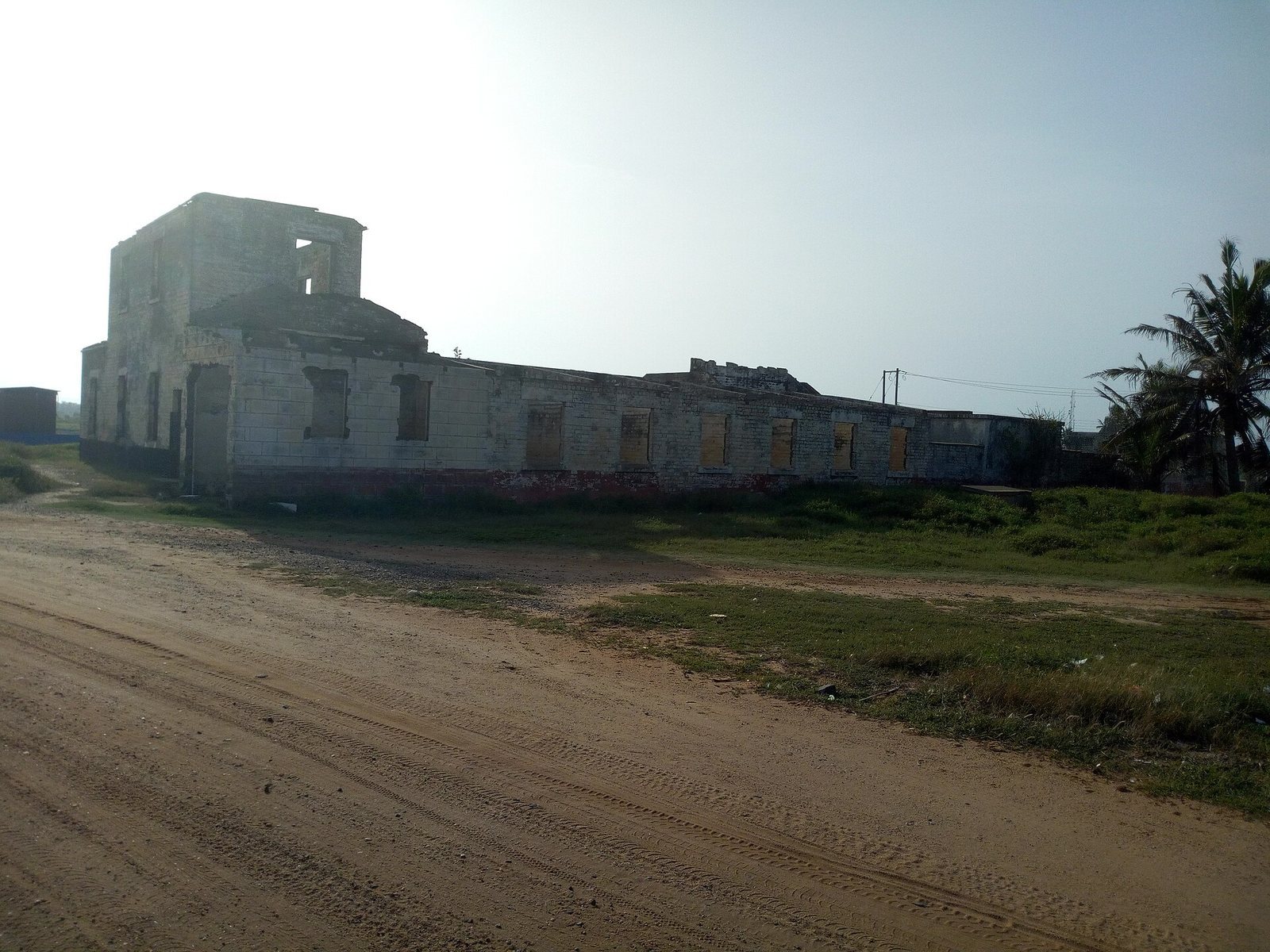
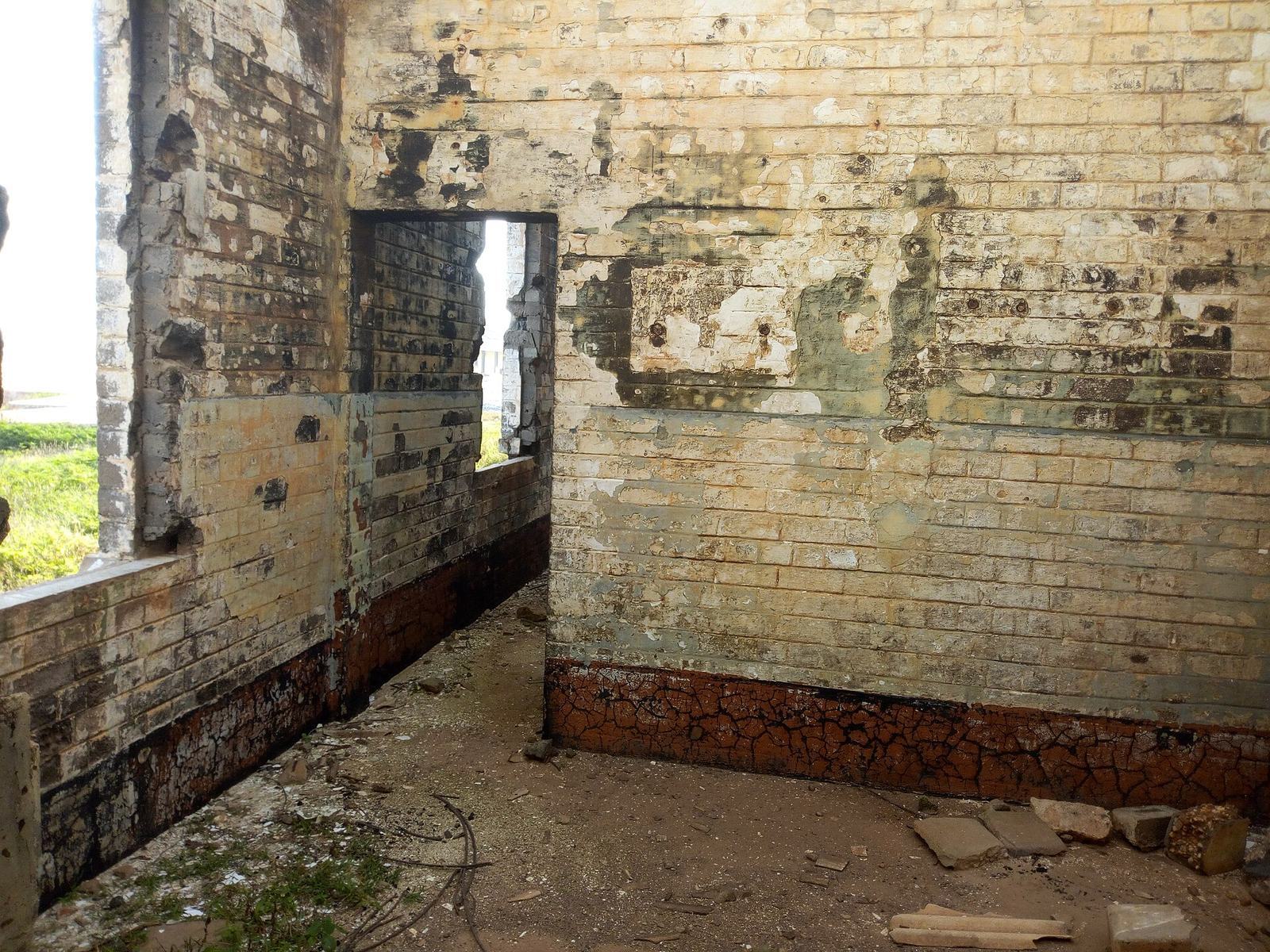
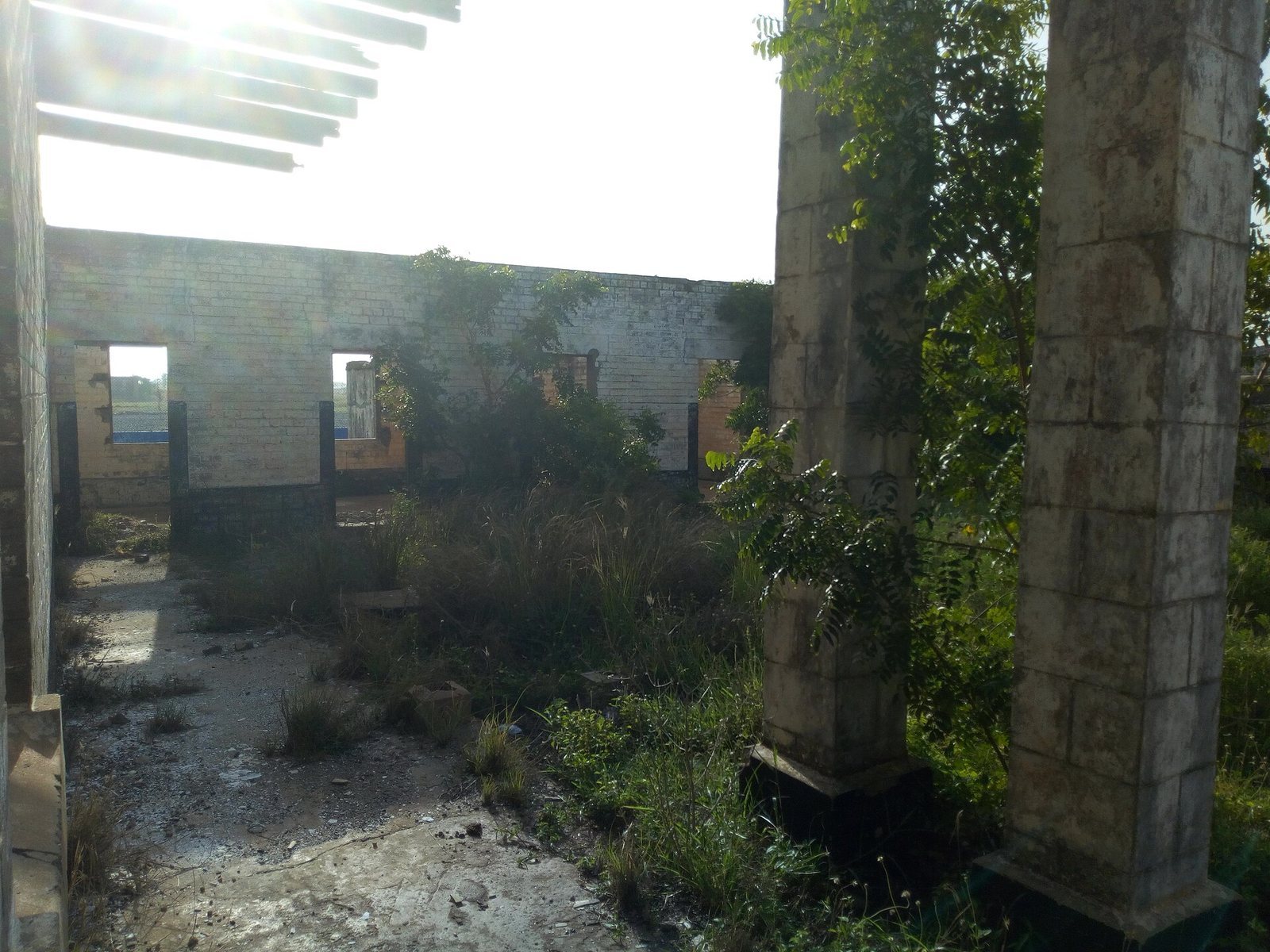
Fort Kongenstein stood on the right bank of the Volta estuary at Ada Foah as a Danish fortified post. The sea has washed away most of the fort, and the surviving remains are in ruins.