Château d’Arc-en-Barrois: A Classical Country Residence in France
Site at a Glance
- Country
- France
- Primary era
- Early Modern
- Eras represented
- Early Modern, Modern
- Civilizations
- French
- Site type
- Domestic
- Remains
- Elite Residence
On this page9 sections
History
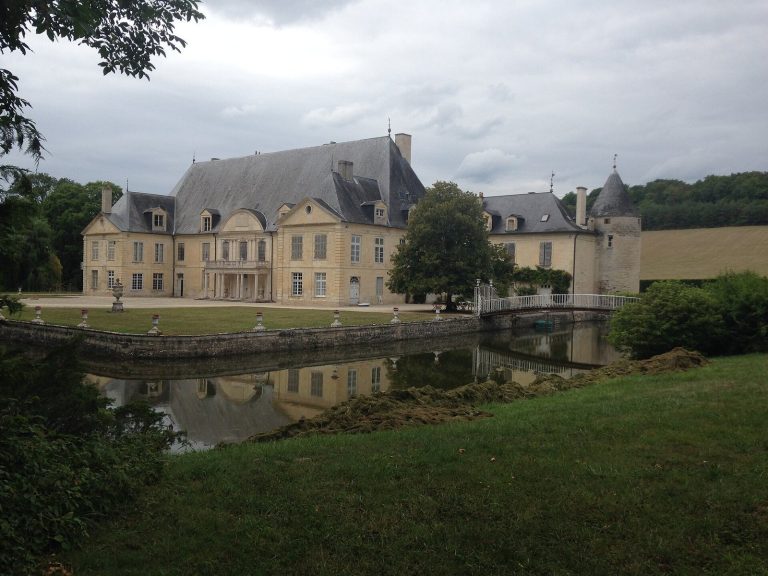
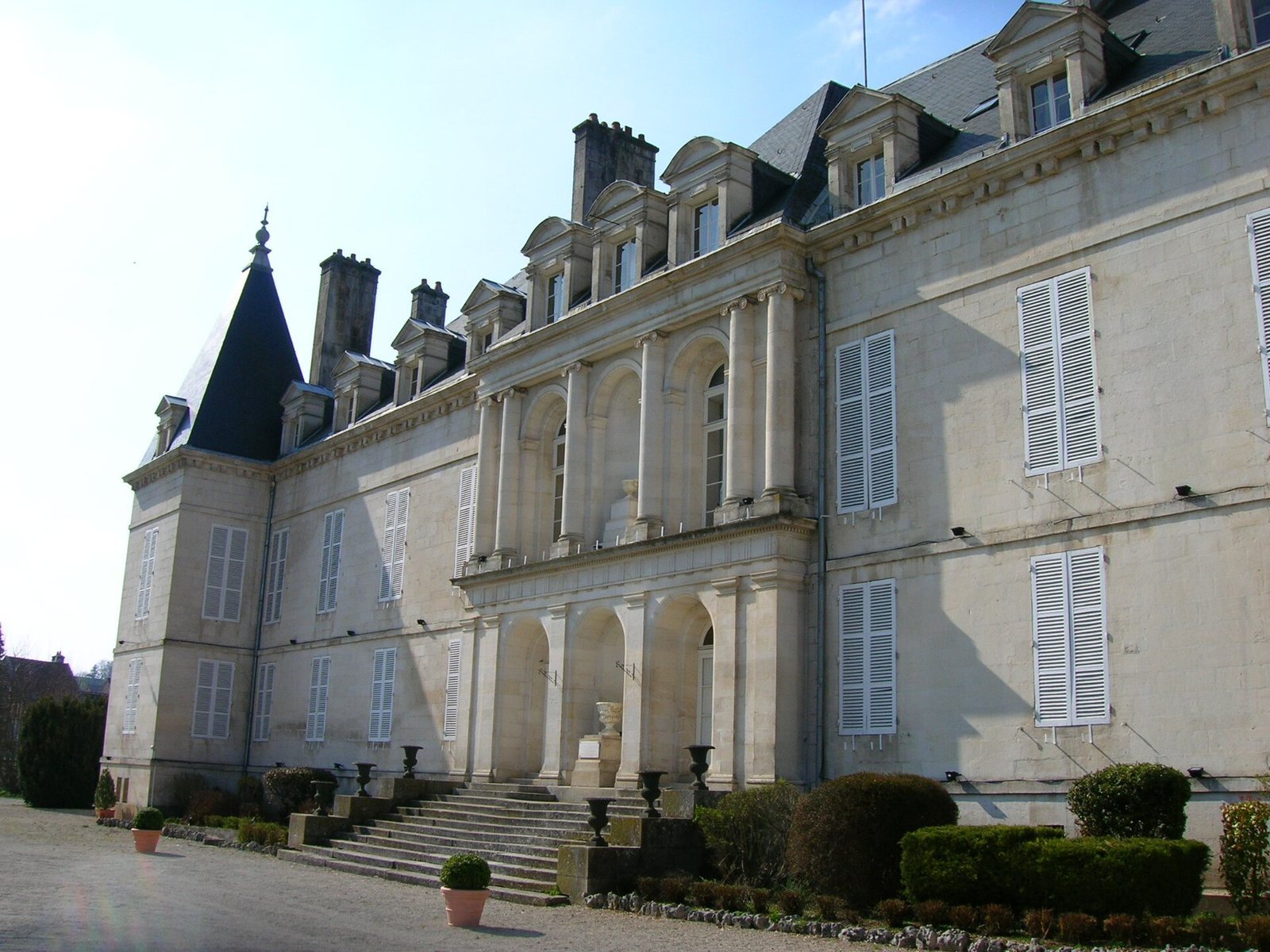
Château d’Arc-en-Barrois is a country residence in France, rebuilt in the classical style from around 1845 on the site of a medieval castle. Its history spans medieval lordship, aristocratic ownership, revolutionary destruction and later adaptation.
Medieval lordship
The medieval lordship of Arc-en-Barrois was associated with Isabelle de Dreux, who died in 1239. She had married Hugues III de Broyes (c. 1125–1199), and their son Simon I de Châteauvillain inherited the castle. Simon, lord of Arc-en-Barrois, died in 1305 and was married to Marie de Dampierre, who died in 1297. Jean de Châteauvillain, another lord of Arc-en-Barrois, died in 1313; his wife, Jeanne de Semur, was born around 1245.
Aristocratic ownership and destruction
In 1622, the estate belonged to Nicolas de L’Hospital, Duke of Vitry. His son sold it to Count Morstein in 1679, and Morstein transferred it in 1693 to Louis Alexandre de Bourbon, Count of Toulouse and son of Louis XIV. Louis Alexandre’s son, Louis-Jean-Marie de Bourbon, Duke of Penthièvre, inherited the estate.
The medieval castle was destroyed in 1793 during the French Revolution, a period of political upheaval that ended the monarchy and brought major changes to aristocratic property. In 1814, the estate returned to Marie-Adélaïde de Bourbon, daughter of the Duke of Penthièvre and wife of Louis-Philippe, Duke of Orléans.
Reconstruction and later owners
Marie-Adélaïde’s daughter, Princess Adélaïde of Orléans, began rebuilding the château around 1845. She left the estate by will to her godson, François d’Orléans, Prince of Joinville. In 1900, François’s son Pierre, Duke of Penthièvre, inherited it. During the First World War, Pierre made the château available as a temporary hospital for wounded soldiers from the Verdun and Argonne fronts. The hospital served the French Third Army Corps, a large formation made up of several divisions. Pierre died unmarried in 1919, and the estate passed to his nephew Jean d’Orléans, Duke of Guise.
When Jean died in 1940, the property was divided among his four children: Isabelle, Countess Bruno d’Harcourt; Françoise, Princess Christopher of Greece; Anne, Duchess of Aosta; and Henri, Count of Paris.
State ownership and changing use
The French state acquired the property in 1971 and separated the château from its forests and lands. From the mid-1970s until 2006, the building operated as a hotel under French, Japanese and Dutch owners. A Danish company converted it into a private holiday home in 2010. By decree of 2 July 2015, the salon and dining-room decoration received French historic-monument protection, a legal safeguard for recognized cultural heritage.
Remains
Main residence
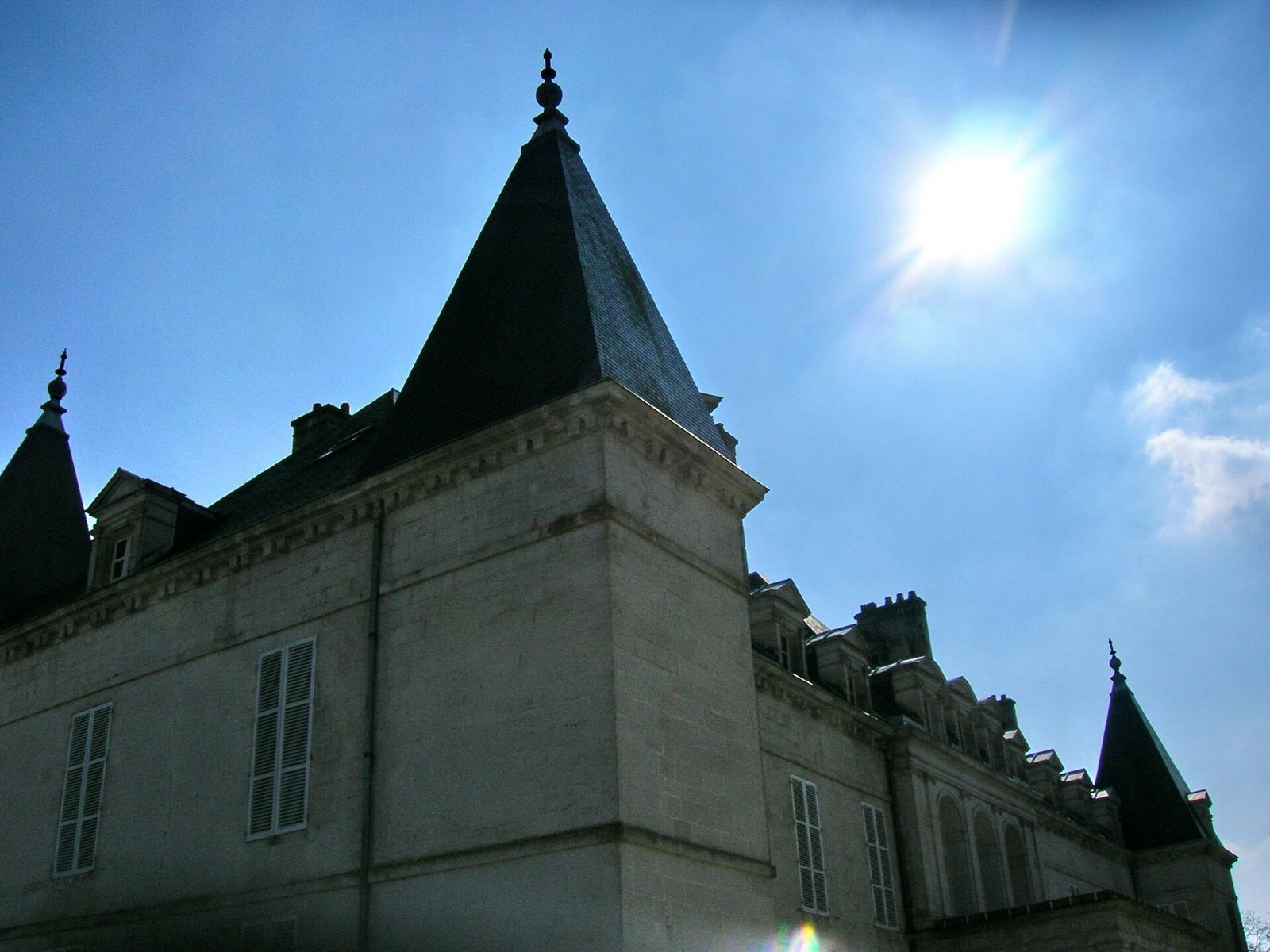
The main building combines an earlier core with substantial changes made in the 1840s. Its central fabric and grand staircase are thought to date from the seventeenth century, when Nicolas de L’Hospital owned the estate. Two projecting sections of the residence belong to the 1840s alterations, which shaped the château’s present form. The reconstruction is attributed to architect Pierre-Bernard Lefranc.
Garden
An English-style landscape garden is associated with the 1840s redesign. This type of garden uses naturalistic, picturesque arrangements rather than formal geometric layouts.
Interior decoration
The château’s interior decoration is located in the salon, or formal reception room, and the dining room.