Fosteau Castle: A Medieval Fortified Residence in Belgium
Site at a Glance
- Rating
- 4.5
- Popularity
- Low
- Country
- Belgium
- Primary era
- Medieval
- External website
- Open
- Eras represented
- Medieval, Early Modern, Modern
- Civilizations
- Holy Roman Empire
- Site type
- Military
- Remains
- Castle
On this page10 sections
History
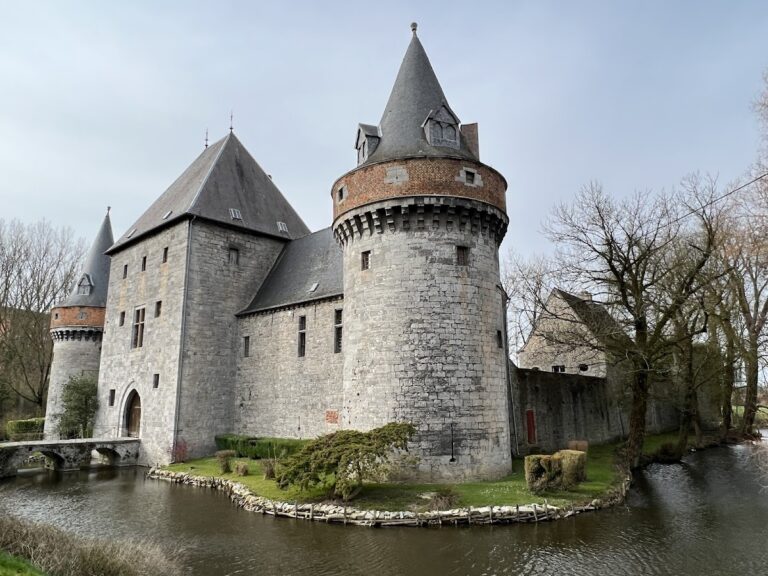
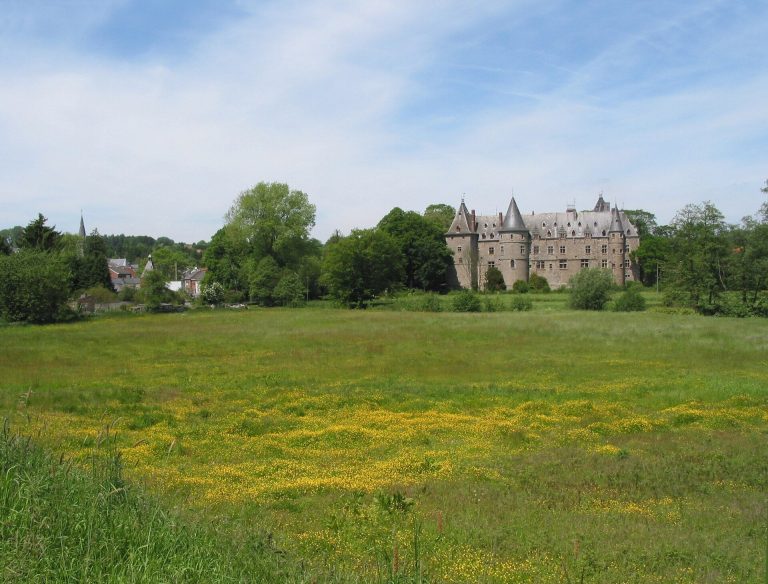
Fosteau Castle is a medieval castle in Belgium, near Thuin, whose fortified core was enlarged around 1380 in a late medieval Gothic phase. Its origins lie in a donjon, the principal fortified tower of a medieval castle, mentioned in a 1235 cartulary of Lobbes Abbey. The castle stands about 2 kilometres east of Leers-et-Fosteau, in the municipality of Thuin, Hainaut, Wallonia.
From donjon to fortified house
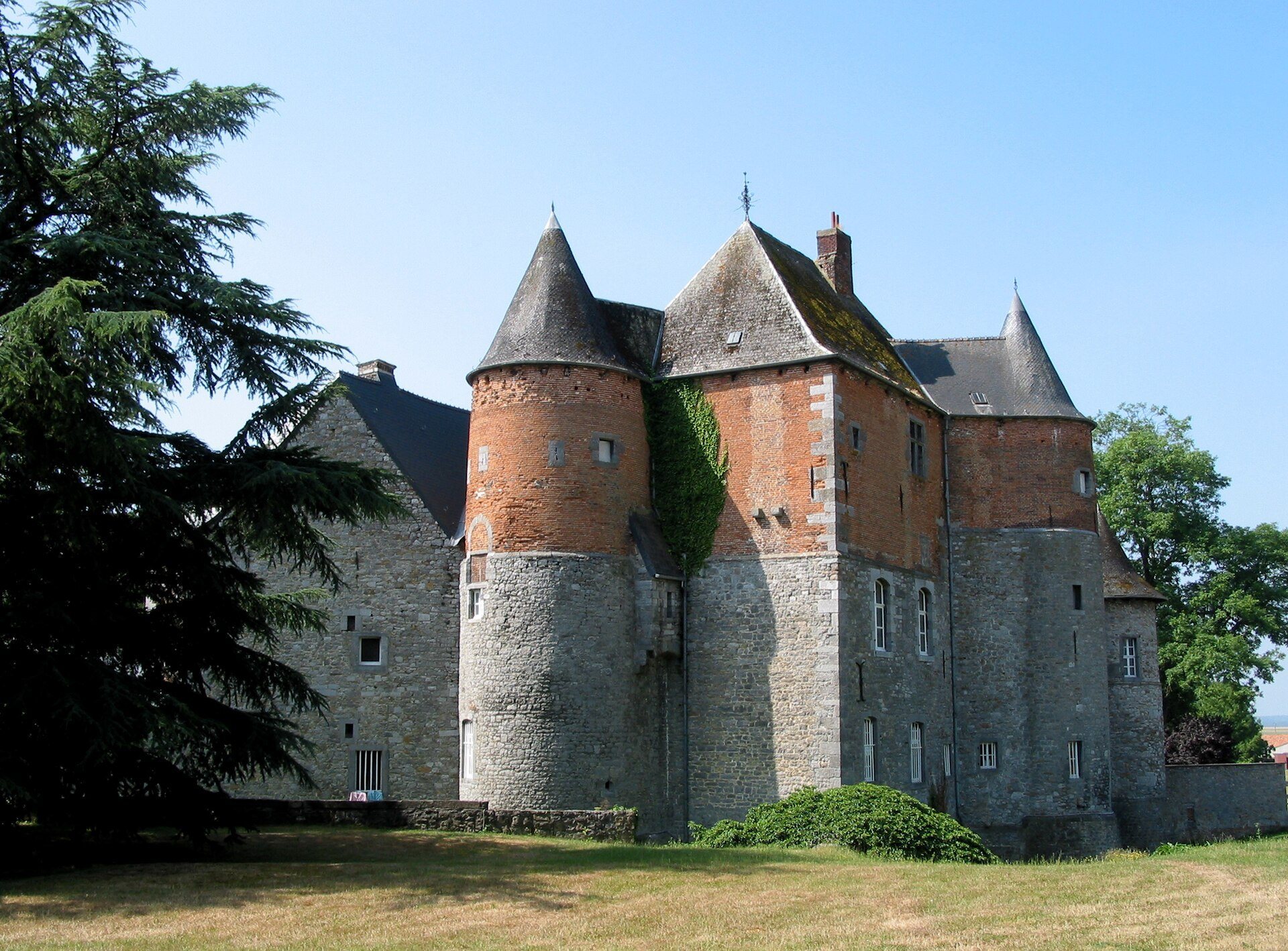
Around 1380, the original donjon was enlarged and transformed into a fortified house, a residence equipped with defensive features. This work is associated with Jean Clutinc. The same period is linked to Wauthier de Semousies receiving the lordship of Fosteau from Joan of Brabant, the fourteenth-century ruler of the Duchy of Brabant.
Ownership later passed through the Sars and Zwenne families, followed by the de Marotte, de Henry, and de Jamblines families. Each succession contributed to the growth of the complex, as additional buildings were added around the earlier castle. During the period of Zwenne ownership, creditors raised a force that besieged and plundered Fosteau in 1597.
Residential transformation
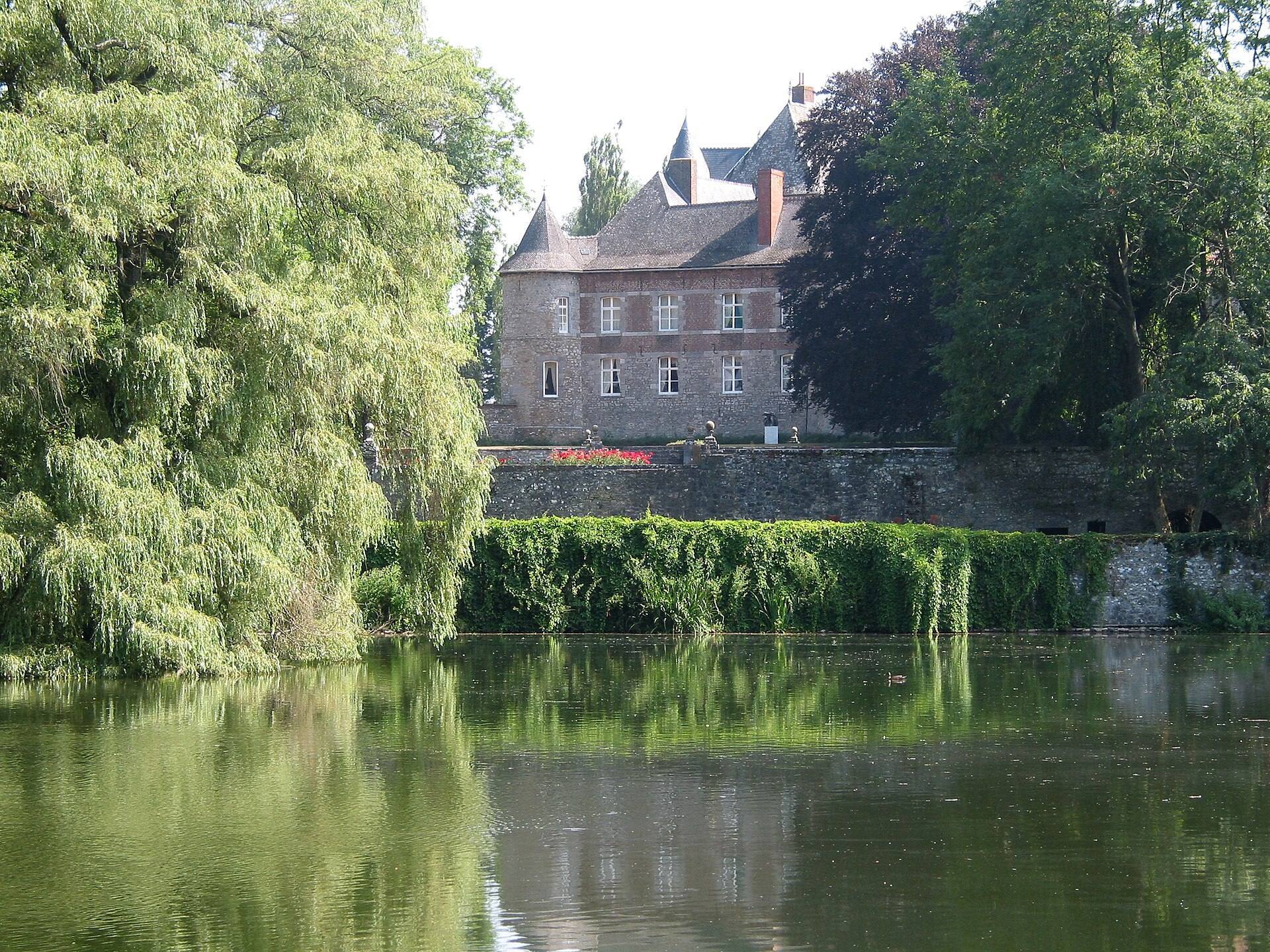
The Marotte family later carried out major restoration work and laid out a formal French garden. This garden style uses geometric planning, symmetry, and carefully arranged planting, and its creation gave Fosteau a more residential character. Further buildings and improvements followed during the eighteenth and nineteenth centuries, completing the development of the estate.
Fosteau acquired another historical association in 1815, when Honoré-Charles Reille, a French general of the Napoleonic period, stayed there while travelling toward Waterloo with 25,000 men of the II Corps. The castle was legally protected as a heritage monument in 1979. Since 1980, it has housed an exhibition of antique furniture, and it functions as a museum. The complex also contains a pharmacy museum and includes the bedroom associated with Reille’s stay.
Remains
Fosteau Castle occupies a slight rise on the lower Thudinien plateau. Its surviving core is the medieval donjon, enlarged into a fortified house and subsequently incorporated into a broader castle complex. Additional buildings surround this older element, while later construction and alterations from the eighteenth and nineteenth centuries form part of the estate’s present architectural fabric.
Medieval fortified core
Donjon and fortified house
The former donjon provides the oldest surviving part of the castle. Its enlargement around 1380 created a fortified house, combining residential use with defensive design. The medieval tower was later absorbed into the larger complex as successive owners added buildings around it.
Knights’ Hall
Inside the former donjon is the Knights’ Hall, a Gothic hall dating from the late fourteenth century. Its interior is regarded as one of Belgium’s notable Gothic interiors and remains a central architectural feature of the medieval core.
Estate and associated rooms
French garden
A formal French garden extends on the western side of the estate. Created during the Marotte family’s restoration of the castle, it forms part of the residential transformation that followed the earlier fortified phases.
Reille’s bedroom
The castle includes the bedroom associated with Honoré-Charles Reille’s stay in 1815. The room is open for viewing as part of the castle’s museum presentation, which also includes antique furniture and a pharmacy museum.