Sun Temple: A Reconstructed Muisca Place of Worship in Colombia
Site at a Glance
- Rating
- 4.6
- Popularity
- Low
- Country
- Colombia
- Primary era
- Unclassified
- Eras represented
- Unclassified
- Civilizations
- Muisca
- Site type
- Religious
- Remains
- Temple
On this page7 sections
History
Sun Temple is a reconstructed Muisca place of worship in Sogamoso, Boyacá, Colombia. Built by the Muisca, it stood at Sugamuxi, a center of the Muisca Confederation, and was dedicated to Sué, the Muisca Sun god. The temple was regarded as the most important sanctuary of the Muisca religion and also served as a burial place for leading caciques, or Indigenous chiefly rulers, and priests known as ogques.
Religious Center at Sugamuxi
Rituals at the temple were organized by the caciques and zaques, the rulers of the northern Muisca political sphere. Muisca tradition connected the sacred place with the mythical cacique Idacansás. It described gatherings in which children called moxas were sacrificed and Sugamuxi was made holy. Another figure from Muisca tradition, the mythical Thomagata, was believed to travel each night between Tunja and the temple, making the journey ten times.
Destruction in 1537
Spanish forces led by Gonzalo Jiménez de Quesada entered Sogamoso in September 1537 while searching for El Dorado, the legendary source of wealth sought by Spanish conquistadors in northern South America. On the night of 4 September, the soldiers Miguel Sánchez and Juan Rodríguez Parra entered the temple with torches while looking for its treasures. They found ornaments and the mummies of ancient nobles, but accidentally set the building on fire and destroyed it.
Excavation and Reconstruction
In 1942, archaeologist Eliécer Silva Celis excavated a Muisca cemetery at Sogamoso. The tombs contained mummies that remained preserved when they were discovered. These findings enabled Silva Celis to locate the original temple site and begin its reconstruction. The reconstructed temple and surrounding cemetery now form part of the Archaeological Museum of Sogamoso, administered by the Pedagogical and Technological University of Colombia in Tunja. The present structure is a reconstruction rather than the original building.
Remains
Temple and Cosmic Design
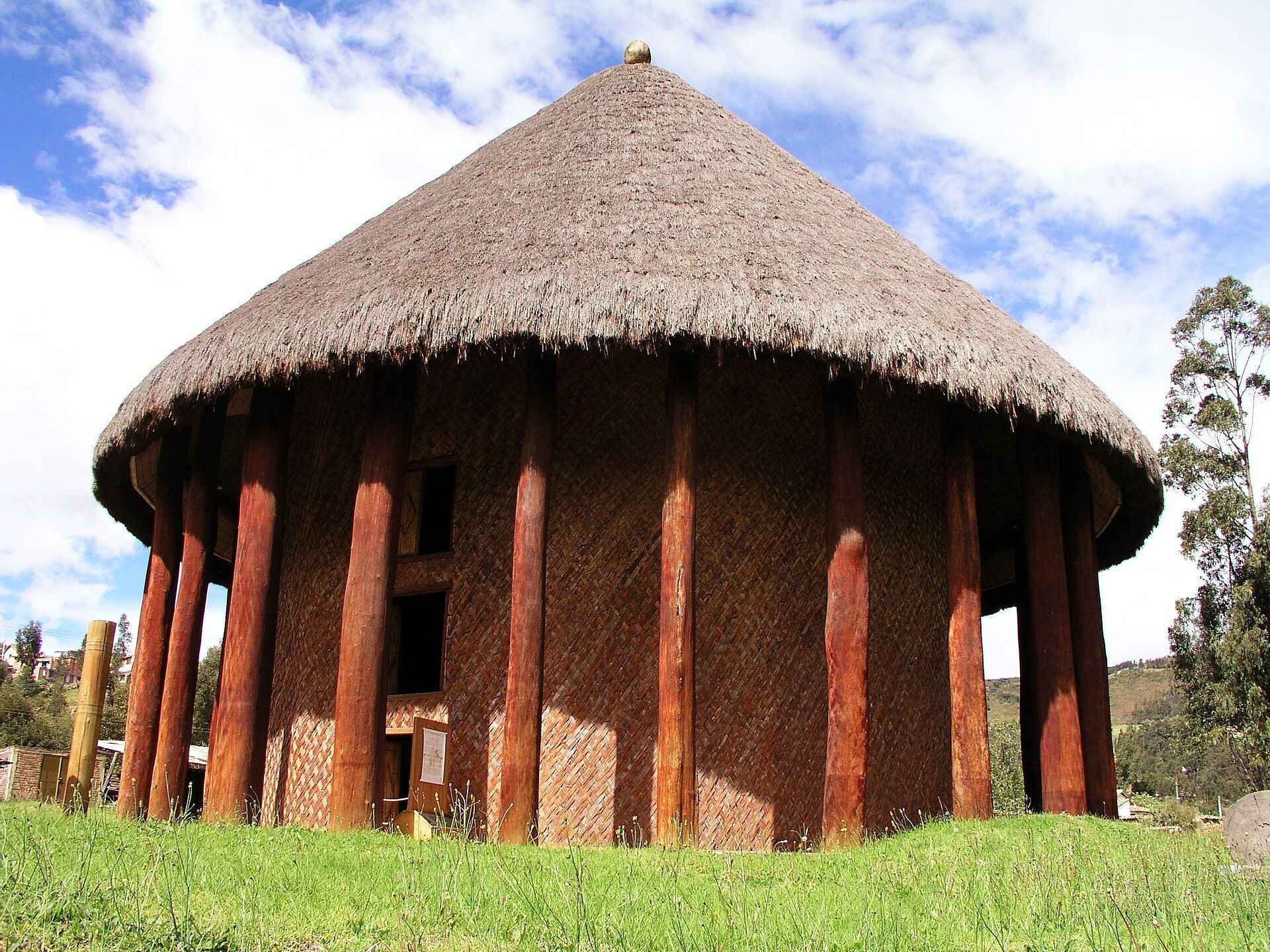
The original Sun Temple stood on the right bank of the small Monquirá River. It was a large circular building made from wooden poles and clay, with a reed roof and no windows. Three concentric rings of wooden columns surrounded the structure, using timber harvested in Casanare. Its arrangement represented the cosmos and was planned in relation to the positions of the Sun.
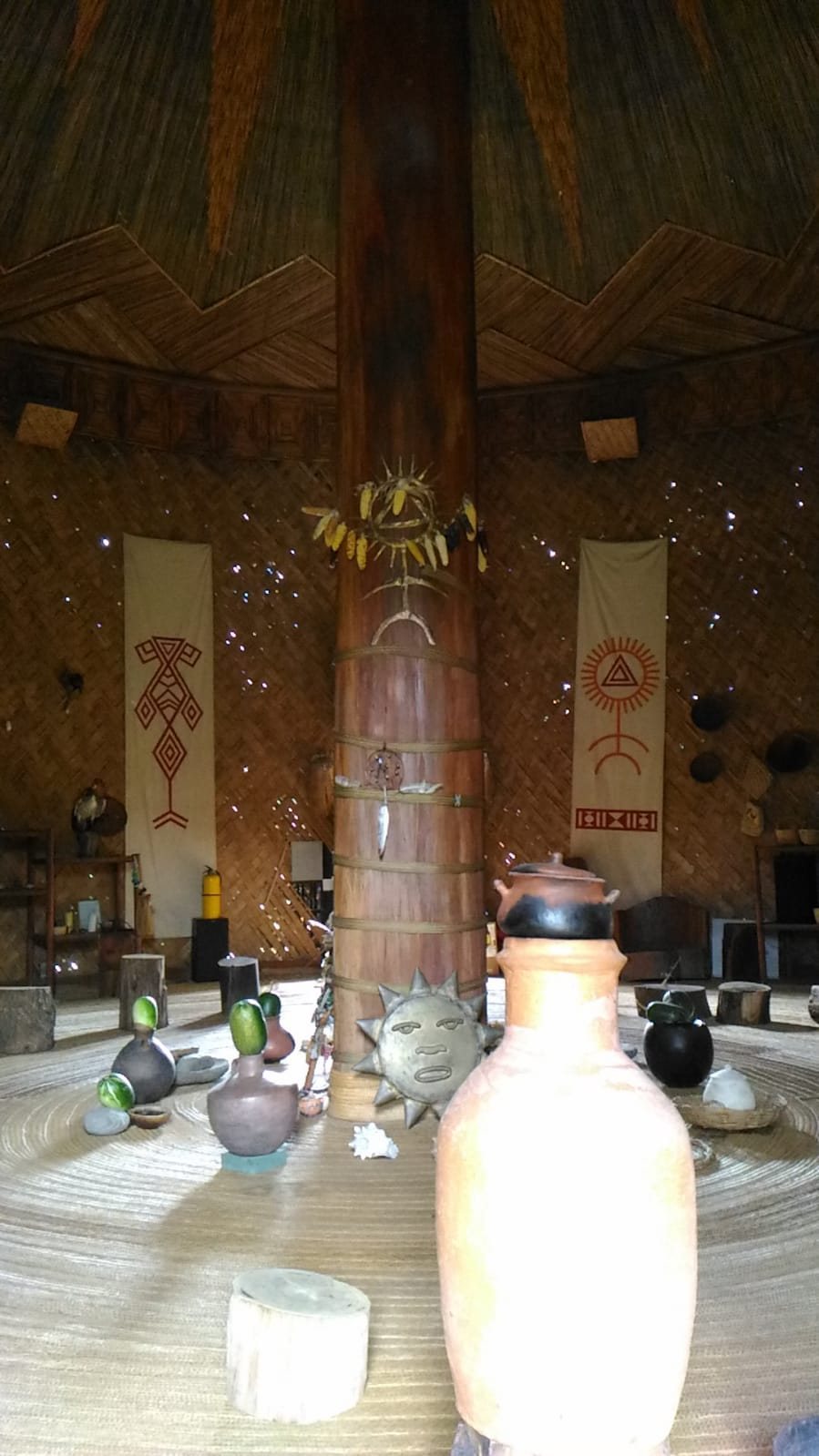
The reconstructed temple rises 18 metres. Its dome carries symbols associated with the Muisca creation of the Earth by Chiminigagua, the supreme Muisca deity and creator of the Earth in Muisca tradition. Small openings in the sides form a calendar. Each year on 22 December, sunlight passes through them and falls directly on the central pillar.
Reconstructed Cemetery
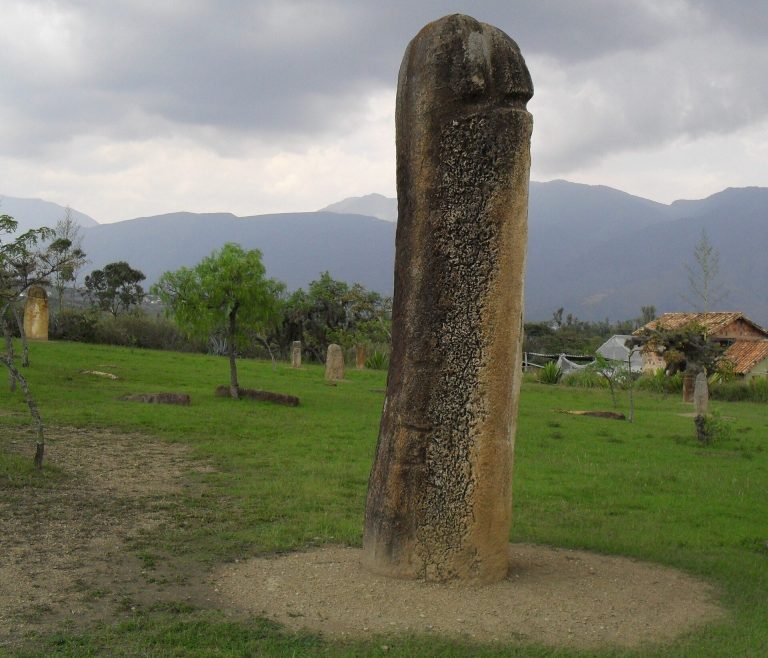
A reconstructed cemetery surrounds the temple. It represents the burial area associated with the mummies that had originally been displayed inside the building and reflects the cemetery excavated at Sogamoso, where tombs containing preserved mummies were found.