Punkurí: An Ancient Sechín Temple in Peru
Site at a Glance
- Rating
- 4.1
- Popularity
- Very Low
- Country
- Peru
- Primary era
- Bronze Age
- Eras represented
- Bronze Age
- Civilizations
- Unclassified
- Site type
- Religious
- Remains
- Temple
On this page11 sections
History
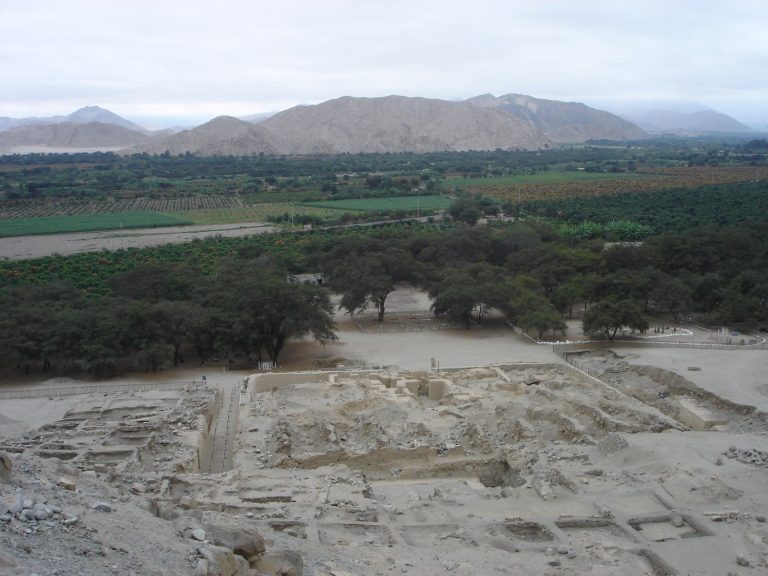
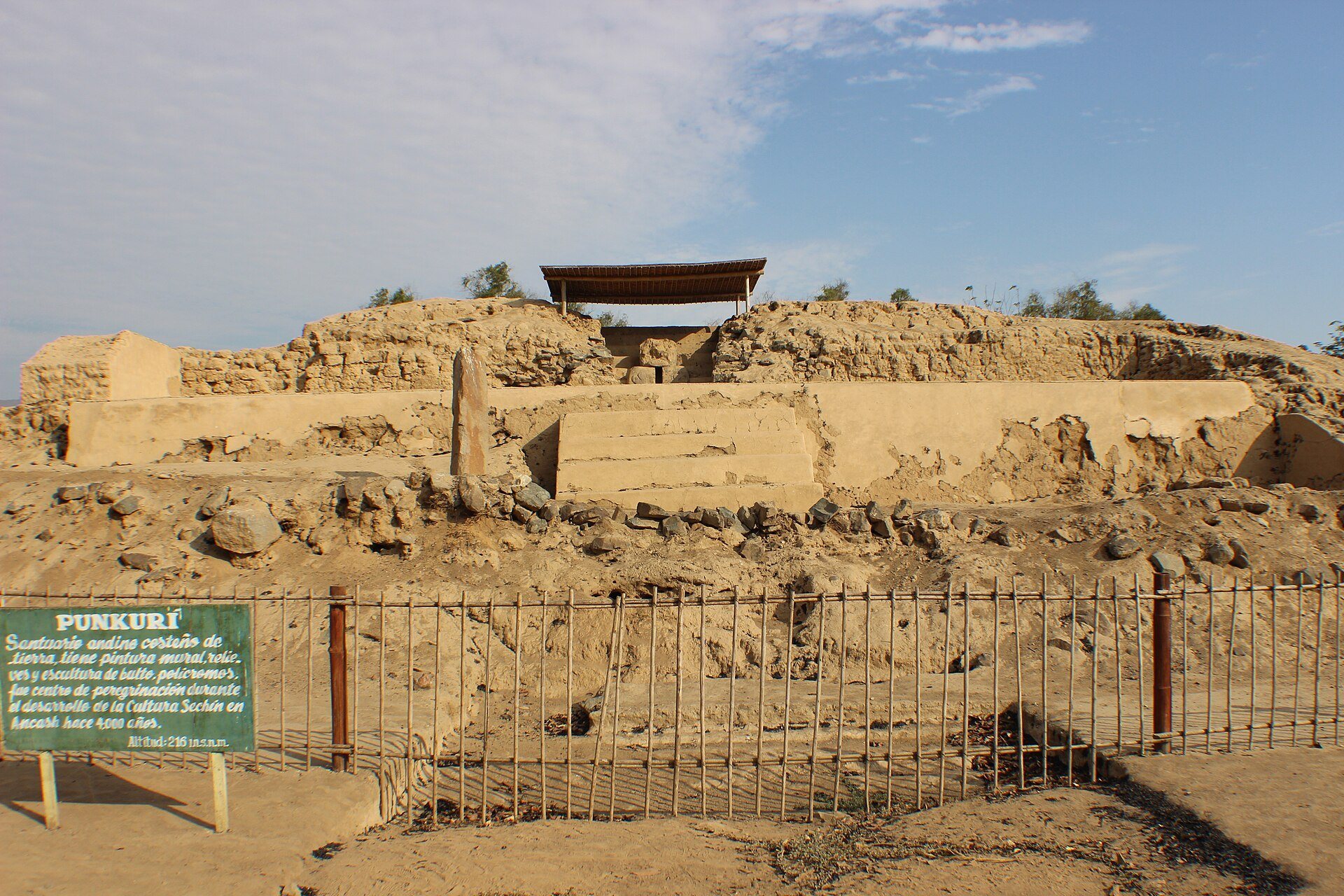
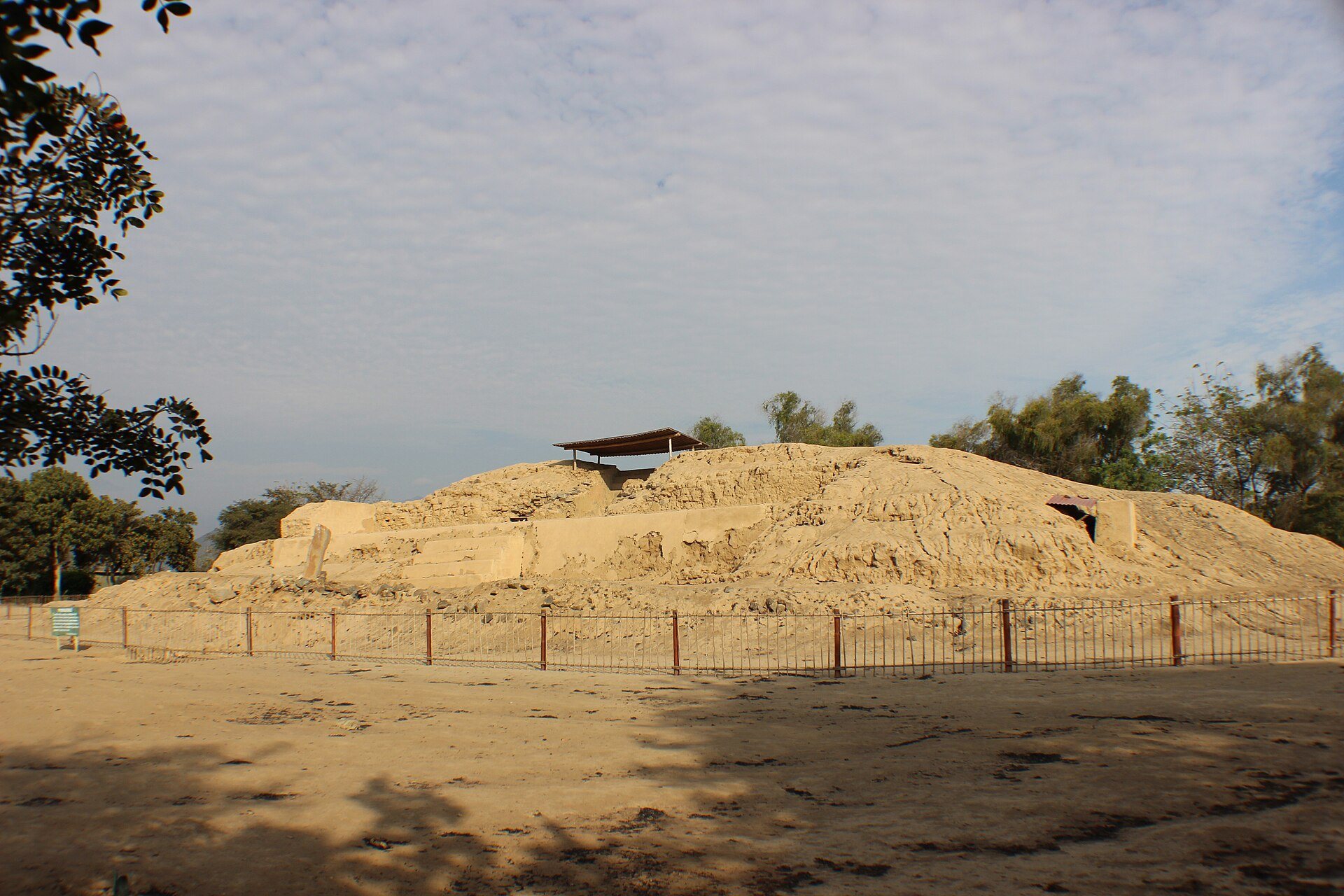
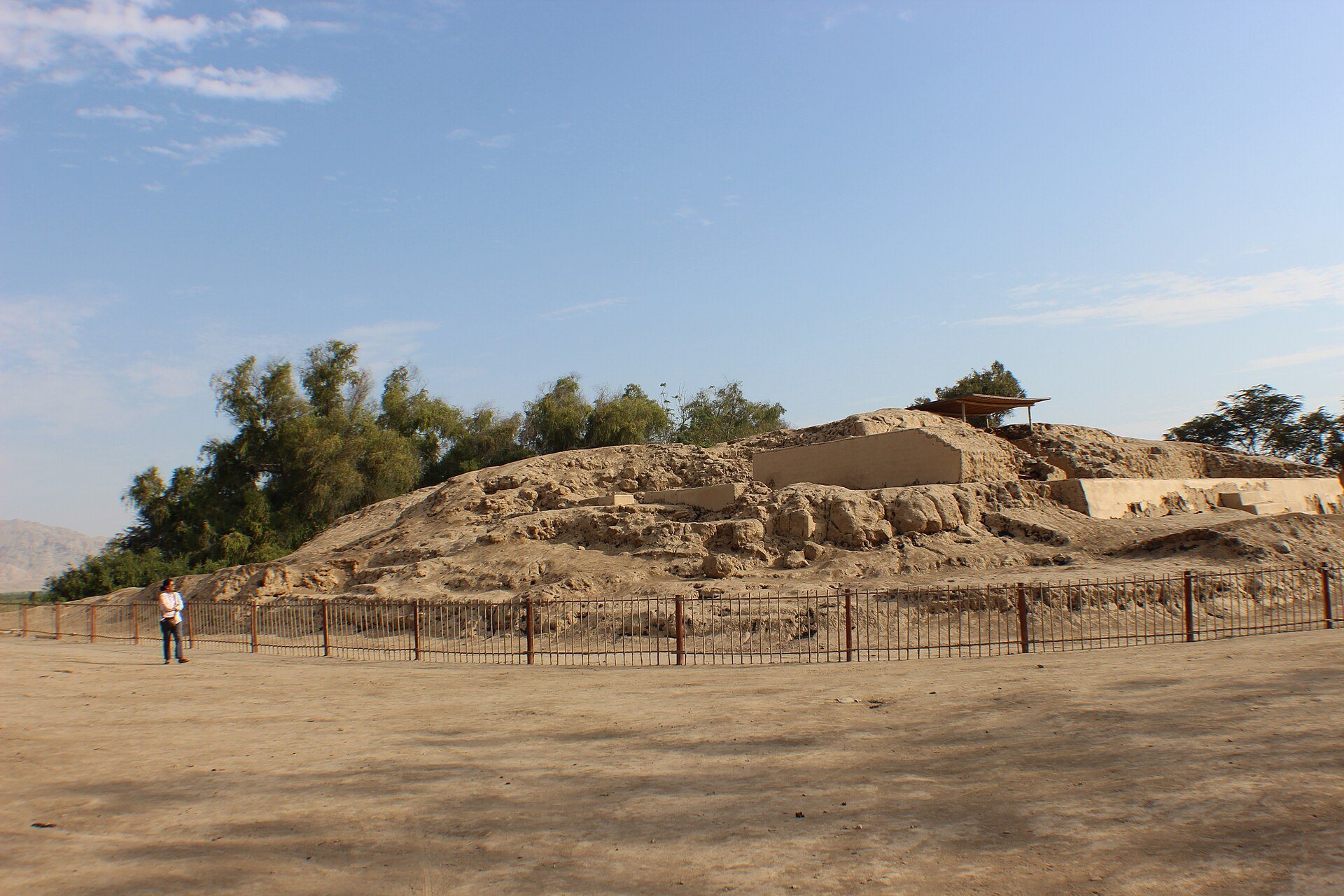
Punkurí is an archaeological temple on the right bank of the Nepeña River between Nepeña and San Jacinto in Áncash, Peru. Associated with the Sechín culture, it developed between approximately 2000 and 1400 BC during the Archaic and Early Formative periods. Its form and approximate date have led to its identification as a temple, and it has been described as the oldest known pre-Hispanic mud temple in the Americas. The site is also connected with the artistic traditions later recognized as Classic Chavín.
Sechín Temple and Construction Phases
Julio C. Tello placed Punkurí’s development within the early history of the central Andes. The temple passed through three superimposed construction levels, with each later level built over the remains of the one before it. The site may have continued in use during later cultural periods, although its main development belongs to the period identified by Tello.
Burial and Rediscovery
For centuries, earth and mud covered much of the temple, apparently spreading across the valley. Tello discovered Punkurí in 1933, bringing the buried structure and its early ceremonial remains to archaeological attention.
Damage and Conservation
Recurring El Niño events, Pacific climate episodes that can produce heavy rain and flooding along the coast of Peru, contributed to the temple’s deterioration. In modern times, nearby residents also damaged and looted the site because of beliefs that it was dedicated to the devil and that its feline idol brought misfortune. The idol was attacked with hammers and sledgehammers, causing severe damage.
Preservation and enhancement work began through the efforts of the Peruvian archaeologist Lorenzo Samaniego, sent by the National University of Santa, together with Agroindustrias San Jacinto. A large protected archaeological area was set aside for research, conservation, observation, and visitation. The associated facilities included a small site museum, a botanical garden, and a scale replica of the Punkurí idol. The temple’s study and preservation have been linked to understanding the ancient history of Áncash, especially the Nepeña, Casma, and Lacramarca valleys.
Remains
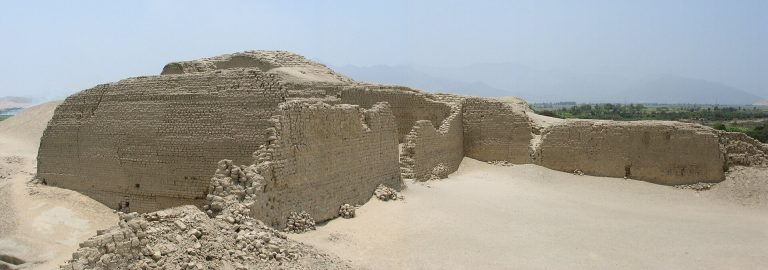
Punkurí is a north-facing mud-adobe complex covering approximately 3,000 square metres and rising about 3 metres. Adobe is a sun-dried building material made mainly from earth or mud. The blocks here are conical or truncated-conical, individually shaped by hand, and weigh an average of 40 kilograms. Three building phases expanded the temple’s area and height over time. Its columns were cylindrical, polychrome, and decorated with incised designs.
Lowest Construction Level
Stone Structures and Decorative Features
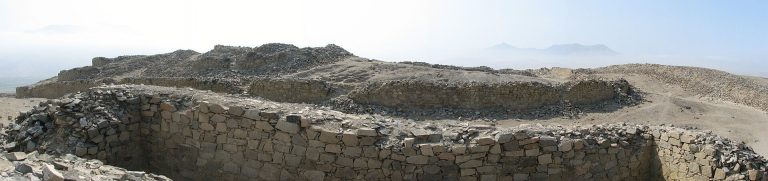
The lowest level contained stone structures with ornamented walls in the Classic Chavín style, an artistic and architectural tradition associated with an influential ancient Andean religious culture. The level included a courtyard decorated with small turquoise plaques. Its finds also included a painted feline figure made from stone and clay, as well as a polished diorite mortar and pestle engraved with figures in the same style. Diorite is a hard, coarse-grained volcanic stone suitable for durable tools and vessels.
Burial and Ritual Objects
A tomb at the lower levels contained the body of a sacrificed woman and a Strombus galeatus shell. These remains belong to the archaeological evidence associated with the early temple levels.
Middle and Upper Construction Levels
Middle-Level Adobe Walls
The middle level used walls made from conical adobe blocks. Their surfaces had first been plastered and were then decorated with incised and painted figures. Several buried chambers with mural paintings were also found within this level.
Third-Phase Feline Sculpture
A three-dimensional sculpture of a reclining puma stood on the first steps of the staircase belonging to the third construction phase. Approximately 80 percent of the sculpture was destroyed, as were the polychrome reliefs associated with the first and second phases. A scale replica of the Punkurí feline idol formed part of the modern plans for interpreting and conserving the site.