Markahirka: An Archaeological Settlement and Funerary Site in Peru
Site at a Glance
- Rating
- 4.6
- Popularity
- Very Low
- Country
- Peru
- Primary era
- Medieval
- Eras represented
- Medieval
- Civilizations
- Unclassified
- Site type
- City
On this page6 sections
History
Late Intermediate Period settlement
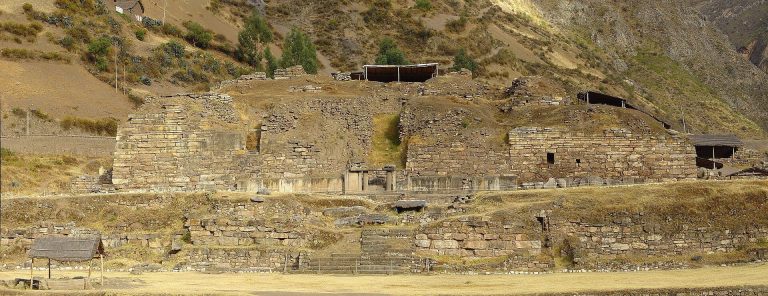
Markahirka is an archaeological site in the districts of Cajay and Masin, in Huari Province, Ancash Region, Peru. Located at 3,580 metres above sea level, it served both urban and funerary purposes. The site belongs to the Late Intermediate Period, the era between the decline of the Wari and Tiwanaku states and the expansion of the Inca Empire, and its recorded historical span extends from approximately AD 1020 to 1640.
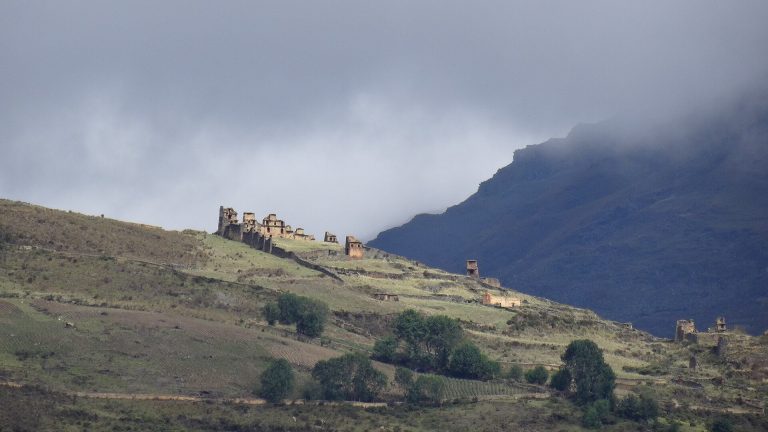
The name is also written as Marka Hirka, Marcajirca, or Marca Jirca. In Ancash Quechua, marka means “village” and hirka means “mountain”, giving the name the approximate meaning “village mountain.” Markahirka stands on a mountain bearing the same name and combines evidence of habitation with places associated with burial and commemoration.
Bioarchaeological evidence
Human remains from Markahirka have provided evidence of cranial trepanation, a surgical procedure involving the cutting or removal of part of the skull, and intentional cranial modification, in which the skull was reshaped during infancy or childhood. The studied remains include eight adults and six subadults from Cave 1, 50 adults and 18 subadults from Cave 2, and 17 adults and 12 subadults from Chullpa 3.
Remains
Settlement and mountain setting
Markahirka covers approximately 13 hectares on its mountain setting. Its residential zone contains 40 houses, while the wider site also includes an amphitheatre and a tower. Rock paintings form part of the surviving archaeological evidence. At an elevation of 3,580 metres, the site overlooks the Puchka Valley and provides views toward the towns of Huari and Huachis.
Funerary structures
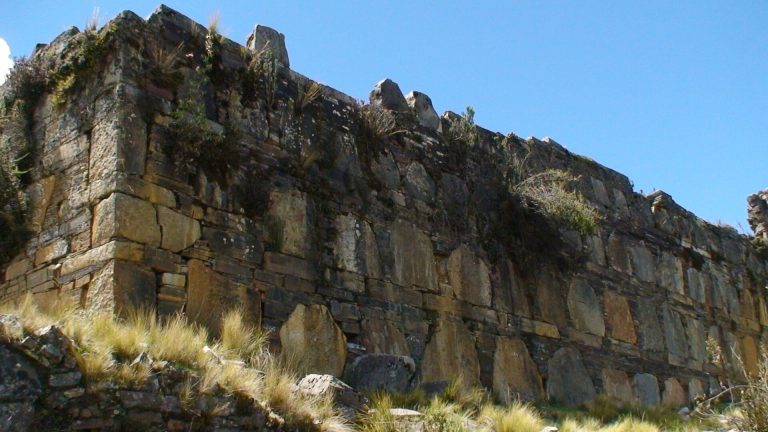
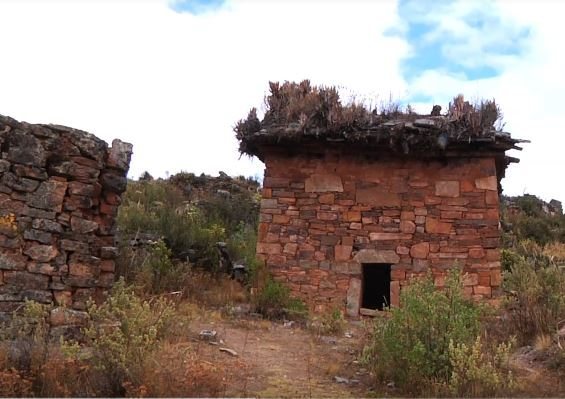
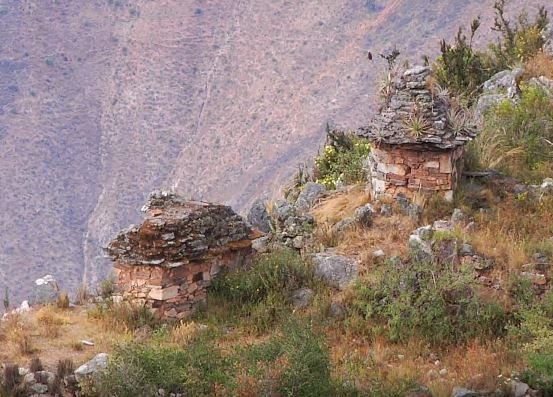
The funerary zone contains 38 stone tombs known as chullpas, structures used for the burial or commemoration of the dead, together with eight funerary caves. Cave 1, Cave 2, and Chullpa 3 are associated with the human remains examined in bioarchaeological research, linking the surviving funerary spaces with evidence of burial practice, cranial surgery, and deliberate alteration of the skull.