Smith’s Fort Plantation: Colonial Plantation and Archaeological Fort Site in Virginia
Site at a Glance
- Rating
- 4.6
- Popularity
- Low
- Country
- United States
- Primary era
- Early Modern
- External website
- Open
- Eras represented
- Early Modern
- Civilizations
- British
- Site type
- Domestic
- Remains
- Elite Residence
On this page9 sections
History
Smith’s Fort and the Powhatan-Rolfe connection
Smith’s Fort Plantation is a historic plantation and archaeological site in Surry, Virginia, United States, across the James River from the former Jamestown colony. Its name comes from Captain John Smith’s “New Fort,” built in 1609 during the early English settlement at Jamestown. Smith was an English soldier, explorer, and colonial leader. The fort was soon abandoned because dry rot damaged its construction and rats infested the site.
The land later entered the history of the Powhatan alliance, a political association led by Chief Powhatan, the paramount leader in the Virginia region. Powhatan gave the property to John Rolfe as a dowry when Rolfe married his daughter Pocahontas. This association connects the plantation with the early colonial relationship between English settlers and Powhatan communities.
Eighteenth-century plantation
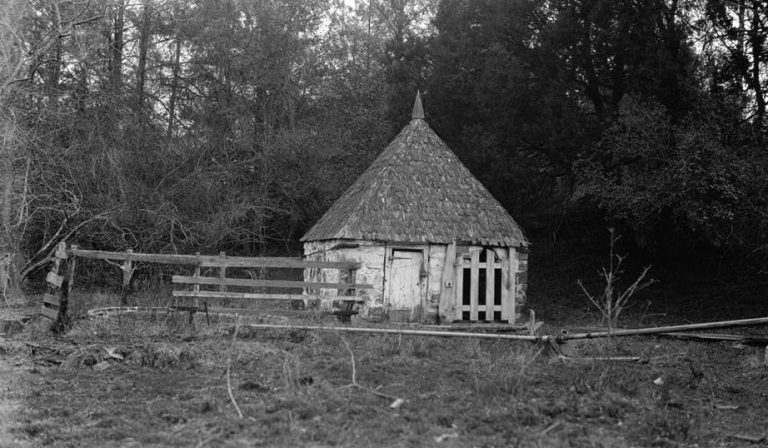
Several structures stood on the property over time. The present main house was built by Jacob Faulcon around 1765. Before archaeological and architectural study revised that interpretation, the building was thought to date from the mid-seventeenth century and to have been associated with Thomas Rolfe or Thomas Warren around 1650. The house was consequently known as the Warren House and the Rolfe-Warren House.
Preservation and historical interpretation
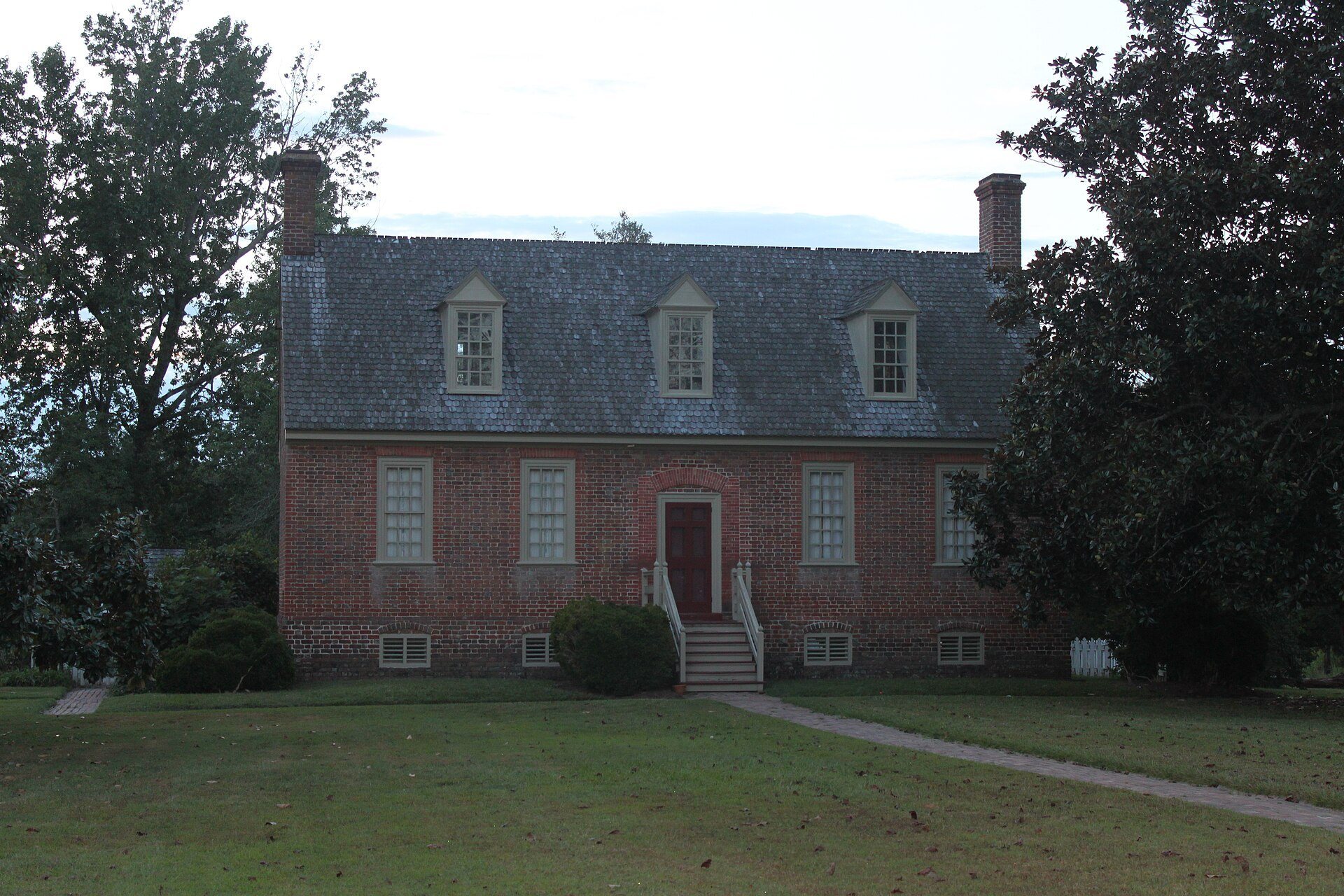
Preservation Virginia, formerly the Association for the Preservation of Virginia Antiquities, acquired the property in 1933 after restoration funded by John D. Rockefeller Jr. The site is now operated as a museum. Its principal house, the restored Faulcon House, also served as a model for numerous twentieth-century reproductions.
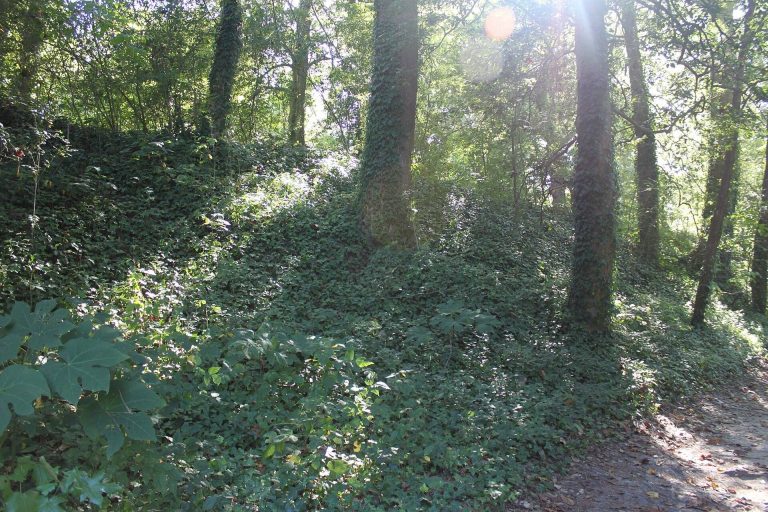
The proposed identification with Smith’s fort remains unconfirmed. Archaeological investigation has examined a ditch and a highly eroded rampart, while surveys have shown that several structures existed on the property. The setting corresponds to Smith’s description of a fort near a convenient river on a high, commanding hill that was difficult to assault and easy to defend. The earthworks have also been considered consistent with fortifications built on Roanoke Island, supporting the site’s status as a likely location while leaving the identification unresolved.
Smith’s Fort Plantation was listed on the Virginia Landmarks Register in 1969 and on the U.S. National Register of Historic Places in 1970. The Warren House received both listings in 1973.
Remains
House and archaeological grounds
Faulcon House
The property includes approximately 5 acres of land and a restored main house known as the Faulcon House. Built around 1765 by Jacob Faulcon, the house is the principal surviving historic building on the plantation. Its earlier names, Warren House and Rolfe-Warren House, reflect the former belief that it was a mid-seventeenth-century building connected with Thomas Rolfe or Thomas Warren. The house later became a model for numerous twentieth-century reproductions.
Fort earthworks
The archaeological remains include a ditch, a sunken excavation that could strengthen a fortification, and a highly eroded rampart, an elevated defensive earthwork. Their position across the James River from Jamestown and near the river accords with the location described for Smith’s fort. The excavated earthworks, together with evidence for several structures, make the property a likely setting for the fort, although the fort’s identity has not been conclusively established.
Museum furnishings
The museum contains furnishings dating from the late sixteenth through the early eighteenth centuries. These objects help represent the period associated with the plantation’s early colonial history and its connection with the James River settlements.