Bentonville Battlefield: Site of a Civil War Battle in North Carolina
Site at a Glance
- Rating
- 4.7
- Popularity
- Low
- Country
- United States
- Primary era
- Modern
- External website
- Open
- Eras represented
- Modern
- Civilizations
- Unclassified
- Site type
- Military
On this page6 sections
History
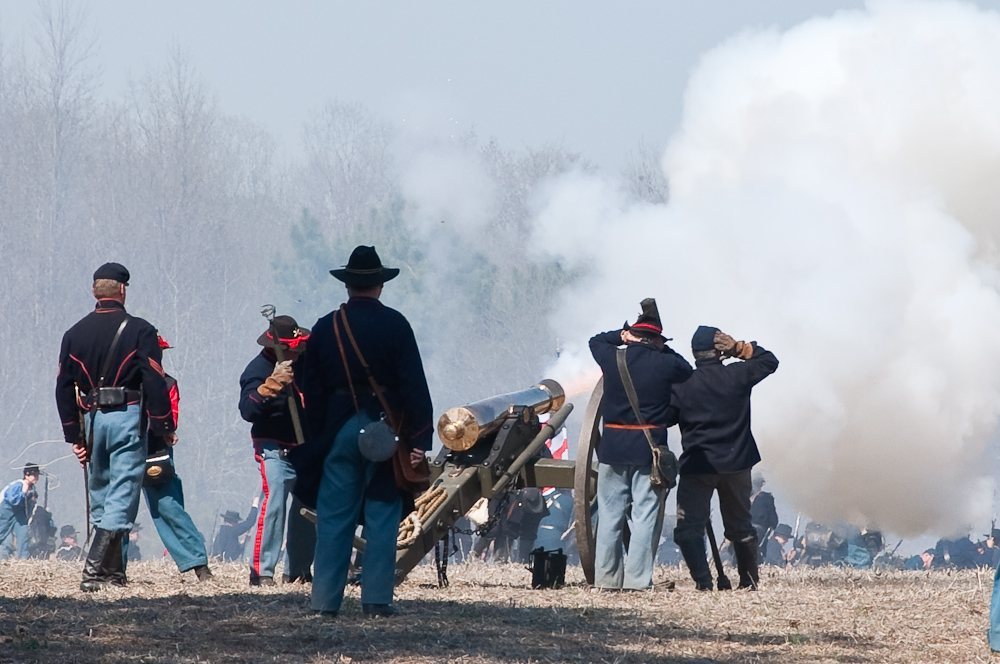
Bentonville Battlefield is the site of the Battle of Bentonville near Four Oaks, North Carolina, in the United States. Fought from March 19 to 21, 1865, during the closing period of the American Civil War, the 1861 to 1865 conflict between the United States government and the Confederacy, it was the largest Civil War battle fought in North Carolina.
The Battle of Bentonville
The Confederate defeat at Bentonville seriously weakened one of the Confederacy’s last major surviving armies. The battle also influenced Union strategy in the region. Ulysses S. Grant, the senior Union general during the final phase of the war, decided to leave William T. Sherman in North Carolina to continue suppressing the forces commanded by Joseph E. Johnston. Sherman’s army was operating in the Carolinas, while Johnston was the principal Confederate commander opposing it there.
Preservation and historical recognition
The battlefield is preserved as Bentonville Battlefield State Historic Site, one of more than 20 North Carolina State Historic Sites interpreting the state’s history. It entered the U.S. National Register of Historic Places on February 26, 1970. The property became a U.S. National Historic Landmark on June 19, 1996, a designation for places recognized as having exceptional national historical significance.
Between 1990 and 2023, the American Battlefield Trust, a nonprofit organization devoted to preserving and interpreting American battlefields, and its partners acquired and preserved 2,063 acres. North Carolina owns about one-third of the original battlefield. The landmarked battlefield area covers approximately 6,500 acres, while the state historic-site area covers 130 acres.
Remains
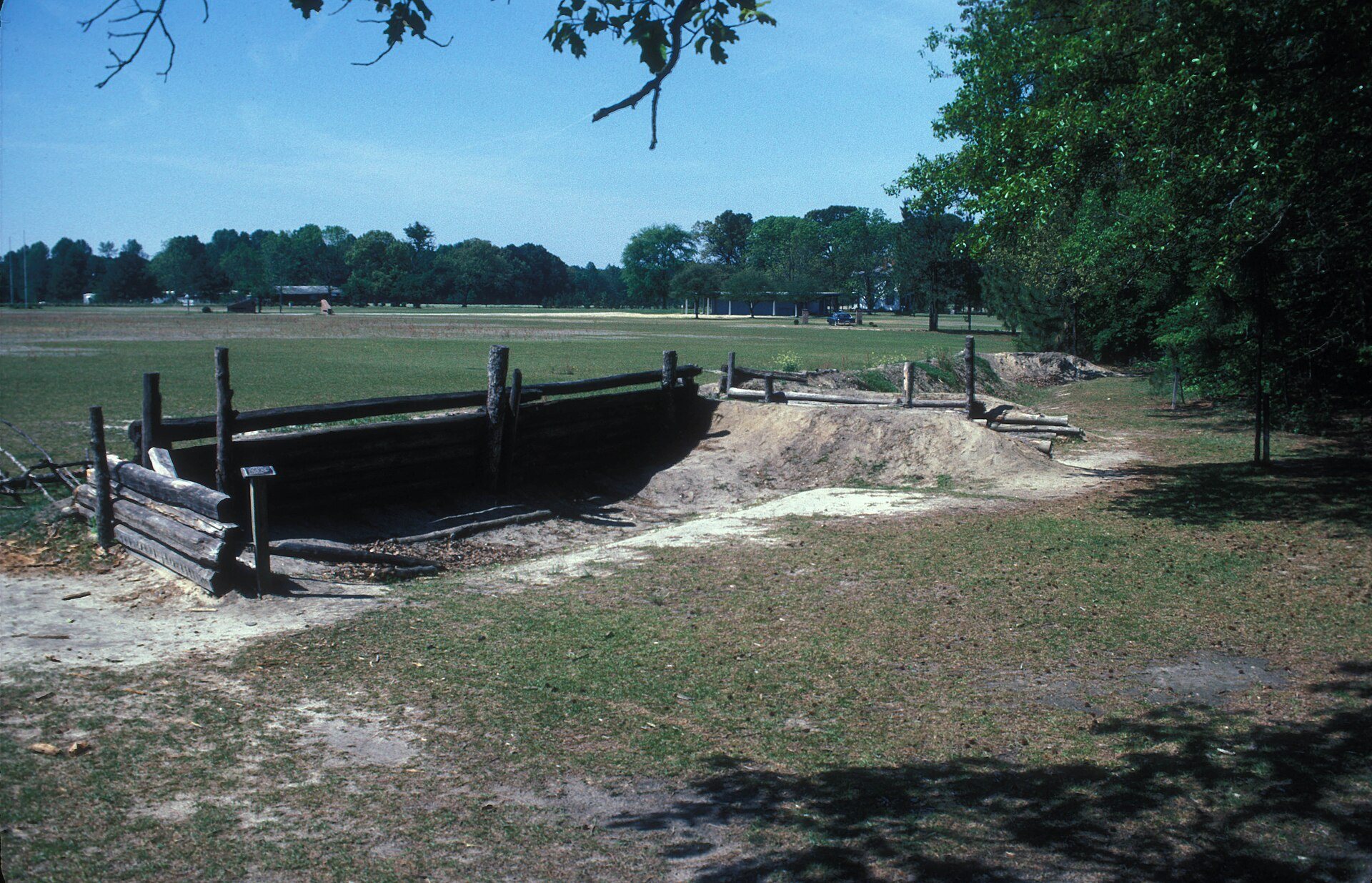
The preserved landscape contains wartime earthworks, defensive constructions made from excavated soil, including trenches, embankments, and protected positions created by both armies during the battle. The site also includes Federal XX Corps reserve trenches, a Confederate cemetery, the Harper family cemetery, and several monuments. These features form the principal physical evidence of the battlefield’s military activity and later commemoration.
Harper House
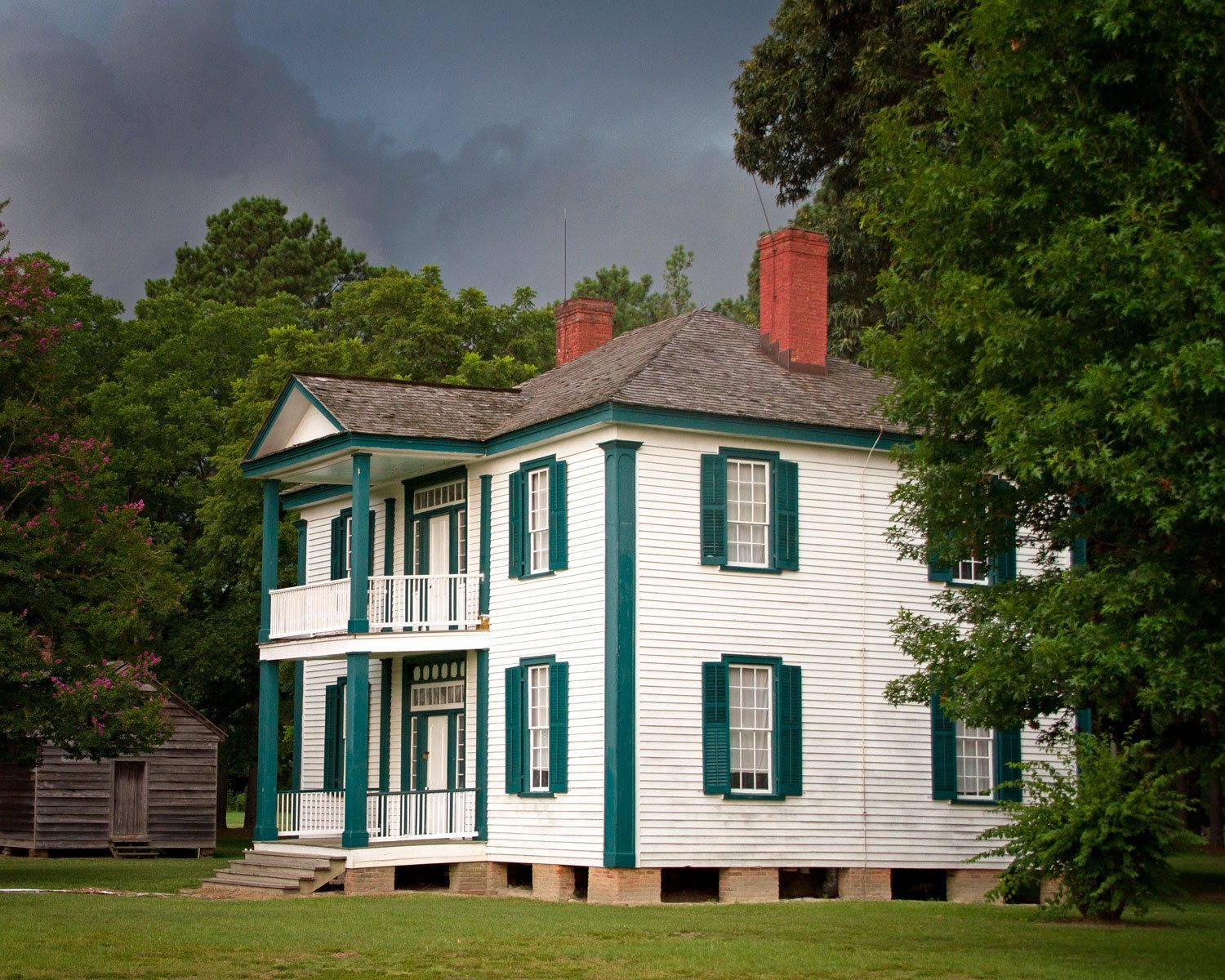
Harper House stands near the southwestern part of the battlefield and dates from the period of the battle. Union Fourteenth Army Corps soldiers used the house as a field hospital, a temporary medical facility established near military operations to treat wounded soldiers. The restored building is accompanied by a reconstructed kitchen and quarters for enslaved people, preserving additional elements of the property’s wartime setting.
Trails and interpretation
Visitors can follow nearly five miles of walking trails along original wartime trenches and a 10-mile driving tour with eight stops. The visitor center presents exhibits on the battle through interactive maps, artifacts, and displays about soldiers and commanders from both armies. A 15-minute audiovisual program also explains the battle.