Kuamoʻo Burials: A Hawaiian Battle Burial Ground
Site at a Glance
- Rating
- 5
- Popularity
- Very Low
- Country
- United States
- Primary era
- Modern
- External website
- Open
- Eras represented
- Modern
- Civilizations
- Unclassified
- Site type
- Burial
- Remains
- Necropolis
On this page6 sections
History
Kuamoʻo Burials, also known as the Lekeleke Burial Grounds, is a Hawaiian battle burial site in Kailua-Kona, on the island of Hawaiʻi in the United States. Associated with the December 1819 Battle of Kuamoʻo, the site is dated to 1819 and is identified with dry-stack masonry, in which stones are fitted together without mortar. More than 300 warriors died in the fighting and were buried beneath lava rocks.
The abolition of the kapu system
The battle followed the death of Kamehameha I in May 1819. His son Liholiho, who became Kamehameha II, and Kamehameha I’s widow, Queen Kaʻahumanu, abolished the kapu system, the traditional Hawaiian framework of religious restrictions and social rules. Its removal disrupted the religious and social order that had governed Hawaiian society before the arrival of Christian missionaries.
Kekuaokalani, a high-ranking Hawaiian leader identified as Kamehameha I’s nephew and possibly his half-brother, led an armed movement to preserve the traditional religious system. His wife, Manono, joined the resistance. Their followers marched from Kaʻawaloa at Kealakekua Bay and confronted the royal army in the Lekeleke area.
The Battle of Kuamoʻo
The royal forces were commanded by Kalanimoku, a leading commander and statesman. Both armies possessed rifles, while Kalanimoku’s forces also used a small cannon mounted on a double canoe. This weapon contributed to the royal victory, in which Kekuaokalani and Manono were killed along with more than 300 other warriors.
The dead were buried beneath lava rocks in the Kuamoʻo area. The remaining followers of the old religion dispersed and were pardoned. The battle ended organized armed resistance to the abolition of the traditional religious system. American Protestant missionaries, including Asa Thurston and Hiram Bingham, arrived within the following year, after which Hawaii’s religious and cultural order changed. No battle of comparable size has occurred on the island since.
The Kuamoʻo and Lekeleke names
Lekeleke was an area on the boundary between the traditional land divisions of Keauhou and Honalo. An ahupuaʻa was a Hawaiian land division extending from the uplands toward the sea and supporting communities through access to different ecological zones. The name Kuamoʻo comes from the nearby bay, point, and land division, and means “backbone” in Hawaiian.
The battlefield is listed on the Hawaii Register of Historic Places as site 10-37-1745. It was added to the U.S. National Register of Historic Places in 1974 under reference number 74000714.
Remains
Burial ground and lava landscape
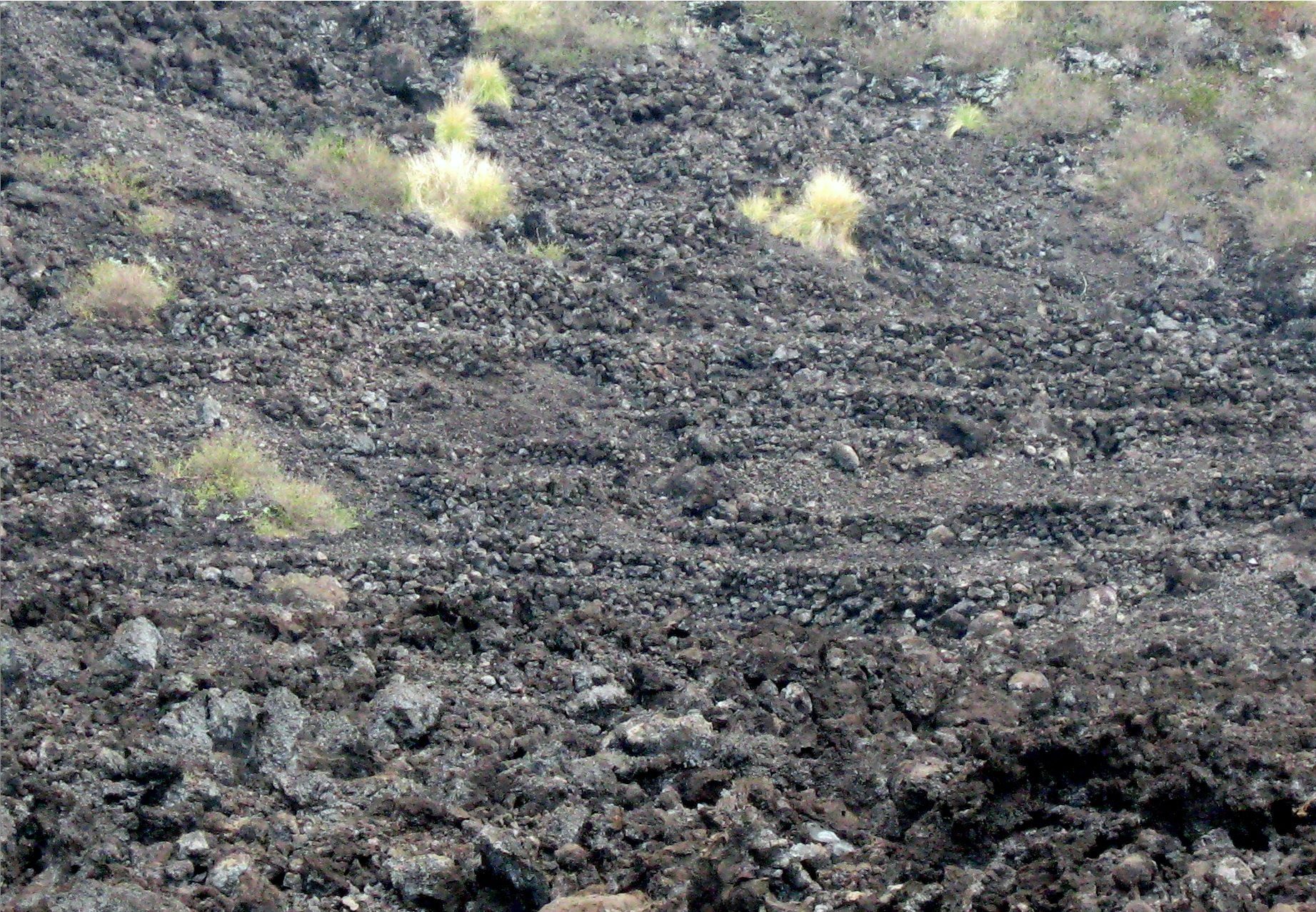
Kuamoʻo Burials occupies a lava landscape at Kuamoʻo Bay in the North Kona District of the island of Hawaiʻi. The burial ground consists of the battle dead placed beneath lava rocks, while the wider Kuamoʻo area contains the battlefield associated with the 1819 conflict. The site lies near the boundary between Keauhou and Honalo, linking the burial ground to the traditional territorial setting of Lekeleke.
The site record identifies dry-stack masonry as its architectural style and gives 1819 as its construction date. Kuamoʻo Bay and Kuamoʻo Point are associated with the burial ground and battlefield. North of the burial ground are the Keauhou hōlua, a sledding structure or course used for traditional Hawaiian sledding, and historic Keauhou Bay.