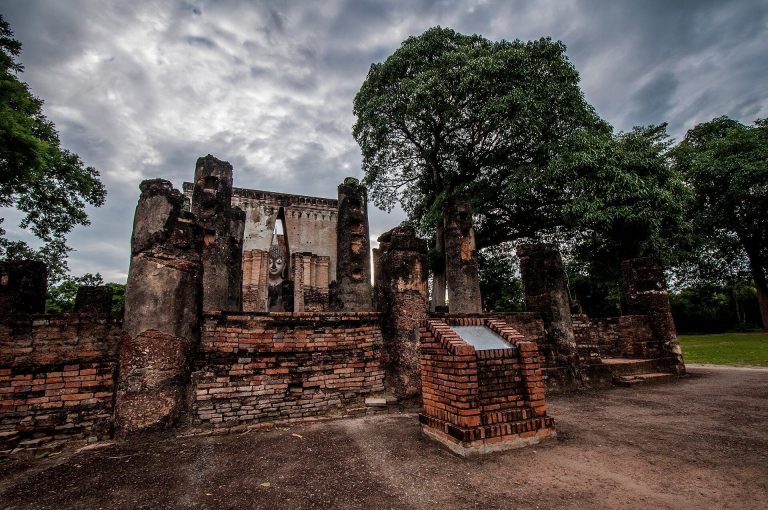
Thuriang Kilns: A Historic Pottery-Production District in Sukhothai, Thailand
Site at a Glance
- Rating
- 4.4
- Popularity
- Very Low
- Country
- Thailand
- Primary era
- Medieval
- External website
- Open
- Eras represented
- Medieval, Early Modern
- Civilizations
- Ayutthaya
- Site type
- Economic
- Remains
- Production Complex
On this page8 sections
History
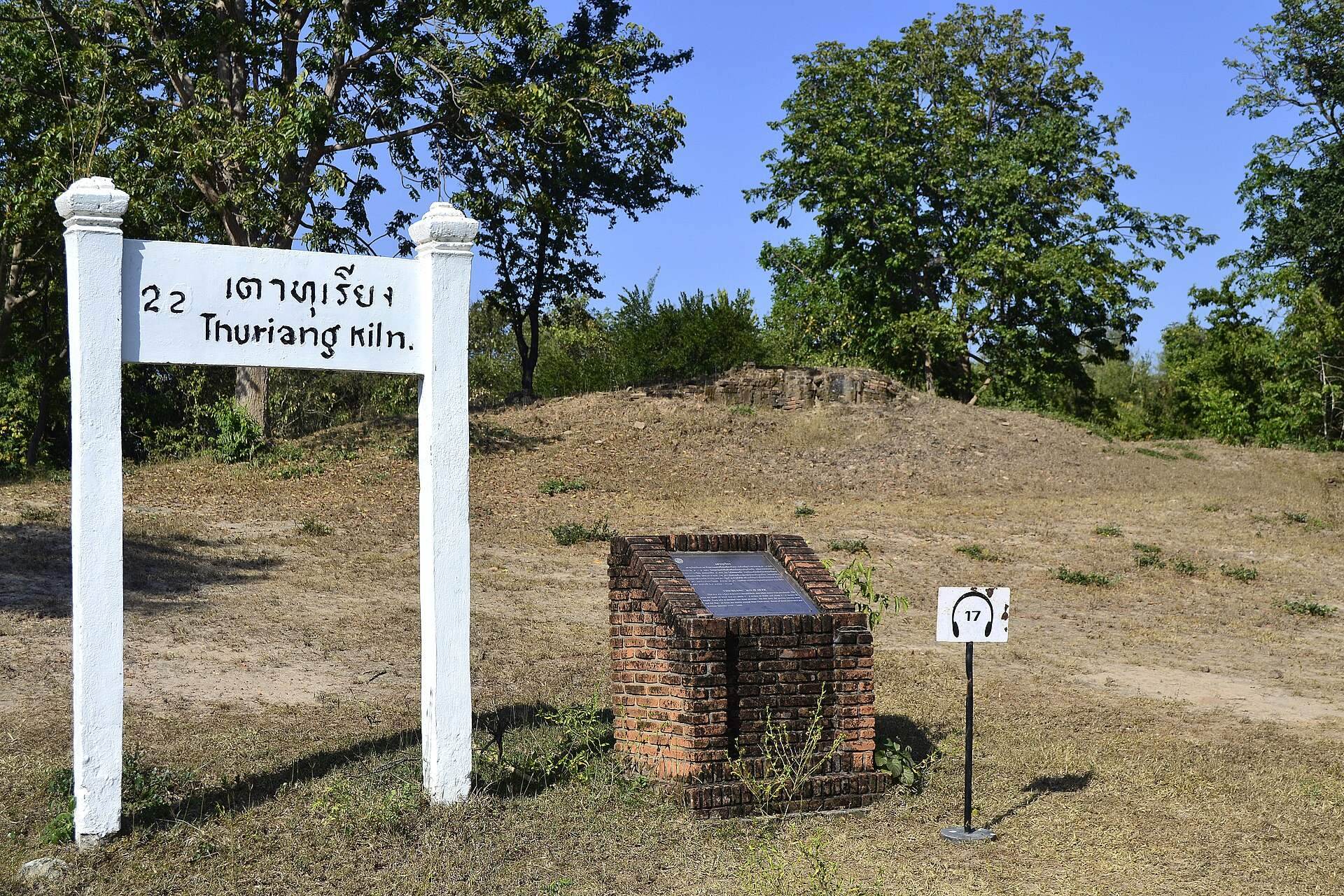
Thuriang Kilns was a former pottery-producing district on the northern edge of historic Sukhothai in Thailand. It probably operated from the late thirteenth century until the second half of the sixteenth century and formed part of the wider Sukhothai centre whose ceramics circulated across Asia.
Production and trade
The district made large quantities of earthenware, pottery fired at comparatively low temperatures, alongside high-quality Sukhothai and Sawankhalok stonewares. Stoneware is a denser ceramic fired at higher temperatures. These wares were traded widely across Asia, while only 11 of the 51 identified kilns could reach the temperatures needed for their production. Around 100 kilns are suspected to have existed across the district.
Changes through time
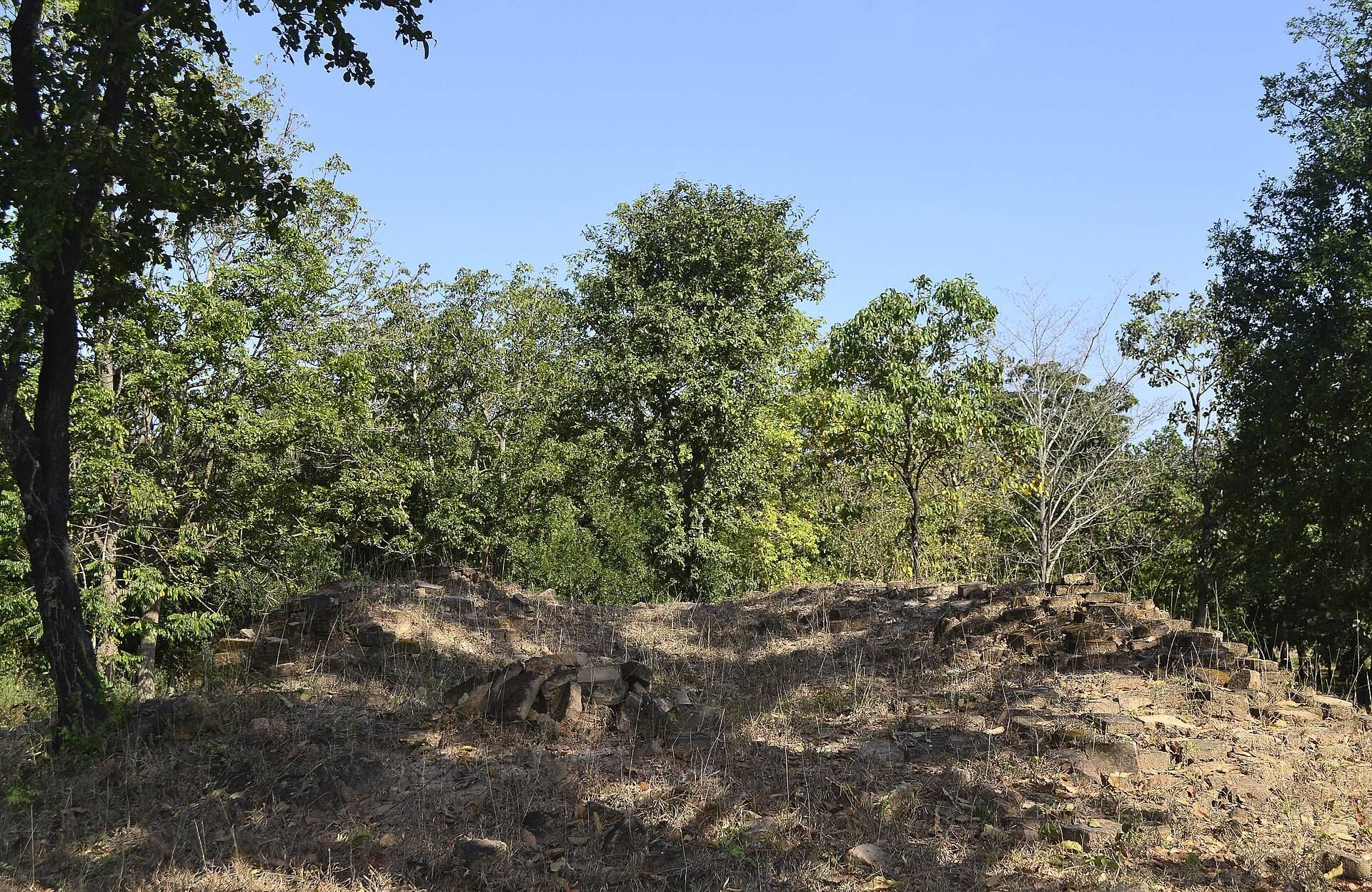
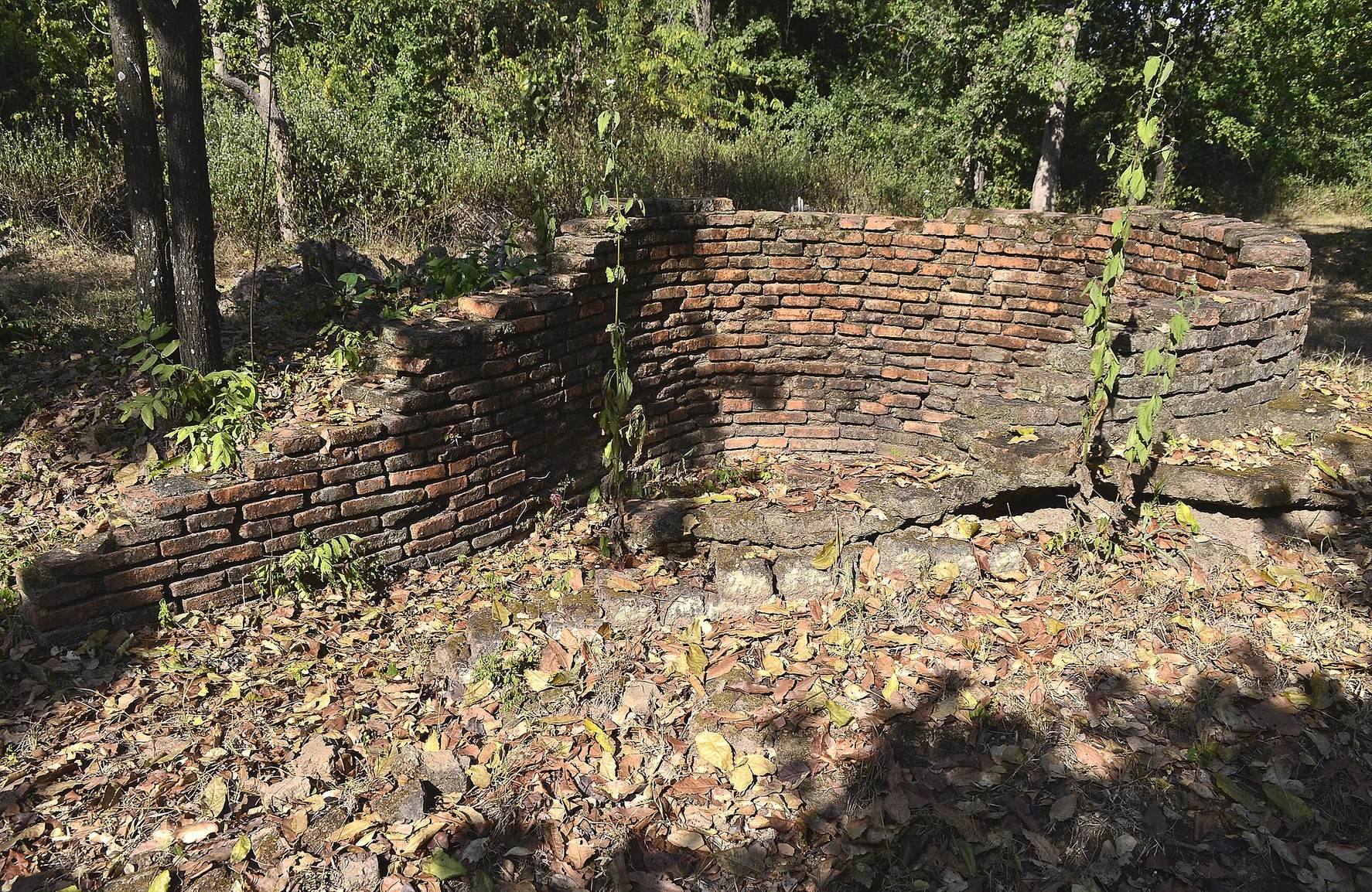
Pottery manufacture developed through several kiln forms. Early structures began as simple caves cut into the ground, followed by intermediate designs and then fully engineered brick kilns built above ground. Later kilns were constructed over earlier ones, producing the earthen mounds that remain visible in the district. The kilns lie within Sukhothai Historical Park, part of the UNESCO World Heritage site.
Remains
District layout
The kiln district extends about 700 metres from east to west and roughly 100 metres from north to south. It stands approximately 800 metres outside the old city walls, immediately north of the moat around Wat Phra Phai Luang, a Buddhist temple complex. Wat Tao Thuriang lies within the pottery-producing area. The most prominent kiln ruins are west of the wat, where they survive in varying conditions and are partly overgrown.
Kiln structures
Earthenware kilns
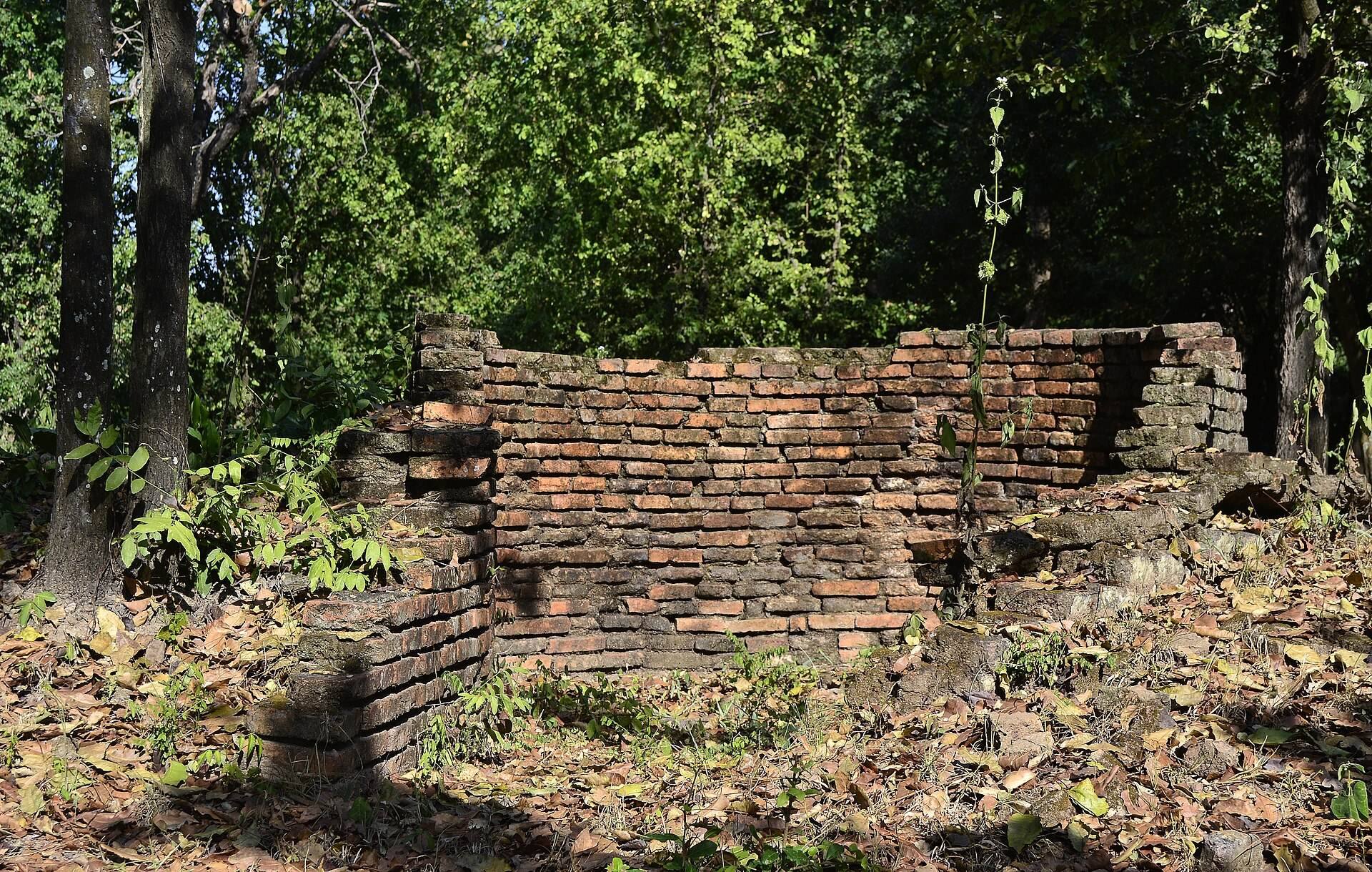
The simpler kilns used for earthenware were round updraft kilns. In this design, hot air moved upward through the firing chamber. The surviving remains include firing areas and pottery chambers, with some firing chambers positioned substantially below the chambers where vessels were placed.
Stoneware kilns
The kilns for Sukhothai and Sawankhalok wares were three-part cross-draft structures. A lower firing chamber led to a larger oval chamber with a domed roof, while an outlet at the rear carried air toward a chimney. The remains visibly preserve firing areas, pottery chambers, flue sections, and some chimney structures. Above-ground brick kilns make up most of the surviving archaeological forms.