Iskanwaya: A Mollo Archaeological and Sacred Site in Bolivia
Site at a Glance
- Rating
- 4.2
- Popularity
- Very Low
- Country
- Bolivia
- Primary era
- Medieval
- Eras represented
- Medieval
- Civilizations
- Unclassified
- Site type
- City
On this page8 sections
History
Iskanwaya is a pre-Columbian archaeological and sacred site near Pueavilla in Bolivia, attributed to the Mollo culture and associated with the period after the fragmentation of Tiwanaku into smaller regional polities. Its origins remain uncertain. One chronology places its establishment as early as 800 BC, while another identifies its principal cultural period as approximately 1145 to 1425, when the settlement remained inhabited.
Mollo Settlement and Inca Conquest
The Mollo were a pre-Inca society of the inter-Andean valleys of present-day Bolivia. Iskanwaya developed within this regional cultural setting and became a substantial settlement with a sacred role that continues among local inhabitants. Its monumental character, mountain location, and relationship to the cultures of the inter-Andean valleys have made it one of Bolivia’s important archaeological areas.
In the fifteenth century, an Inca army from Cusco conquered Iskanwaya. After the conquest, the settlement’s inhabitants were moved to Aucapata and to other locations that have not been identified. This relocation marked a major change in the history of the community and ended Iskanwaya’s period as an inhabited Mollo settlement.
Archaeology and Heritage Protection
Major archaeological investigations took place during the 1970s and 1980s under the direction of Carlos Ponce Sanjinés, working with Bolivia’s National Institute of Archaeology. The investigations were accompanied by the development of access roads and the creation of a museum in Aucapata, now known as the Dr. Carlos Ponce Sanjinés Regional Archaeological Museum. Iskanwaya forms part of Bolivia’s cultural heritage and is designated a national monument.
The archaeological area covers about 15 hectares, although only a small part had been investigated. In 2018, the Departmental Government of La Paz presented an integrated restoration and conservation plan that included renewed archaeological research. By October 2019, the restoration project was reported as 40 percent complete. In March 2022, Governor Santos Quispe and the Departmental Secretariat of Tourism and Cultures inaugurated the site as an archaeological restoration and tourism project intended to protect the heritage and support the regional economy. A proposed estimate places the ancient population at approximately 2,500 to 3,000 inhabitants.
Remains
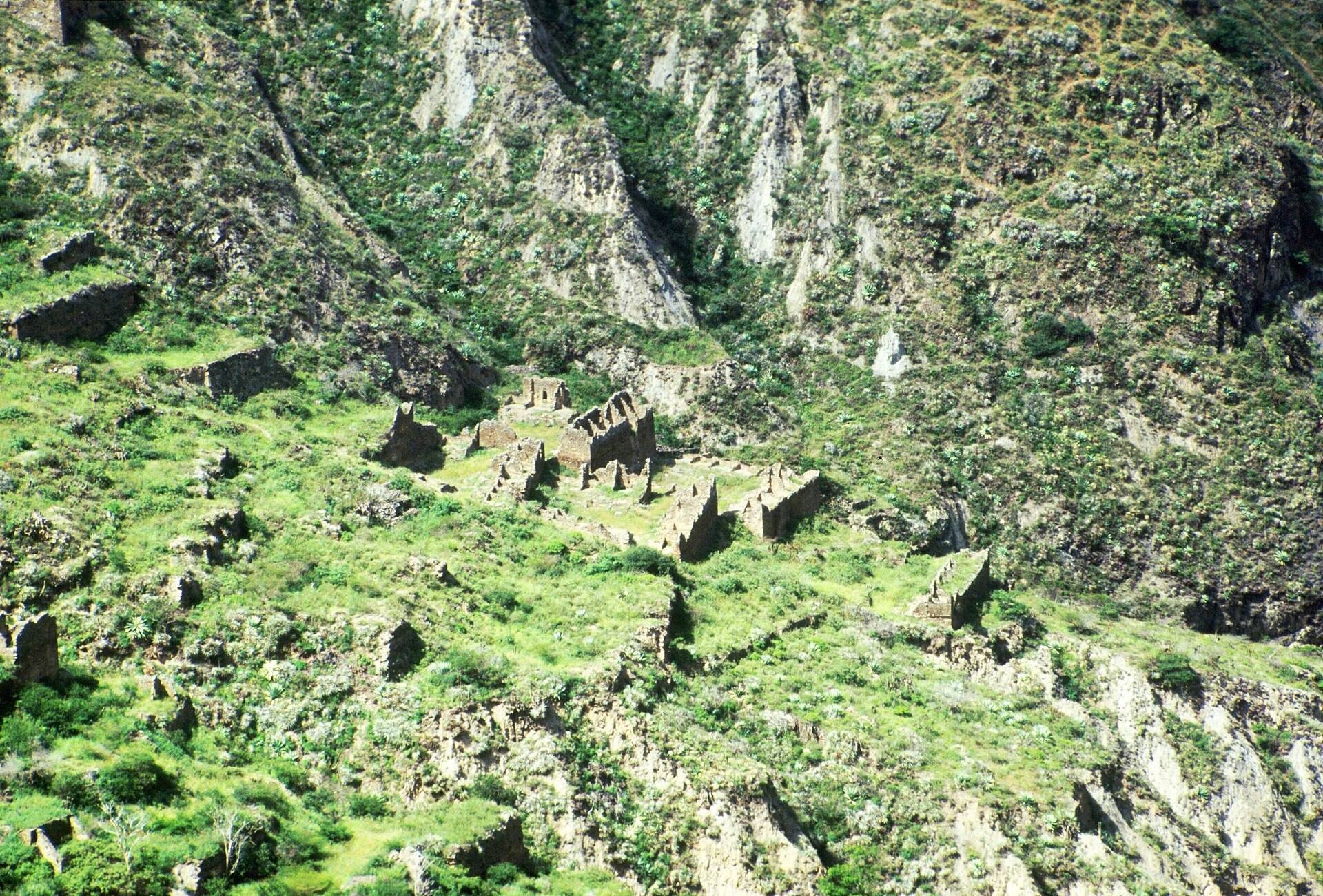
Iskanwaya occupies a mountain ridge on the edge of the Cordillera Real, the major mountain range of the Bolivian Andes. The settlement stands approximately 250 metres above the Llica River canyon and 1,672 metres above sea level, about 11 kilometres from Aucapata. It was built on two raised, level platforms and is described as covering about 0.6 square kilometres. More than 100 substantial buildings are associated with the site, while 13 rooms are said to have survived.
Settlement Layout and Houses
Platforms and Buildings
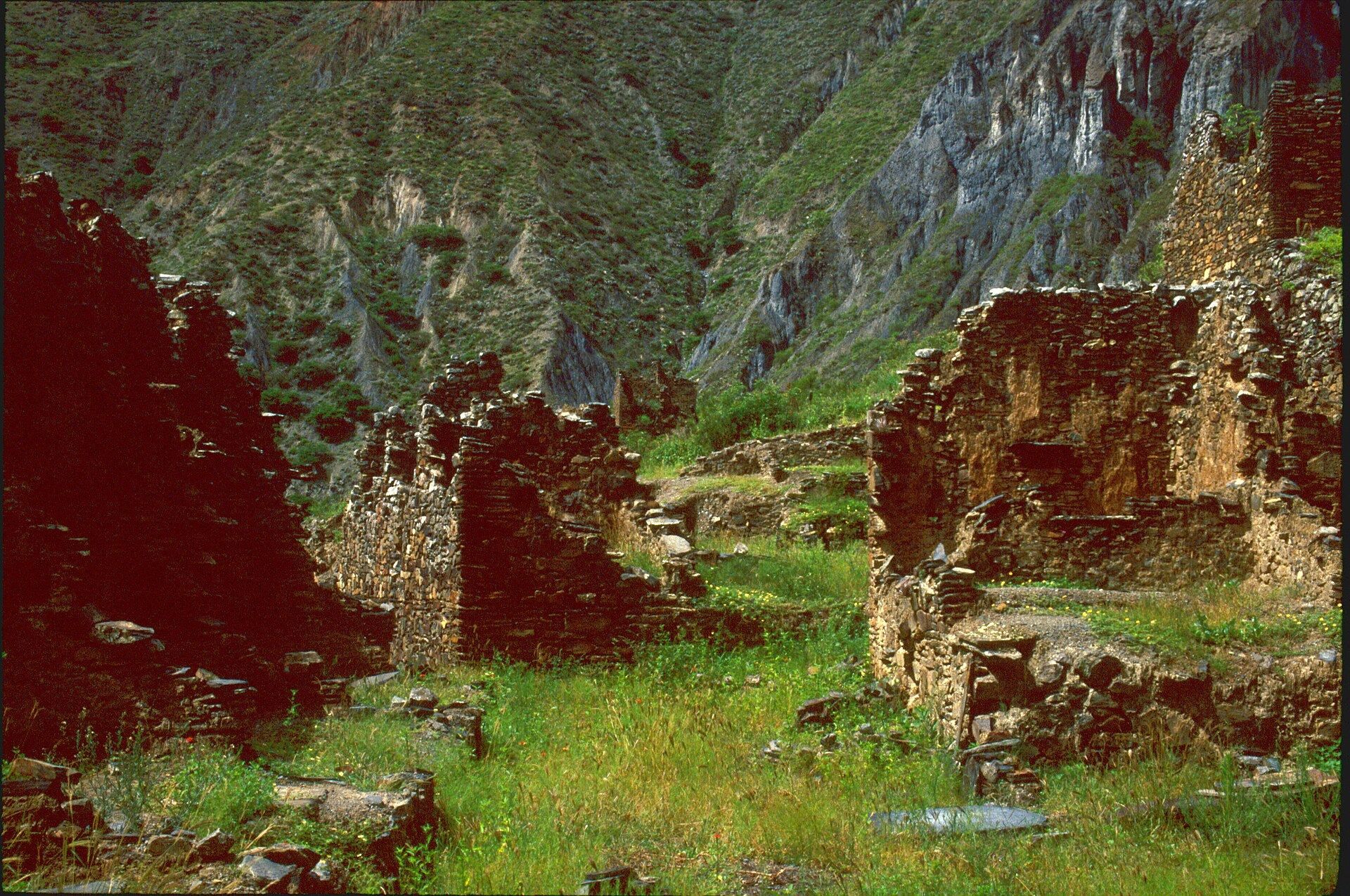
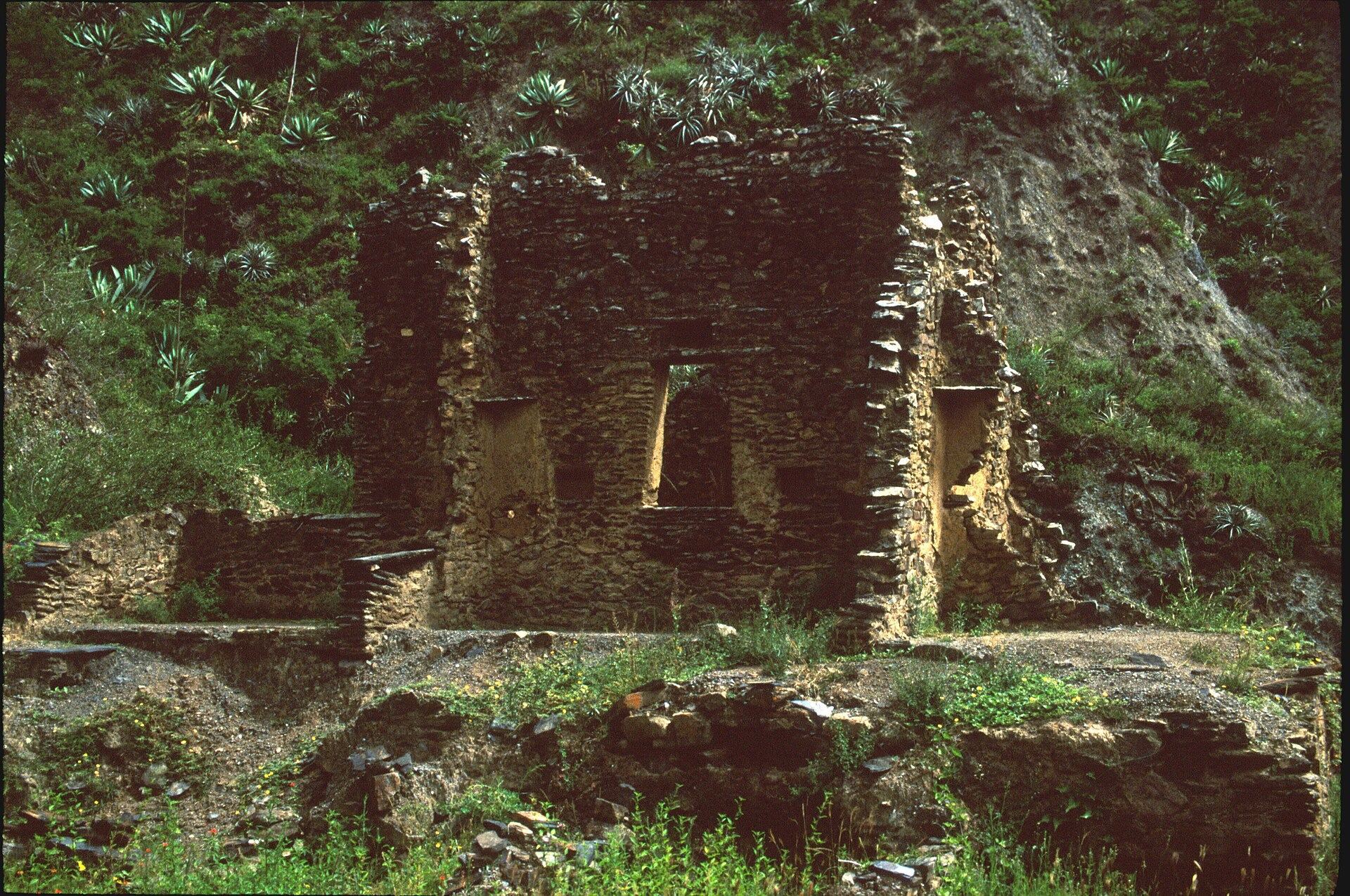
The settlement’s streets ran from east to west. Rectangular houses were arranged around internal patios, creating groups of domestic buildings on the two platforms. Slate blocks and earthen materials formed the walls, which were joined with mud mortar. The surviving platforms, buildings, streets, and patios provide the principal outline of the settlement’s organization.
Storage and Household Ritual Features
Spaces beneath the floors of the houses served as storage areas or granaries. Many rooms also contained the remains of a young child in a subfloor space covered by a movable slate slab with a small circular opening. The opening may have allowed offerings to be made while seeking the child’s protection. A flat stone commonly stood before each entrance and was used to grind maize.
Agriculture and Water Management
Iskanwaya included agricultural terraces and an irrigation network that brought running water from the Naranjani ravine, a narrow, steep-sided valley or gorge. Channels distributed the water among the dwelling groups, while reservoirs were found at the center of the principal plaza. These terraces, channels, and reservoirs formed part of the settlement’s physical infrastructure and supported its occupation on the mountain ridge.
The site is less well preserved than Machu Picchu, although it has been described as larger and older. Its surviving remains include the settlement platforms, buildings, streets, patios, subfloor storage spaces, agricultural terraces, irrigation channels, and water reservoirs.