Shivneri Fort: A Historic Hill Fort in Maharashtra
Site at a Glance
- Rating
- 4.8
- Popularity
- Medium
- Country
- India
- Primary era
- Medieval
- Eras represented
- Classical, Medieval
- Civilizations
- Unclassified
- Site type
- Military
- Remains
- Fort
On this page8 sections
History
Shivneri Fort is a historic hill fort in India near Junnar in Maharashtra, traditionally identified as the birthplace of Chhatrapati Shivaji Maharaj, the seventeenth-century founder of the Maratha Kingdom. The fort acquired its name under the Yadavas of Devagiri, a medieval dynasty based in the Deccan, and served primarily to guard the old trade route linking the Desh region with the port of Kalyan.
Early and Sultanate Rule
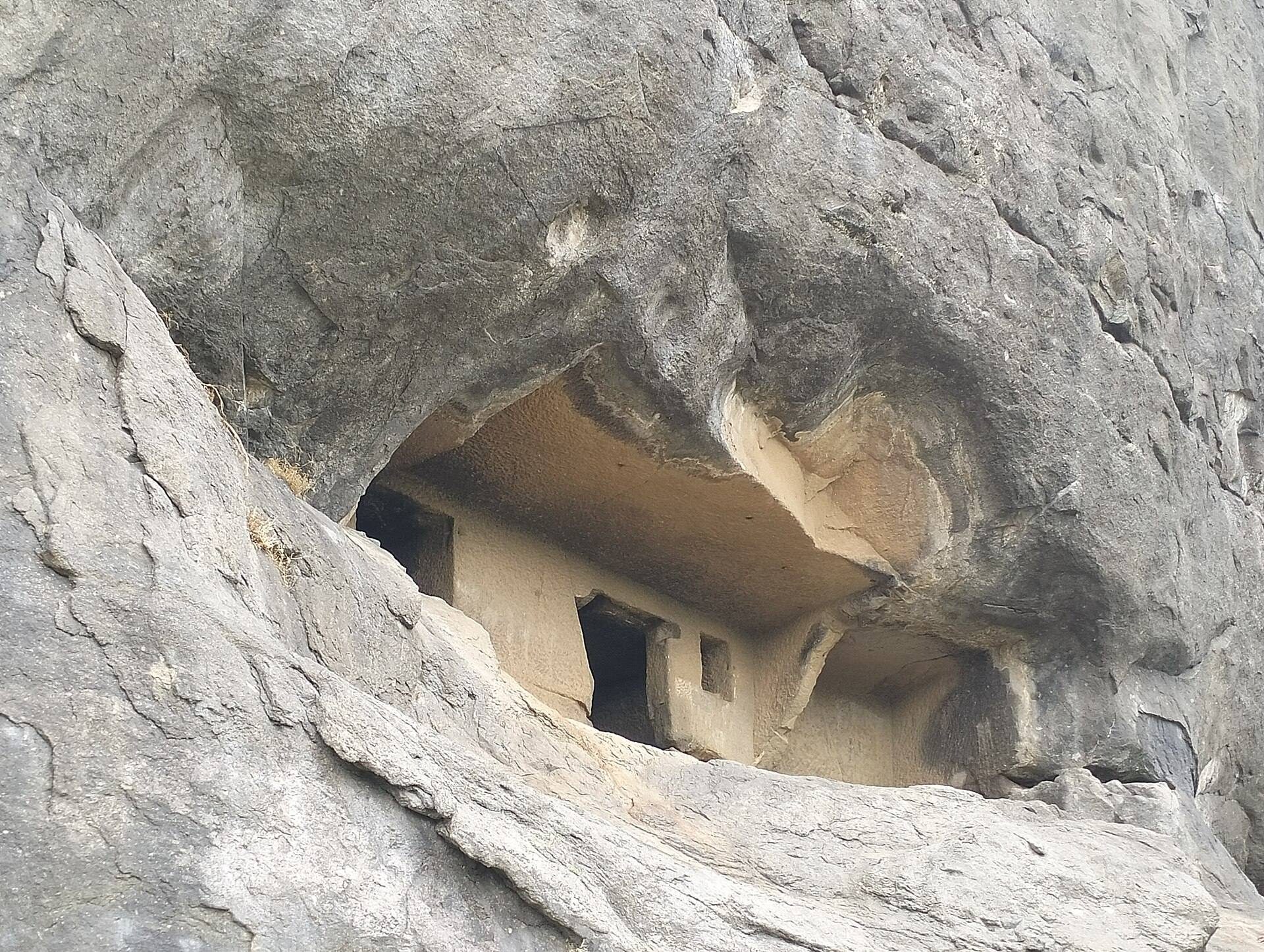
The site may have been occupied as early as the first century, although this remains uncertain. Its surviving Buddhist rock-cut caves are associated with that possible early activity. After the Delhi Sultanate weakened, Shivneri passed to the Bahmani Sultanate during the fifteenth century and later to the Ahmadnagar Sultanate in the sixteenth century. In 1595, Bahadur Nizam Shah of Ahmadnagar ennobled the Maratha chief Maloji Bhosale, Shivaji’s grandfather, and granted him Shivneri and Chakan.
Shivaji and the Maratha Fort
The fort came under Mughal rule in 1600. Shivaji later made several unsuccessful attempts to recapture it, while his successor, Shahu I, recovered it in 1716. Shivaji was born at Shivneri on 19 February 1630 and spent his childhood there. A small temple dedicated to Shivai Devi, a Hindu goddess associated with the fort, stands within the stronghold. Local tradition connects Shivaji’s name either with the goddess or with the name Shivneri.
The English traveller Fraze visited Shivneri in 1673 and described it as apparently impregnable. He stated that the fort’s provisions could feed 1,000 families for seven years, reflecting the defensive importance attributed to the site during the period of Maratha and Mughal power.
British Control and Heritage Status
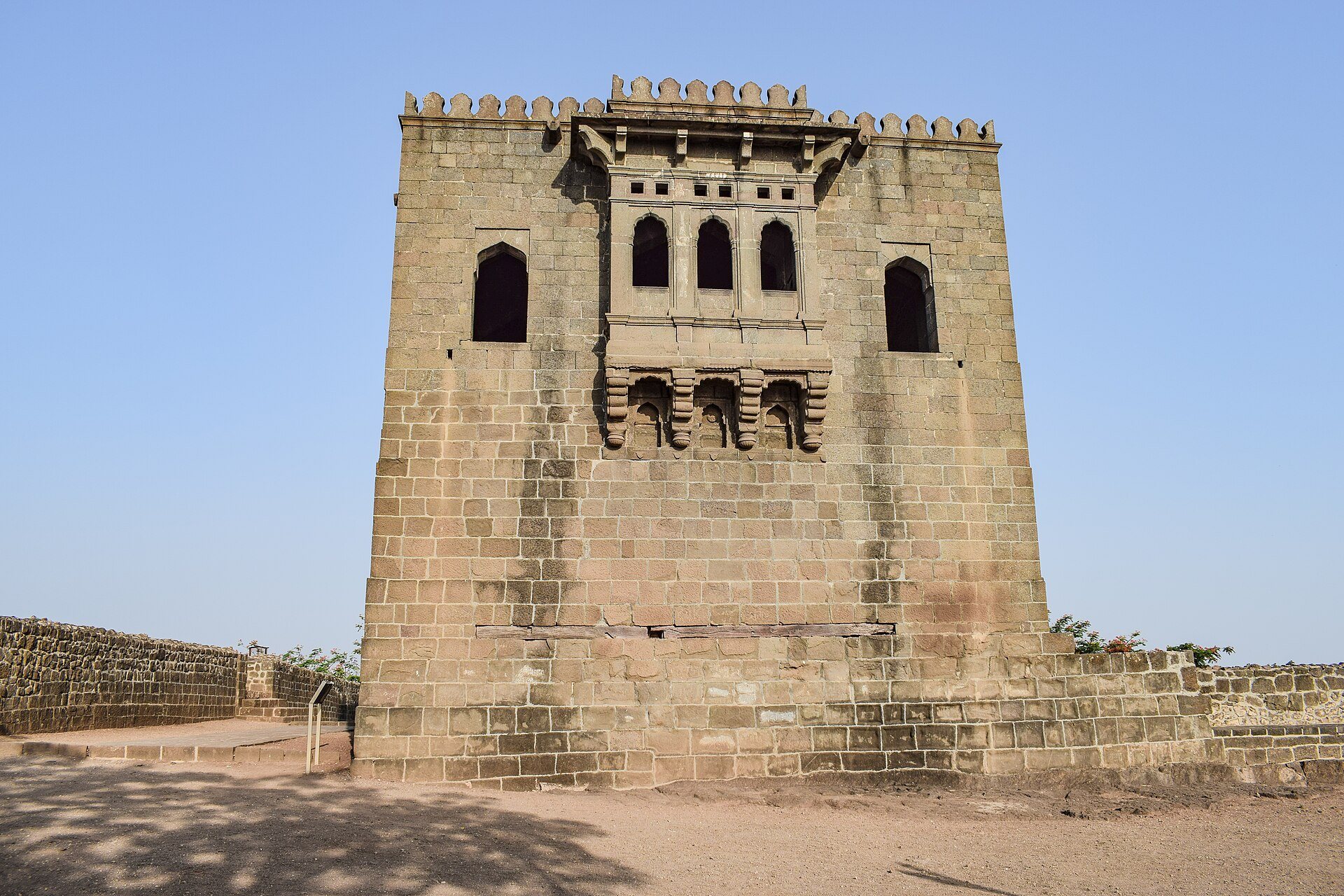
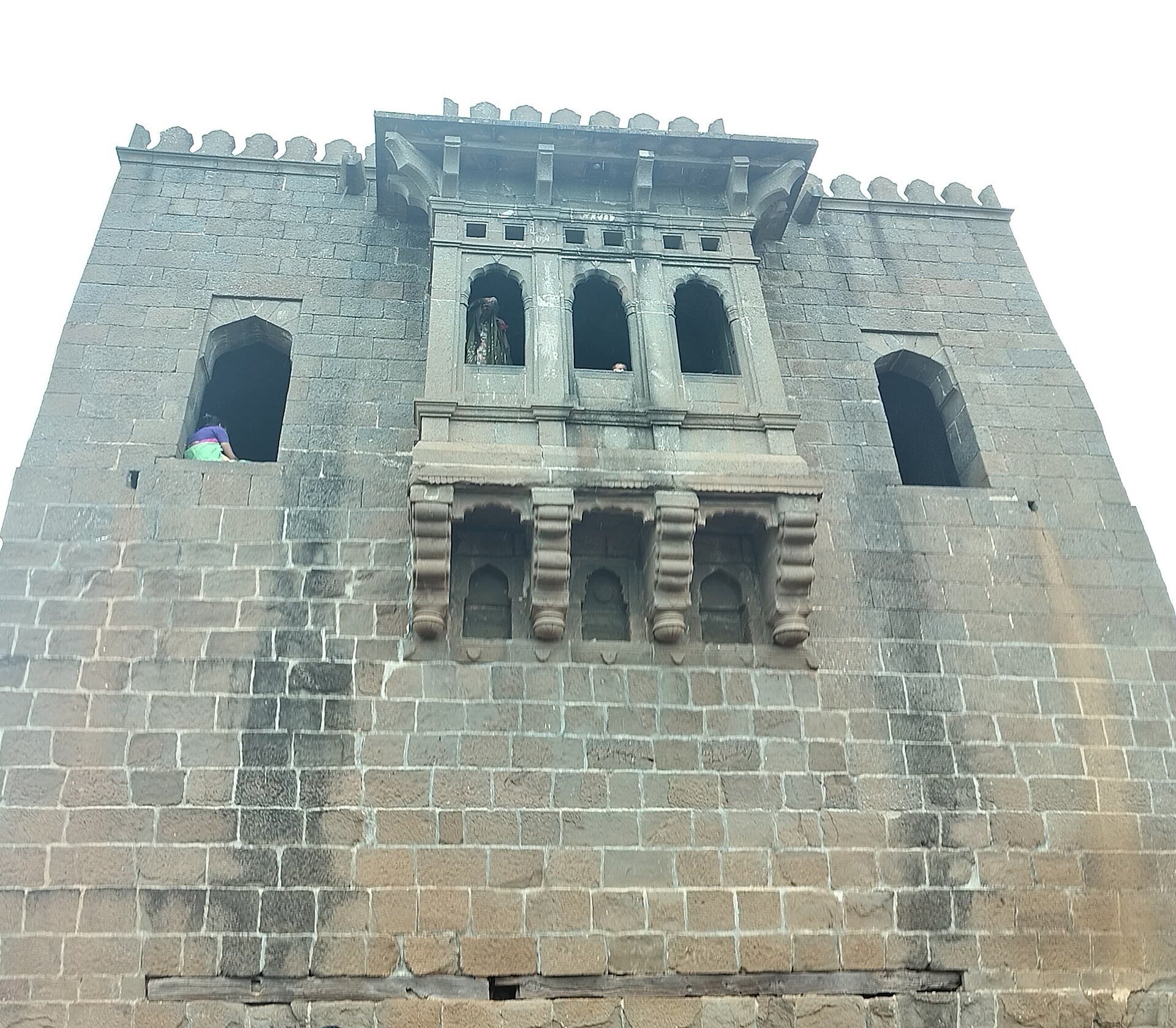
After the Third Anglo-Maratha War, the fort came under British control around 1819 or 1820. British authorities restored a gateway and the structure traditionally identified as Shivaji’s birthplace around 1925. Shivneri was placed on UNESCO’s tentative list in 2021 as part of the Maratha military architecture nomination and was inscribed in 2025 within the serial World Heritage property Maratha Military Landscapes of India, under criteria (iv) and (vi). The inscribed property covers 28.72 hectares and has a buffer zone of 15,050.48 hectares. Shivneri is also a protected monument owned by the Government of India.
Remains
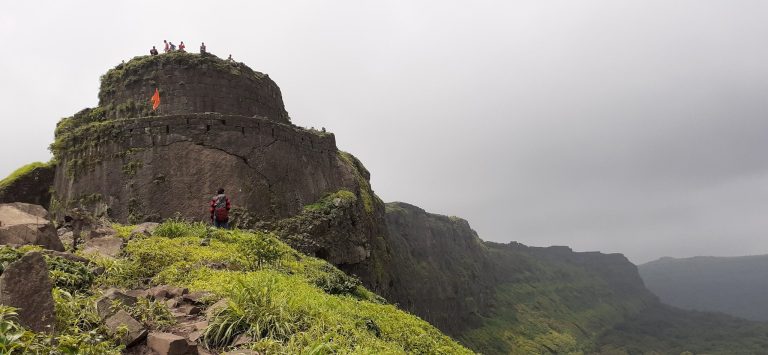
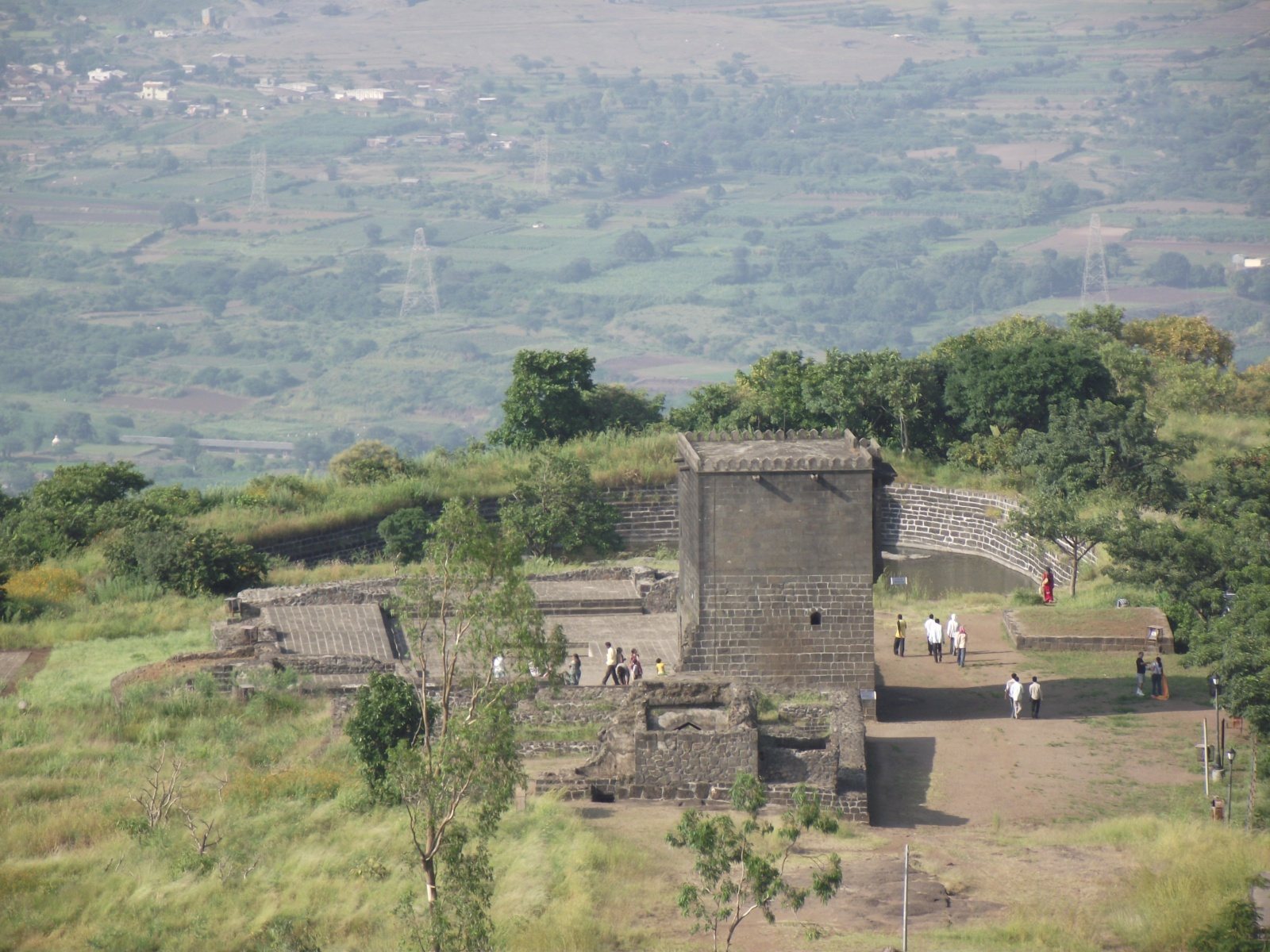
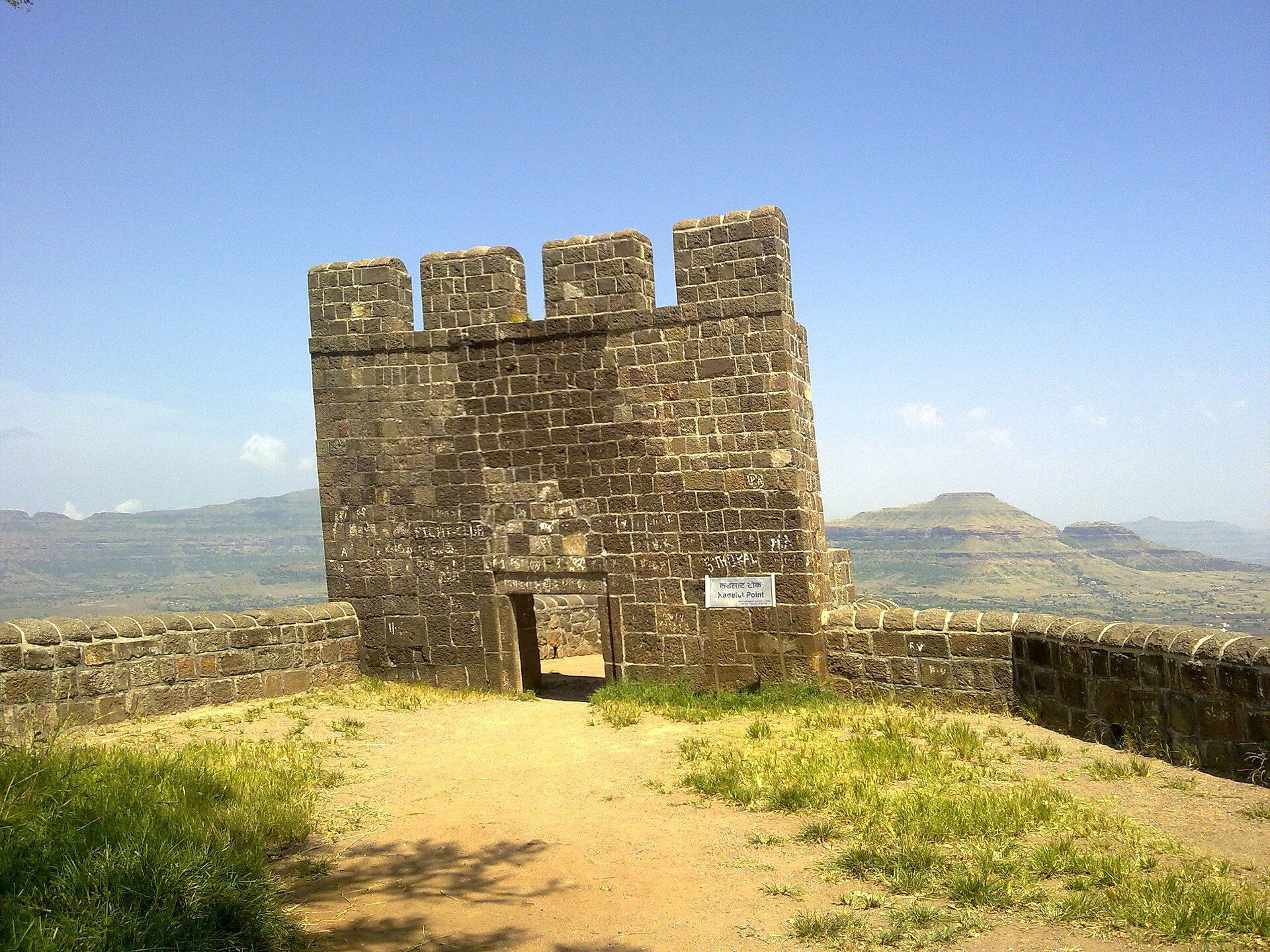
Shivneri occupies a 1,024-metre-high summit rising about 300 metres above the surrounding land, approximately 3 kilometres southwest of Junnar. The hill fort has a triangular plan, extends for about 1.5 kilometres, and is enclosed by earthen walls. Its defensive system includes seven fortified gates and numerous associated gate structures, arranged across the steep elevated terrain.
Gates and Defensive Features
The principal entrance lies on the southwestern side of the hill. A secondary entrance on the western scarp is locally called the Chain Gate because climbers hold chains while ascending the steep approach to the gate. Maha Darvaja, another of the fort’s entrances, is also known as the “Source of Tone.” An overhanging structure projecting from the wall was used for executions, adding a punitive function to the defensive complex.
Water and Internal Buildings
Badami Talav, a water pond, occupies the centre of the fort. Two springs called Ganga and Yamuna are said to retain water throughout the year. The fort’s internal buildings include a prayer hall, a tomb, and a mosque. A large cistern forms part of the surviving water infrastructure, although it no longer holds water. Much of the fort is now ruined.
Commemorative Structures and Caves
South of Badami Talav stand statues of Rajmata Jijabai, Shivaji’s mother, and the young Shivaji. They are housed within a temple-like structure described as being in European style. The gateway and the structure traditionally identified as Shivaji’s birthplace were restored around 1925.
Buddhist rock-cut caves lie below the fort’s summit plateau and are also associated with the nearby Lenyadri Caves, approximately 2 kilometres away. Lenyadri contains one of Maharashtra’s eight Ashtavinayak temples, a group of eight particularly revered temples dedicated to Ganesha.