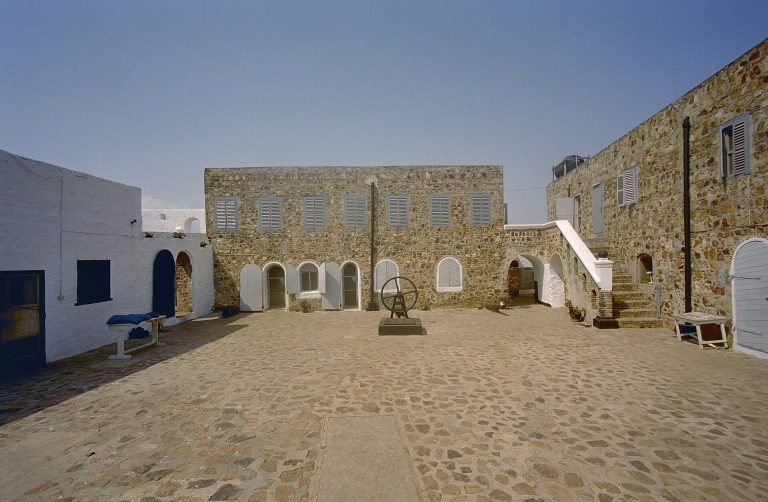
Ussher Fort: A Dutch Colonial Fort in Accra, Ghana
Site at a Glance
- Rating
- 4.1
- Popularity
- Low
- Country
- Ghana
- Primary era
- Early Modern
- External website
- Open
- Eras represented
- Early Modern
- Civilizations
- Dutch
- Site type
- Military
- Remains
- Fort
On this page6 sections
History
Ussher Fort is a surviving Dutch colonial military and commercial fort in Accra, Ghana, built in 1649 during the period of Dutch expansion along the Gold Coast, the historical European name for the coastal region of present-day Ghana. It developed from a trading post established in 1642 and became known as Fort Crèvecœur after its enlargement by the Dutch West India Company, a chartered company formed for commerce, colonization, and warfare in the Atlantic world.
Dutch Origins and Regional Trade
Negotiations for a Dutch fort on the site had begun in 1610. The establishment was part of the Dutch Gold Coast’s network of fortified trading posts, which supported both commercial activity and military defense. Although Fort Crèvecœur was less imposing and politically important than Elmina and Cape Coast Castle, it generated substantial revenue for its owners and became involved in European colonial trade and the Atlantic slave trade.
Fort Crèvecœur was one of three European fortified trading posts established in the Accra region during the mid-seventeenth century, alongside Fort Osu and Fort James. Henry Caerlof, a Dutch representative associated with Crèvecœur, developed relations with the Dey of Fetu, the ruler of a Gold Coast polity. The Dey later permitted Caerlof to build Fort Osu in 1652 for the Swedish Africa Company. Fort Osu was subsequently known as Christiansborg.
Capture, Destruction, and Rebuilding
French forces briefly captured Fort Crèvecœur in 1652, after which it returned to Dutch control. During the war between Britain and the Dutch Republic, a British force commanded by Captain Thomas Shirley captured the fort in 1781, following the repulse of a British attack on Elmina. The fort was then completely destroyed.
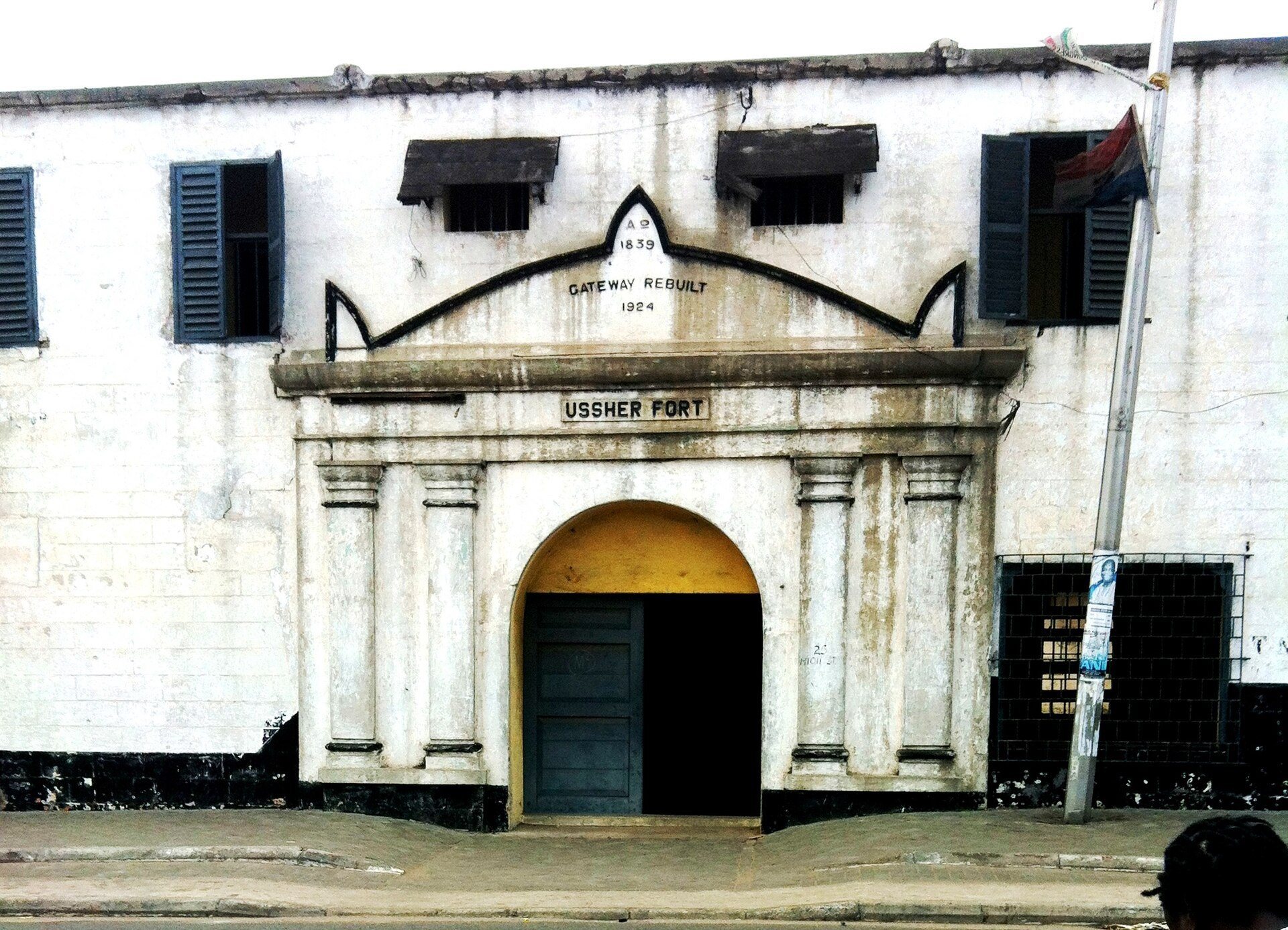
The Dutch rebuilt Fort Crèvecœur in 1839 under the direction of Hubertus Varlet, the Dutch master of works. Its later form therefore reflects both its seventeenth-century origins and the nineteenth-century rebuilding that followed its destruction.
British Control and Heritage Status
The Anglo-Dutch Gold Coast Treaty of 1867 transferred the fort to Britain in 1868. Under British control, Fort Crèvecœur became known as Ussher Fort, commemorating Herbert Taylor Ussher, an administrator of the Gold Coast.
European powers built 27 forts along the coast of present-day Ghana. The Dutch captured two forts from the Portuguese and built nine others, while the British built ten. In the modern period, only 11 of these forts were in good condition. Ussher Fort was inscribed in 1979 as part of the UNESCO World Heritage property “Forts and Castles, Volta, Greater Accra, Central and Western Regions.” Restoration was intended to support its use as a museum and international documentation centre.
Remains
Setting and Fortified Structure
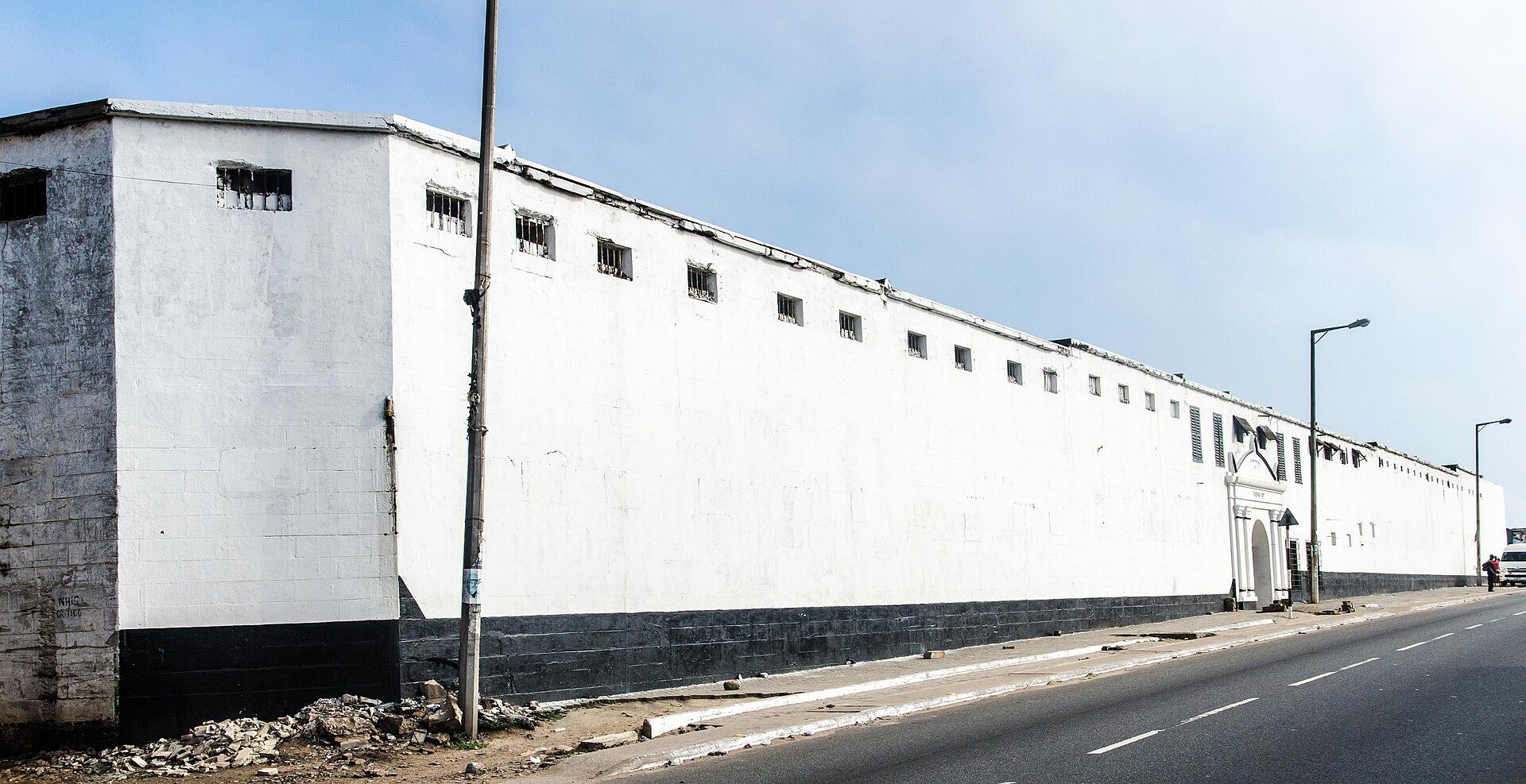
Ussher Fort stands on a rocky point or elevation between two lagoons near Accra, east of the present port, in the coastal area historically associated with the Dutch Gold Coast. Its position reflects the combined commercial and defensive purpose of the establishment, which began as a simple trading post before becoming a fortified compound.
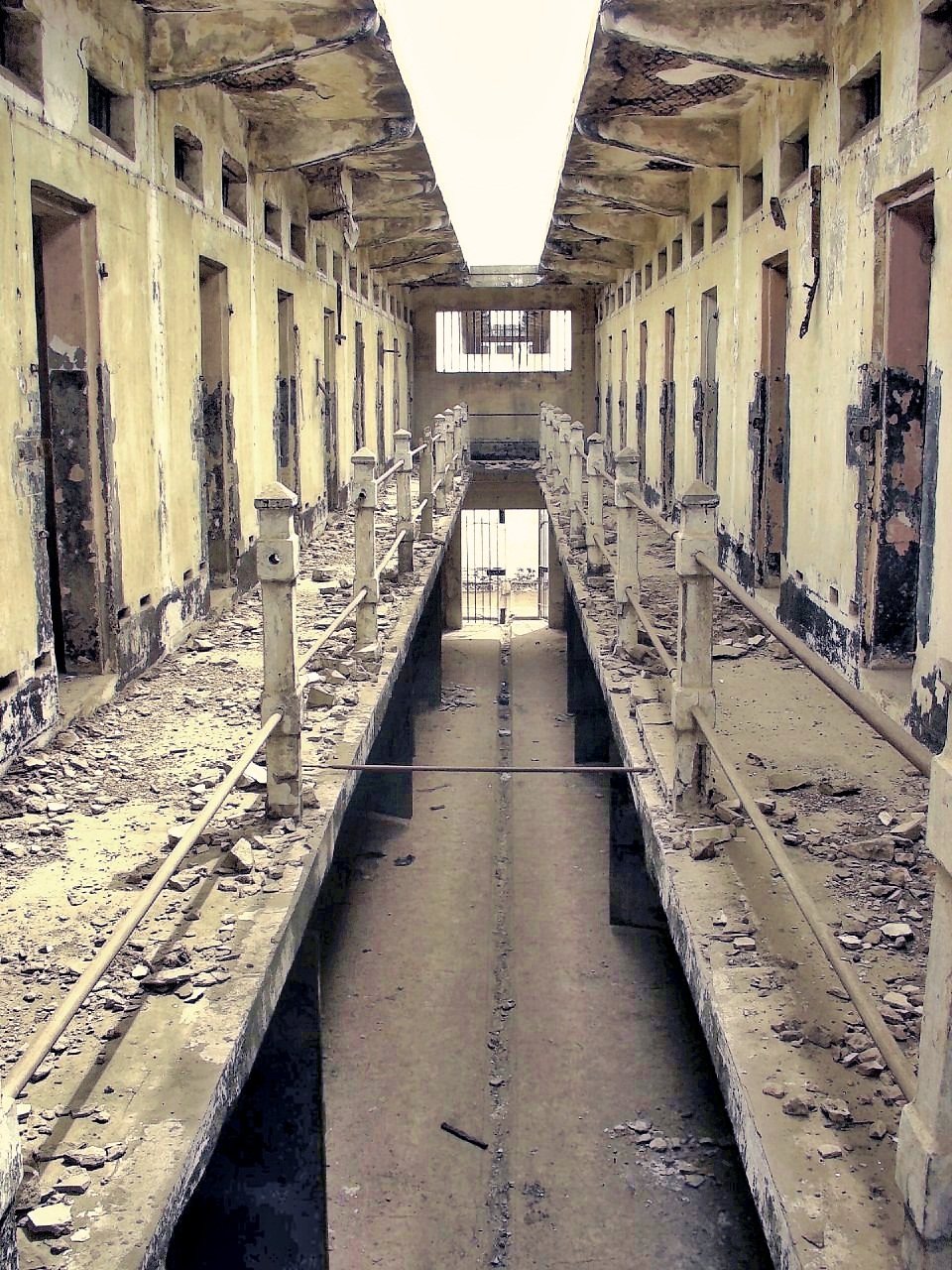
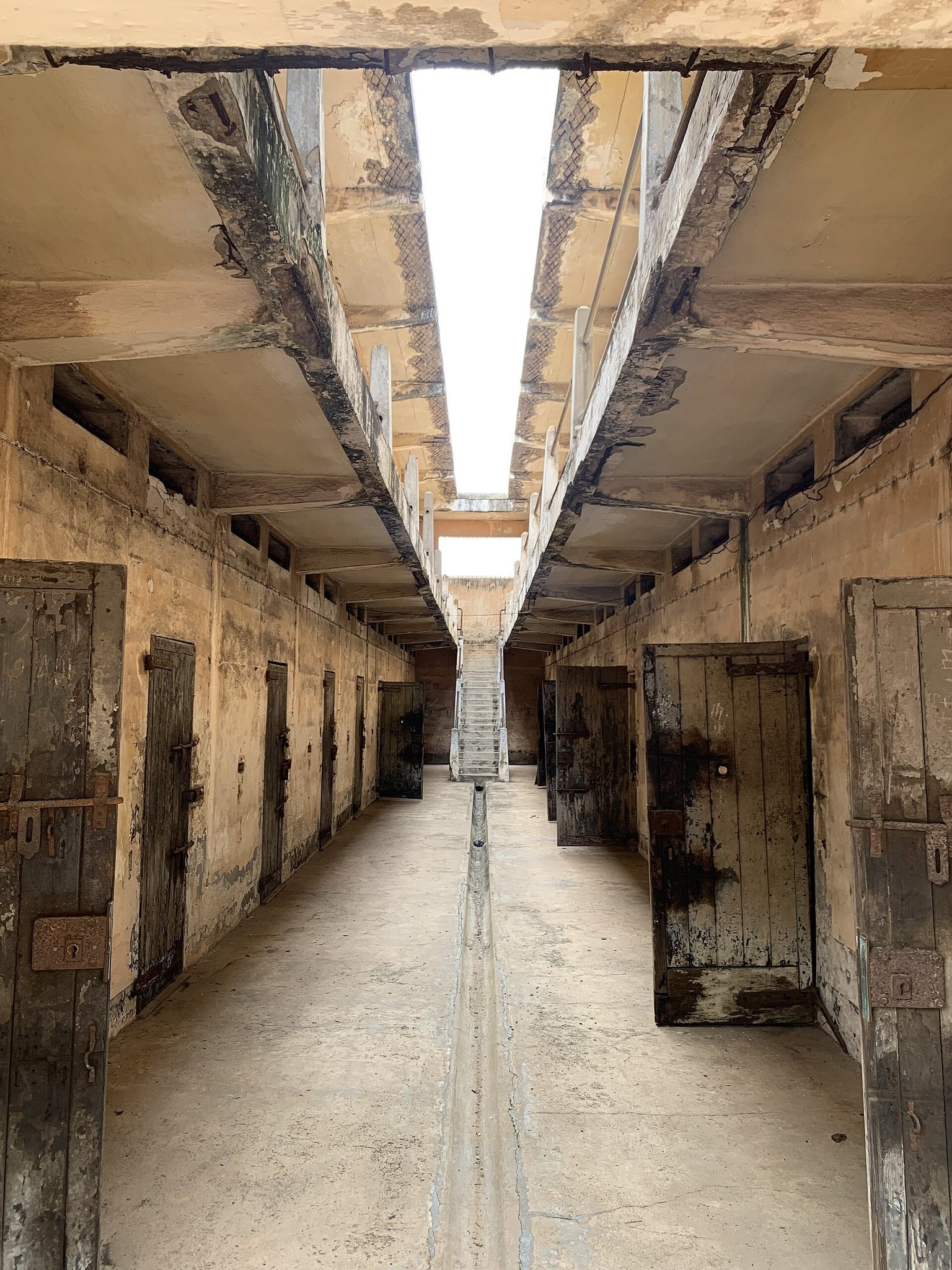
The surviving fort is a Dutch colonial military and commercial structure rebuilt in 1839 after the destruction of the earlier fort. It was armed with 32 guns when British forces captured it in 1781. The present building preserves the physical form of a fort that served successive Dutch and British regimes and was later restored for museum and documentation purposes.