Morin-ji Temple: A Soto Zen Buddhist Temple in Japan
Site at a Glance
- Rating
- 3.8
- Popularity
- Medium
- Country
- Japan
- Primary era
- Medieval
- External website
- Open
- Eras represented
- Medieval
- Civilizations
- Ashikaga shogunate
- Site type
- Religious
- Remains
- Monastery
On this page6 sections
History
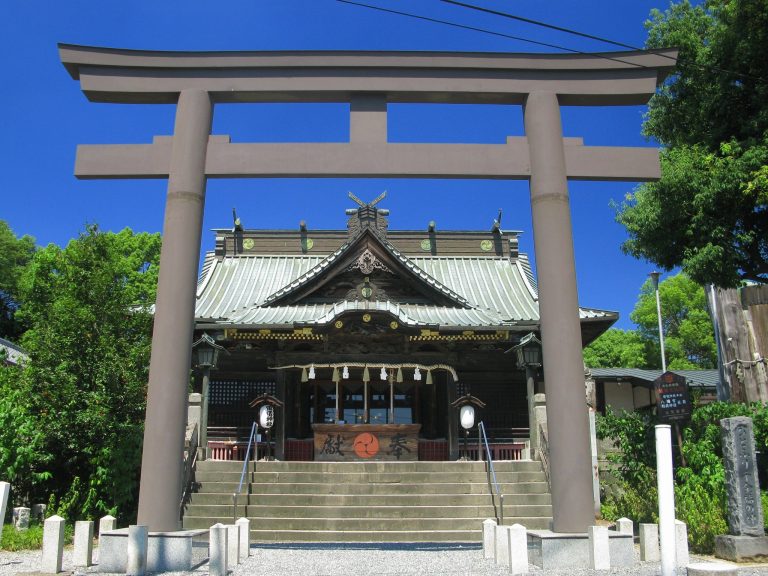
Morin-ji Temple is a Soto Zen Buddhist temple in Tatebayashi, Japan, founded in 1426 during the Muromachi period, the era spanning much of the fourteenth through sixteenth centuries. Its formal name is Seiryuzan Morin-ji, with Seiryuzan serving as its traditional Buddhist mountain name, and its principal image is Shakyamuni Buddha. The Soto school emphasizes seated meditation and disciplined monastic practice.
Foundation and Temple Estate
A Zen master from Mino Province established Morin-ji in 1426. In 1468, the lord of Aoyagi Castle became a devotee of the temple, donated 80,000 tsubo of temple land, and built its temple complex. The tsubo was a traditional Japanese unit used to measure land.
Legend, Pilgrimage, and Protected Wetlands
Morin-ji is closely associated with the Bunbuku Chagama, a well-known Japanese tale about a magical tea kettle. This tradition has given the temple the name “Temple of the Bunbuku Tea Kettle.” Morin-ji is also included in the Tatebayashi Seven Lucky Gods pilgrimage as the site of Daikokuten, a deity associated with prosperity, food, and good fortune.
The Morin-ji marsh and lowland wetland north of the temple are protected as a prefectural natural monument. They also form one of Tatebayashi’s “Satonuma” wetlands, a group designated as Japan Heritage by the Agency for Cultural Affairs. Japan Heritage recognizes places and narratives that convey aspects of Japanese history and culture.
Remains
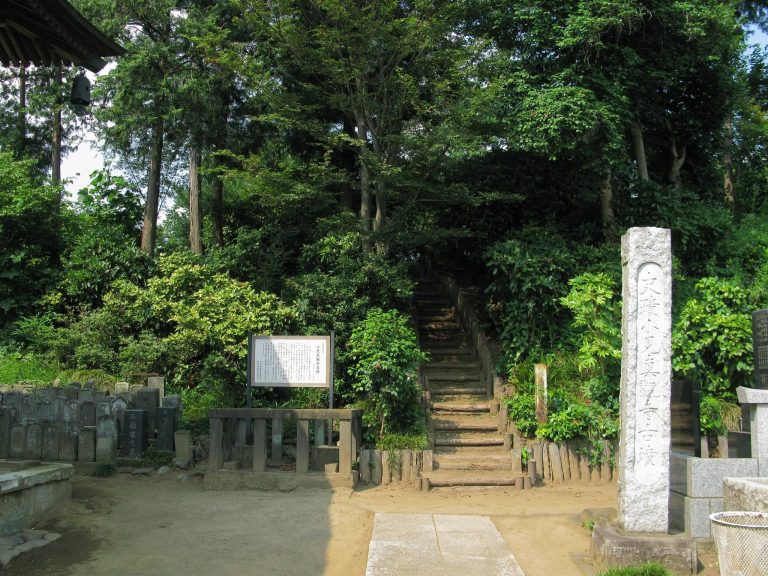
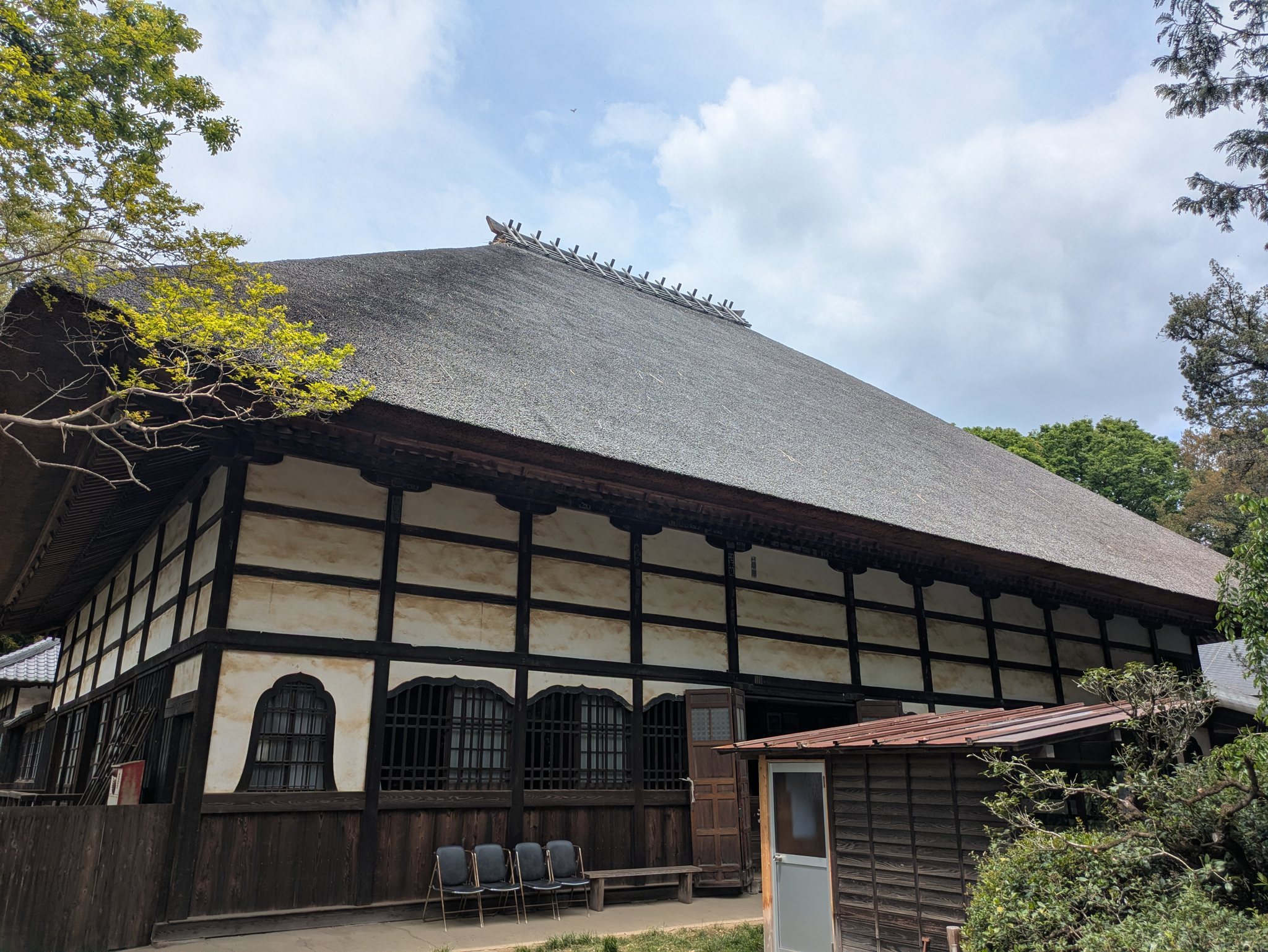
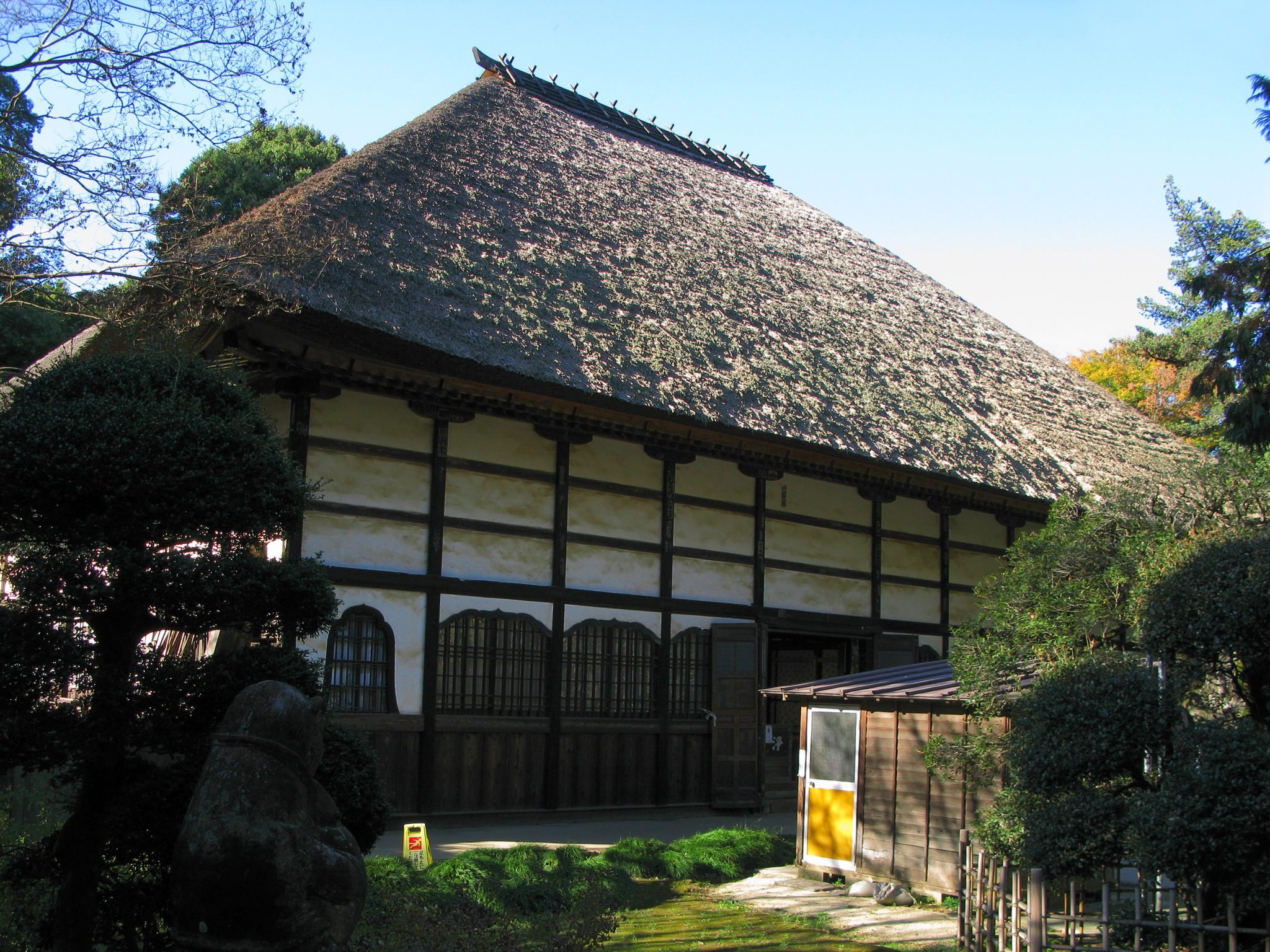
The surviving temple setting combines religious grounds, objects connected with the Bunbuku Chagama tradition, tanuki imagery, and wetland habitat to the north. The physical and cultural features remain closely associated with Morin-ji’s religious identity and local traditions.
Tea Kettle and Tanuki Displays
The temple keeps the Bunbuku tea kettle associated with Morin-ji and displays it to visitors. A separate Tanuki Collection brings together numerous tanuki-related objects from across Japan, including taxidermied tanuki specimens. The tanuki is a folkloric animal figure associated with transformation, trickery, and prosperity.
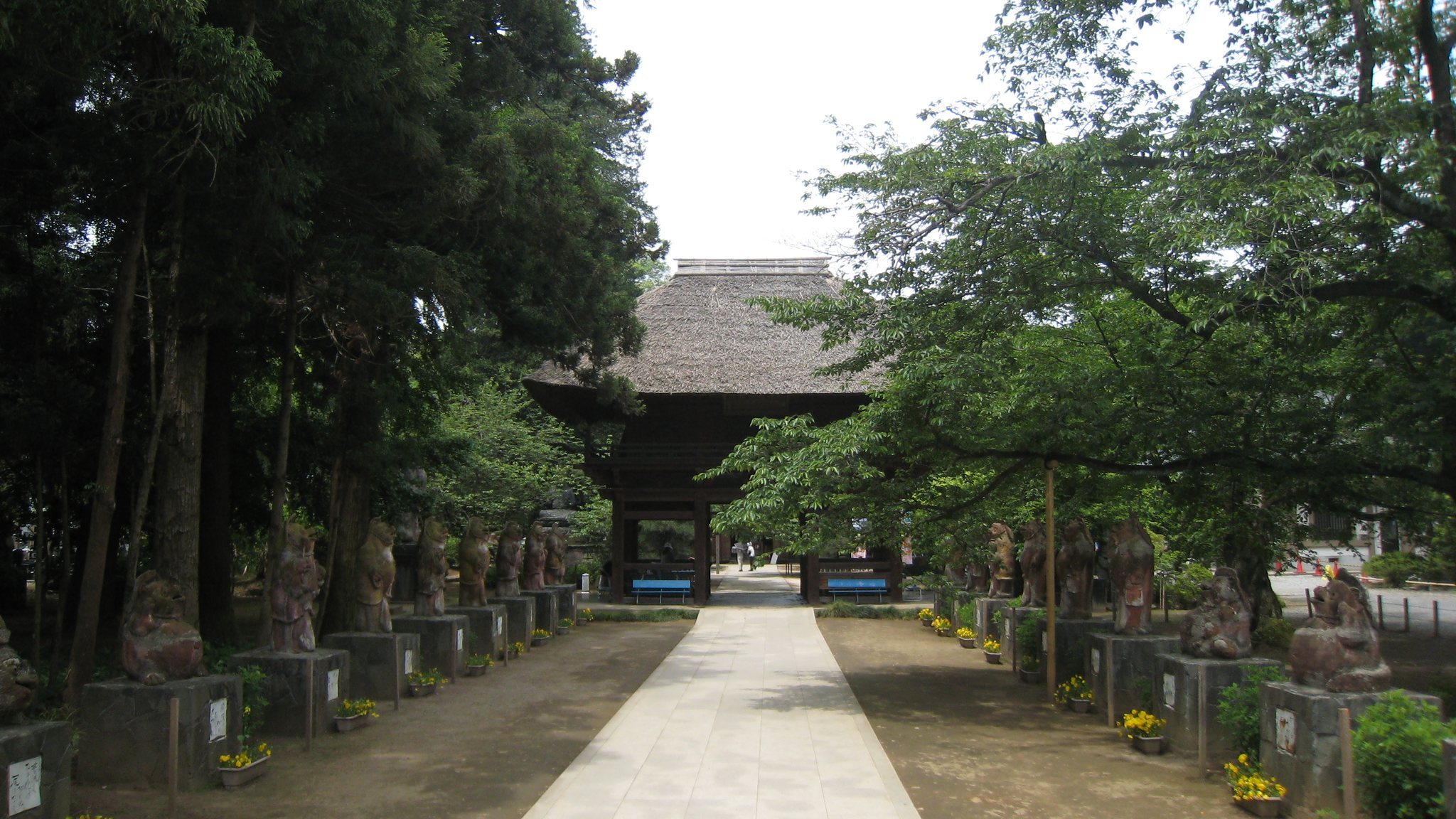
Tanuki figures made from Shigaraki ware are placed throughout the temple grounds. Shigaraki ware is a traditional Japanese ceramic tradition known especially for earthenware figures and naturally finished or unglazed surfaces.
Morin-ji Marsh
North of the temple, the Morin-ji marsh and lowland wetland provide habitat for wetland plants. The area is protected for its natural value as a prefectural natural monument and forms part of the Satonuma wetlands recognized through the Japan Heritage designation.