Narva Fortress: Estonia’s Strategic River Frontier
Site at a Glance
- Rating
- 4.6
- Popularity
- Medium
- Country
- Estonia
- Primary era
- Early Modern
- External website
- Open
- Eras represented
- Medieval, Early Modern, Modern
- Civilizations
- Livonian Order, Russian, Swedish
- Site type
- Military
- Remains
- Fort
On this page18 sections
History
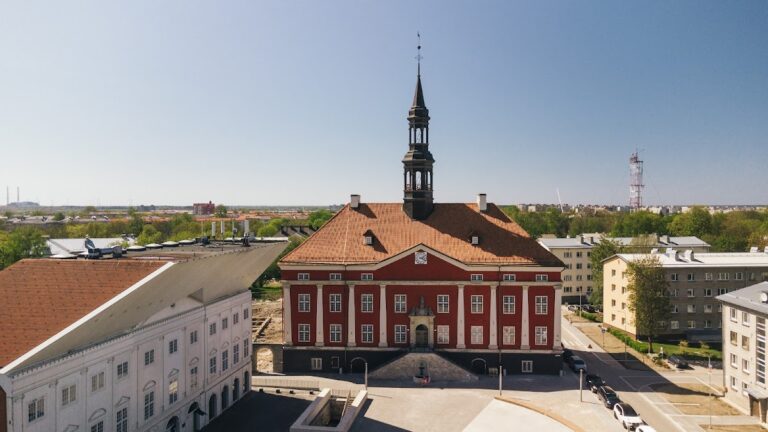
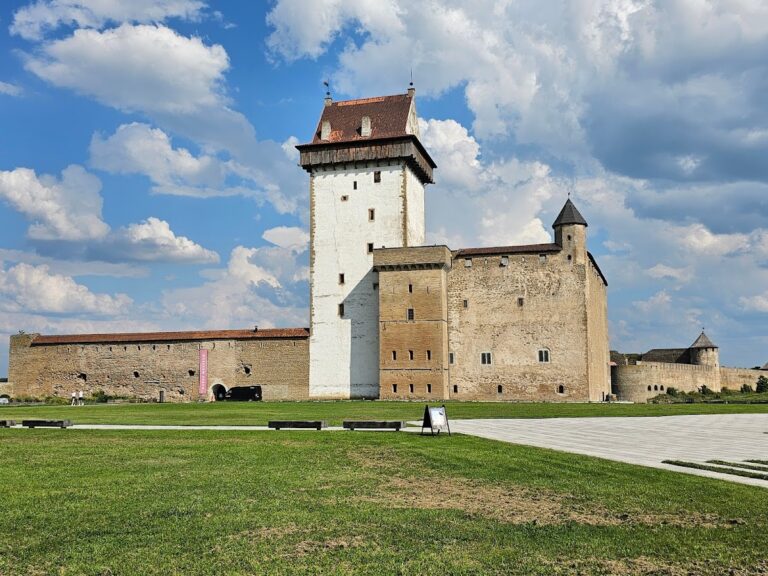
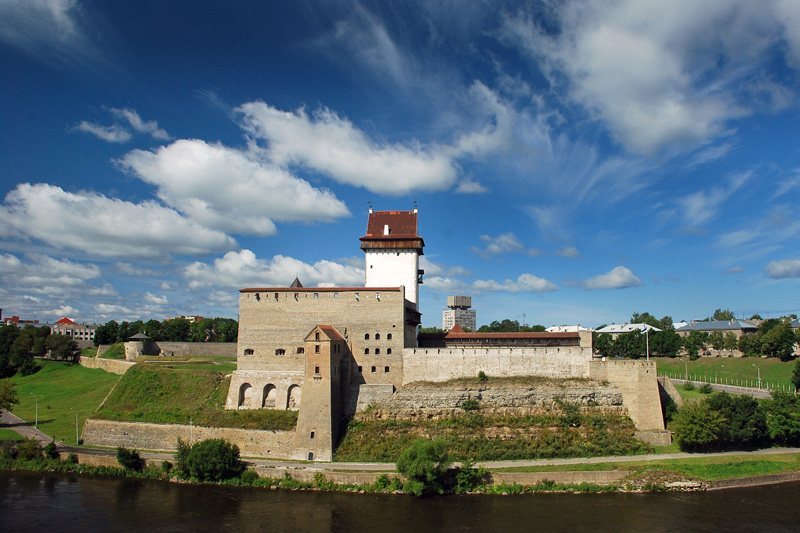
Narva Fortress is a defensive stronghold in Narva, Estonia, developed by successive rulers from the early fourteenth century onward. Built around Narva Hermann Castle and the medieval town, it protected the Narva River frontier and became a major fortified system during the struggles between Sweden and the Moscow Tsardom, later Russia.
Medieval foundations and Swedish modernization
The first medieval defensive zone was established in the early fourteenth century. It consisted of the town wall, defensive towers, ditches, and the separate barrier linking the town with Hermann Castle. The limestone perimeter extended for about 1.58 kilometres, including approximately one kilometre of town wall. This medieval system provided the basis for later expansion.
Swedish forces captured Narva from the Moscow Tsardom in 1581. Their bombardment opened large breaches in the town wall, prompting King Johan III of Sweden to order a comprehensive modernization. Beginning in 1582, medieval corner towers were replaced with earth-filled towers, while bastions were constructed above the gates. Four early bastions were built between 1582 and 1585 in the New Italian style, a system that used projecting fortifications to allow fire along the adjoining walls.
The medieval wall between the gates was retained as a curtain wall, meaning the wall section joining two bastions. Earth embankments strengthened it, and further works created the Vanavall, Kristervall, Kuningavall, and Liivavall earthworks. Additional bastions were added during the sixteenth and early seventeenth centuries as Narva’s defenses were adapted to artillery warfare.
Dahlberg’s fortification project
A plan of the town and fortress prepared in 1650 by Heinrich von Seulenberg, artillery commander and military engineer for Ingria, Estonia, and Finland, survives in the Swedish War Archive. It reflects the continuing effort to organize Narva’s medieval defenses within a larger artillery fortress.
A new belt of earth fortifications began to take shape in 1676–1680, with further construction starting in 1682 according to plans associated with Erik Dahlberg and the Vauban system. Dahlberg was a Swedish statesman and military engineer whose designs influenced the later bastion system. Work continued until the Moscow Tsardom captured Narva during the Great Northern War in 1704. The project approximately doubled the area of the old town.
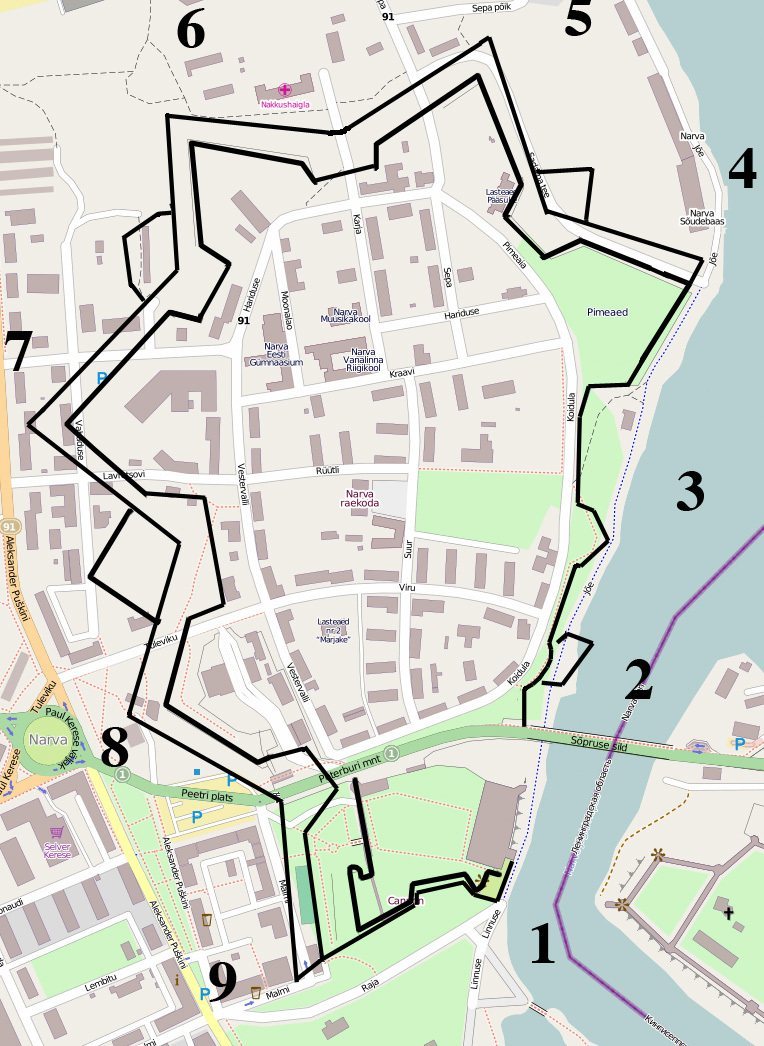
By 1704, the expanded system included the Spes fortification and the bastions named Victoria, Honori, Gloria, Fama, Triumphi, and Fortuna. Kuningavärav became the principal town gate, while Veevärav and Uus värav remained in use. Uus värav later became known as Pimevärav. The works also included two completed ravelins, detached triangular outworks placed before a fortified wall or bastion, and a network of earth defenses surrounding the principal fortifications.
The sieges of 1700 and 1704
The first siege of Narva began in September 1700 during the Great Northern War, a conflict in which Sweden fought a coalition led by Russia for control of territories around the Baltic Sea. Russian forces under Ivan Trubetskoi reached the city on 22 September and blockaded it from the west, while Moscow Tsardom forces already held the eastern bank of the Narva River.
The Swedish garrison was commanded by Major General Henning Rudolf Horn and comprised 3,000 infantrymen, 200 cavalrymen, and 400 armed civilians. The defenders strengthened the western side with additional earthworks, curtain walls, breastworks, and artillery positions. They moved troops into the garrison, closed the western gate with masonry, reduced another gate facing the besiegers to a small passage, and removed bridges over the western ditch. Palisades and chevaux-de-frise, defensive barriers made from sharpened stakes, reinforced the approaches, while Narva’s suburbs were burned to prevent their use by the besieging army.
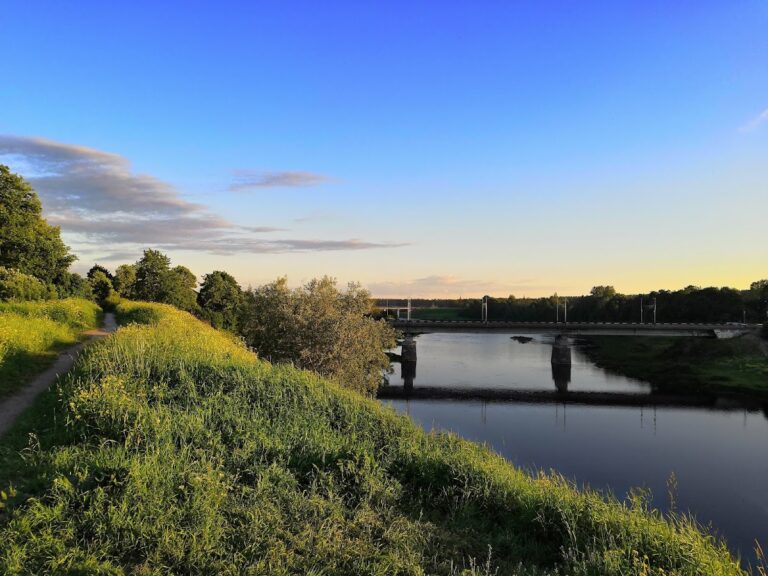
Peter I arrived with the main Russian army on 4 October 1700, raising the Russian force to approximately 34,000–40,000 men. Russian siege works began the same day, and artillery was brought from Russia, Pskov, and Novgorod. Narva and Ivangorod Fortress on the opposite bank formed a connected defensive system, joined by a bridge that allowed troop movement between them. The Russian siege line formed a semicircle along the right bank of the river and extended for about seven kilometres. Preparatory work ended on 29 October, and bombardment began on 31 October. The main bombardment from 4 to 14 November failed to force the fortress to surrender.
Charles XII of Sweden arrived in Livonia with Swedish forces on 16 October. He had first intended to relieve Riga, which Augustus II was besieging, but Denmark’s surrender and Augustus II’s withdrawal from Riga redirected the Swedish army toward Narva. The resulting Swedish victory relieved the fortress and became one of the early major Swedish successes in the war.
The second Russian siege began in May 1704, when a 7,500-man detachment under Pjotr Apraksin reached the mouth of the Narva River. Peter I and the main Russian army arrived in early June. Narva rejected Peter’s offer of surrender, recalling the Russian defeat four years earlier. Ivangorod surrendered on 28 August, and Narva fell on 30 August after bombardment destroyed the northern Honori Bastion. Peter I led the assault that captured the fortress.
Later changes
Peter’s Gate was built south of the Triumphi Bastion in 1822 and gave its name to the adjacent Peetri Square. Narva Fortress remained part of the Russian imperial military system until 1864, when it was removed from the list of military fortifications because the Narva River no longer marked the empire’s external frontier. The Kristwall Bastion survives in restored form as part of the earlier New Italian-style defenses along the medieval town wall.
Remains
Medieval perimeter and town gates
Town wall and castle barrier
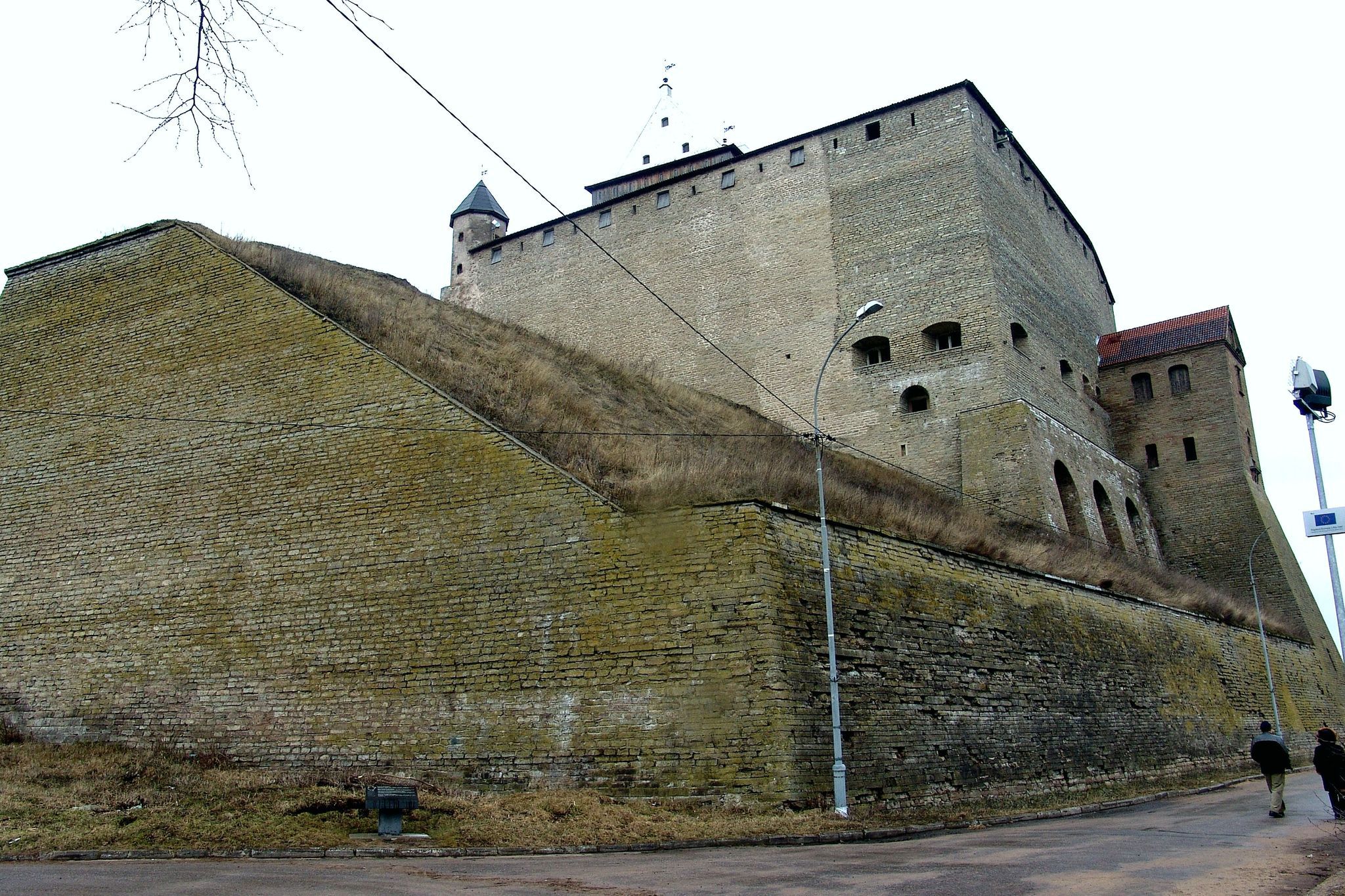
The medieval defensive zone was built mainly of limestone and enclosed by ditches and moats. Its town wall measured about one kilometre, while a separate defensive barrier between Hermann Castle and the town extended for 280 metres. At least seven towers strengthened bends, junctions, and gates. The retained curtain wall formed a recessed straight section between later bastions and was reinforced by earth embankments.
Foregates and entrances
Foregates extended across the moat before the fortress gate, Viru Gate, and Karja Gate. In the later defensive arrangement, Kuningavärav served as the principal town entrance. Veevärav and Uus värav also survived within the system, with Uus värav later known as Pimevärav.
Early modern bastions
New Italian-style bastions
The four bastions built between 1582 and 1585 were constructed mainly of limestone in the New Italian style. Their plans and details differed from one another. They stood above and around the retained medieval defenses, whose walls and earthworks continued to support the enlarged artillery fortress.
Kristwall Bastion
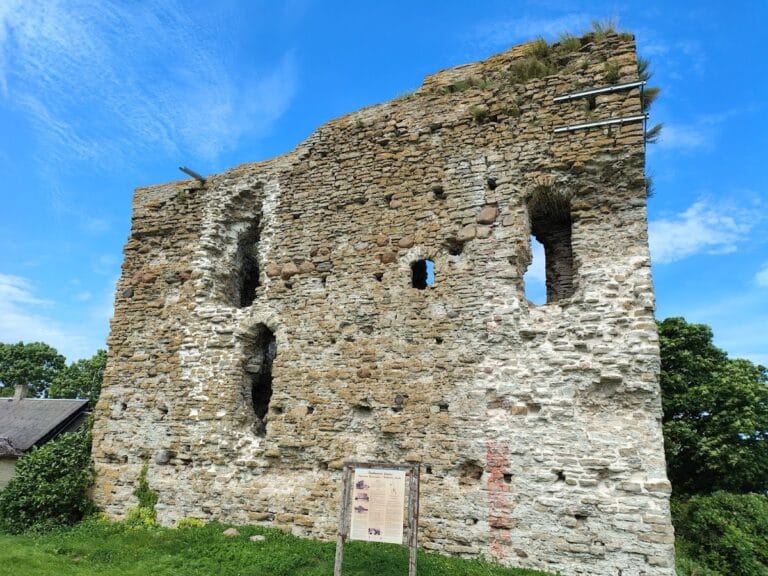
Kristwall Bastion survives in restored form along the medieval town wall. It belongs to the group of New Italian-style bastions created during the Swedish modernization of Narva’s defenses.
Dahlberg’s bastioned belt
Principal bastions and earthworks
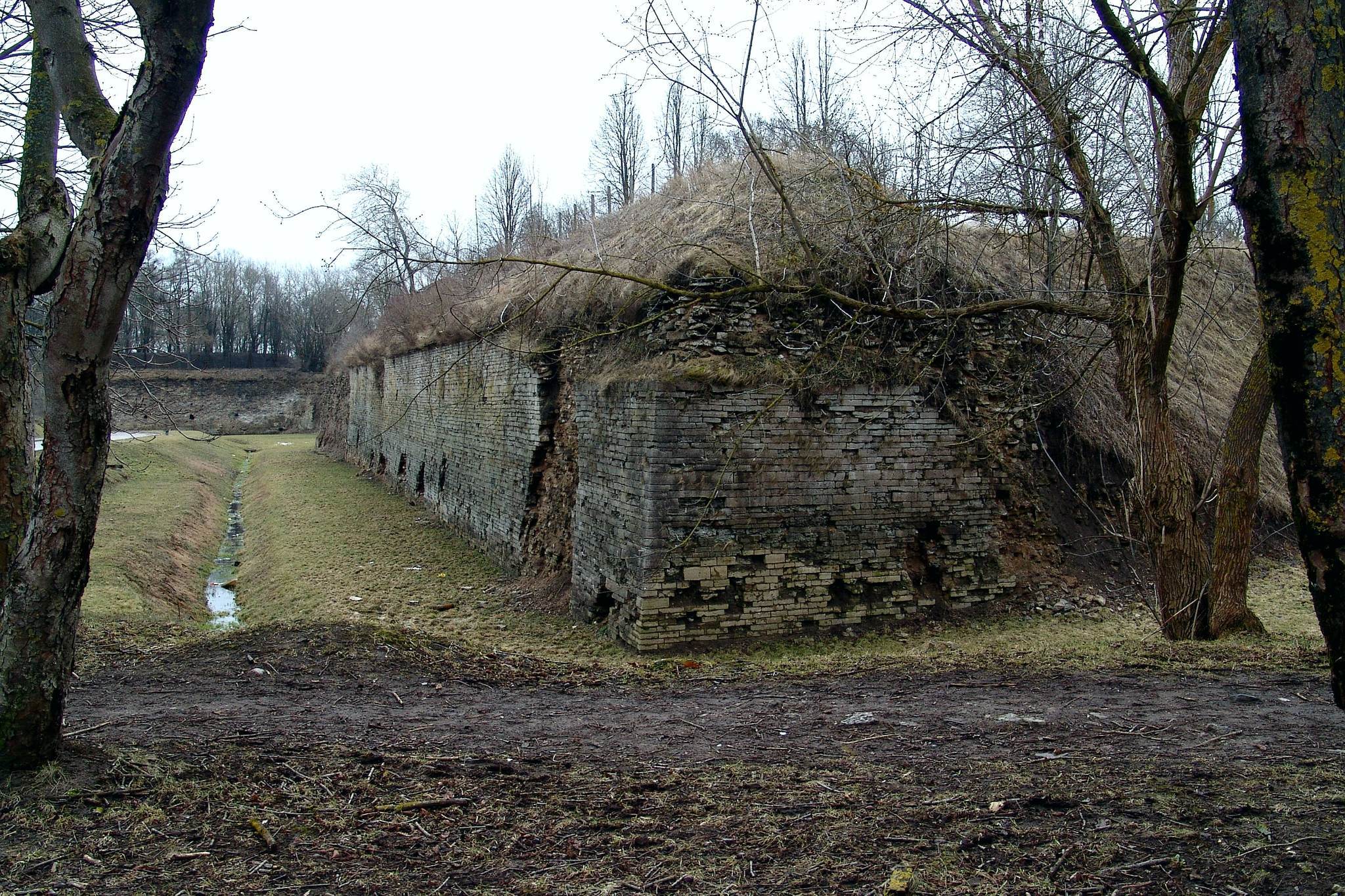
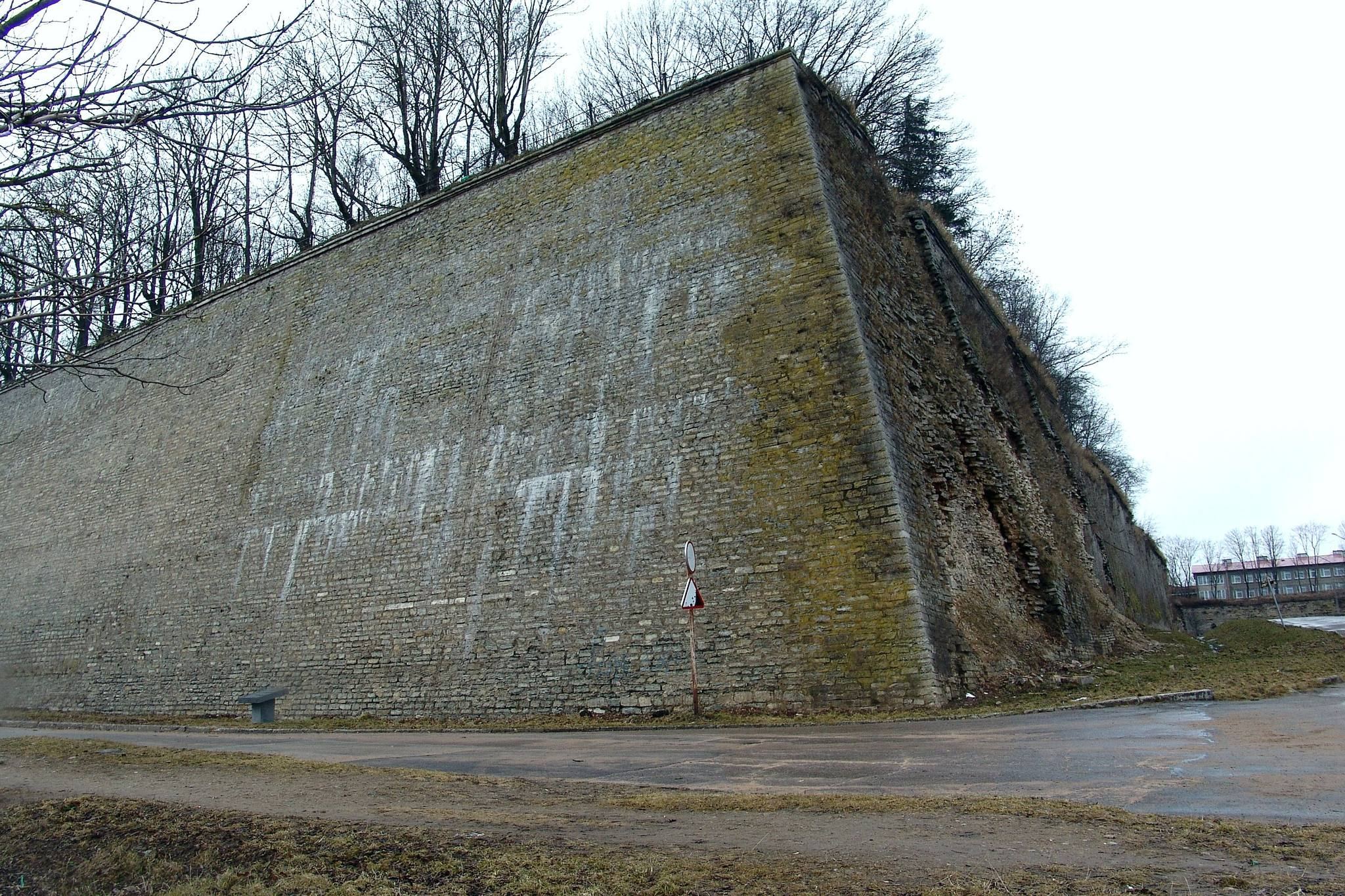
The later defensive belt included Spes south of the fortress wall and the bastions of Victoria along the Narva River, Honori and Gloria to the north, Fama to the west, Triumphi to the southwest, and Fortuna before the southern wall. A moat surrounded the bastions. Triumphi, Fama, Gloria, Honori, Victoria, and Pax had symmetrical plans, high faces, and broad cavalier earthworks behind them. A cavalier is a raised earthwork behind a main rampart, and at Narva these structures rose as high as 16 metres. Double internal casemates, protected vaulted defensive spaces, were built into the earthworks.
Fama Bastion
Fama contained an internal courtyard with workshops, smithies, stables, hay barns, and prison rooms. It was later demolished, making it the Dahlberg-designed bastion that did not survive into the present landscape.
Ravelins and western defenses
Two of the five planned triangular ravelins were completed, including the fifth ravelin in front of Victoria and Honori. During the 1700 siege, the western gate was blocked with masonry and another enemy-facing entrance was reduced to a small passage. Bridges over the western moat were removed, while palisades, chevaux-de-frise, breastworks, curtain walls, and additional artillery positions reinforced the western side.
Connected river defenses
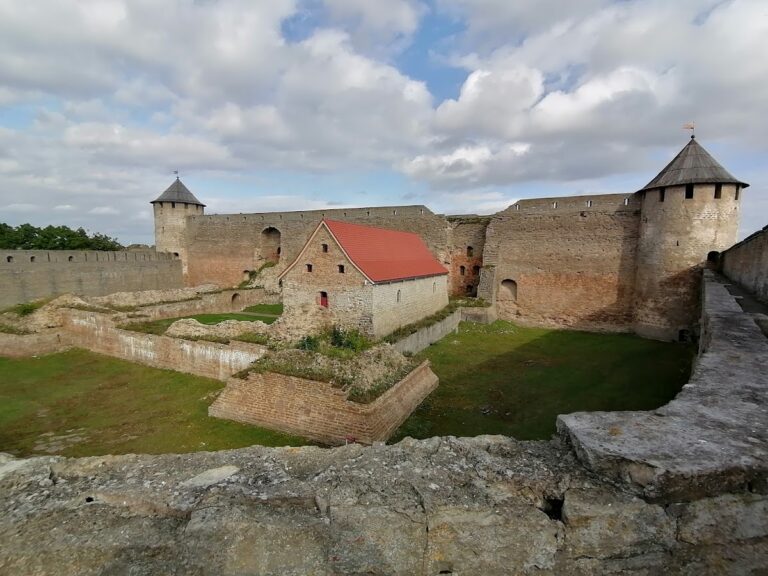
Narva Fortress and Ivangorod Fortress occupied opposite banks of the Narva River and operated as a unified defensive system. A bridge linked them and allowed troops to move between the two fortresses even during a siege. Their relationship shaped the Russian operations of 1700 and 1704, when both positions were treated as parts of the same strategic obstacle.
Peter’s Gate and Peetri Square
Peter’s Gate was built in 1822 south of the Triumphi Bastion. Its construction is associated with the adjacent Peetri Square, whose name derives from the gate.