Fort Tiracol: A Portuguese-Era Fort in Goa
Site at a Glance
- Rating
- 4.3
- Popularity
- Medium
- Country
- India
- Primary era
- Early Modern
- External website
- Open
- Eras represented
- Early Modern
- Civilizations
- Portuguese
- Site type
- Military
- Remains
- Fort
On this page8 sections
History
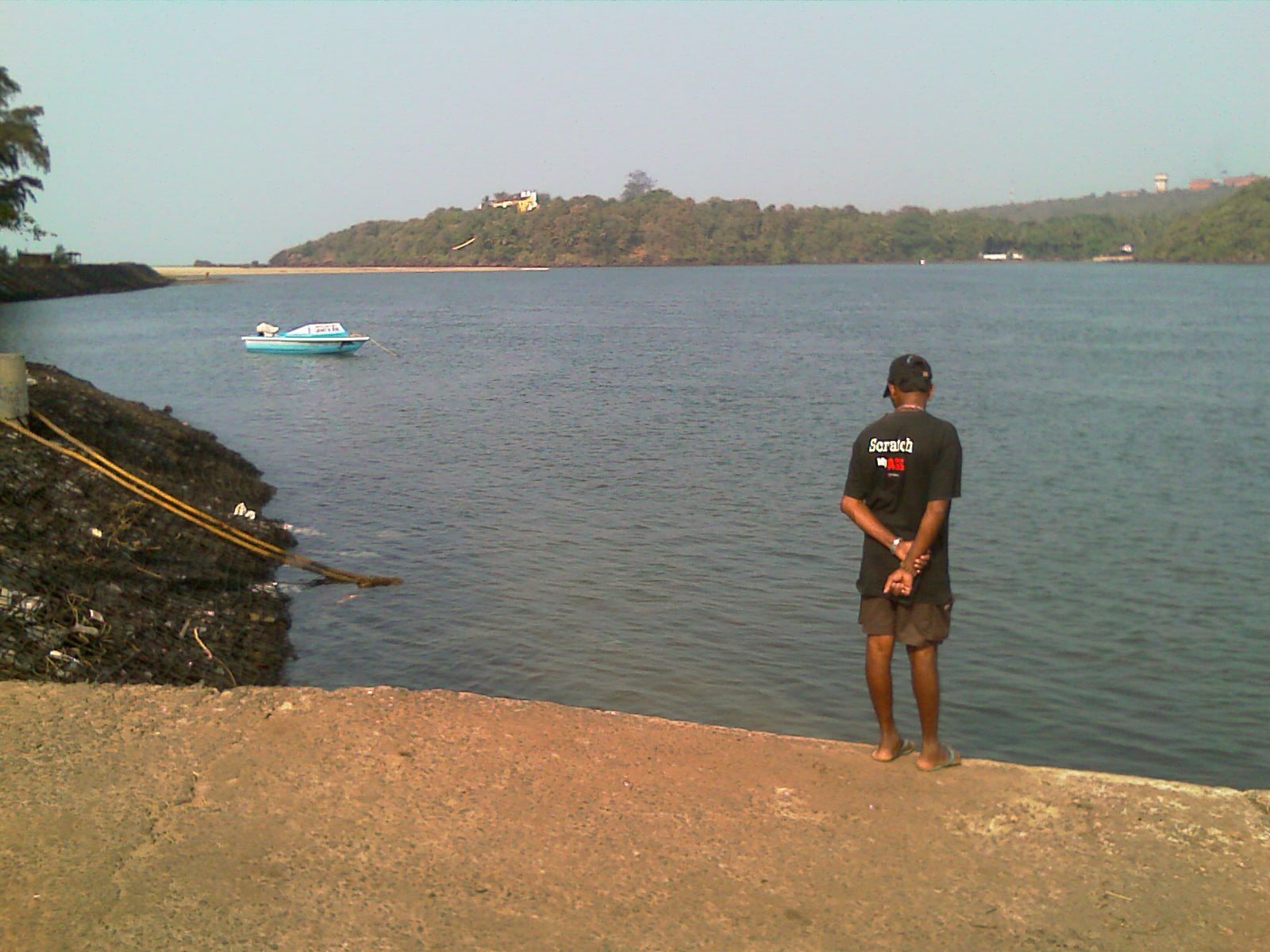
Fort Tiracol is a Portuguese-era fort in India, at the mouth of the Terekhol River in Goa. Traditionally associated with Khem Sawant Bhonsle, the Raja, or ruler, of Sawantwadi, its origins reach back to the seventeenth century, before it was incorporated into Portuguese maritime defences. Its position above the river gave it strategic value, particularly because the Bhonsles maintained a sizeable naval fleet sheltered in the river.
Bhonsle Origins and Portuguese Capture
Khem Sawant Bhonsle is believed to have crudely built the fort during the seventeenth century. Its control of the river entrance supported the naval interests of Sawantwadi and placed the fort within the wider conflicts along the Goa frontier.
In 1746, Portuguese forces led by Pedro Miguel de Almeida, the 44th Viceroy of Goa and the senior representative of Portuguese authority in the territory, attacked the Raja of Sawantwadi in retaliation for repeated border raids. A Portuguese naval victory on 16 November was followed by several land skirmishes. Fort Tiracol surrendered on 23 November 1746, after which Portugal incorporated it into its maritime defences and extensively renovated it in 1764.
Rebellion and Changing Strategic Importance
After the Marathas were defeated, Khem Sawunt Bhonsle of Sawantwadi signed a treaty on 17 February 1819 recognizing British suzerainty. Suzerainty meant that Britain exercised overarching authority while some subordinate authority remained in place. The arrangement reduced the fort’s strategic importance because it became an enclave surrounded by territory controlled by British allies.
During the Portuguese Civil War, Fort Tiracol became a rebel stronghold in the 1825 uprising led by Bernardo Peres da Silva, a Goa-born political and military leader who later served as Viceroy of Goa. The fort was heavily damaged. It and its chapel were subsequently rebuilt. A commander known as “Tiger-killer” da Cunha entered the fort and ordered the execution of the entire garrison, displaying the heads on stakes.
Anti-Colonial Protest and Later Status
Fort Tiracol later became a symbolic location for Goan opposition to Portuguese rule. On 15 August 1954, satyagrahis, or activists using nonviolent political resistance, entered Goa from the north and occupied the fort. They raised the Indian flag there for one day before being captured and imprisoned.
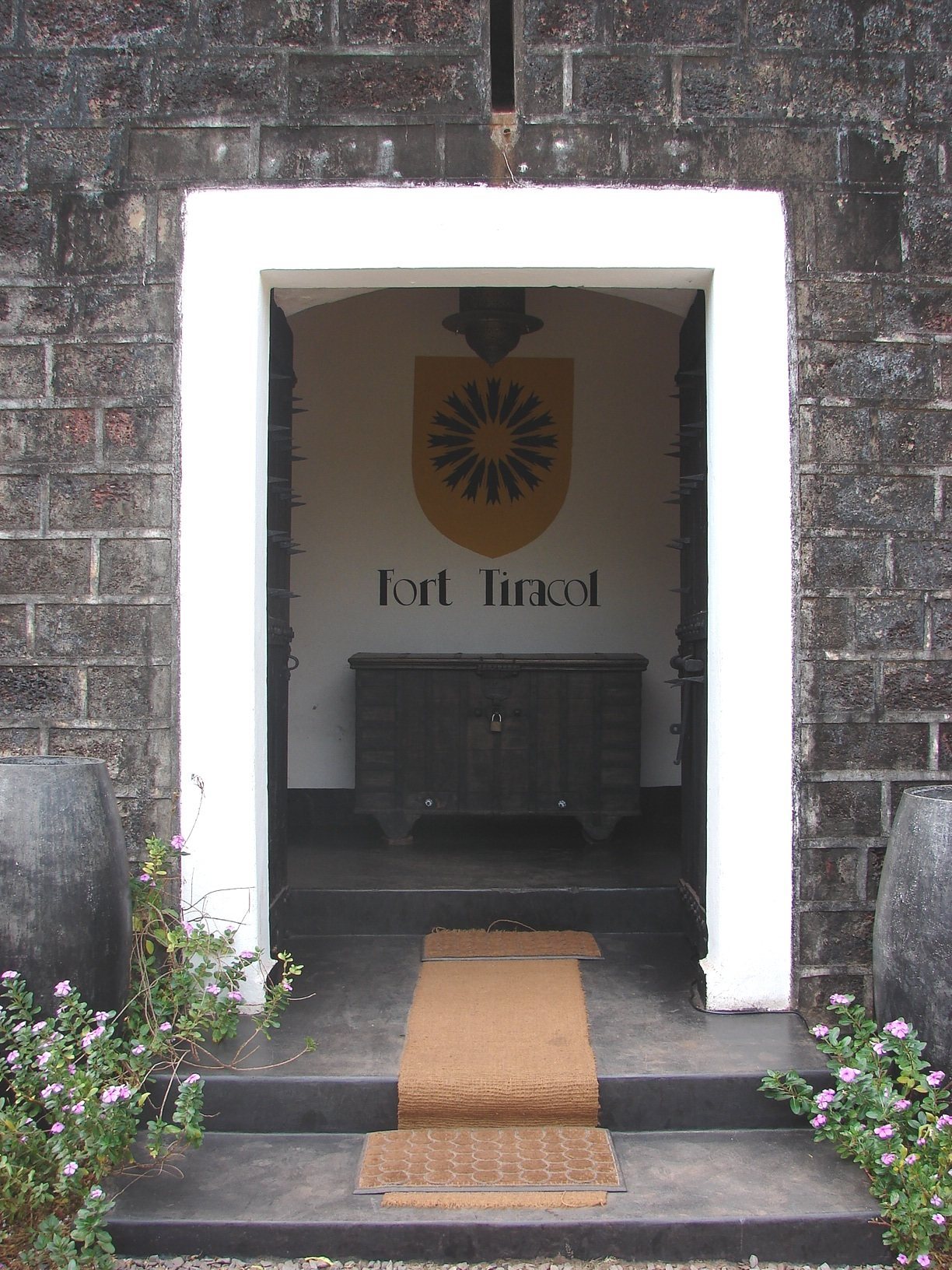
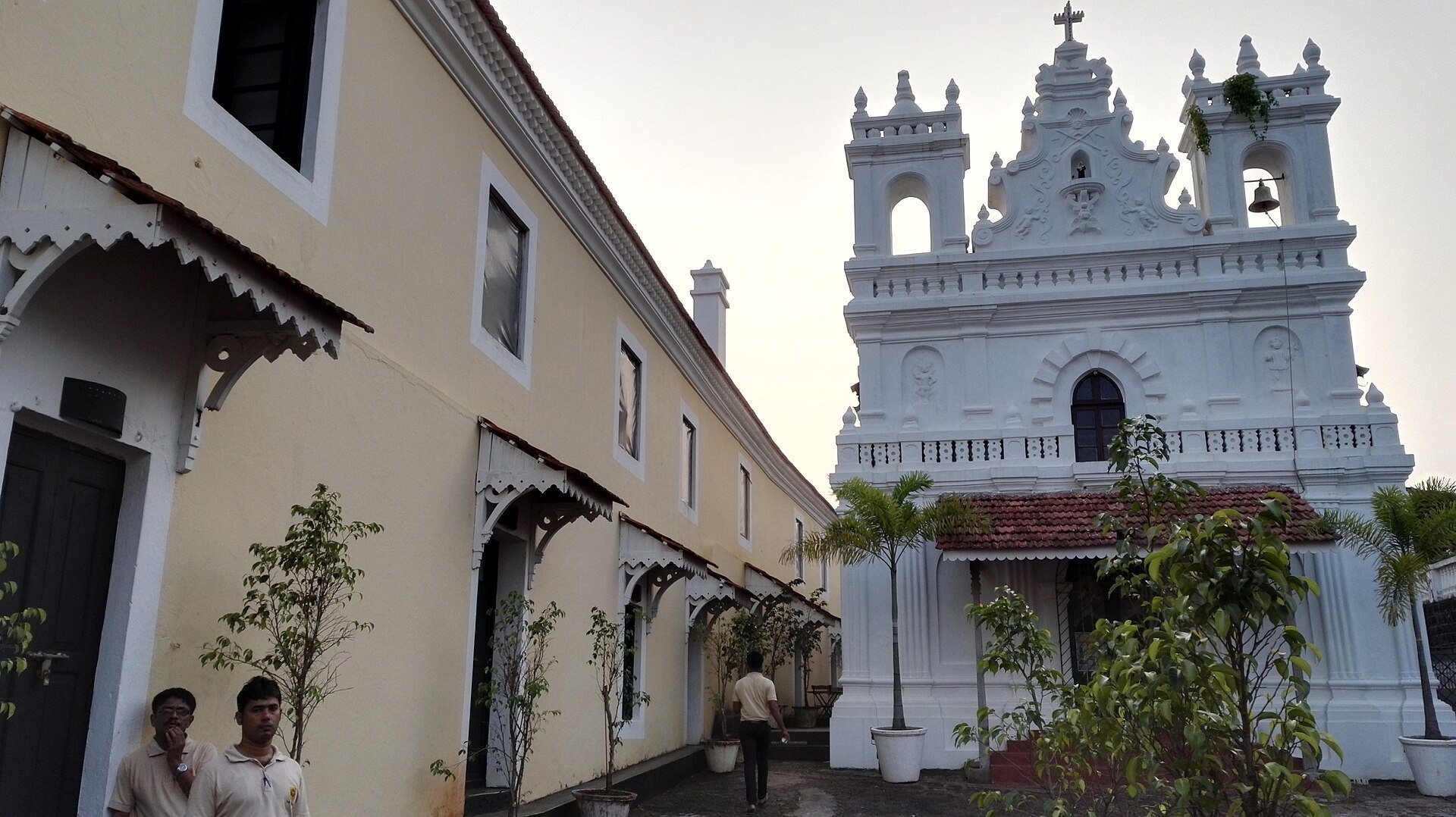
Portuguese control continued until December 1961, when India took over the remaining Portuguese positions in the subcontinent. Fort Tiracol is now a state-protected monument and operates as the Fort Tiracol Heritage hotel, while its church remains in religious use.
Remains
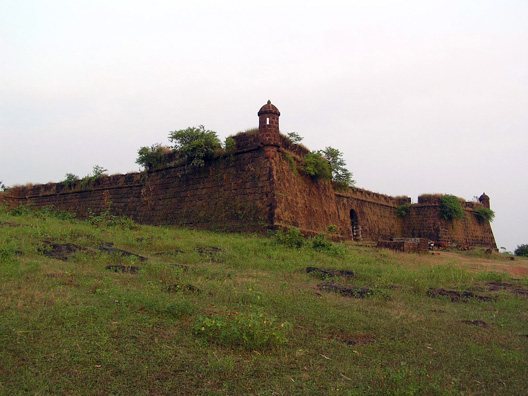
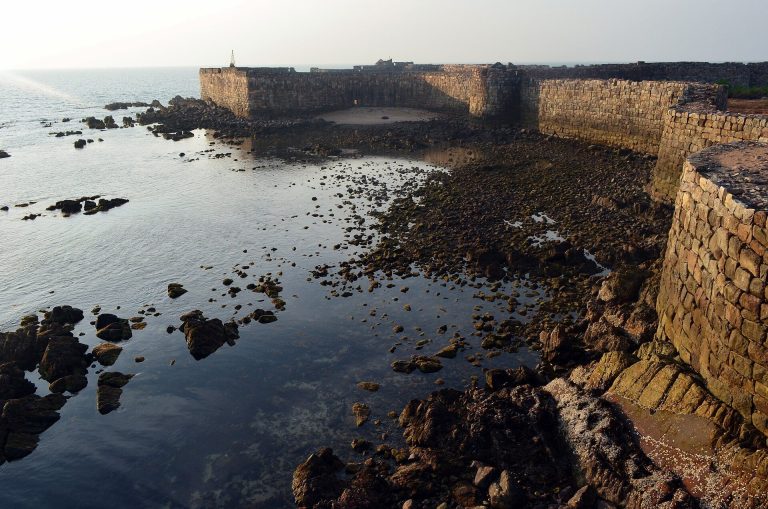
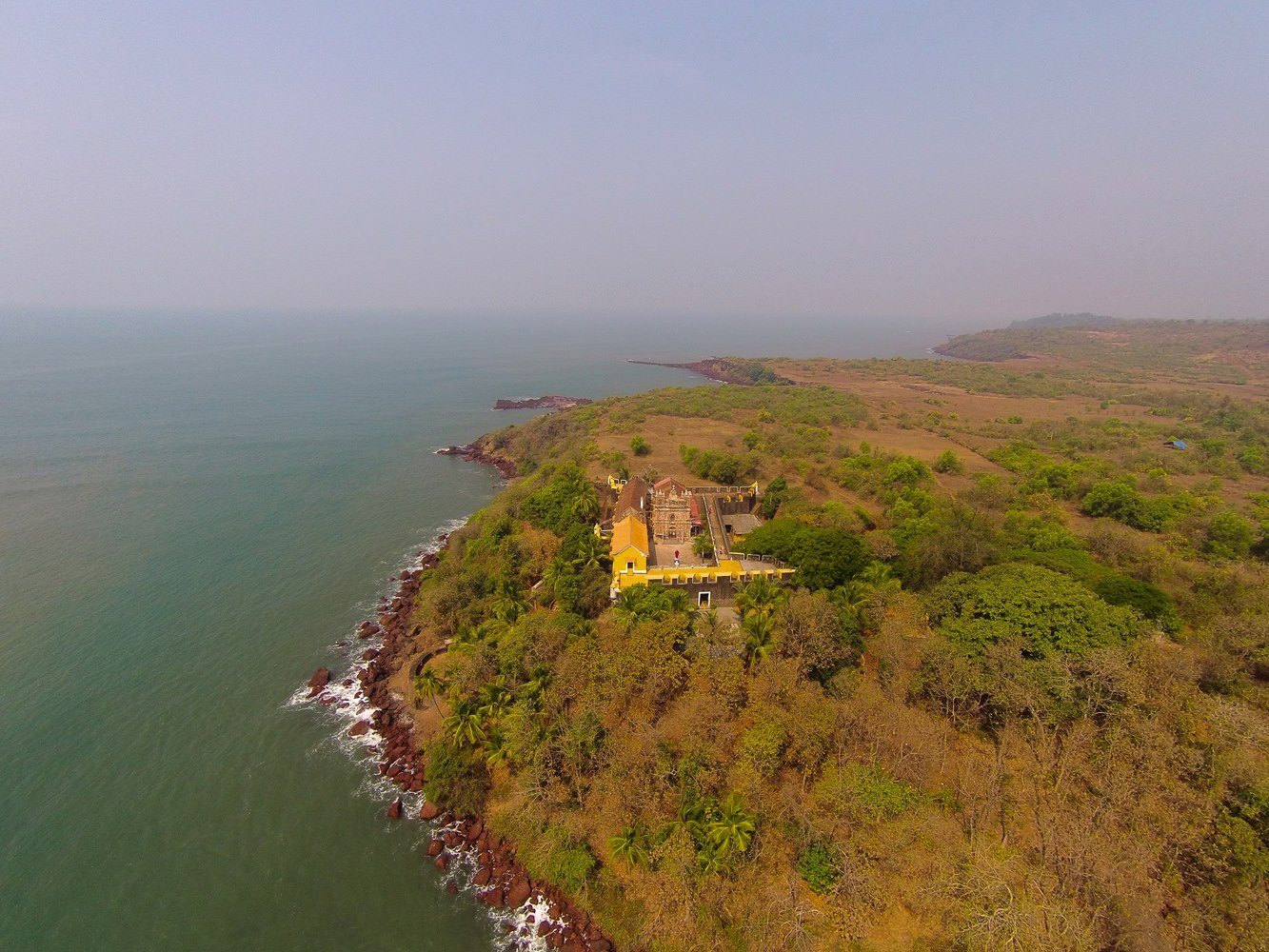
The fort occupies a hillock on the northern, or right, bank of the Terekhol River, overlooking the direction of the Arabian Sea. Built from granite and lime mortar, its surviving complex retains the arrangement of a fortified position with military installations and a chapel within the courtyard.
Fortifications and Religious Buildings
Fort and Military Installations
The original fort contained 12 guns, a barrack, and a chapel. Its elevated position above the river supported its defensive role and its control of the approach toward the Arabian Sea. Portuguese rebuilding and renovation shaped the fort after its capture in 1746, including extensive work carried out in 1764. Damage during the 1825 uprising was followed by further rebuilding of the fort.
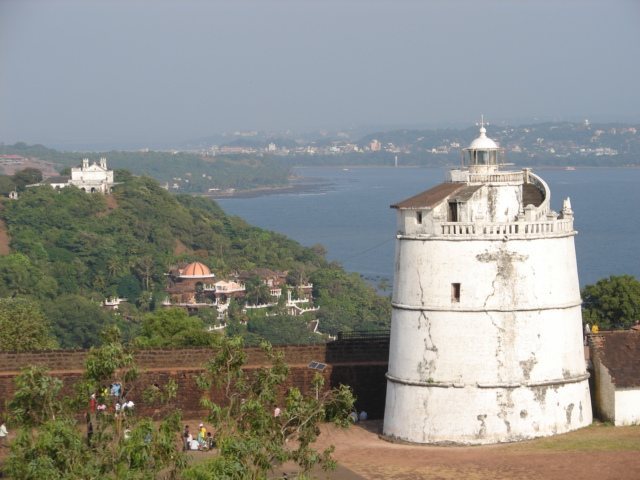
Church of St Anthony
Pedro Miguel de Almeida built the Chapel of the Holy Trinity in the courtyard after the Portuguese capture of the fort. The chapel later became the Church of St Anthony, described as a century-old church, and was rebuilt after the damage of 1825. The church remains in religious use, with Mass held on Sundays.