Fort Haldane: A Colonial Military Fort at Port Maria, Jamaica
Site at a Glance
- Rating
- 3.9
- Popularity
- Very Low
- Country
- Jamaica
- Primary era
- Early Modern
- Eras represented
- Early Modern
- Civilizations
- British
- Site type
- Military
- Remains
- Fort
On this page7 sections
History
Fort Haldane is an 18th-century military fort near Port Maria, Jamaica, erected in September 1759 to defend the harbour from Spanish raids. Named after General George Haldane, then governor of Jamaica, it also served as a garrison for controlling the enslaved and working populations of St Mary.
Construction and Defence of Port Maria
Haldane was directly involved in the fort’s design and enlisted the English scientist Benjamin Robins, an expert in ballistics, the study of how projectiles move and strike targets. Robins determined that the harbour could be defended by two highly accurate cannons placed about 1,000 feet above sea level. Their elevated position allowed them to cover almost 180 degrees across the horizon, reducing the need for a larger collection of guns.
The hilltop had already been recognized as a useful military observation point. Sir Henry Morgan used the land for that purpose for more than 150 years before the fort was built. The site is adjacent to Firefly Estate, which was originally associated with Morgan and later with Sir Noël Coward.
Tacky’s Rebellion
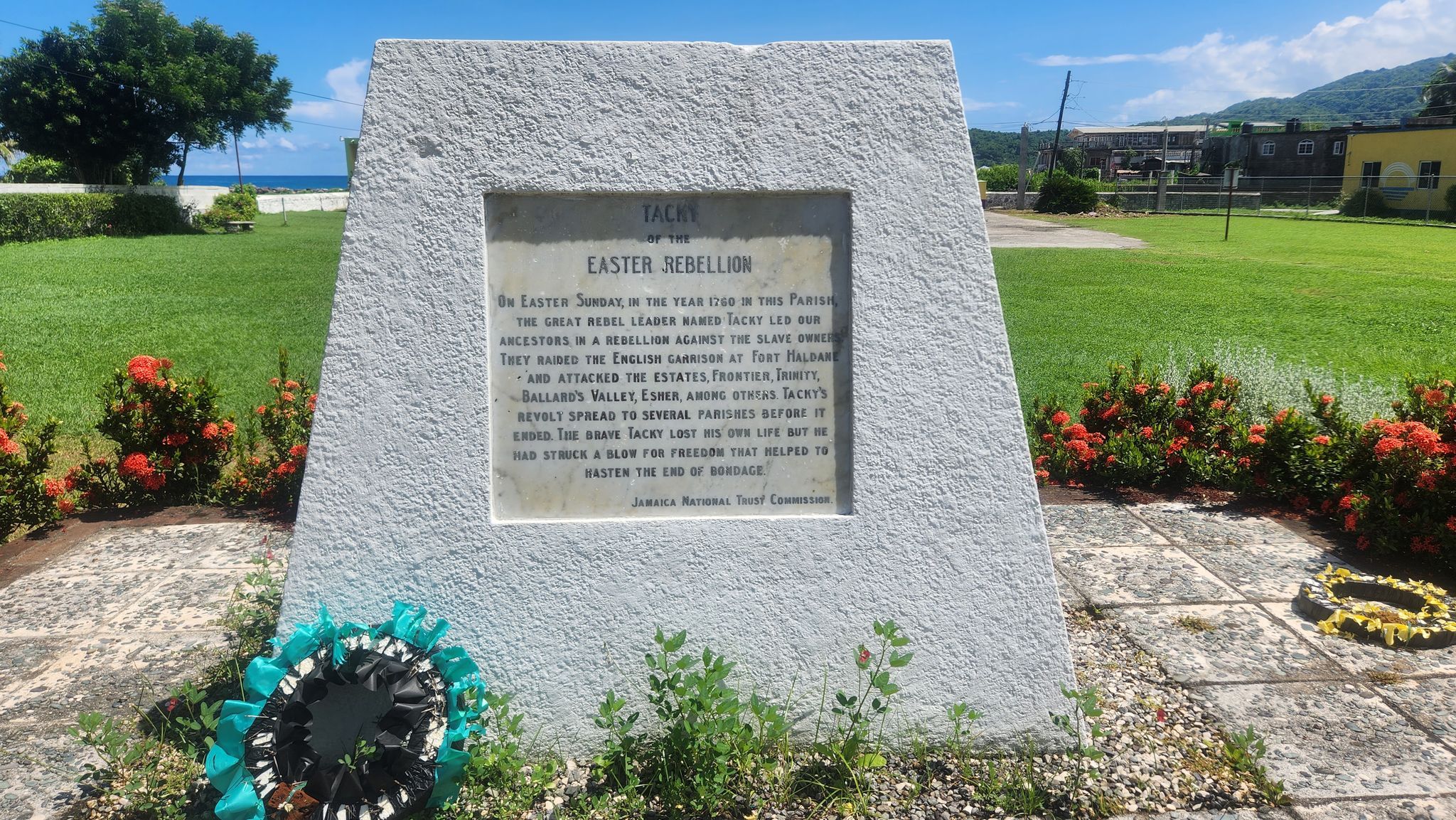
Fort Haldane became involved in Tacky’s rebellion, a major 1760 uprising against slavery. On Easter Sunday, the runaway slave known as Tacky and a small group of enslaved people from neighbouring plantations killed their enslavers and marched to Port Maria. They killed the fort’s guards and seized several barrels of gunpowder and firearms.
The rebels later fought alongside hundreds of other enslaved people and Maroons. Maroons were communities of formerly enslaved Africans in Jamaica that maintained independent settlements and sometimes took part in armed conflicts. The rebellion continued for five months before the colonial government suppressed it. Tacky was killed in a fierce firefight.
Abandonment and Survival
Fort Haldane remained in active service from 1759 until 1780. In that year, a hurricane destroyed its storerooms, barracks, and main garrison building. With the danger of Spanish attacks along Jamaica’s north coast largely reduced, the fort was abandoned and its garrison moved to nearby Ocho Rios. The Government of Jamaica owns the surviving site, which is described as being in satisfactory condition.
Remains
Hilltop Layout and Construction
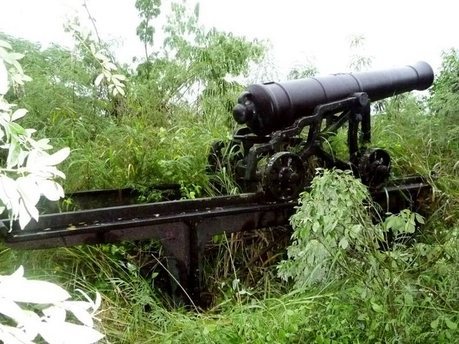
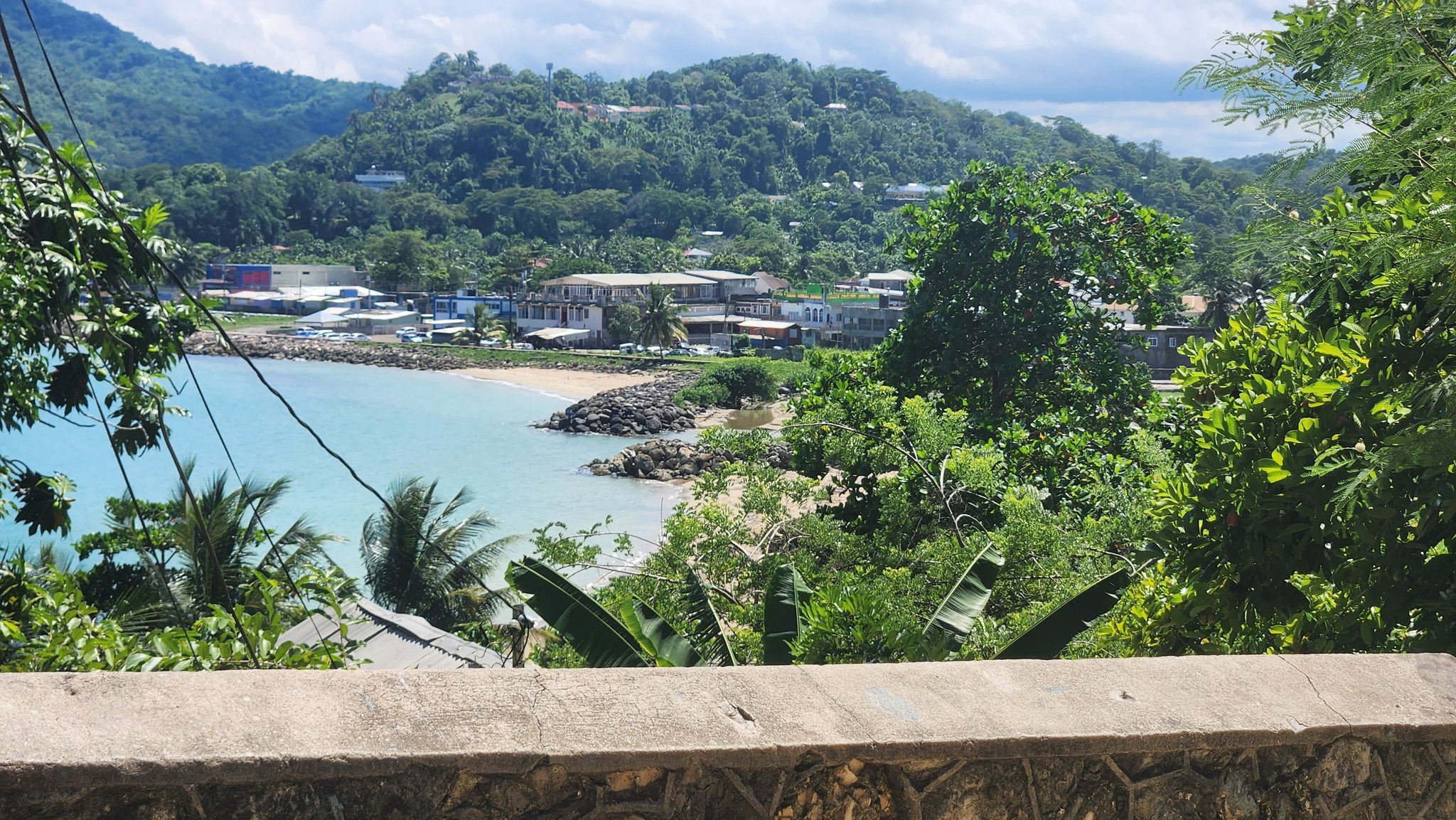
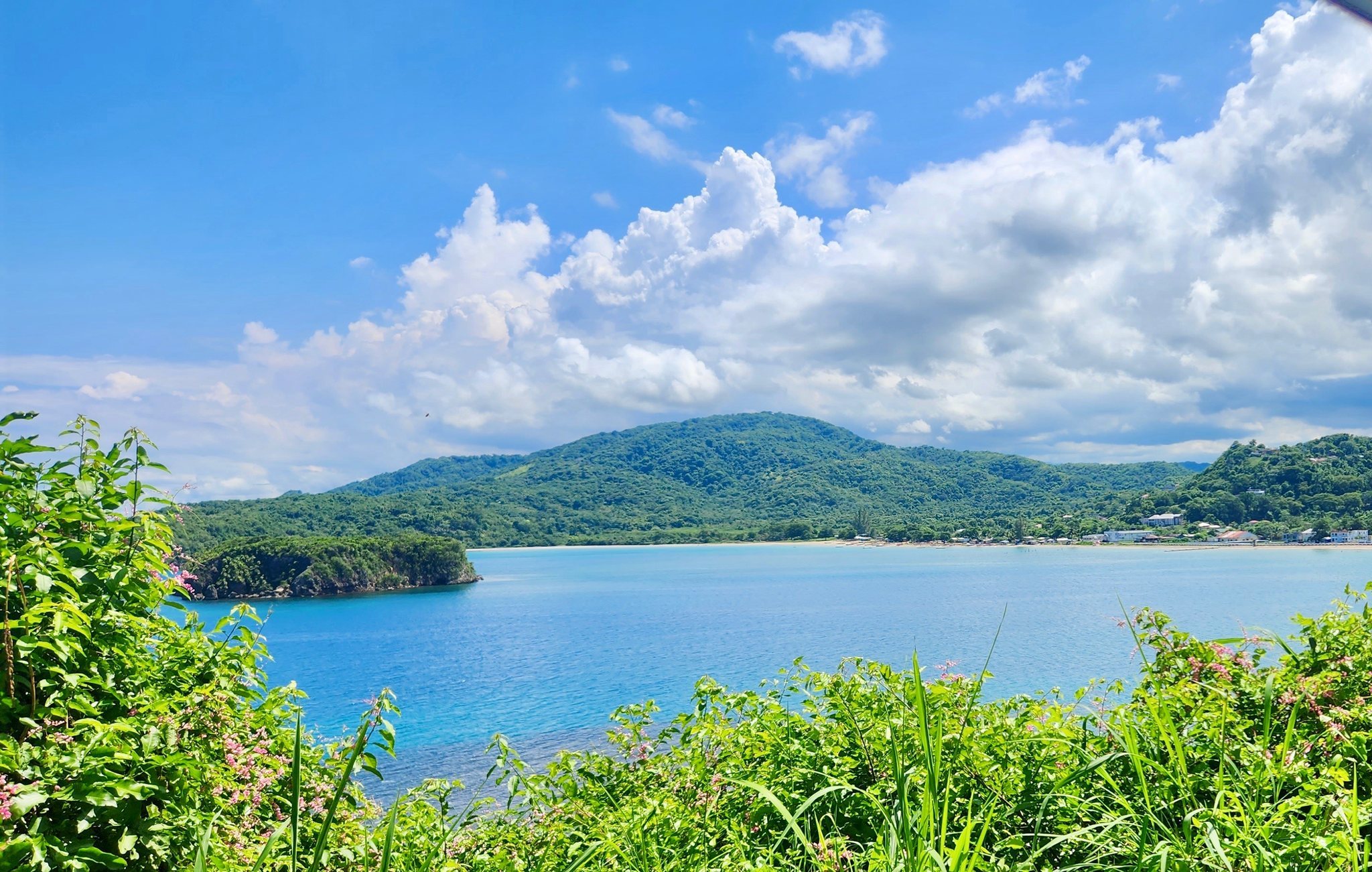
Fort Haldane occupies a hill facing the sea above the old shipping harbour of Port Maria. Its elevated position and seaward orientation gave the fort a broad view across the harbour. Granite was used in its construction. The surviving remains comprise two cannons and the ruins of several ancillary buildings, preserving part of the defensive installation after the destruction of its principal structures.
Artillery System
The fort’s two cannons were positioned approximately 1,000 feet above sea level. Their accuracy and wide field of fire allowed them to engage targets across almost 180 degrees of the horizon. Each cannon carriage was mounted on a turntable, a rotating support that allowed the gun to be aimed from side to side without moving the whole emplacement.
A track accommodated the recoil of the guns after firing, while the turntable system enabled rapid lateral aiming. This arrangement allowed the fort to cover a wide area with only two cannons rather than relying on a larger multi-gun arsenal.