Afghan-Muhammad Mausoleum (Kasimov): A Tatar-Islamic Burial Monument
Site at a Glance
- Rating
- 4.6
- Popularity
- Very Low
- Country
- Russia
- Primary era
- Early Modern
- External website
- Open
- Eras represented
- Early Modern
- Civilizations
- Russian
- Site type
- Religious
- Remains
- Tomb
On this page5 sections
History
The Afghan-Muhammad Mausoleum in Russia is a burial monument in Kasimov for Afghan-Muhammad Sultan, a Khorezmian service prince who lived in a subordinate relationship to a ruling authority. Built in 1649, it belongs to the traditions of medieval Tatar architecture and Islamic funerary practice. Afghan-Muhammad Sultan was the son of Khiva Khan Arab Muhammad Khan and the younger brother of Khiva Khan Abulgazi.
The mausoleum was commissioned by Afghan-Muhammad Sultan’s wife, Altyn Khanum, daughter of Haji Muhammad Khan, a Khorezmian Shibanid khan also known as Hajim Sultan. The Shibanids were a dynastic line descended from Shiban, a grandson of Genghis Khan, whose family produced rulers in parts of Central Asia and the Volga-Ural world. Altyn Khanum was buried in the mausoleum in 1652, three years after its construction.
Standing on the Old Posad of Kasimov, the monument is the only surviving burial on the old cemetery where Fatima Sultan and Arslan, regarded as the last rulers of the Kasimov Khanate, were also buried. The Kasimov Khanate was a Tatar khanate centered on Kasimov in the region of modern Ryazan. The mausoleum is recognized as a federally significant cultural-heritage monument of the Russian Federation.
Remains
Mausoleum and Interior
Two-Chamber Building
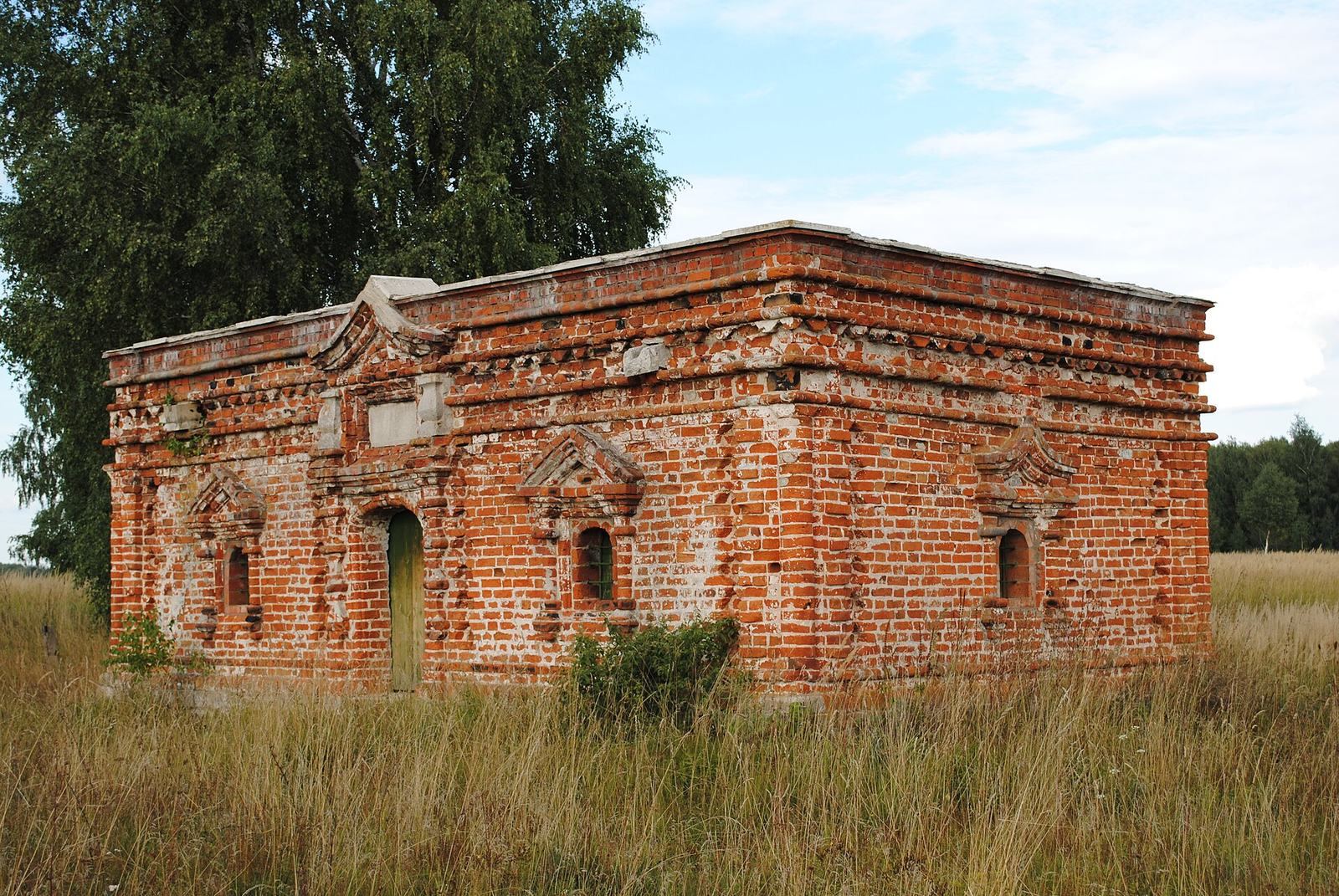
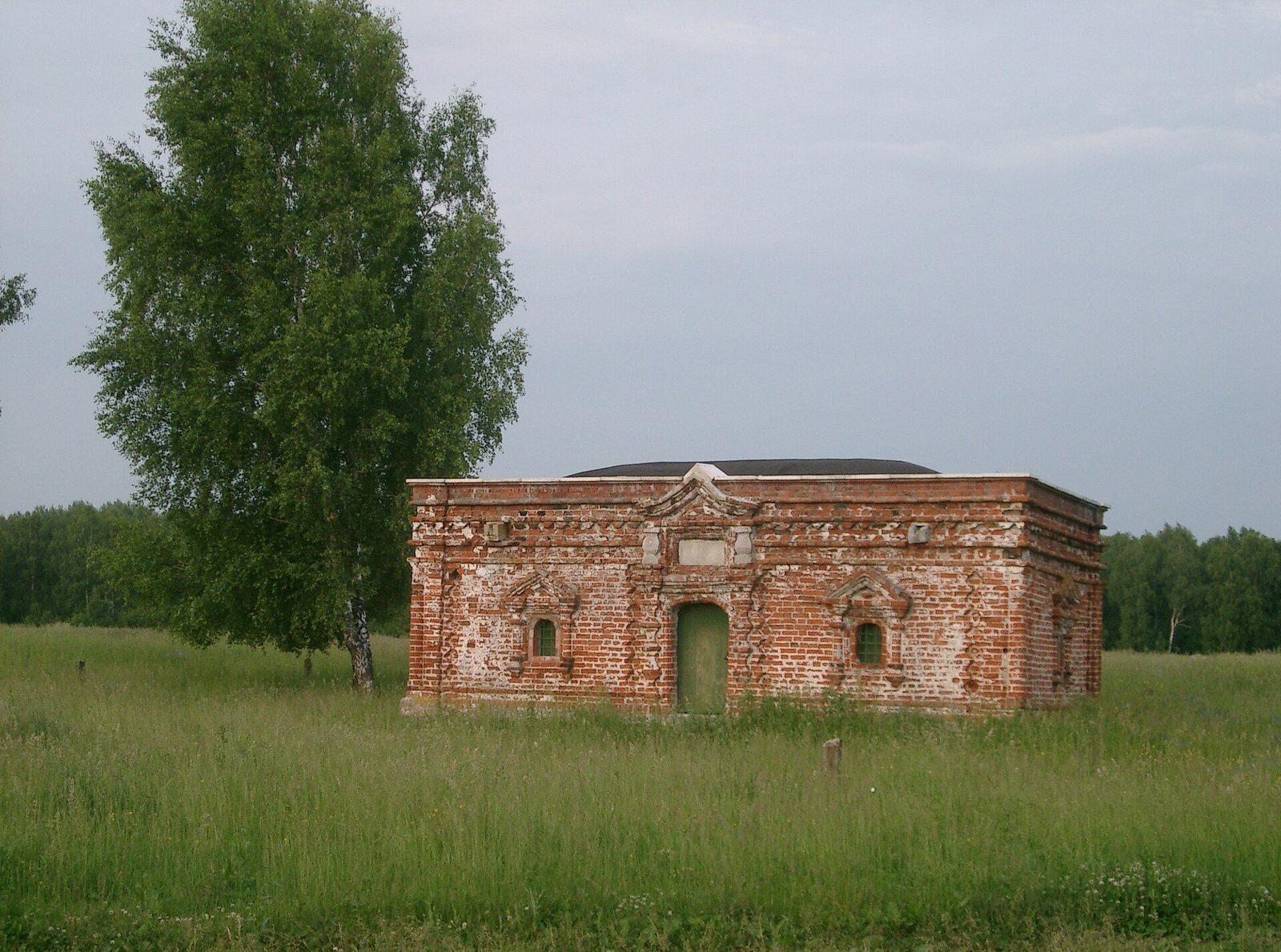
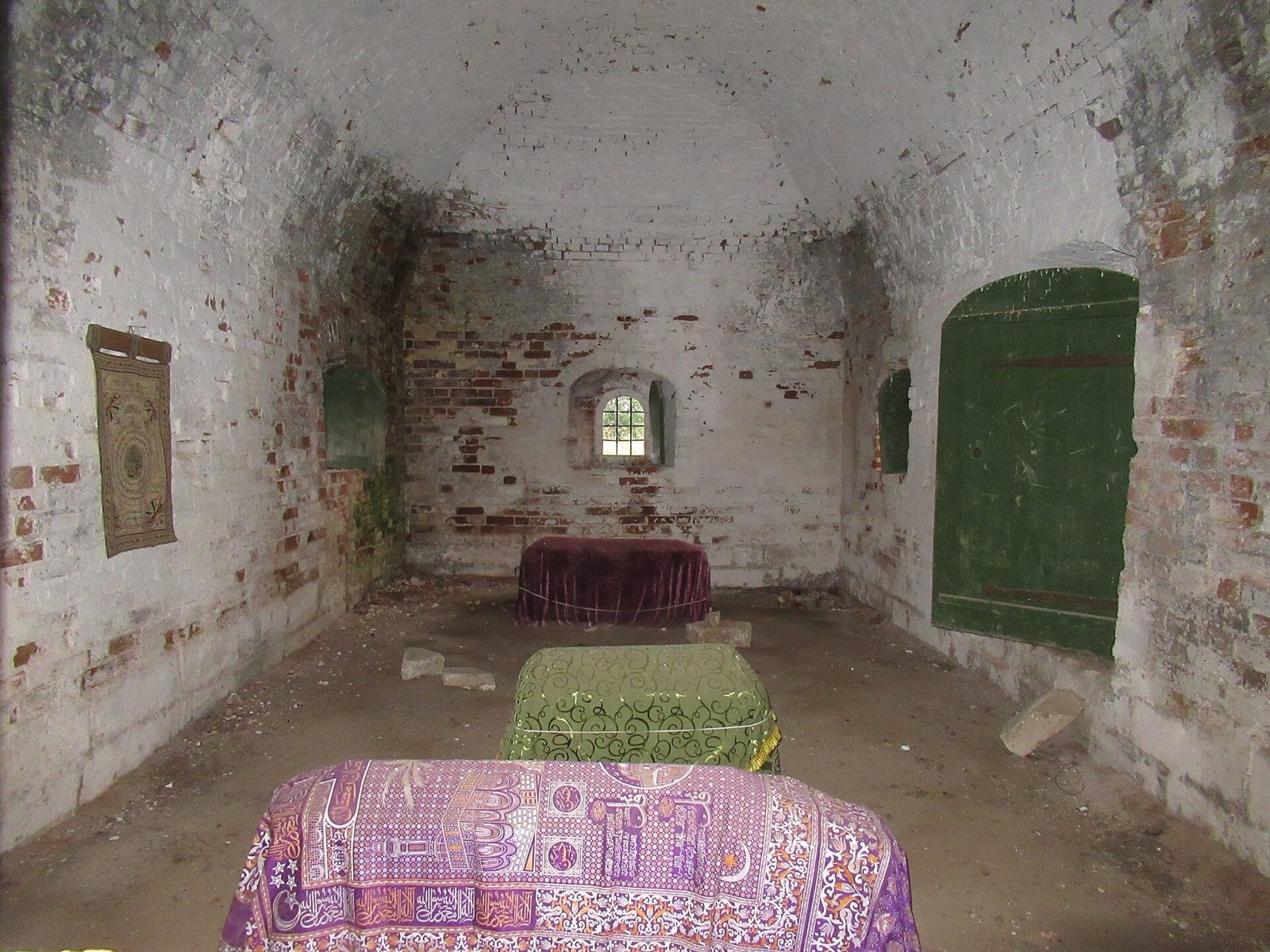
The mausoleum is a two-chamber structure with vaulted ceilings, built according to Tatar architectural traditions. Its exterior includes elements of Russian brick patterning, a decorative technique based on characteristic Russian bricklaying. Together, the vaulted rooms and patterned brickwork express the monument’s combination of Tatar architectural and Russian building traditions.
Gravestones
Inside the mausoleum, three of the four gravestones survive. Their inscriptions in Arabic script have become considerably worn over time. One stone identifies the burial of Afghan-Muhammad Sultan, while another marks the grave of Altyn Khanum, who commissioned the building. A plaque above the entrance also records her role in ordering its construction.