Panagia Pantobasilissa Church, Tirilye: A Medieval Christian Church


Site at a Glance
- Rating
- 3.7
- Popularity
- Low
- Country
- Turkey
- Primary era
- Medieval
- External website
- Open
- Eras represented
- Medieval, Early Modern
- Civilizations
- Byzantine, Ottoman
- Site type
- Religious
- Remains
- Church
On this page6 sections
History
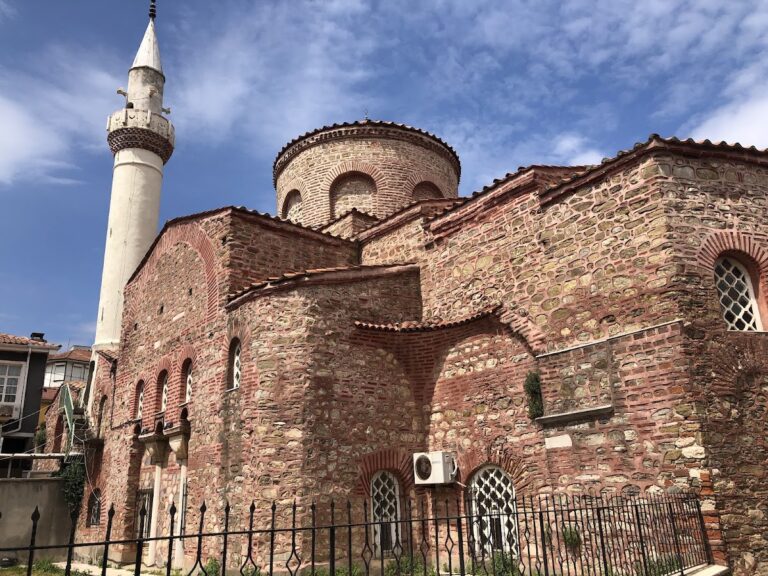
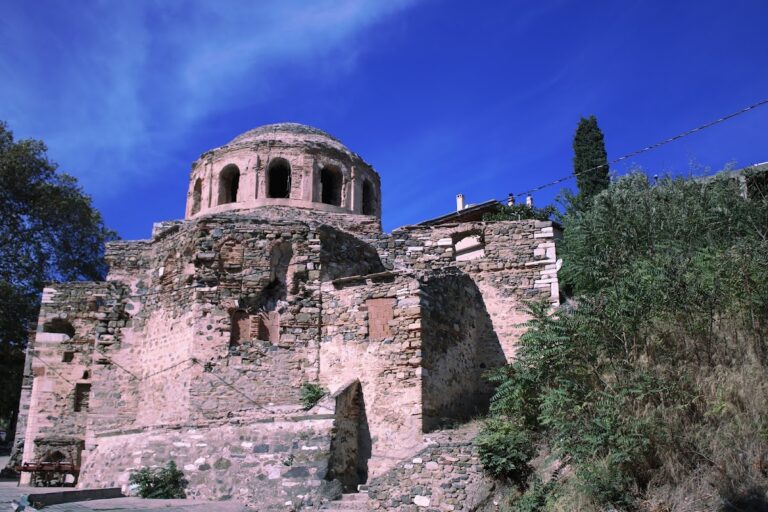
Panagia Pantobasilissa Church is a medieval Christian church in Tirilye, Türkiye, generally dated to the late thirteenth century. It is regarded as an important Christian monument and remained in use as a church until the Greco-Turkish population exchange of 1922.
Foundation and Dedication
The original building is placed in the late thirteenth century on the basis of its wall construction technique and other architectural characteristics. Its dedication is to Panagia Pantobasilissa, a Christian title meaning “Panagia, Queen of All,” referring to the Virgin Mary.
A handwritten document prepared in 1676 by Dr. John Covel, an English physician and traveler, identifies the church by this dedication. Other handwritten records also preserve the same name.
Later Use and Preservation
The church continued to serve its Christian congregation until the population exchange of 1922, after which it ceased to function as a church. It is currently unused.
The building was later purchased by Elpidophoros Lambriniadis, a Greek Orthodox bishop appointed by the Ecumenical Patriarchate of Constantinople to the Metropolis of Bursa. The purchase was intended to support restoration and the church’s return to religious use. Restoration plans announced in 2014 had not received approval from the Turkish government.
Remains
Plan and Structure
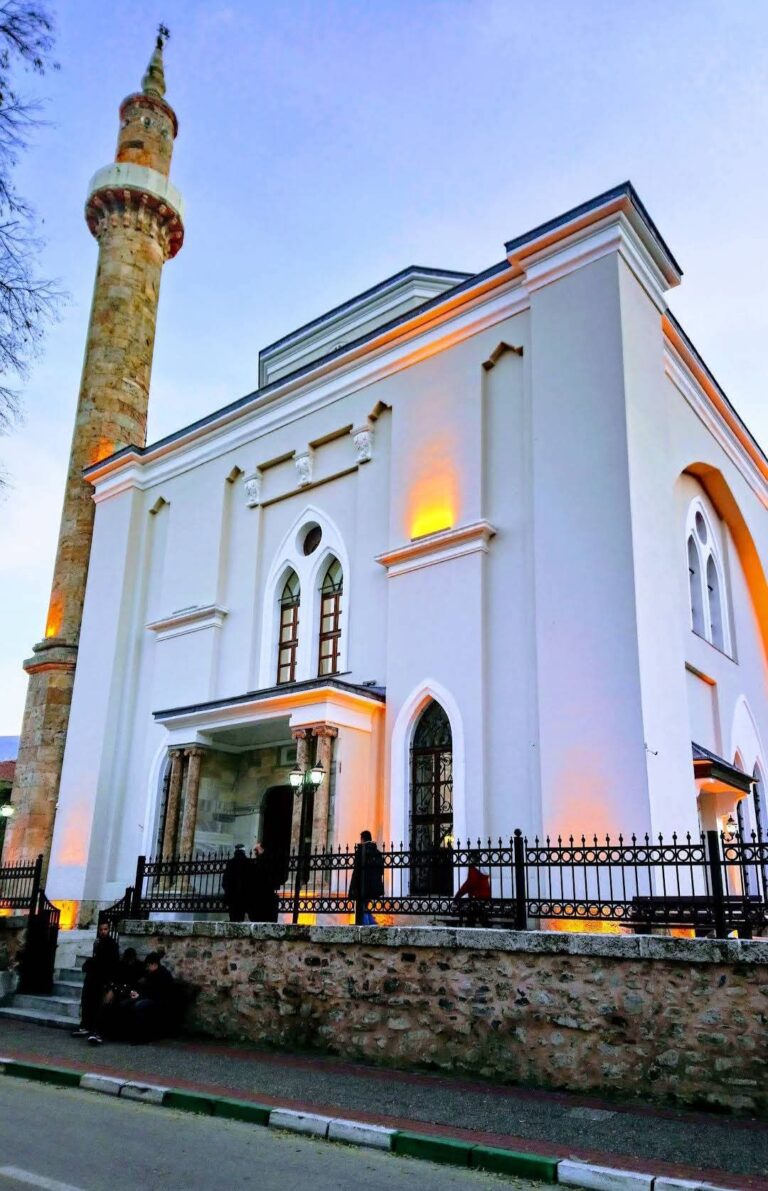
The church follows a Greek-cross plan, in which the four arms are approximately equal in length, with the principal axis running from east to west. Support pillars appear on the façades, while columns believed to have been brought from Alexandria form part of the building’s structure. Its arched architectural character has given it the regional name the Arched Church, reflected in the Turkish designation Kemerli Kilise.
Frescoes and Condition
Two layers of frescoes survive on the walls. Frescoes are paintings applied directly to plastered architectural surfaces. The first layer dates to the beginning of the fourteenth century, while the second was produced in 1723. The walls and dome have been described as being in good condition, although the church is not currently in use.