Alâeddin Eskişehir Mosque: A Seljuq-Era Place of Worship in Türkiye


Site at a Glance
- Rating
- 4.6
- Popularity
- Medium
- Country
- Turkey
- Primary era
- Medieval
- Eras represented
- Medieval
- Civilizations
- Seljuk
- Site type
- Religious
- Remains
- Mosque
On this page6 sections
History
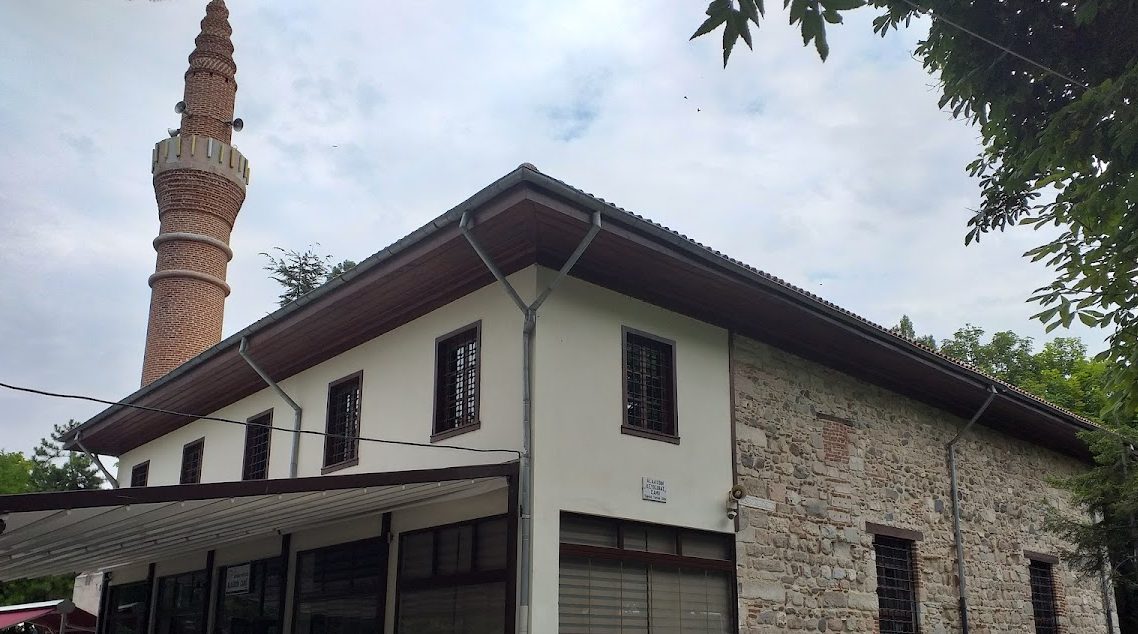
Alâeddin Eskişehir Mosque is a historic Islamic mosque in Eskişehir, Türkiye, built during the medieval Seljuq Sultanate of Rûm and regarded as one of the city’s oldest buildings. An inscription at the base of its minaret dates the mosque to 1267, during the reign of Gıyaseddin Keyhüsrev III, who ruled the Seljuq state from 1265 to 1284.
Seljuq Foundation
The mosque was donated by Nur al-Din ibn Jaja, a follower of Mevlana, the name commonly used for Jalal al-Din Rumi, a 13th-century Persian poet, Islamic scholar, and Sufi religious figure. Its foundation belongs to a period when the Seljuq Sultanate of Rûm, a medieval Turkish dynasty based in Anatolia, governed the region.
Changes in Modern Use
Several restorations altered the building and caused it to lose aspects of its original construction characteristics. A major alteration took place in 1945. A Cabinet decision later closed the mosque for religious use, and the building served as an archaeological museum until the Eskişehir Eti Archaeology Museum was established. It was restored for use as a mosque in 2014.
Remains
Plan and Construction
The mosque stands in Alaeddin Park in Odunpazarı, Eskişehir. Its plan is almost square and rectangular, with rubble masonry forming the main structure and wood also used in the construction. At the centre of a flat wooden roof is an octagonal dome with an interior diameter of 6.50 metres. The building has a single minaret, whose base carries the inscription associated with the mosque’s 1267 construction date.
Interior and Openings
Entry is through the north side, where a wooden staircase leads to the women’s section on the upper floor. Large rectangular windows light the interior, and two-level arrangements appear on the north and lateral facades, including around the women’s section and the narthex, an entrance or vestibule area adjoining the main worship space. Quranic verses decorate the inner border of the dome. On the south side, the mihrab, the niche indicating the direction of prayer, occupies a deep recess and has a late Ottoman architectural design.