Al-Kaykhia Mosque: An Ottoman Mosque in Sidon, Lebanon
Site at a Glance
- Rating
- 4.7
- Popularity
- Very Low
- Country
- Lebanon
- Primary era
- Early Modern
- Eras represented
- Early Modern
- Civilizations
- Ottoman
- Site type
- Religious
- Remains
- Mosque
On this page7 sections
History
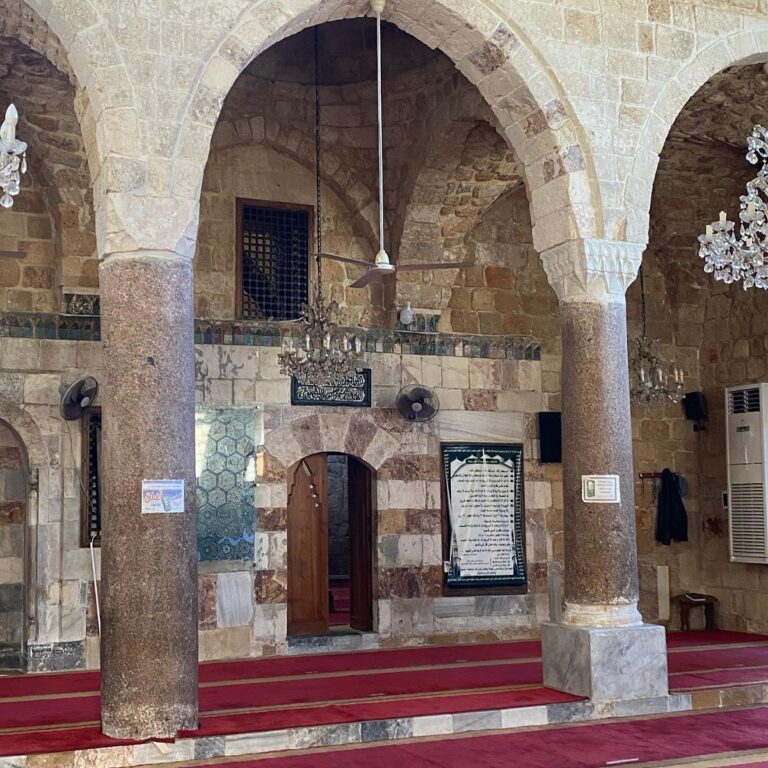
Al-Kaykhia Mosque is an old Ottoman mosque in Sidon, Lebanon, founded by Haj Mustafa al-Katkhuda in 1624. Its design follows an Ottoman architectural tradition, and the mosque became part of the religious history of the old city.
Foundation and name
The mosque was established in 1624, although an earlier foundation date has also been suggested. It was once known as the Katkhuda Mosque. The name referred to al-Katkhuda, an Ottoman title for an official, agent, or representative, including a representative of an Ottoman governor, rather than necessarily identifying the founder’s family.
Religious use and restoration
After 1948, Palestinian refugee families used the mosque as a shrine. It was later closed for a long period, then restored during the 1990s and reopened for worship.
The mosque also became associated with Sheikh Yusuf al-Asir, a prominent scholar who taught there for several months after returning from Egypt in 1841. He had spent seven years at al-Azhar, a major centre of Islamic scholarship in Cairo, before leaving Sidon for Tripoli al-Sham later that year.
Remains
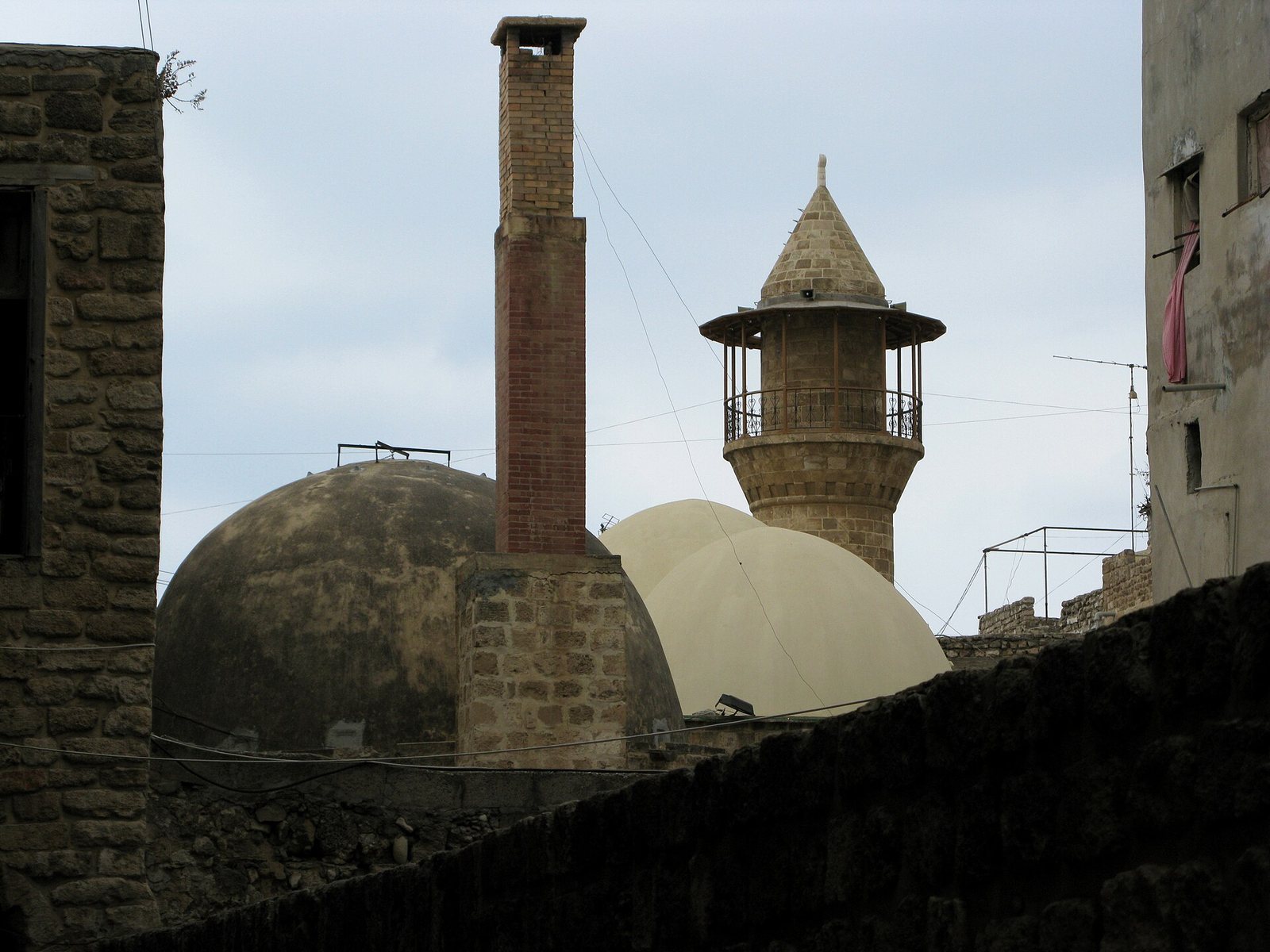
The mosque has a single entrance on its eastern side, marked by a water fountain, and one minaret. Its Ottoman architectural style has been compared with that of the Sharafli Mosque in Istanbul. The building represents an architectural tradition found across the Islamic world during the twelfth and thirteenth centuries AH.
Courtyard and associated rooms
Courtyard and ablution pool
A large courtyard formed part of the mosque complex. It once contained a diamond-shaped pool used for ablutions, but the pool was later removed.
Western rooms and devotional space
Five rooms along the western side accommodated dervishes, travelers, and students of religious knowledge. Dervishes were Sufi practitioners associated with devotion and spiritual discipline. One of the rooms served as the Shadhiliyya zawiya, a space for Sufi instruction, devotion, and communal practice, where circles of dhikr, or collective devotional remembrance of God, were held.
A sundial once decorated the inside of the entrance. It was destroyed, and no trace of it remained.