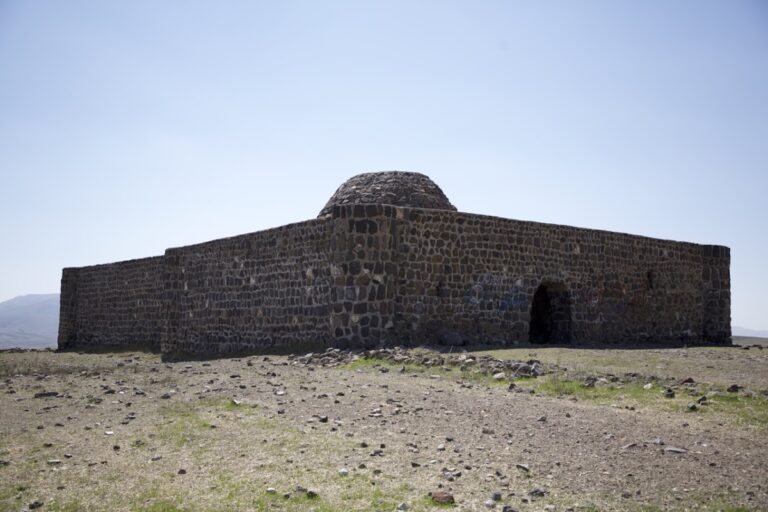
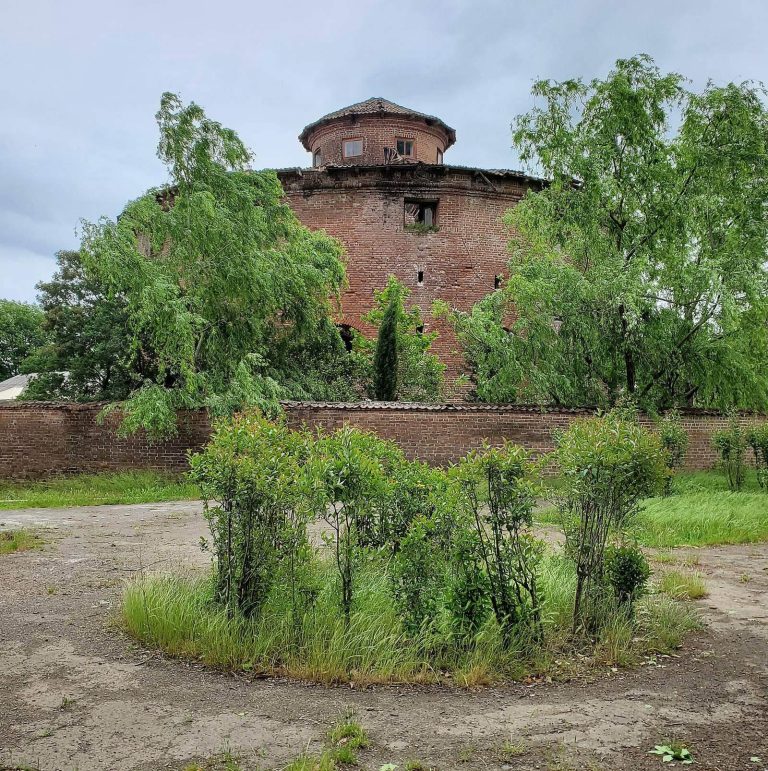
Jome Mosque: A Seljuk-Era Friday Mosque in Ardabil, Iran


Site at a Glance
- Rating
- 4.4
- Popularity
- Very Low
- Country
- Iran
- Primary era
- Medieval
- Eras represented
- Medieval, Early Modern
- Civilizations
- Aq Qoyunlu, Ilkhanate, Qajar, Seljuk
- Site type
- Religious
- Remains
- Mosque
On this page13 sections
History
Jome Mosque is a former Shia Friday mosque in Ardabil, Iran, associated with the Seljuk era and built during the early Islamic centuries. Historically called the Adineh Mosque and also known as the Ardabil Friday Mosque, it remained in use until the early Safavid period, when the Safavids established a major Iranian dynasty and made Twelver Shia Islam the state religion.
Early Islamic and Seljuk foundations
The mosque was constructed over or beside earlier pre-Islamic remains, possibly near a fire temple. Its exact foundation date is unknown, but archaeological investigation places its construction in the early Islamic centuries. Under the Seljuks, a Turkic ruling dynasty associated with major developments in religious and monumental architecture in Iran and neighboring regions, the mosque formed part of a large religious complex.
The Seljuk-period mosque was considerably larger than the surviving complex. Its plan included a courtyard, an iwan, and a monumental vaulted element. An iwan is a vaulted hall or recess open on one side. The mosque’s arrangement did not follow the predominantly four-iwan plan associated with Seljuk mosques, although the old building had a dome and four arches.
Mongol and Ilkhanid transformations
Much of the complex was destroyed during a Mongol attack. The Ilkhanids, the Mongol dynasty that ruled Iran after the Mongol conquest, later enlarged or altered the mosque. Repairs to the principal structure and dome took place during the seventh century AH, and the mosque received its last restoration during the Ilkhanid period.
A severe earthquake is also associated with the mosque’s principal damage and ruin. Later encroachments on the protected area and the mound reduced the extent of the site. Houses built along the slope further diminished the surviving area, leaving the dome chamber and large iwan as the principal elements of the present complex.
Excavation and modern protection
Archaeological excavations began in 1988 under Iran’s Cultural Heritage Organization. The removal of soil layers and later graves revealed brick capitals and part of the wall of the old prayer hall, dating to the Ilkhanid period. These discoveries clarified the mosque’s development and the additions made to it over time. Ceramic and other objects from the former mosque site date to the Seljuk period.
Jome Mosque entered Iran’s National Heritage List on 18 June 1936 under registration number 248. In February 2024, it became a national cultural-heritage base. The site has also faced modern physical pressures. Construction and extension of Simetri Street in 1979 destroyed a substantial part of the historic mound and caused cracking and subsidence on the eastern side of the mihrab area. Heavy-vehicle traffic continues to expose the remains to vibration and erosion.
Remains
Site layout and construction
The remains stand in the Pir Shamseddin district of Ardabil, within the grounds of a cemetery. Built chiefly of brick, the surviving complex is in a partial ruinous state and is organized around the dome chamber and the large adjoining iwan. The earlier complex included a courtyard, an iwan, and a monumental vault, while excavated elements provide evidence for the former prayer hall.
Dome chamber and adjoining iwan
Dome chamber
The surviving main chamber is square and was originally covered by a dome. Its dome neck incorporated several prismatic forms and bands of cut-tile decoration. Squinches, architectural elements that transition a square room into a domed form, were placed beneath the dome. Large spandrels in the squinches contained two rectangular openings each, bringing light to the mihrab area. A mihrab is the prayer niche indicating the direction of Mecca.
Multiple blind arches occupy the eastern and western sides of the chamber, arranged in three bays on each side. Narrow passageways between the arches connect with different parts of the mosque, including the prayer hall and the large prayer hall. The brickwork incorporates reused bricks, while surviving surface decoration includes tilework, plasterwork, and seal impressions in the joints and spaces between the bricks. These features are comparable to Seljuk-period buildings elsewhere in Azerbaijan.
Large iwan
The iwan adjoining the dome chamber is currently used as a functioning local mosque. Its present flat roof is supported by beams resting on three rows of triple-column supports. These supports were constructed during the Qajar period, the Iranian dynasty that ruled from the late eighteenth to the early twentieth century. The repairs preserved the dome neck and its surviving decoration.
Minaret and underground passages
Brick minaret
A single brick minaret stands beside the mosque. It has an octagonal base and a cylindrical shaft. Two inscriptions state that it was built on the order of Uzun Hasan, the fifteenth-century ruler of the Aq Qoyunlu, a Turkmen political confederation that ruled parts of Iran and neighboring regions. The inscriptions date its completion to 1473–1474 and are now preserved in the National Museum of Iran.
Subterranean passageways
Below the main hall is a planned network of underground passageways intended for the movement of people, processions, and gatherings. The passages meet at four-way junctions at intervals of about two metres. Each passage is approximately 190 centimetres high and 80 centimetres wide, forming an organized circulation network beneath the mosque.
Excavated prayer-hall remains
Excavation exposed brick capitals and part of the wall belonging to the old Ilkhanid prayer hall. These fragments help define the scale and development of the earlier complex alongside the surviving dome chamber and iwan. Ceramic and other finds from the site date to the Seljuk period, while the recovered architectural pieces preserve evidence of later Ilkhanid work.