Zubtsov Kremlin: The Fortified Historic Core of Zubtsov
Site at a Glance
- Popularity
- Low
- Country
- Russia
- Primary era
- Unclassified
- Eras represented
- Unclassified
- Civilizations
- Unclassified
- Site type
- Military
- Remains
- Citadel
On this page9 sections
History
The Zubtsov Kremlin was the fortified central district of Zubtsov, Russia. Archaeological evidence places the beginning of occupation at the site in the 11th century. Zubtsov first appears in a chronicle in 1216, in connection with its capture by Mstislav the Bold, prince of Novgorod.
Medieval rule and princely residence
Zubtsov belonged to the Principality of Tver during the wars between Tver and Moscow. In 1370, Dmitry Donskoy, grand prince of Moscow, besieged the town. He captured it in 1375, but after peace was made it was returned to Mikhail Alexandrovich, prince of Tver.
For a time, Zubtsov governed an appanage principality, a smaller principality ruled separately within a larger dynastic realm. The Kremlin served as the residence of its prince.
Occupations and abandonment
In 1581, forces led by Krzysztof Radziwiłł, a Lithuanian noble and military commander known as a hetman, occupied Zubtsov. Supporters of False Dmitry II, a claimant to the Russian throne during the political upheaval called the Time of Troubles, took control of the town in 1606. In 1608, a Swedish corps led by Evert Horn, fighting for Tsar Vasily Shuisky, drove them out. Polish and Lithuanian forces devastated the town in the years that followed.
In the late 18th century, the town’s public offices moved from the fortress into the town, and the Kremlin site was abandoned as religious and civic functions shifted away. E. A. Rikman surveyed the monument. It is recognized in Russia as a cultural heritage site of federal significance.
Remains
Setting and defenses
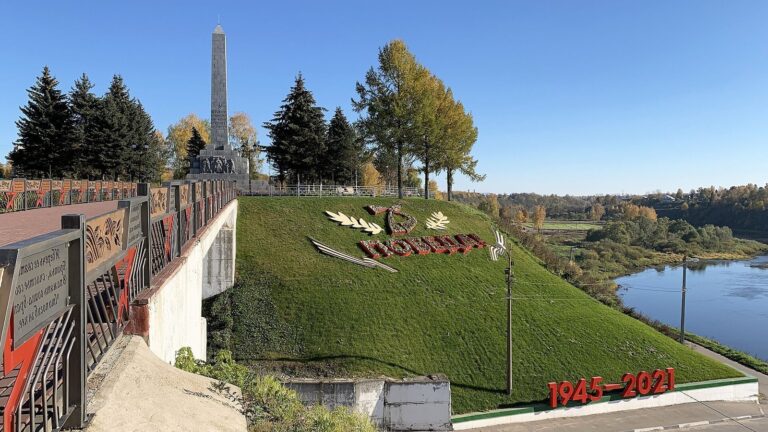
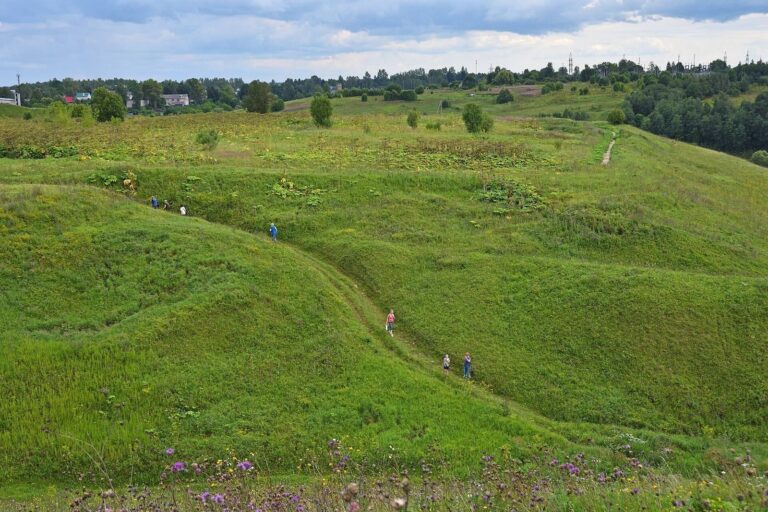
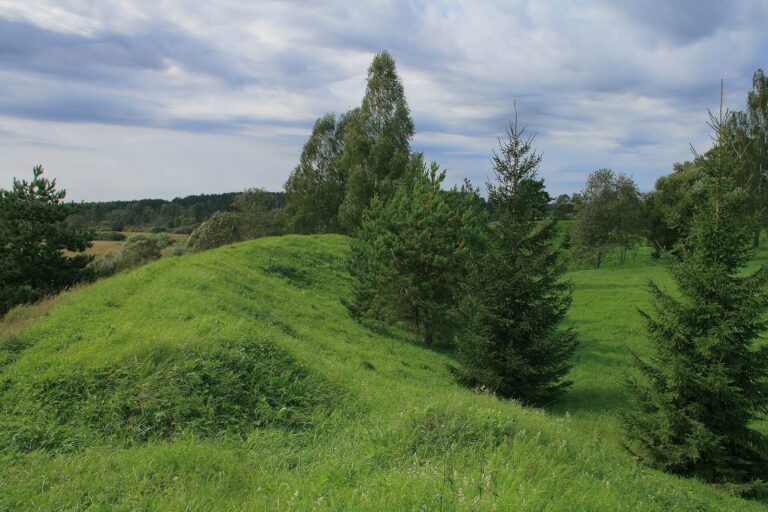
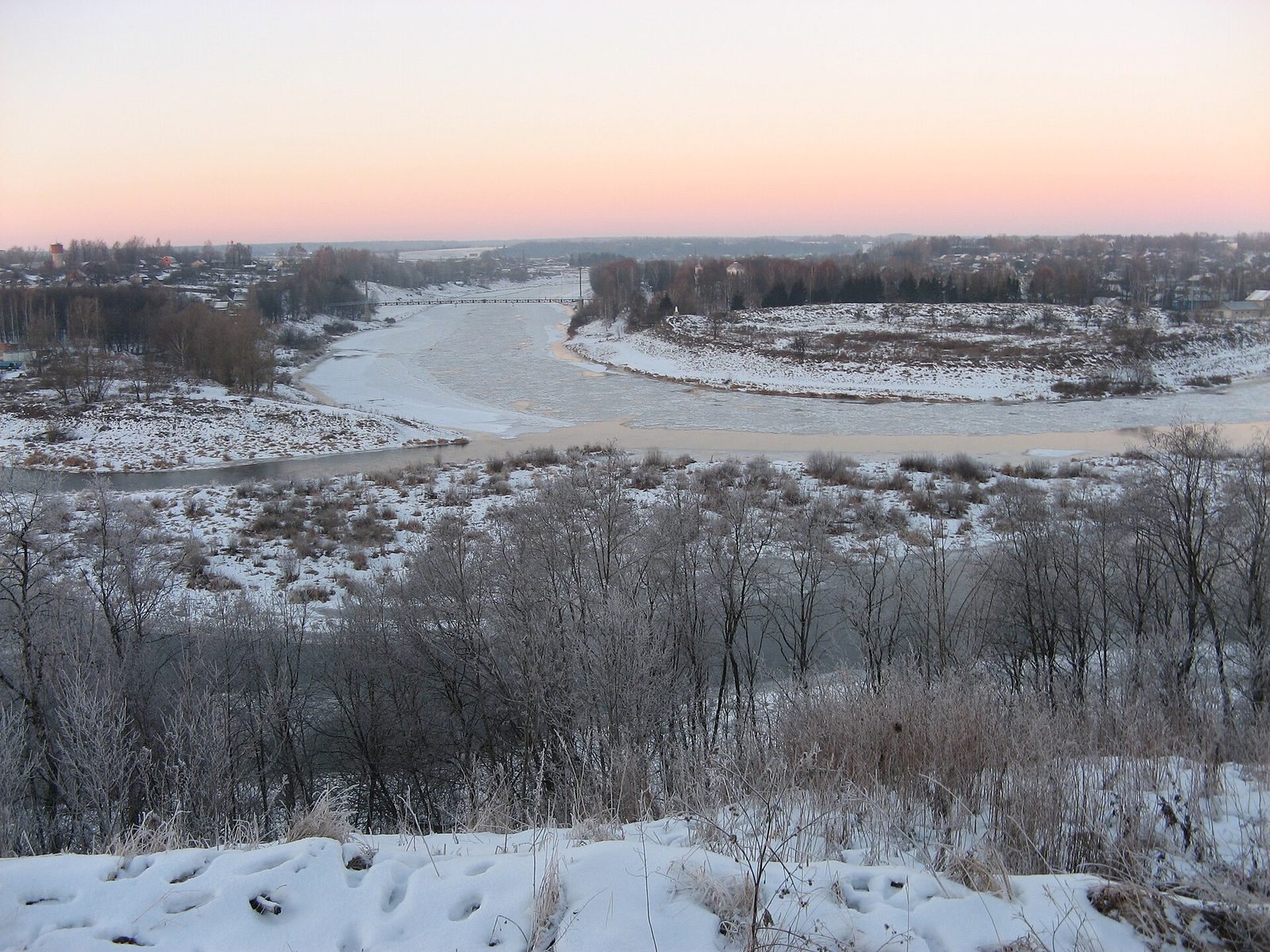
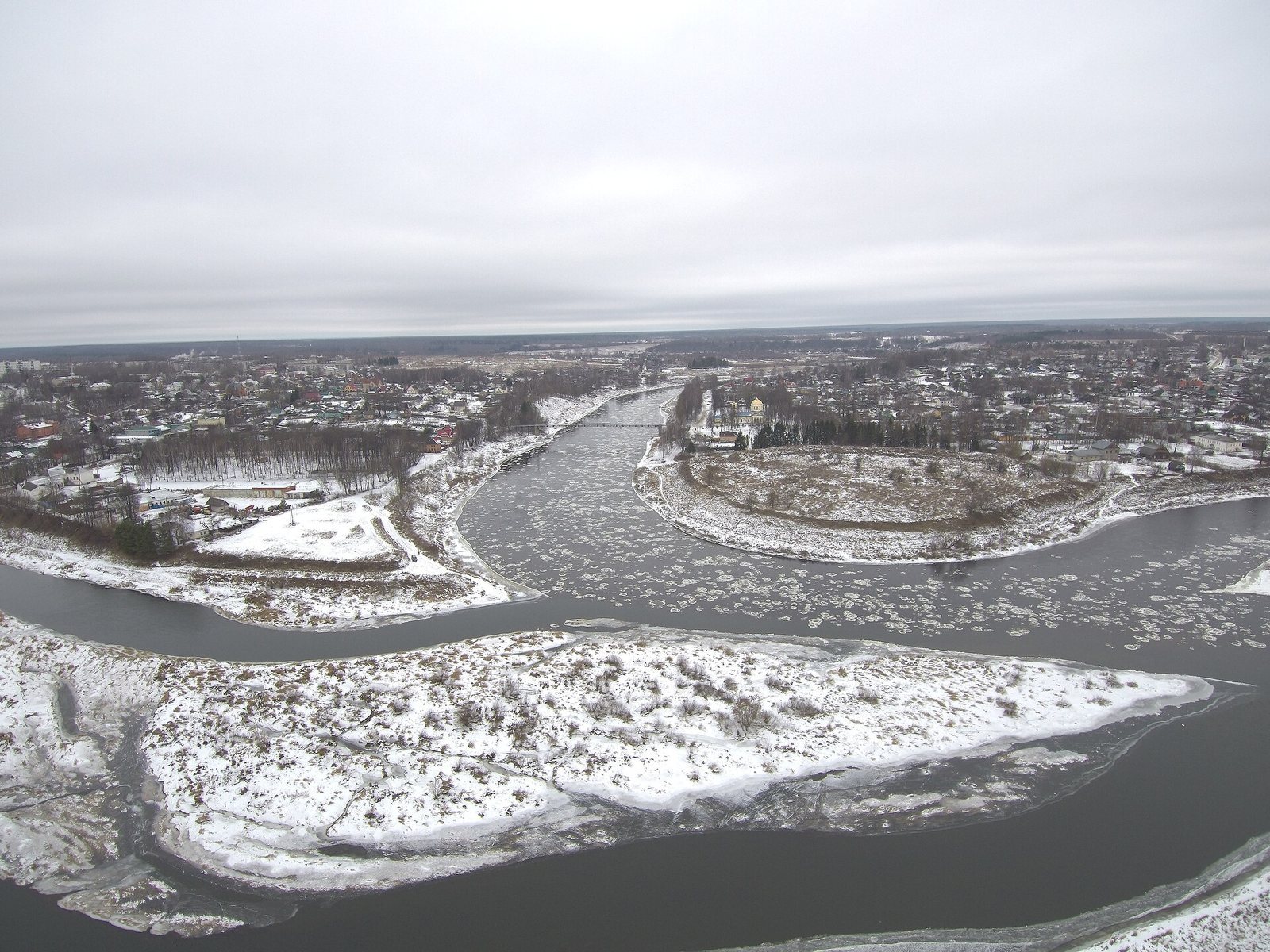
The Kremlin occupies a high promontory on a steep bend of the Volga’s left bank, opposite the Vazuza River’s confluence with the Volga. Its irregular oval enclosure covered 5.3 hectares and had an earthwork perimeter of about 830 metres. Wooden walls and towers once stood on the ramparts, while a ditch 3.5 metres deep defended the landward side. The ramparts and ditch survive, and the ramparts remain well preserved.
Cathedrals
Wooden Assumption Cathedral
A wooden Assumption Cathedral was built within the fortress in 1692. It was later dismantled.
Second Assumption Cathedral
In 1752, the merchant Malygin built a second Assumption Cathedral beside the wooden one. It, too, was later dismantled.
Brick cathedral beyond the ramparts
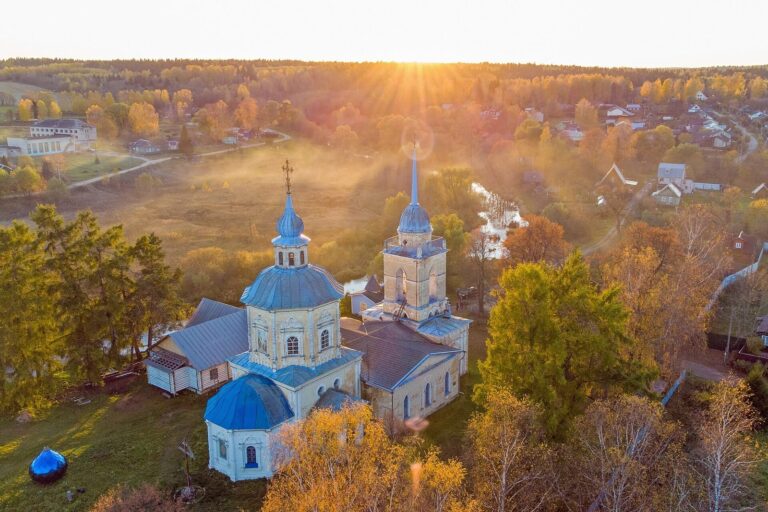
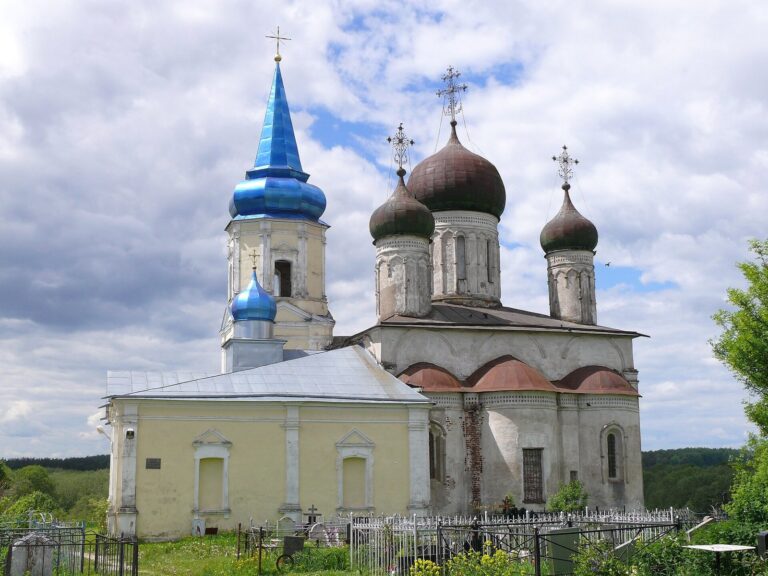
After the earlier cathedrals were dismantled, a new brick cathedral was built outside the ancient settlement’s ramparts.