Wartegg Castle and Park: A Renaissance Residence in Switzerland
Site at a Glance
- Popularity
- Medium
- Country
- Switzerland
- Primary era
- Early Modern
- Eras represented
- Early Modern
- Civilizations
- Holy Roman Empire
- Site type
- Domestic
- Remains
- Castle
On this page7 sections
History
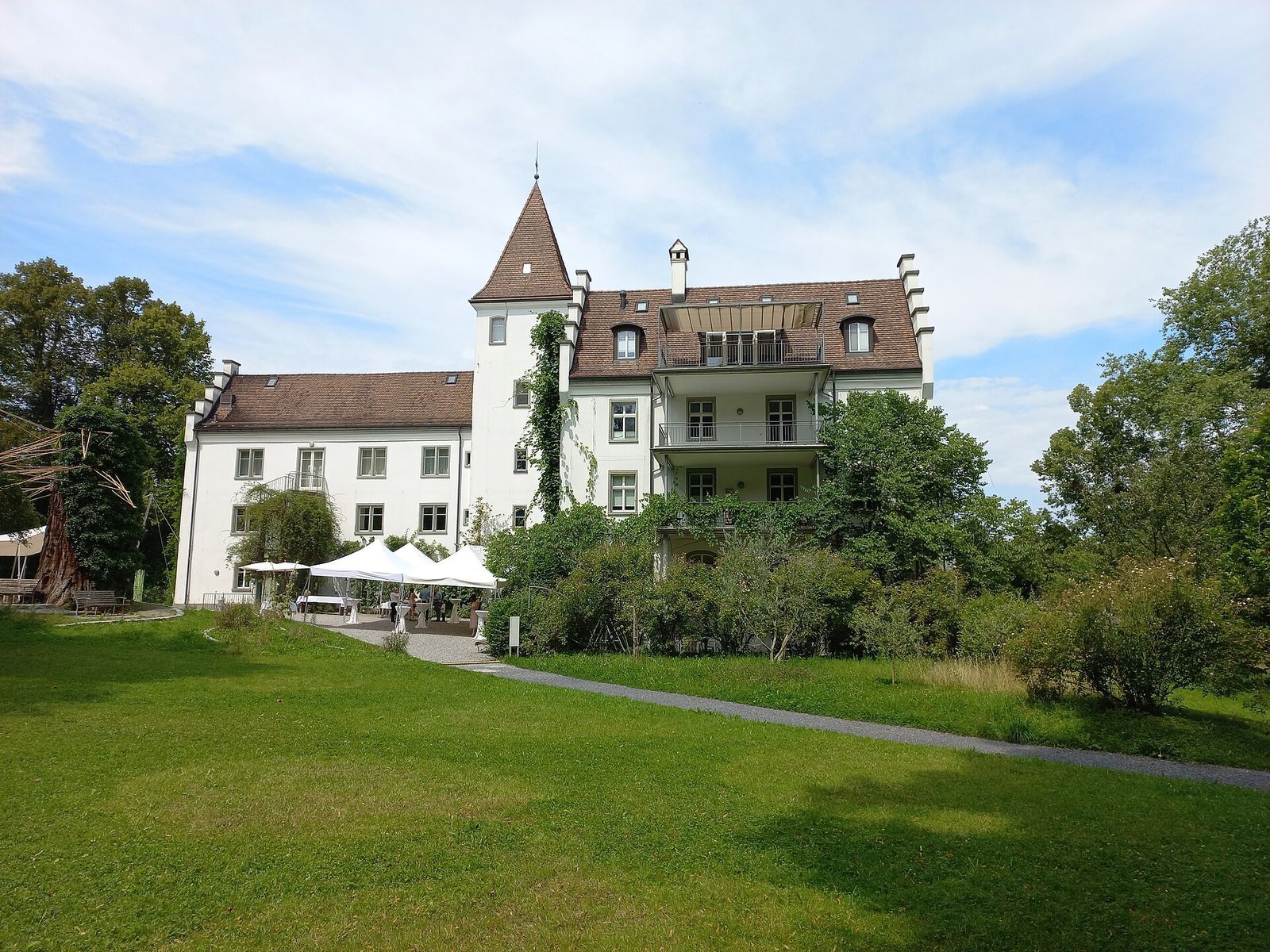
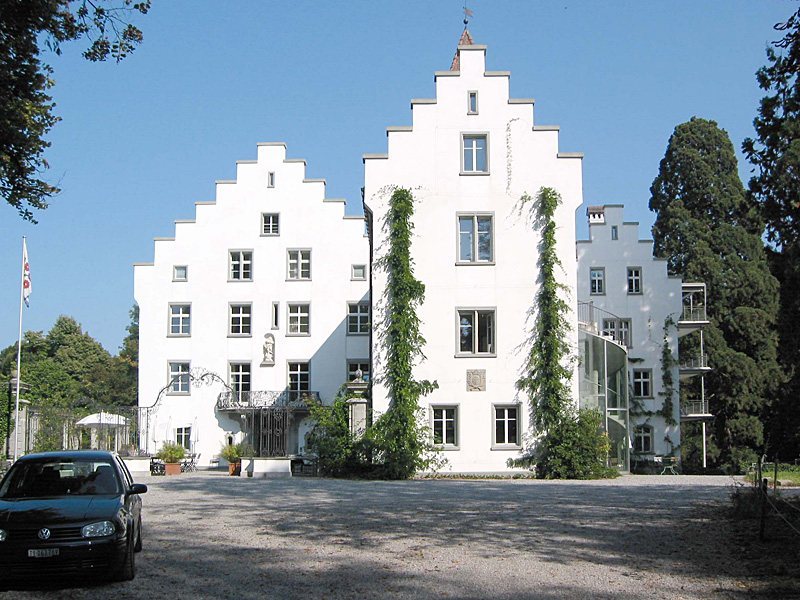
Wartegg Castle and Park is a Renaissance-style residence in Rorschacherberg, Switzerland, constructed around 1557–58 for the Blarer von Wartensee family. Renaissance architecture drew on renewed interest in classical forms and proportions. Swiss nobleman Caspar Blarer von Wartensee was its builder. The castle’s original chapel was later closed during the Rink von Baldenstein family’s ownership.
Revolution and dynastic change
During the French Revolution, the political upheaval in France that began in 1789, members of the Bombelles family lived at Wartegg. After the 1792 Battle of Valmy, an early battle in the wars of the French Revolution, Marc-Marie de Bombelles emigrated to Switzerland. A supporter of Louis XVI, the Bourbon king of France, he stayed at the castle while awaiting the king. His wife, Marie-Angélique de Bombelles, born von Mackau (1762–1800), corresponded from Wartegg with Madame Elisabeth, the king’s sister, at the Tuileries in Paris. In August 1793, Antoine-Éléonor-Léon Le Clerc de Juigné also sought refuge at Wartegg and in Constance.
The von Thurn family sold the castle and estate in 1822. In 1860, Louise, Duchess and regent of Parma and a descendant of Louis XIV, another Bourbon king of France, bought the property. It then became part of the Bourbon-Parma family’s holdings.
Imperial exile and twentieth-century changes
From 24 March to 20 May 1919, Austria’s last reigning emperor, Charles I, stayed at Wartegg with his wife Zita and their children after leaving Austria for exile.
The Bourbon-Parma family sold the castle in 1924. After passing through other hands, it was acquired in 1929 by German industrialist Gustav Mez, who made its last major alteration. Much of his company was based in Germany’s Soviet-occupied zone and was expropriated after the war, forcing him to sell the property in the late 1950s.
Over the following decades, the castle and park deteriorated and were treated as a reserve for potential building development. Christoph and Angelika Mijnssen bought the property in 1994 and converted it into a hotel for holidays and seminars.
Remains
Castle and chapel
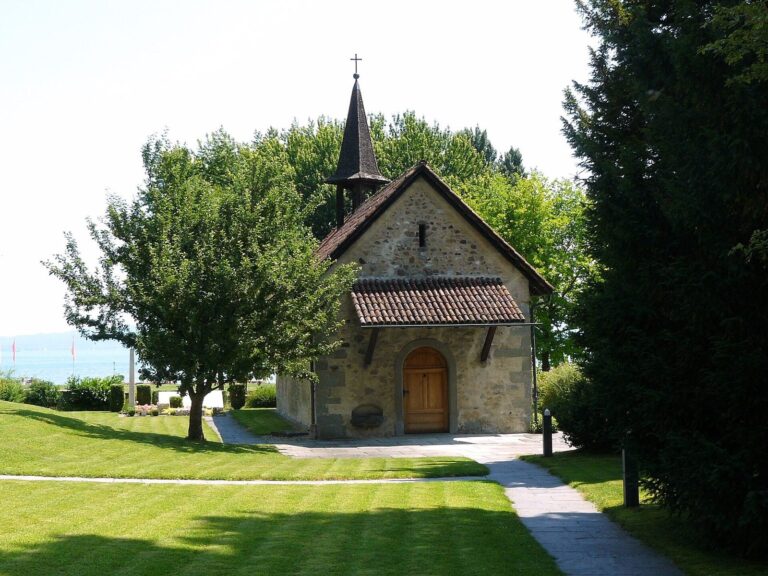
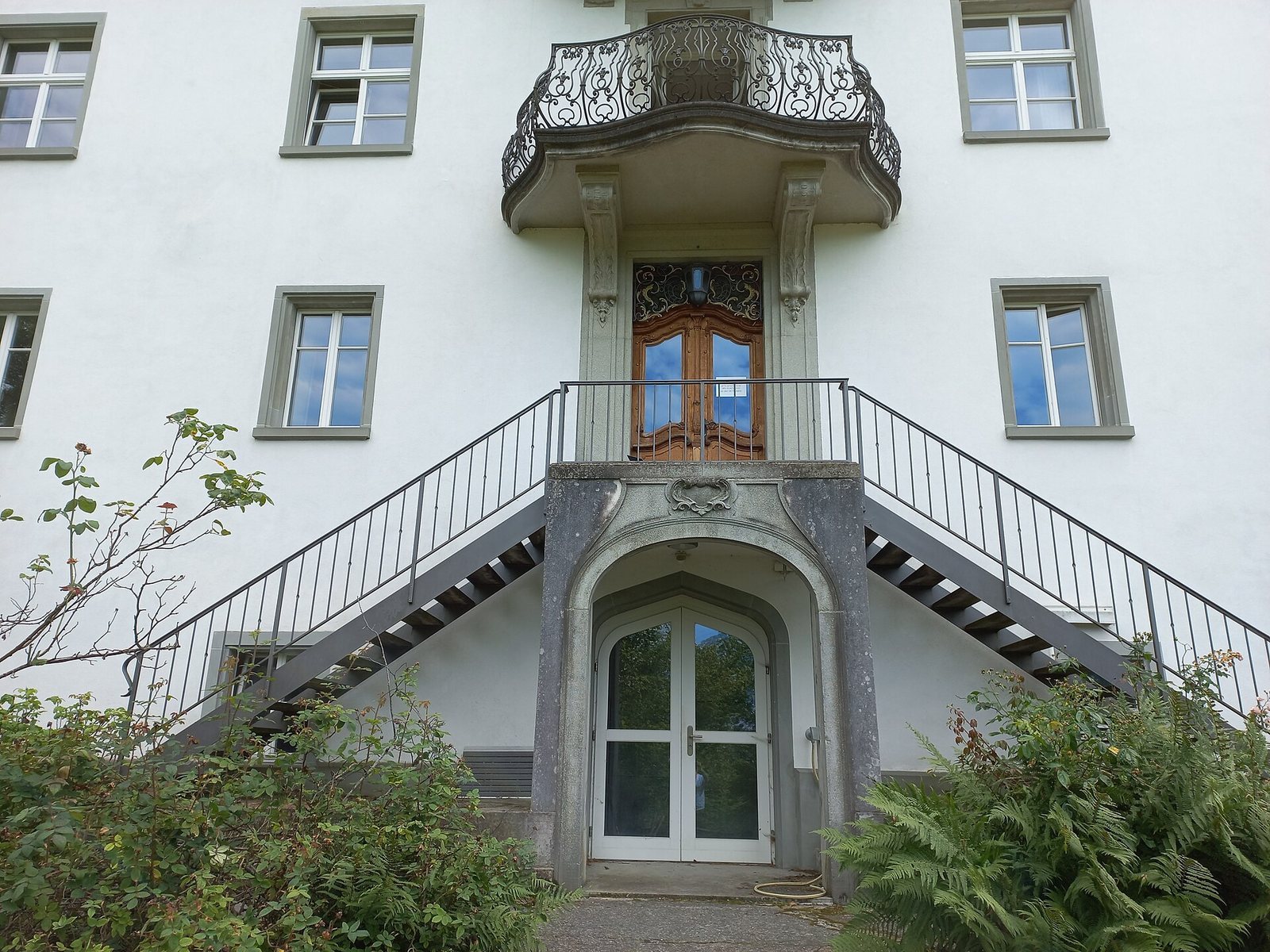
The site includes a Renaissance-style castle overlooking the southern shore of Lake Constance, with a separate chapel southwest of the main building.
Wartegg Castle
A chapel formed part of the castle itself. The Rink von Baldenstein family later closed this original chapel.
Wilen-Wartegg Chapel
Fidel von Thurn and his wife had the separate Wilen-Wartegg Chapel built in 1706, southwest of the castle.