Village of Irulegi: A Vascon Fortified Settlement in Navarre
Site at a Glance
- Rating
- 4.8
- Popularity
- Very Low
- Country
- Spain
- Primary era
- Iron Age
- External website
- Open
- Eras represented
- Bronze Age, Iron Age, Medieval
- Civilizations
- Unclassified
- Site type
- Military
- Remains
- Fortified Town
On this page9 sections
History
Vascon settlement and regional role
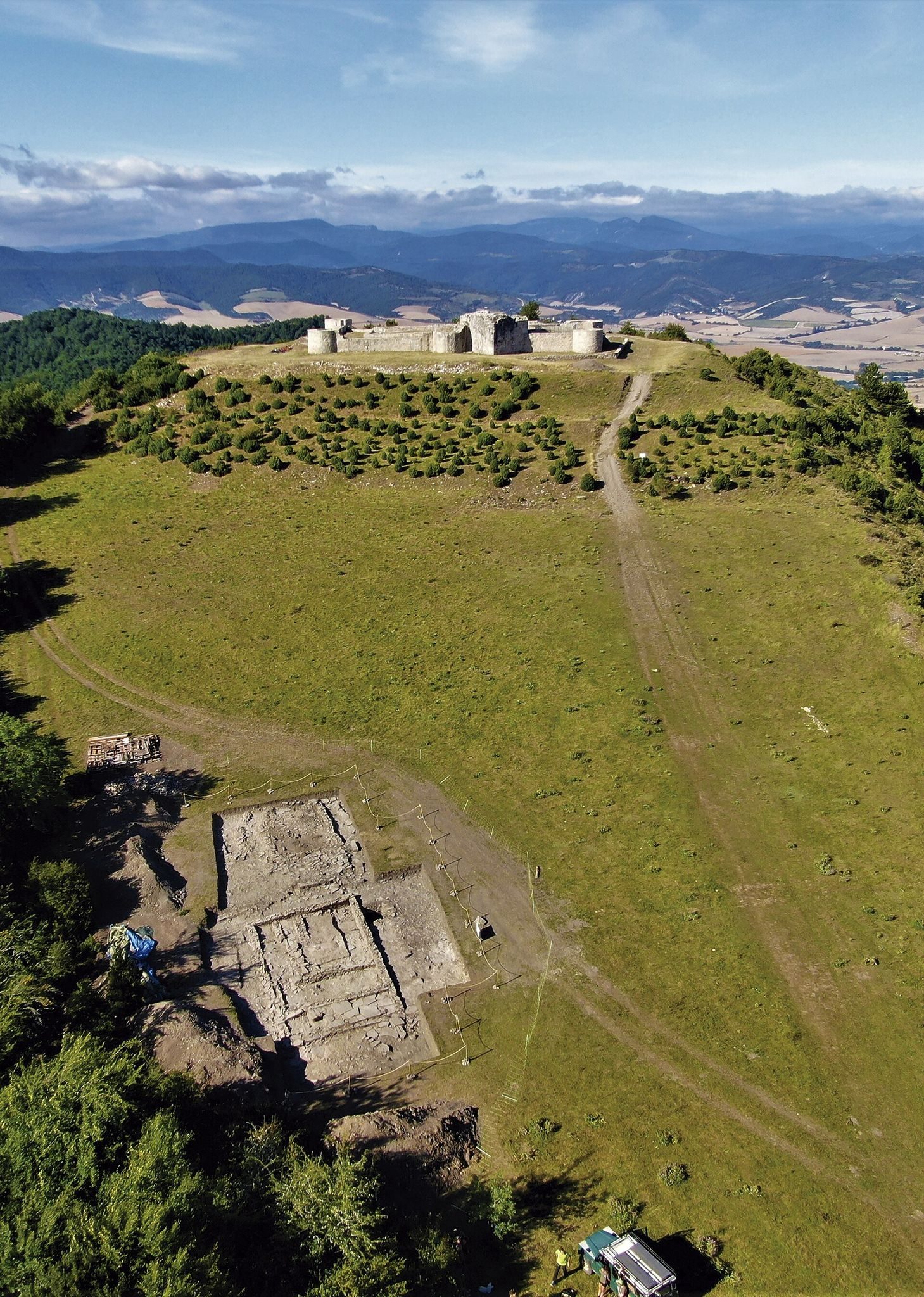
The Village of Irulegi is a Vascon settlement in Spain, on Mount Irulegi in Aranguren, Navarre. Occupied from the Late Bronze Age or the beginning of the Iron Age through the developed and Late Iron Age, it became a long-lived fortified community that helped structure the Pamplona Basin. Its expansion appears to have linked the Ebro Valley with the mountain environment of the pre-Pyrenean basins.
The settlement’s name appears in medieval records in forms including Yllundain in 1208, Irunden in 1274, Irundain in 1279, Hirunday in 1311, and Ilundayn in 1349 and 1591. One interpretation derives Irulegi from a compound meaning “three” and “slope,” while another connects it with a form of Iri or Irun and a word meaning “height.” Archaeological interpretation places the movement of the place-name around the middle of the first century BC, when the inhabitants relocated during the Romanization period.
Destruction during the Sertorian War
The settlement was burned and abandoned during the Sertorian War, a Roman Republican civil conflict in the first century BC. Sertorius was a Roman commander opposed to the Roman government, while Pompey led the Roman forces against him. Archaeological evidence indicates that part of Irulegi’s defensive wall was deliberately destroyed before the settlement was set on fire. A study published in 2026 concluded that Pompey destroyed the fortified community because its inhabitants were allies of Sertorius.
The 2023 excavation campaign, conducted by the Aranzadi Society of Sciences with about one hundred volunteers, lasted three months from 19 June and examined 100 square metres, representing an entire dwelling. More than 2,000 objects were recovered, including pottery fragments, animal bones, and household implements. These finds are helping clarify the conflict and instability that accompanied the expansion of the Roman Empire into the Basque region.
Archaeological investigation and protection
Javier Armendariz Martija investigated the Iron Age settlement in 2005 and interpreted it as an oppidum, a fortified settlement that could serve as a major regional centre. After two years of geophysical research, a team led by archaeologist Mattin Aiestaran began exposing the pre-Roman settlement in 2020. The Government of Navarre designated the archaeological zone a cultural-interest property on 26 April 2023. The protected area includes both the earlier settlement and the medieval castle.
Remains
Fortifications and setting
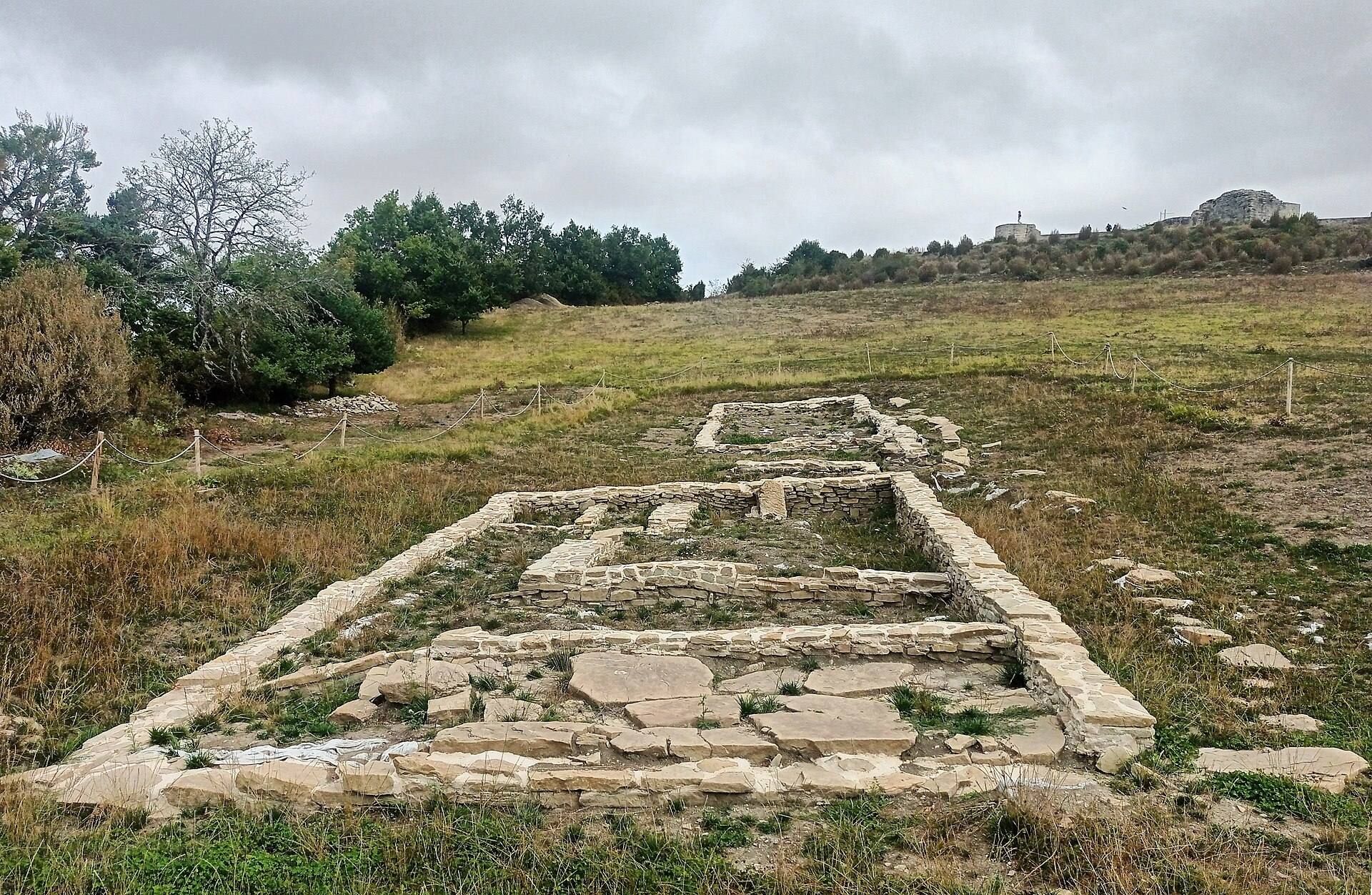
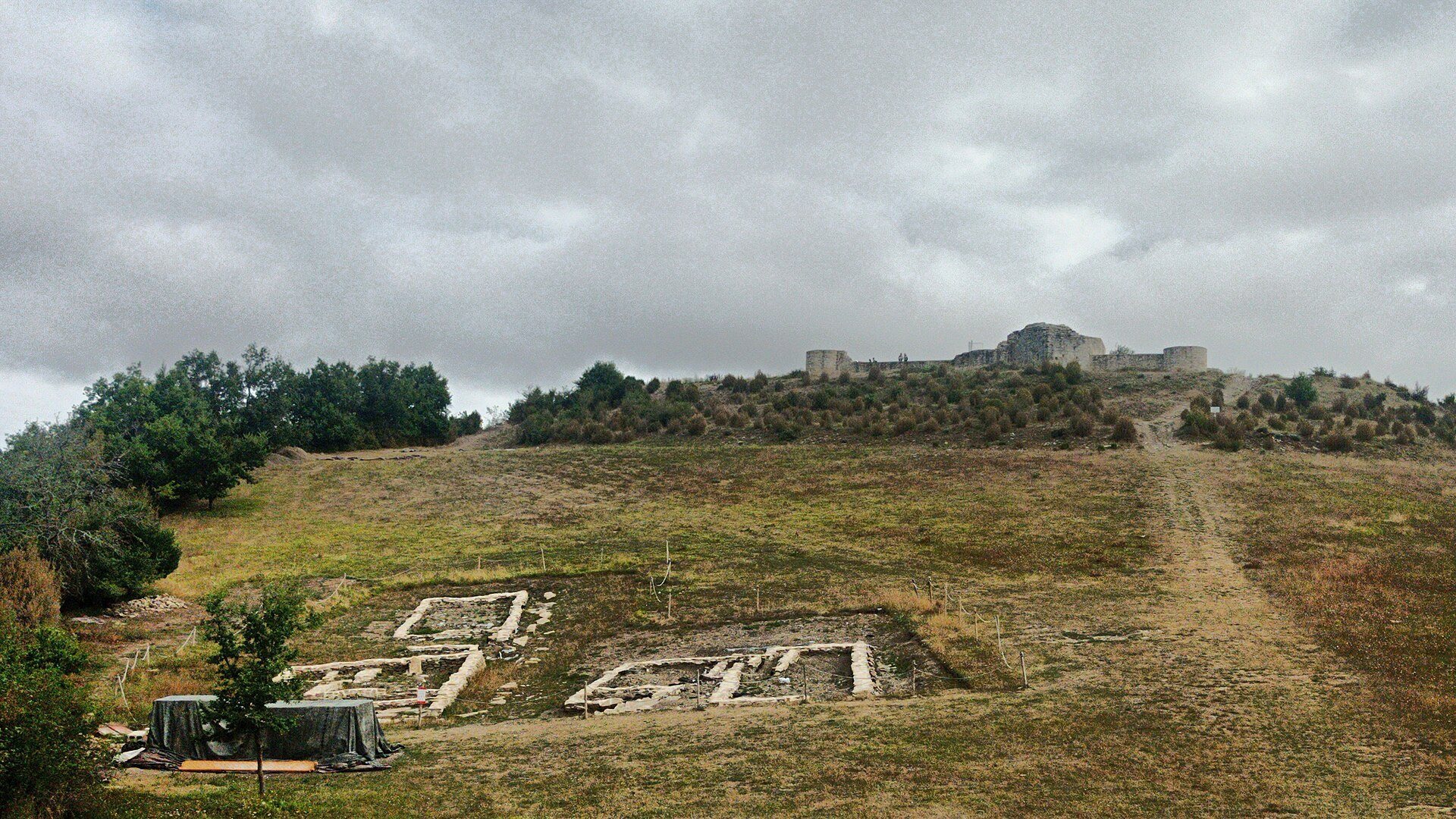
The archaeological site occupies about 10 hectares on Mount Irulegi, in fields and meadows slightly below the medieval castle. The settlement was enclosed by a wall approximately six metres high. Geophysical surveys using sonar and radar have revealed buried structures with stone and adobe walls, while the excavated remains preserve the layout of the Bronze and Iron Age community.
Houses and domestic features
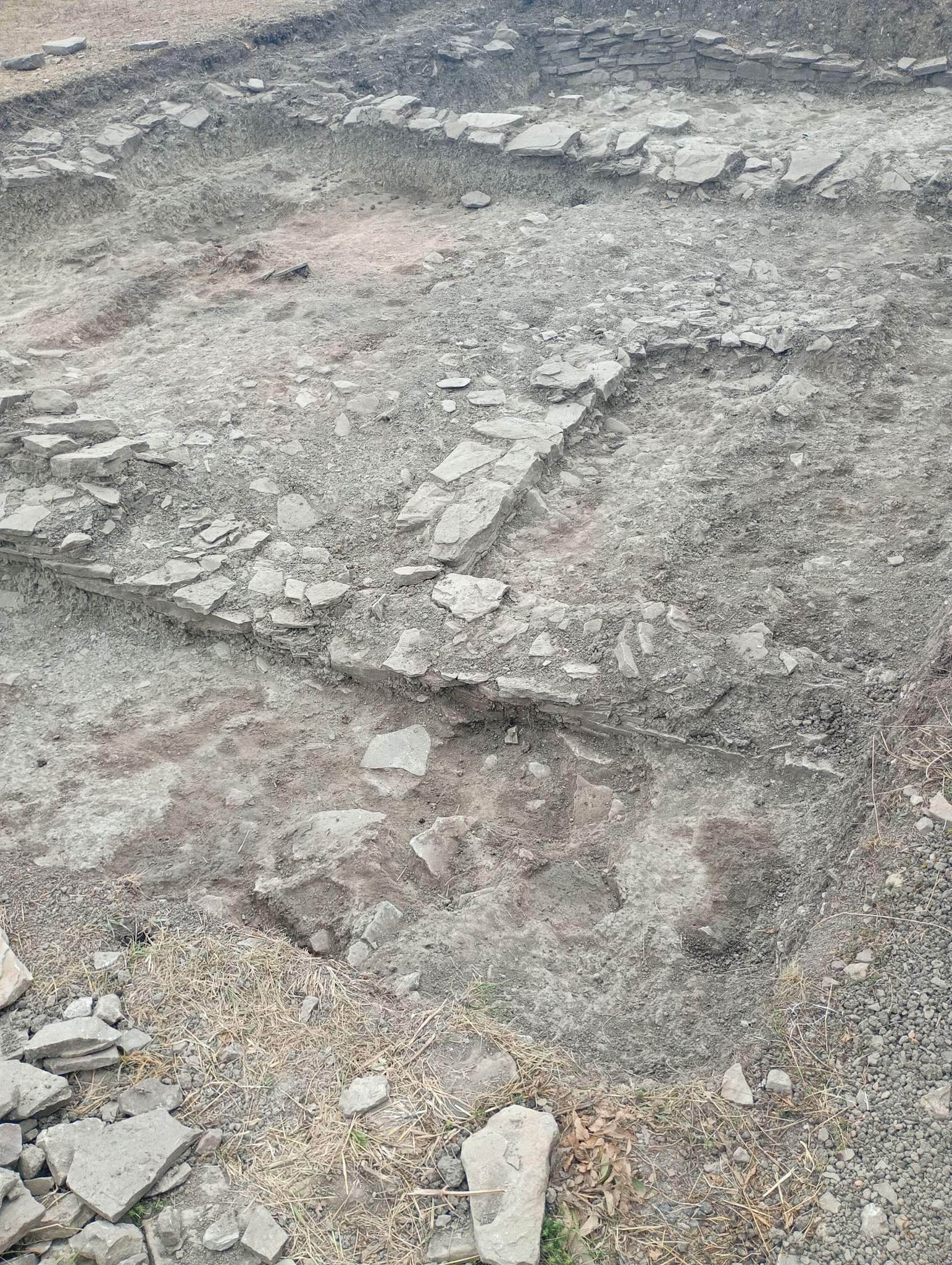
Excavations have exposed houses, pottery vessels, quernstones used to grind grain, and evidence of animals that the inhabitants raised and hunted. The dwelling excavated in 2023 covered 100 square metres. A seven-step staircase connected its entrance with the main street, an unusually elaborate feature for Iron Age villages in the western Pyrenees. Finds from the campaign led researchers to conclude that each house in the settlement had a quernstone.
Objects, trade, and burial practice
Imported amphorae show that oil reached the settlement from the Adriatic region and wine from Italy. Other finds include a writing stylus, a fragment of wall coating imitating Roman opus signinum, a mortar and crushed-ceramic material used for durable surfaces, animal bones, domestic tools, and the remains of a newborn infant. The child died shortly before or after birth at approximately 34 to 36 weeks of gestation. The burial is consistent with an Iron Age practice of placing newborn children inside houses or within house walls under the roof, while adults were cremated.
Irulegi Hand and medieval castle
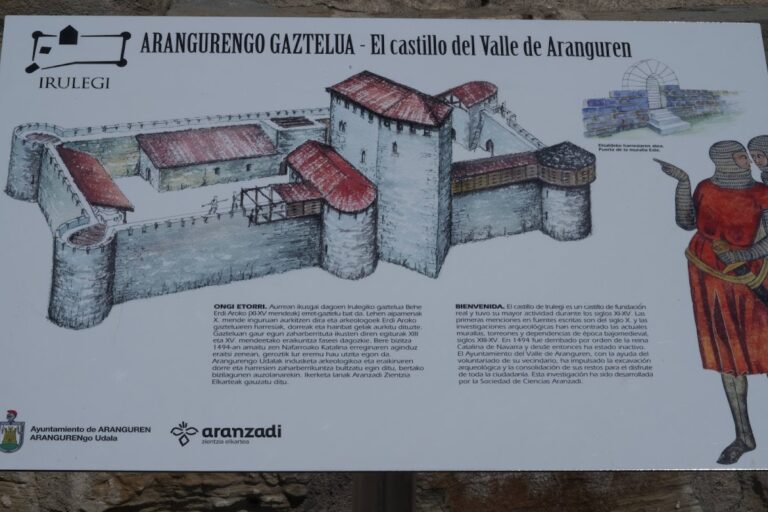
The Irulegi Hand, recovered in 2021, is an archaeological object bearing words in the Vascon language, the language associated with the ancient Vascons of the western Pyrenees. The remains of the medieval castle occupy the higher part of Mount Irulegi, above the settlement remains, preserving the later occupation of the same mountain site.