Stanmer House: A Palladian Mansion in Stanmer Park
Site at a Glance
- Popularity
- Medium
- Country
- United Kingdom
- Primary era
- Early Modern
- Eras represented
- Early Modern
- Civilizations
- British
- Site type
- Domestic
- Remains
- Elite Residence
On this page7 sections
History
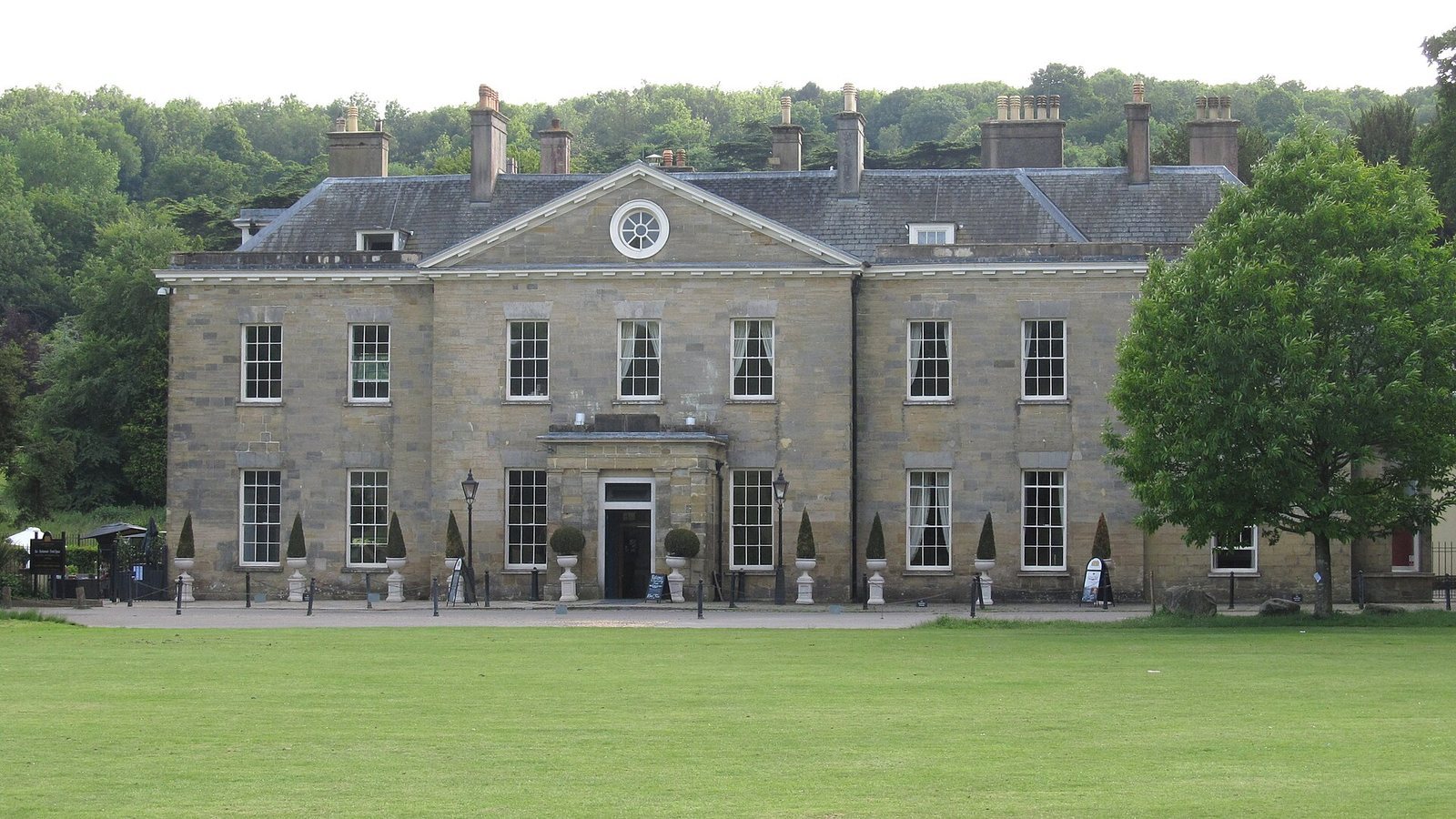
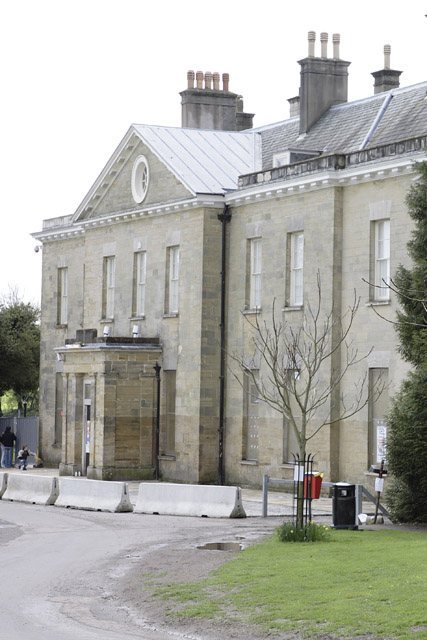
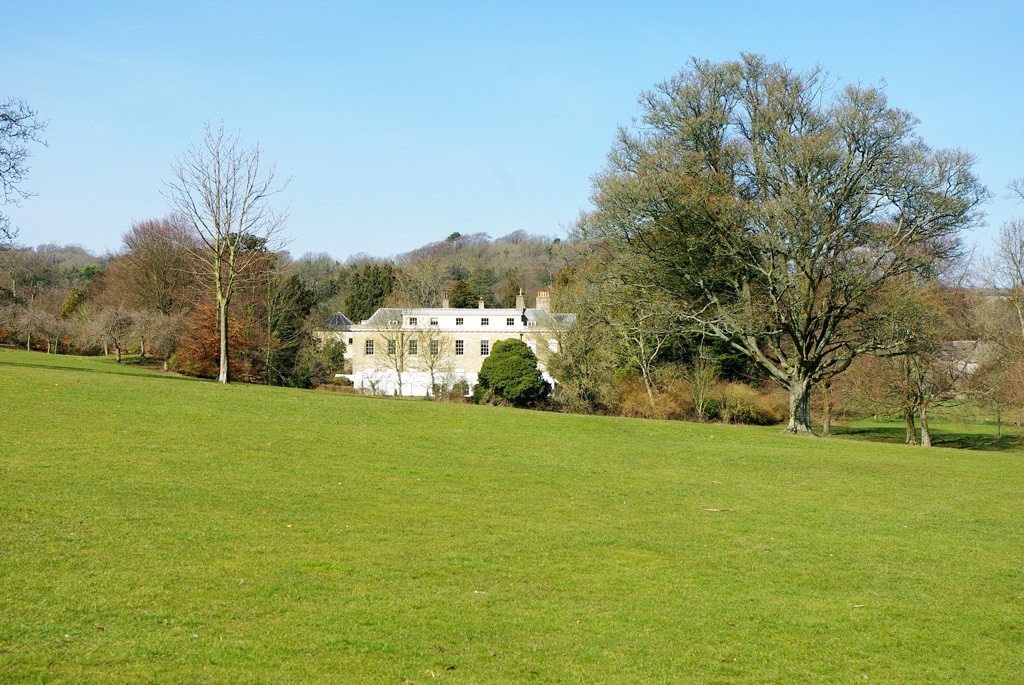
Stanmer House is a three-storey Palladian mansion in Stanmer Park, near Stanmer village and north-east of Brighton and Hove in the United Kingdom. The French architect Nicholas Dubois built it in 1722 for the Pelham family. Palladian architecture draws on classical forms and the work of the Italian architect Andrea Palladio. The house was altered again in 1860.
Public ownership and institutional use
The local authority bought the house and park in 1947. Stanmer House was listed Grade I in 1954, a category for buildings of exceptional interest. The associated former stables are listed Grade II*, a category for particularly important buildings of more than special interest.
During the 1960s, Stanmer House served for several years as an administrative building for the University of Sussex, while the university campus was being built in the eastern part of the park.
Restaurant and later use
After renovation, the house reopened in June 2006 as a restaurant and events venue. Alexander Proud took over its lease in 2016 and renamed it Proud Stanmer House. The venue closed to the public in January 2020 after its operating company entered liquidation; a rent increase was cited as a reason. KSD Support Services bought the house shortly afterwards. It reopened in 2021 as the House Cafe and resumed the name Stanmer House in 2022. The ground floor is used for a restaurant and cafe, while local businesses occupy offices on the upper floors.
Remains
Buildings
The surviving built features comprise the three-storey mansion and its associated former stables, both within Stanmer Park.
Stanmer House
The mansion is in the Palladian style. Its fabric incorporates remains of an earlier house, and the building was altered in 1860.
Former stables
The former stables were built around 1725 and have been substantially altered.