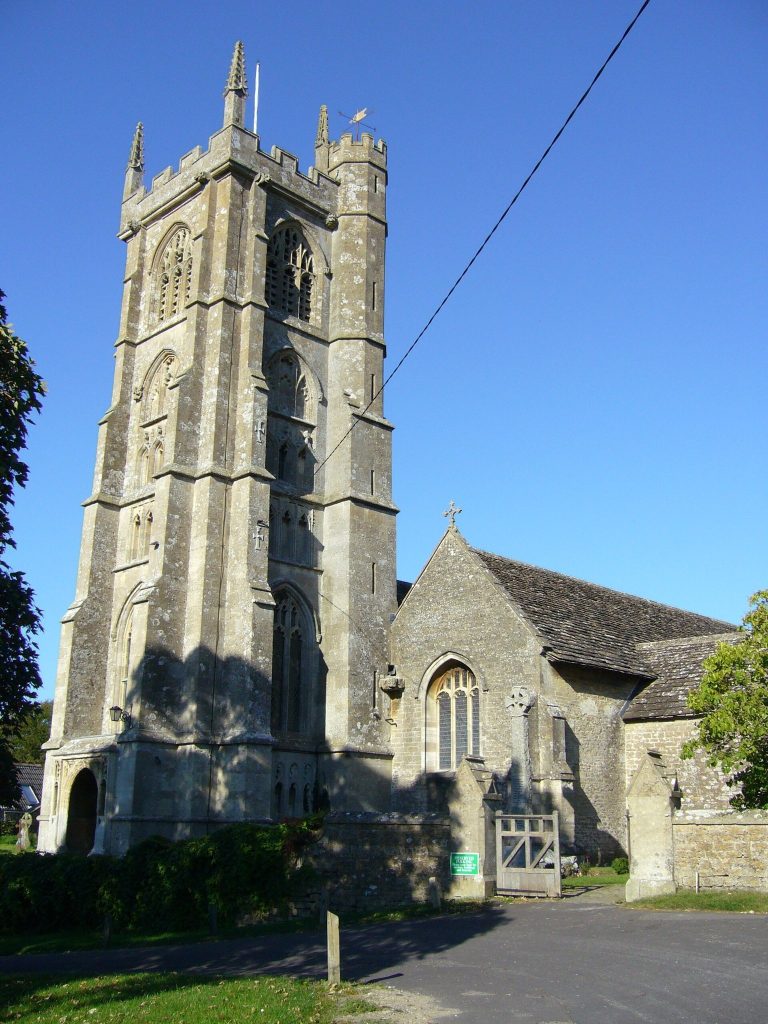
St Andrew’s Church, Mells: A Perpendicular Parish Church in Somerset
Site at a Glance
- Rating
- 4.7
- Popularity
- Low
- Country
- United Kingdom
- Primary era
- Medieval
- Eras represented
- Medieval, Early Modern, Modern
- Civilizations
- British, English
- Site type
- Religious
- Remains
- Church
On this page15 sections
History
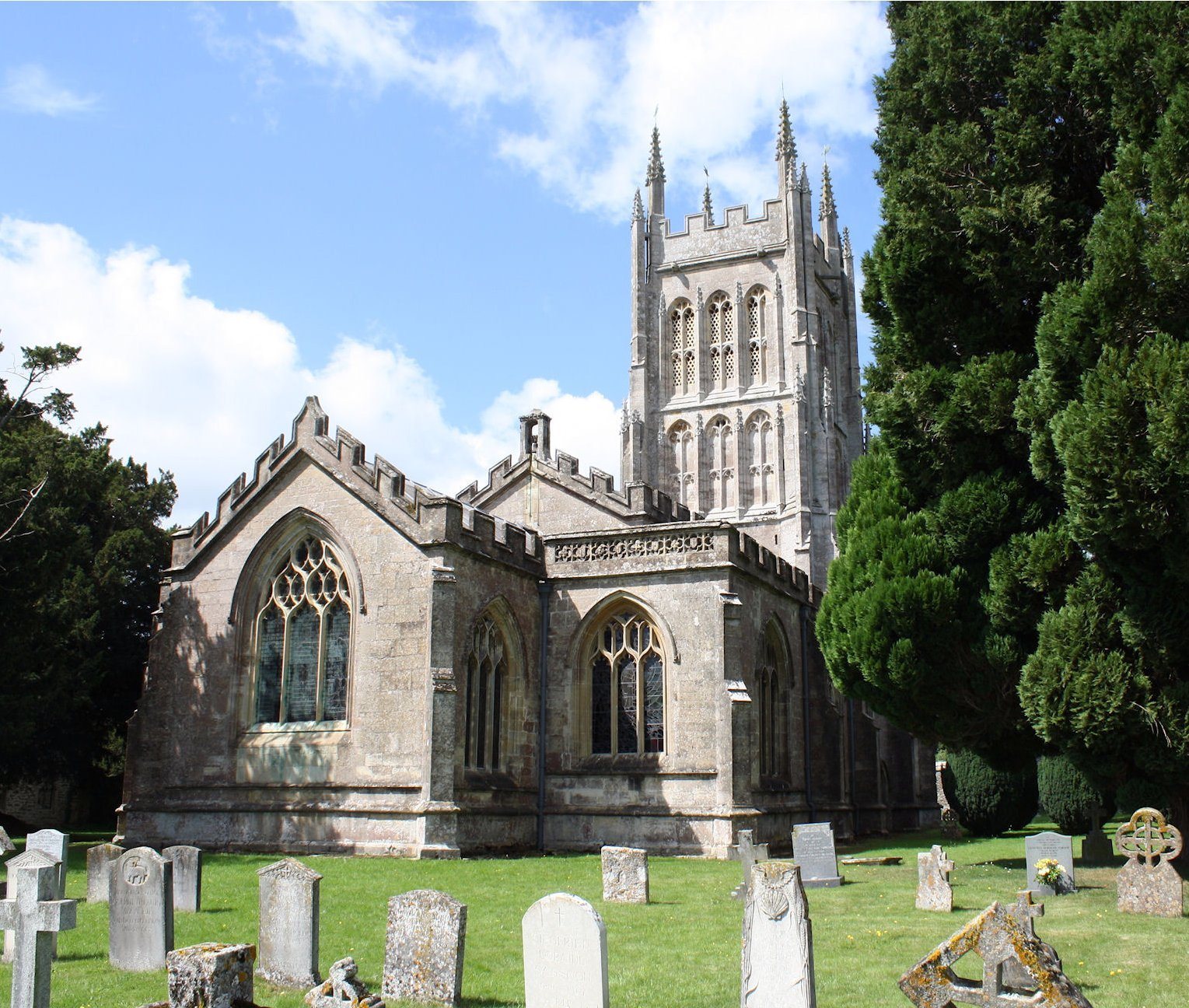
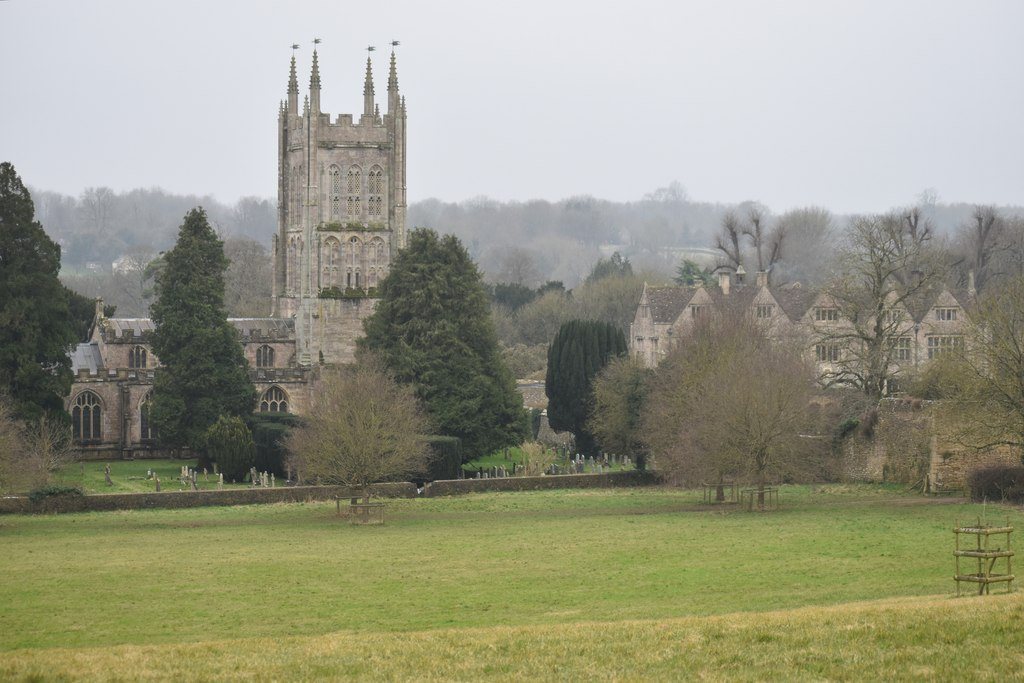
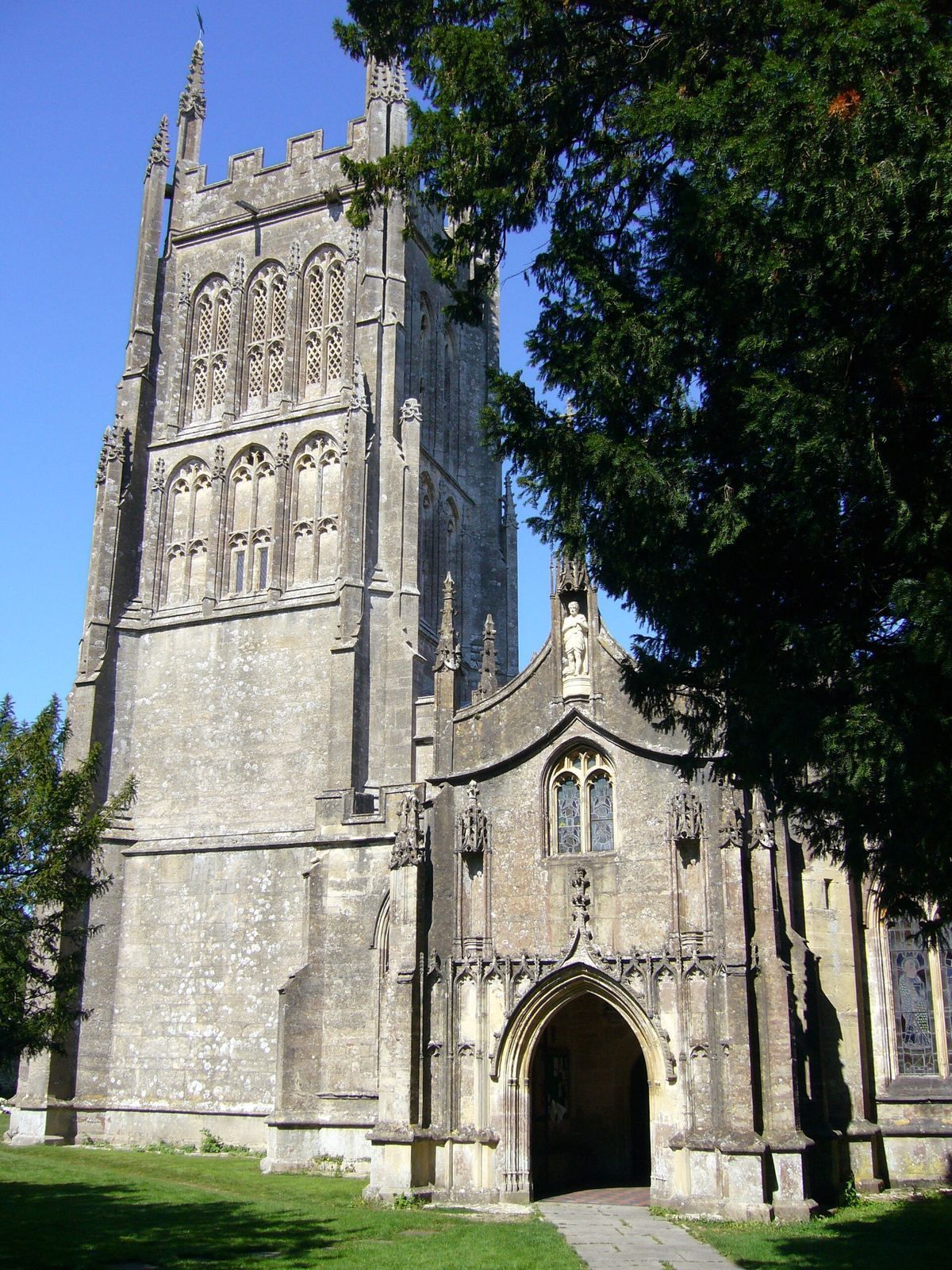
St Andrew’s Church, Mells, is an Anglican parish church in Somerset, United Kingdom, dedicated to the apostle Andrew, a figure in the New Testament. Its present building is predominantly late 15th-century and follows the Perpendicular style, a late phase of English Gothic architecture marked by strong vertical emphasis.
Medieval church and rebuilding
A church had stood on the site for centuries by 1292, when it belonged to Glastonbury Abbey, a major medieval monastery in Somerset, and was valued at 35 marks. The present building dates mainly from the late 15th century and was restored in the mid-19th century.
Parish, families, and burials
The church belongs to the Church of England and is identified with the Broad Church tradition, which embraces a relatively wide range of theological views within Anglicanism. Its administrative links include the Province of Canterbury, the Diocese of Bath and Wells, the Archdeaconry of Wells, and the Deanery of Frome. Its parish is Mells with Vobster.
St Andrew’s has close associations with the Asquith and Horner families, who lived at Mells Manor. Burials connected with the church include the poet and First World War soldier Siegfried Sassoon; priest and writer Ronald Knox; Liberal politician Sir Maurice Bonham Carter; and Irish clergyman and novelist James Owen Hannay, who wrote as George A. Birmingham. Others include Katharine Asquith, widow of Raymond Asquith; political activist and writer Violet Bonham Carter, Baroness Asquith; writer, historian, and politician Christopher Hollis; politician and banker Reginald McKenna, in the McKenna family tomb; and Army officer Lieutenant Colonel Simon Fordham OBE.
The church is a Grade I listed building, the highest listing category in England, reserved for buildings of exceptional architectural or historic interest.
Remains
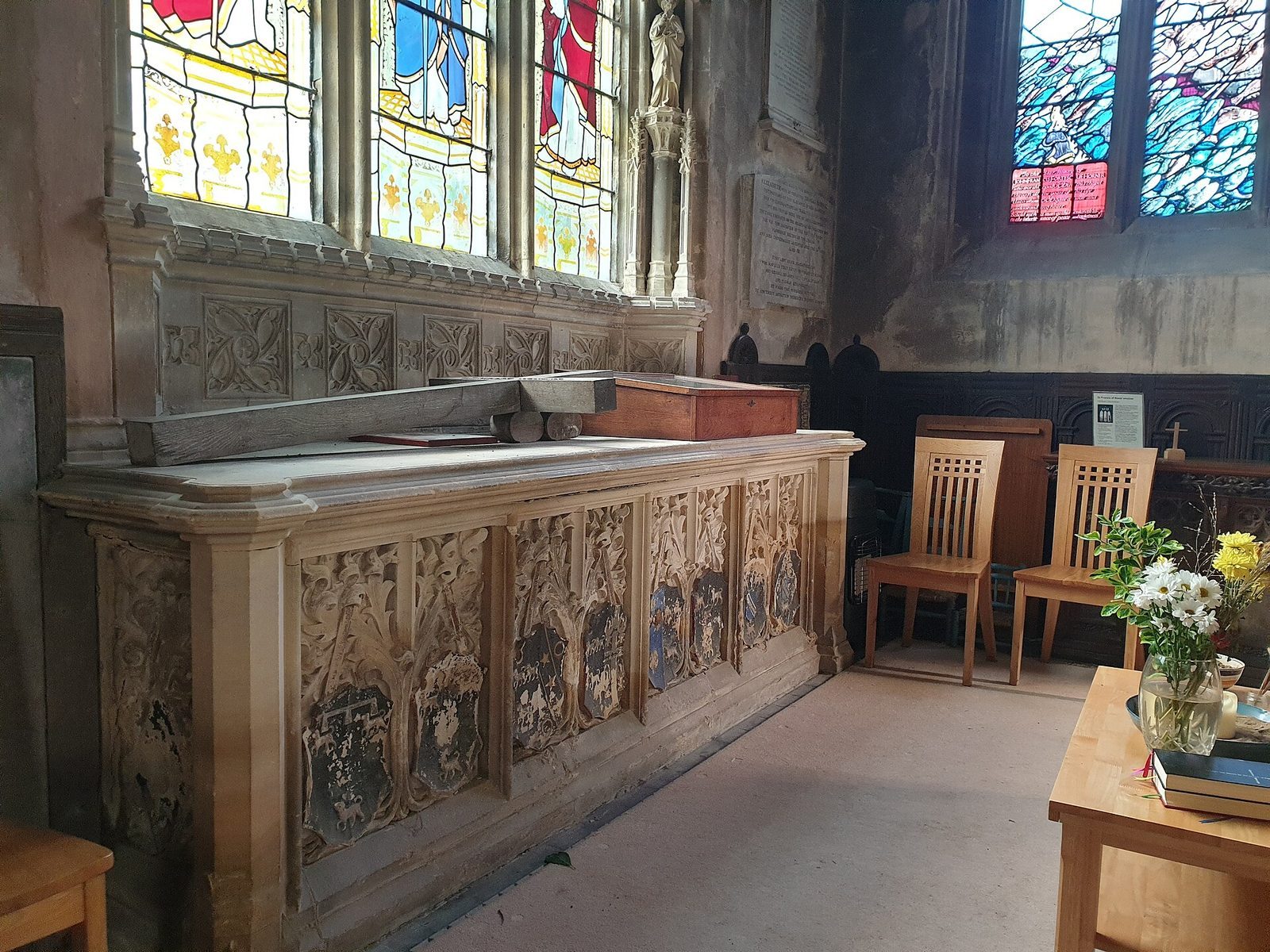
The Perpendicular-style church includes a tower, a clock, and a collection of bells, alongside interior fittings, stained glass, an organ, and memorial works. Its documented features range in date from the early 14th century to the 19th century.
Tower and bells
Tower and clock
The tower dates to about 1446 and contains a clock from the 17th century.
Bells
Eight bells, hung for change ringing, form the tower’s main ring. The oldest is the fourth bell, cast in 1716; the seventh followed in 1717. Both were made by Abraham Rudhall of Gloucester. Thomas Bilbie cast the third and eighth bells in 1745, and William Bilbie made the sixth in 1788. The first, second, and fifth bells were cast by Mears & Stainbank in 1869.
A separate sanctus bell, a small bell associated with church services, dates to about 1325 and hangs in the chancel roof. It is included in the national database of historically important bells.
Interior fittings
Altar and font
The church has a white-marble decorative screen behind the altar, a multicoloured marble altar, and a baptismal font in the Norman Romanesque style.
Stained glass
Several stained-glass windows date to around 1850. Another window was made by the painter and illustrator William Nicholson.
Organ
A two-keyboard pipe organ was made for the church by William Gibbons Vowles in 1880.
Memorials and commemorative works
Laura Lyttelton plaque and tapestry
A white plaque in gesso, an art surface-preparation material, commemorates social reformer and educator Laura Lyttelton. Edward Burne-Jones made it in 1886 and also created a gilded copy, now held by the Victoria and Albert Museum in London. The church also contains a tapestry based on Burne-Jones’s work, made by textile artist Lady Horner.
Edward Horner statue
An equestrian statue by Alfred Munnings commemorates Edward Horner, who died at the Battle of Cambrai in 1917. It stands on a base designed by Edwin Lutyens. The statue’s quality led the Jockey Club, a British horse-racing organization, to commission Munnings to make a bronze of the racehorse Brown Jack.
War memorials and plaques
A bronze wreath commemorating barrister and writer Raymond Asquith was designed by Lutyens, with lettering by sculptor and lettering artist Eric Gill. Lutyens also designed the Mells War Memorial. Inside the church, a stone tablet lists villagers who died in the two world wars. A bronze plaque remembers Captain Stanes Geoffrey Bates of the 7th Queen’s Own Hussars, a light cavalry regiment, who was killed near Ypres during the First World War.