Sitka National Historical Park: A Cultural and Historic Park in Alaska
Site at a Glance
- Popularity
- High
- Country
- United States
- Primary era
- Modern
- Eras represented
- Modern
- Civilizations
- Russian
- Site type
- Civic
- Remains
- Park
On this page11 sections
History
Sitka National Historical Park is a cultural and historic park near the mouth of the Indian River in Alaska, United States. It is Alaska’s oldest federally designated cultural and historic park and commemorates Tlingit and Russian experiences in the region. Formerly known as Indian River Park and Totem Park, its history centers on the 1804 Battle of Sitka.
Battle site and public park
In October 1804, Tlingit fighters, members of an Indigenous people of the Northwest Coast, clashed with Russian fur hunters accompanied by Aleut allies, an Indigenous people of Alaska’s Aleutian Islands. The fighting took place at Shis’kí Noow, a Tlingit fort near the mouth of the Indian River. Known as the Battle of Sitka, the conflict gave the site lasting historical importance.
On June 21, 1890, President Benjamin Harrison set aside the site of Shis’kí Noow for public use.
Totem poles and federal protection
From 1903 to 1905, Alaska District Governor John G. Brady gathered Indigenous totem poles, carved monumental posts associated with Northwest Coast cultures, for display in the park. Most came from Haida villages on Prince of Wales Island. Other poles had been shown at the 1904 Louisiana Purchase Exposition in St. Louis.
Residents raised concerns about vandalism and the park’s poor condition. On March 23, 1910, President William Howard Taft proclaimed Sitka National Monument under the Antiquities Act, a federal law that protects historic and archaeological resources on federal land. The monument was intended to safeguard the fort site and the pole collection. The National Park Service took responsibility in 1916, when the agency was created, but received no dedicated funding for the park until 1921.
Federal stewardship and cultural programs
The U.S. Army assumed control in 1942 and occupied the park briefly for defensive purposes. Military construction removed large quantities of gravel from the river, shoreline, and estuary. The environmental effects remained a major concern for the park’s resources for decades. Responsibility returned to the Department of the Interior in 1947.
A visitor center opened in 1965. In 1969, the Alaska Native Brotherhood, an Alaska Native organization, took charge of the arts and crafts demonstration program and focused it on the cultural arts of Southeast Alaska Native peoples. Local Tlingit clans also loaned or donated many objects in the park’s collection under agreements intended to maintain their traditional use.
The main park entered the National Register of Historic Places, the federal list of properties recognized for historic importance, in 1966. On October 18, 1972, it was redesignated a national historical park. It is also classified as an IUCN Category V protected landscape or seascape, a place shaped by the interaction of people and nature.
Russian Bishop’s House
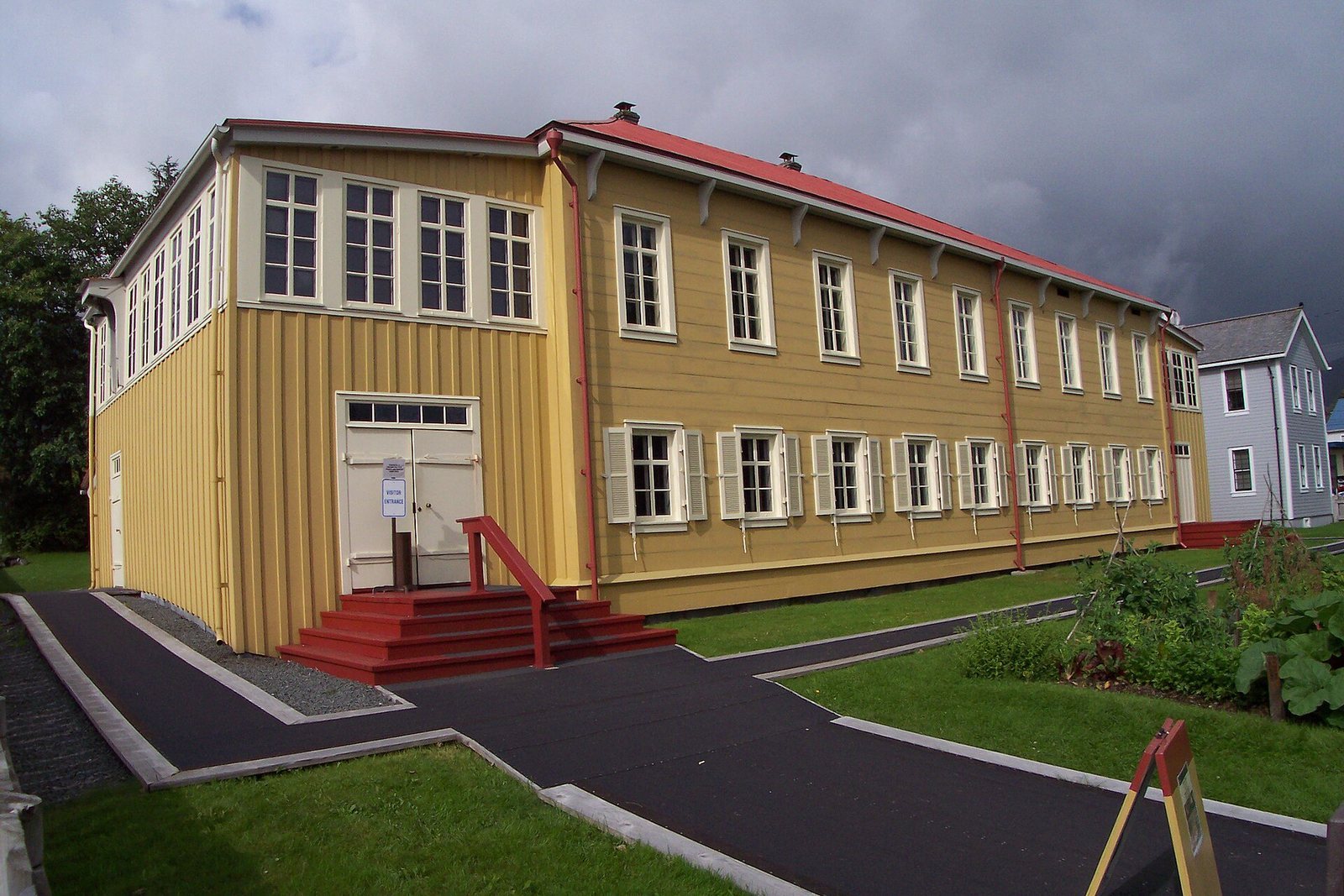
About half a mile from the main park, the Russian Bishop’s House was occupied by Bishop Innocent, also known as Ivan Veniaminov, until 1853. The Russian Orthodox Church later used the building as a school, residence, and place of worship. It was abandoned in 1969 because of its dilapidated condition and sold to the National Park Service in 1973. That year, the agency began a 16-year restoration. The house is a National Historic Landmark, a U.S. designation for nationally important places, and both it and the main park are listed on the National Register of Historic Places.
Remains
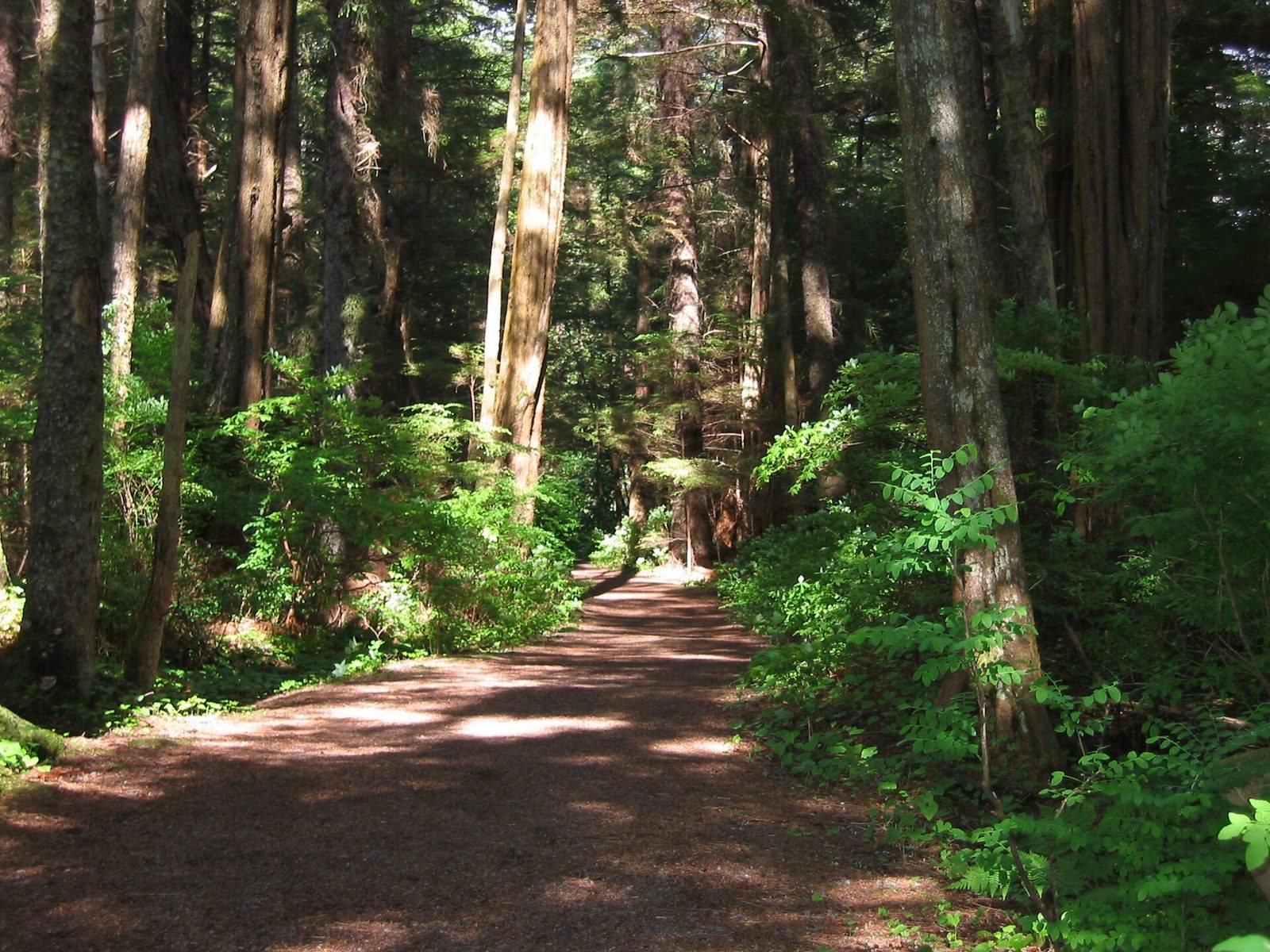
The park covers about 112 acres near the mouth of the Indian River, with wooded paths extending for roughly two miles. Sitka spruce grow among ferns, shrubs, and flowers, while salmon swim upriver during spawning season. The landscape and its displays form the main park’s physical setting.
Totem poles
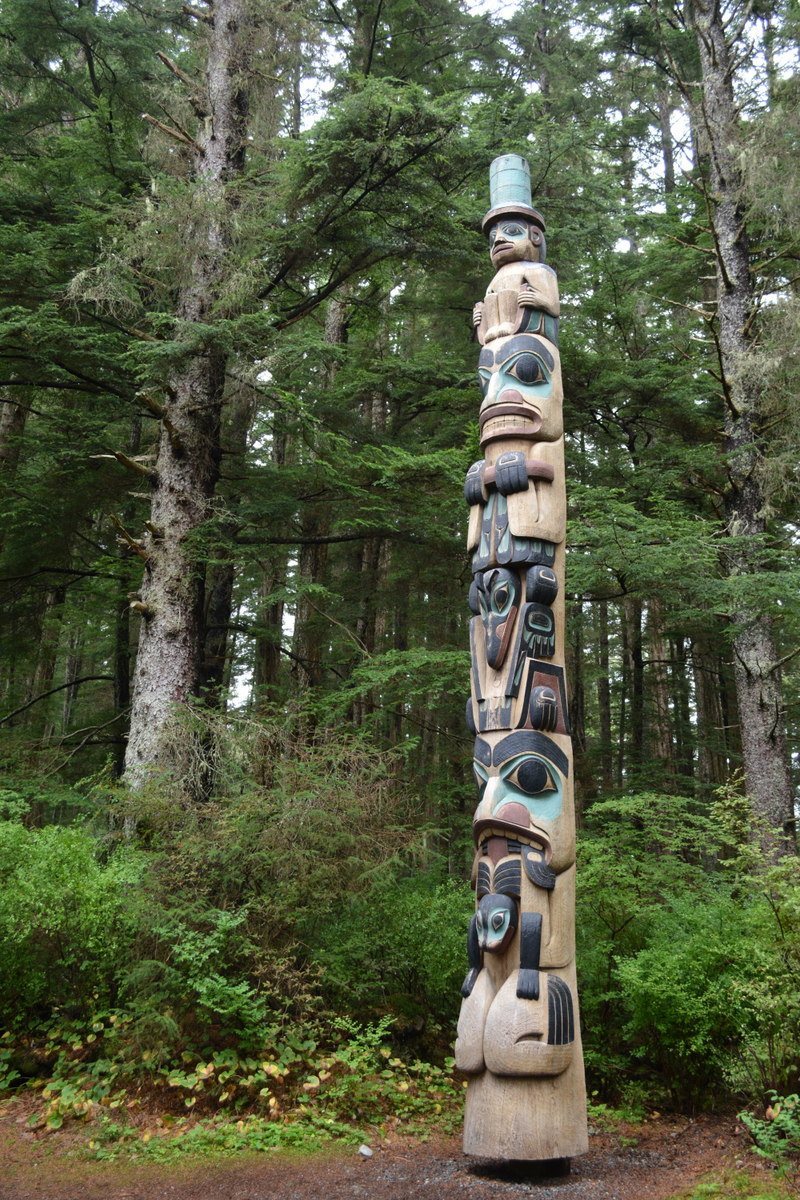
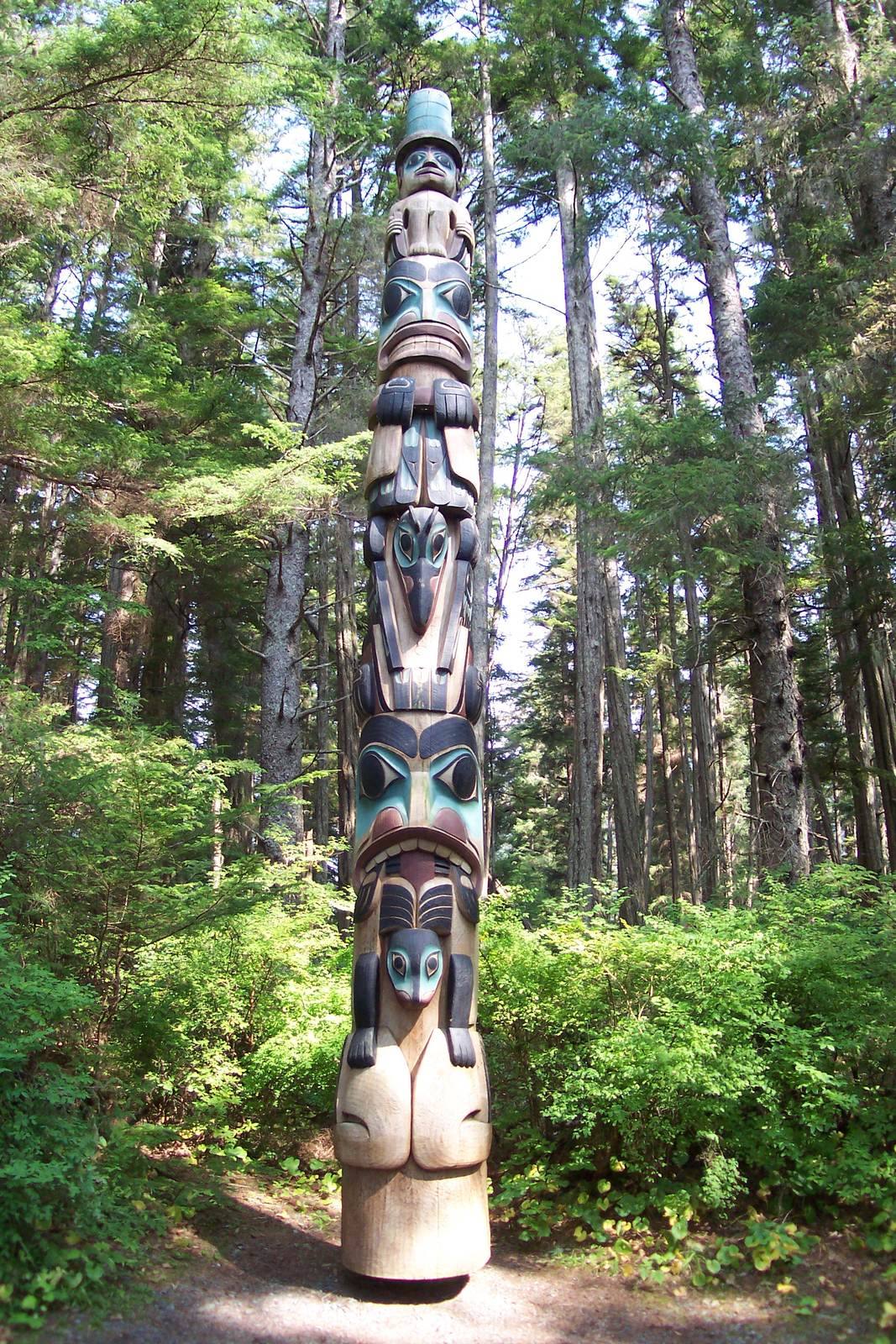
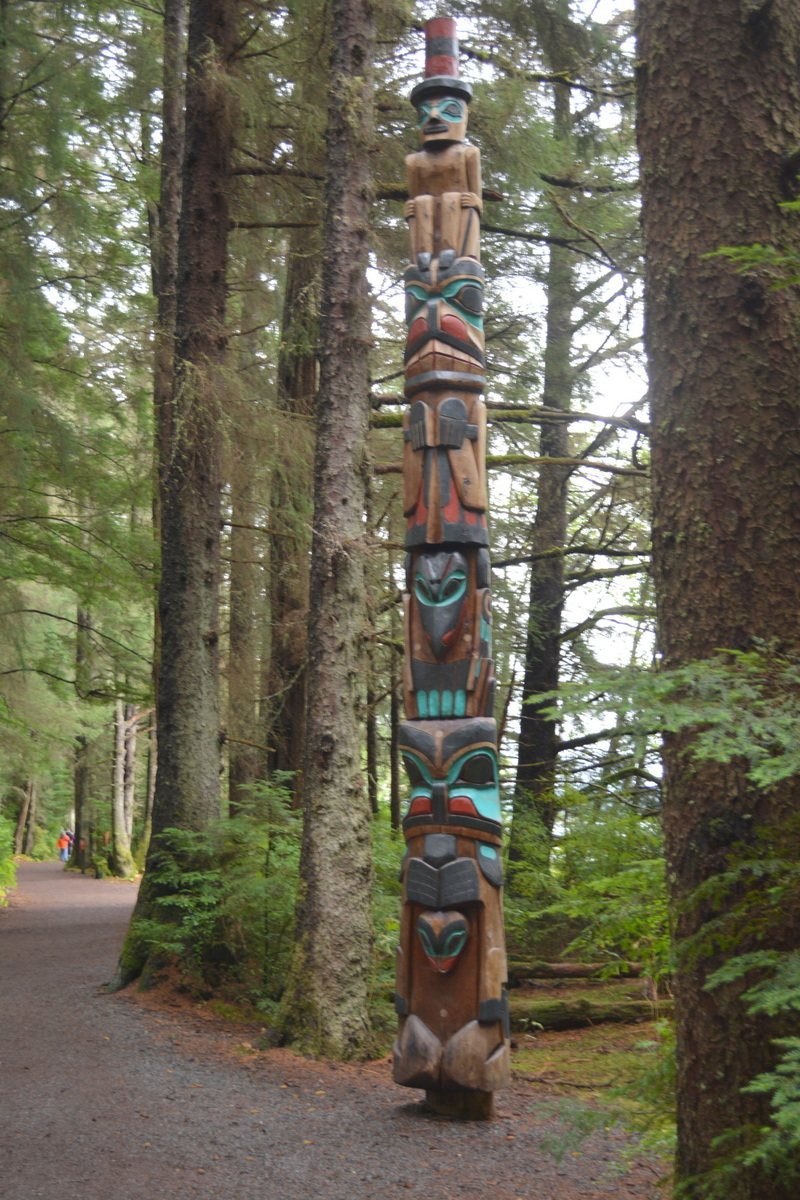
Poles displayed along the paths include replicas made to replace originals that were deteriorating; the originals are kept in protective storage. The Yaadas Crest Corner Pole depicts four figures in sequence from top to bottom: the Village Watchman, Raven in Human Form, Raven, and a Bear.
Visitor center
The visitor center includes space for exhibits about Alaska Native arts and crafts.
Russian Bishop’s House
Main building
Tlingit workers built the Russian Bishop’s House from Sitka spruce between 1841 and 1843, under the supervision of Finnish builders. It is among the few surviving examples of Russian Colonial architecture, a tradition associated with Russian colonial settlements in North America. The restoration added modern plumbing, heating, and electrical systems. Using archaeological evidence, early diaries, and drawings, restorers returned the second floor to its appearance in 1853.
Chapel of the Annunciation
The Chapel of the Annunciation contains exhibits and numerous icons connected with Russian America, Russia’s colonial possessions in North America, especially Alaska. The chapel’s name refers to the Christian tradition of the angel Gabriel announcing to Mary that she would bear Jesus.