Siak Sri Indrapura Palace: Royal Seat of the Siak Sultanate in Indonesia
Site at a Glance
- Rating
- 4.6
- Popularity
- Medium
- Country
- Indonesia
- Primary era
- Modern
- External website
- Open
- Eras represented
- Modern
- Civilizations
- Unclassified
- Site type
- Domestic
- Remains
- Palace
On this page8 sections
History
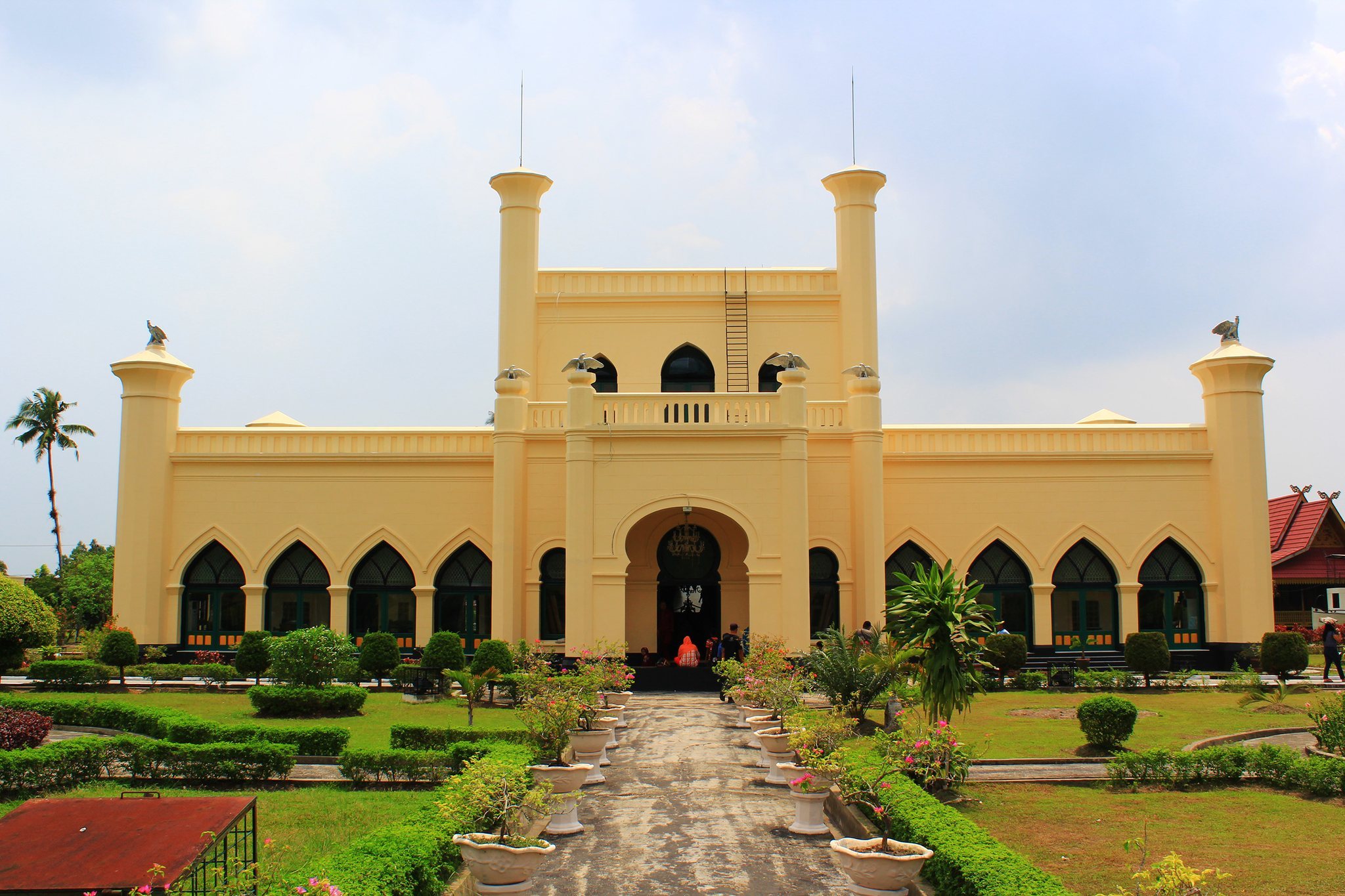
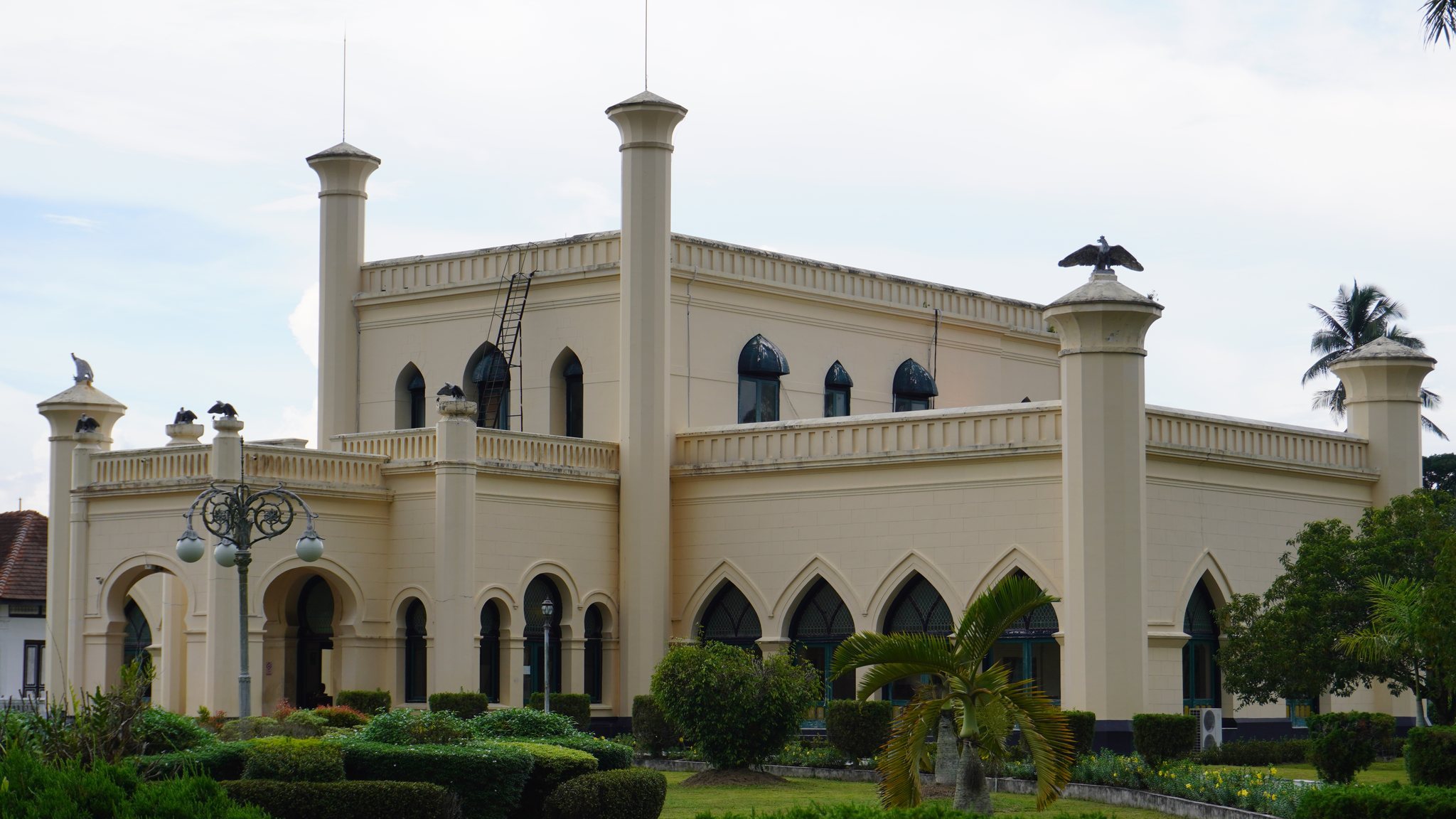
Siak Sri Indrapura Palace is a former royal palace in Siak, Indonesia, built for the Sultanate of Siak Sri Indrapura, a state governed by a sultan. Construction began in 1889 and ended in 1893 under the eleventh sultan, Syarif Hasyim Abdul Jalil Syarifuddin. The palace now serves as a museum. Its design brought together European influences with Malay, Moorish, and Arabic architectural elements, reflecting the sultan’s travels to the Netherlands and Germany before construction and the arrival of some furnishings from Europe.
A foundation tradition connects the palace with a white dragon that appeared on the Siak River while the sultan and his dignitaries discussed the building project. They interpreted the apparition as a blessing and a favorable sign for the kingdom. The sultan then adopted the dragon as the kingdom’s official emblem and ordered dragon ornaments for the palace pillars.
Remains
The palace complex covers about 32,000 square metres and contains four palaces: Istana Siak, Istana Lima, Istana Padjang, and Istana Baru. Each palace occupies about 1,000 square metres. The main palace stands about 120 kilometres downstream on the Siak River from Pekanbaru, in Mempura District. Its two-storey form combines the architectural influences associated with the royal complex.
Main Palace
Interior Rooms
The main palace has a floor area of about 1,000 square metres. Its lower level contains six rooms, including a guest lounge, a principal reception hall, separate reception rooms for men and women, and a courtroom on the right that also served as a party hall. The upper level contains nine rooms used by the sultan and palace guests for rest.
Exterior Ornament
Six eagle statues stand above the building as symbols of courage, while dragon ornaments decorate its pillars. Together, these features preserve the emblematic imagery associated with the palace’s foundation tradition.
Courtyard and Associated Buildings
Courtyard Features
Eight cannons remain distributed around the palace courtyard. At the rear left of the palace, a small building served as a temporary prison. The complex also includes a courtroom, the Balairung Sari, or “Flower Hall,” and a royal cemetery.
Royal Collection
The museum collection includes a gold-plated crown set with diamonds, a golden throne, and personal possessions of Sultan Syarif Qasyim and his wife. It also preserves the Komet, a mechanical musical instrument that reproduces composed music. The palace instrument is believed to be one of only two copies made worldwide, remains functional, and is used to play works by Beethoven, Mozart, and Strauss.