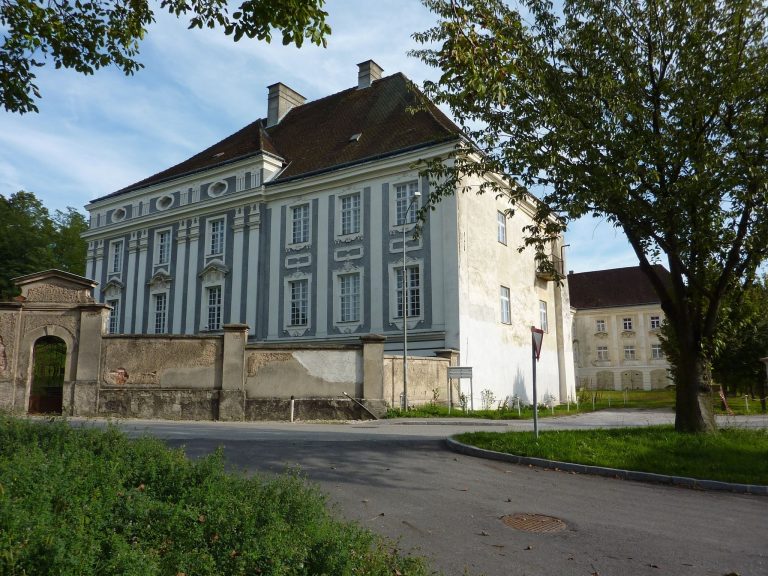
Pöggstall Castle: A 13th-Century Castle and Museum in Austria
Site at a Glance
- Popularity
- Medium
- Country
- Austria
- Primary era
- Medieval
- Eras represented
- Medieval, Early Modern
- Civilizations
- Duchy of Austria, Habsburg, Holy Roman Empire
- Site type
- Military
- Remains
- Castle
On this page7 sections
History
Pöggstall Castle stands in the market town of the same name in Lower Austria, Austria; its core dates to the 13th century.
Medieval origins and noble ownership
The Maissau family, a noble house in the Austrian lands, owned the castle for a long period. The Rogendorf family held it from 1478 to 1601. In the late 15th century, Austrian nobleman Kaspar von Rogendorf oversaw an expansion.
Family fund and public ownership
From 1795 to 1919, the castle belonged to a family fund established with part of the wealth of Franz I, Holy Roman Emperor and husband of Maria Theresa. The fund supported family members of Empress Maria Theresa and her son, Emperor Joseph II. In 1919, it was expropriated in favor of the Republic of Austria, and the property passed to the War-Damaged Fund, which supported people affected by war.
The municipality of Pöggstall purchased the castle in 1986. It has served cultural and museum purposes, and the municipality has also used it since 2018. Since 2023, a branch of the Melk District Authority, a regional state administrative office, has been based there.
Museum and cultural use
The Museum of Legal History has been housed at the castle since 1988. Its core collection was assembled by lawyer Hans Liebl (1877–1950), who bequeathed it to the Lower Austrian State Museum. The collection was first exhibited there from 1918, when the museum was based in Vienna. A lack of space prompted its transfer to Schloss Greillenstein in 1967. After that castle’s owner ended the lease, the collection moved to Pöggstall in 1988. The museum reopened following renovation in 2011, and the castle also has an exhibition room about the Rogendorf family.
In April 2014, the castle was selected as the sole venue for the 2017 Lower Austrian State Exhibition, whose working title was “All About the Law.”
Remains
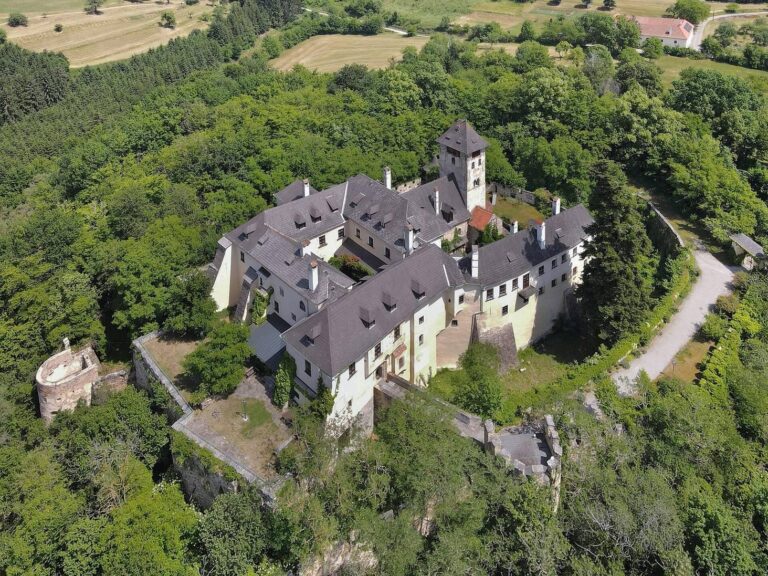
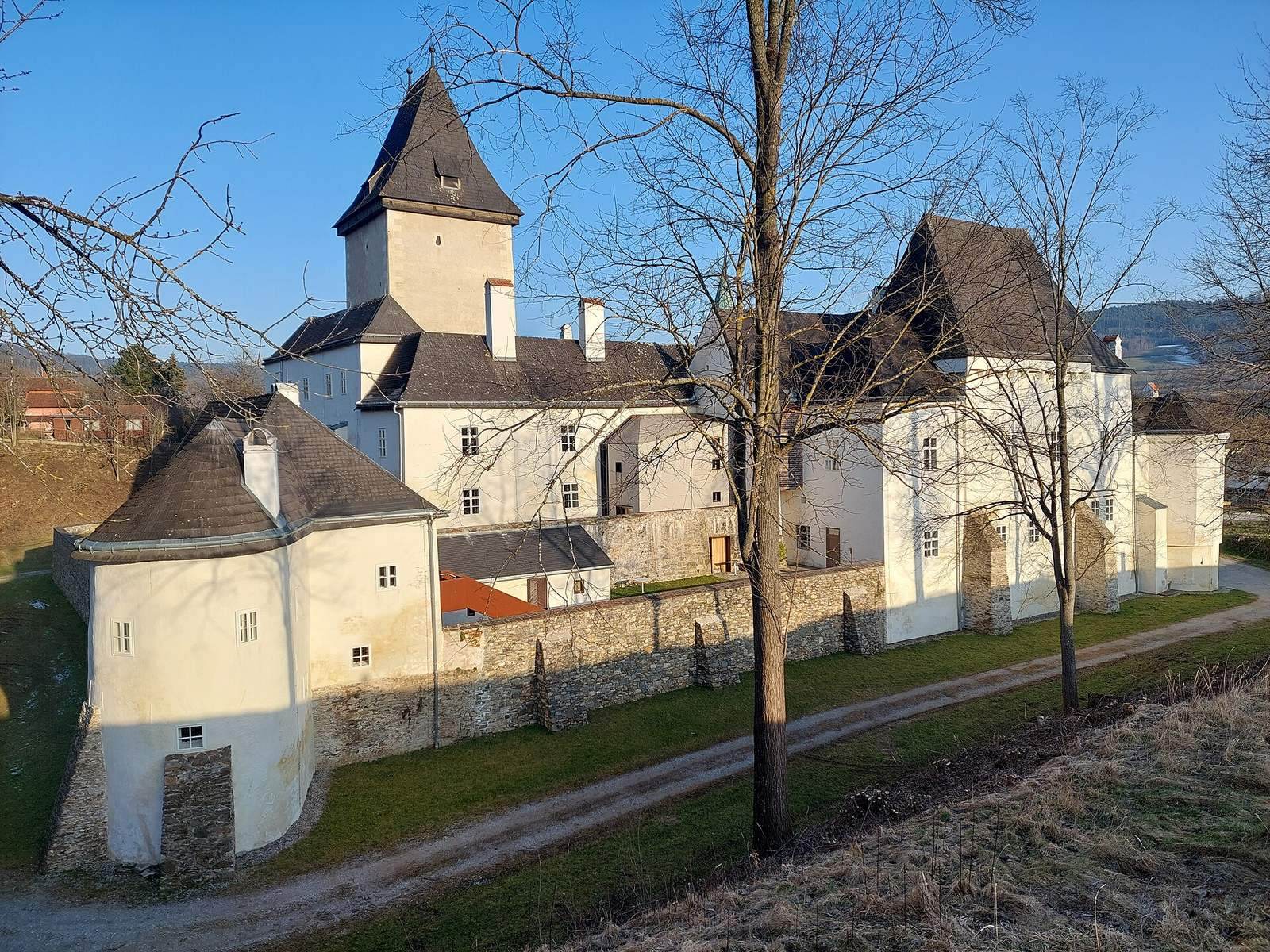
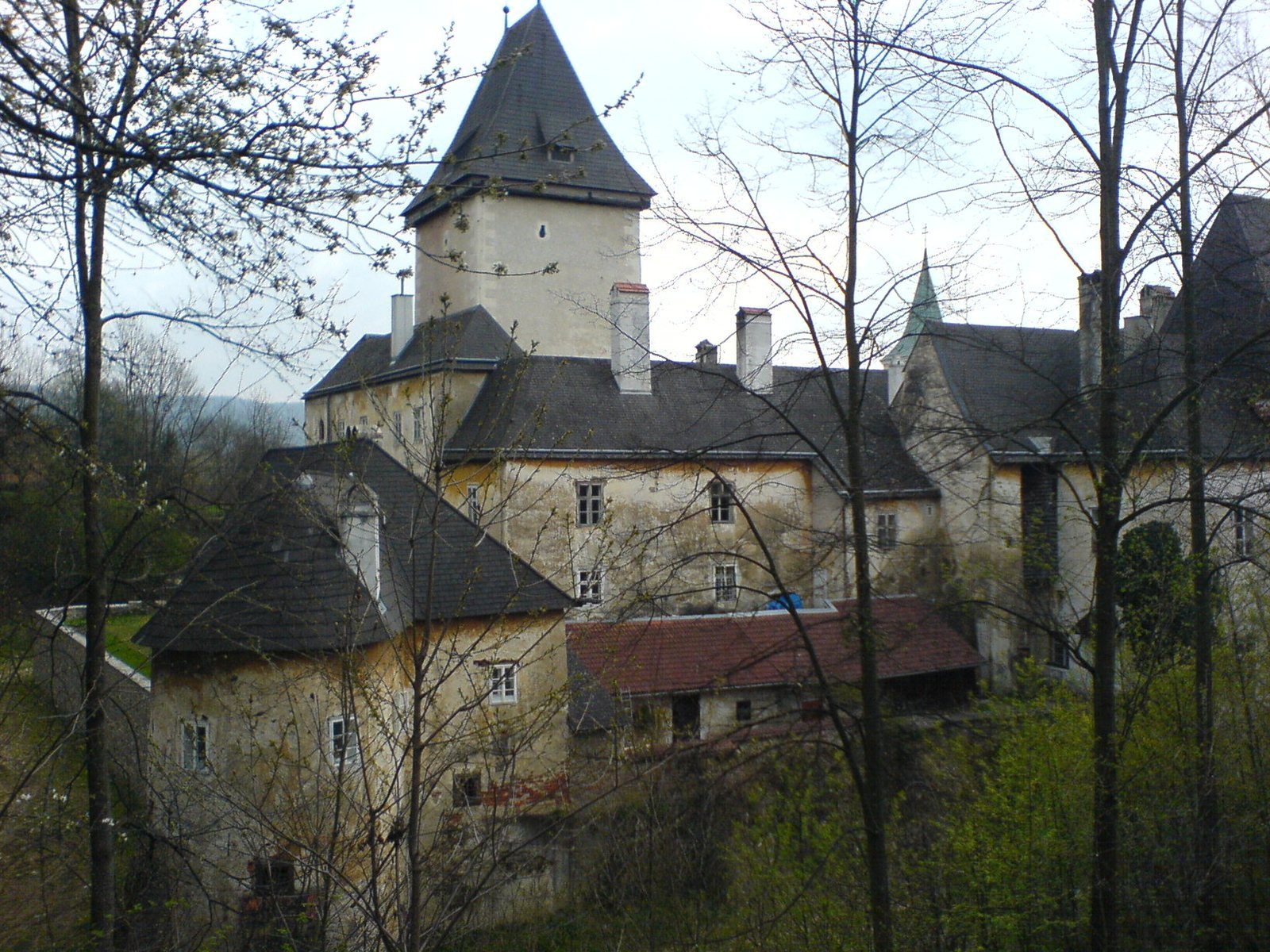
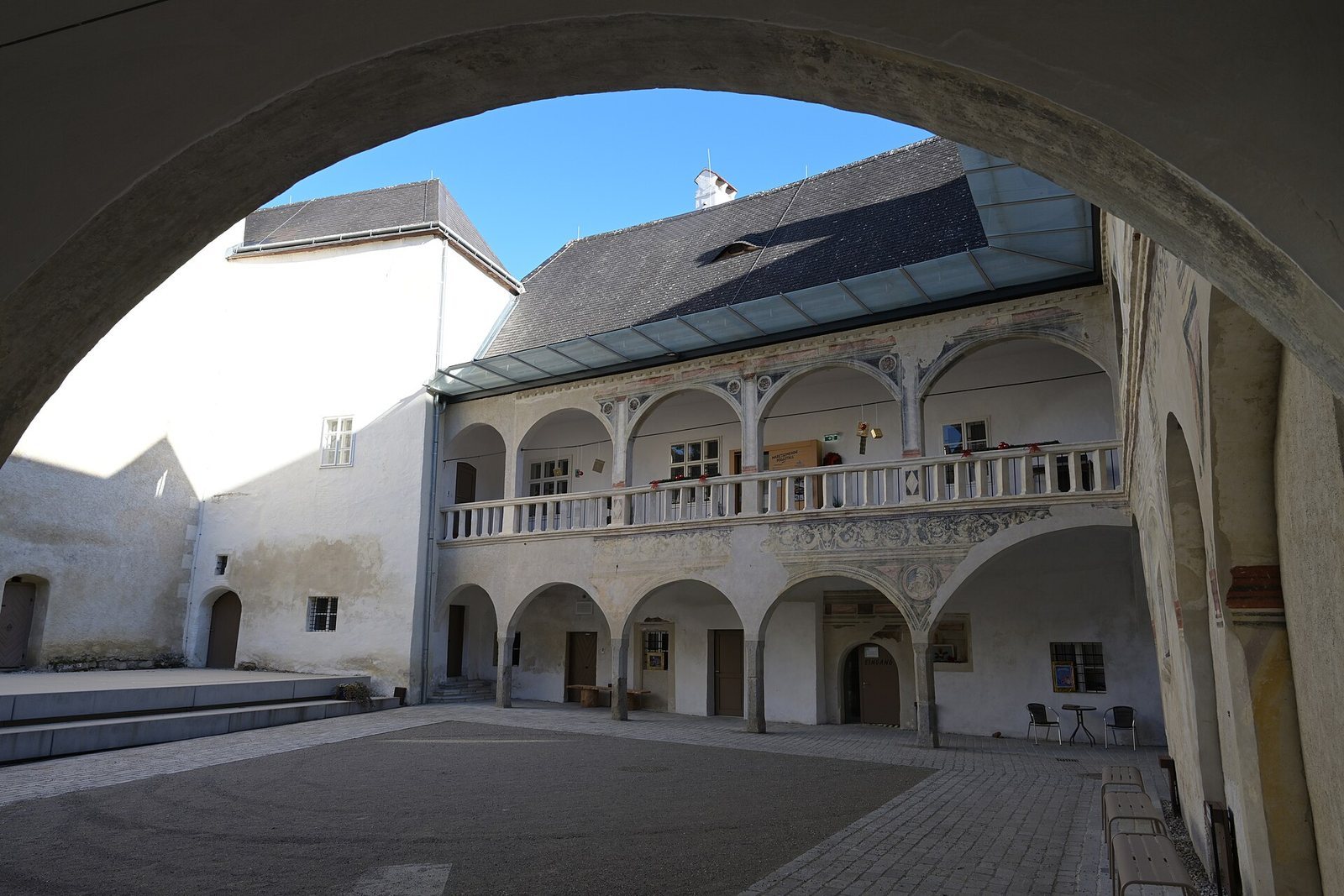
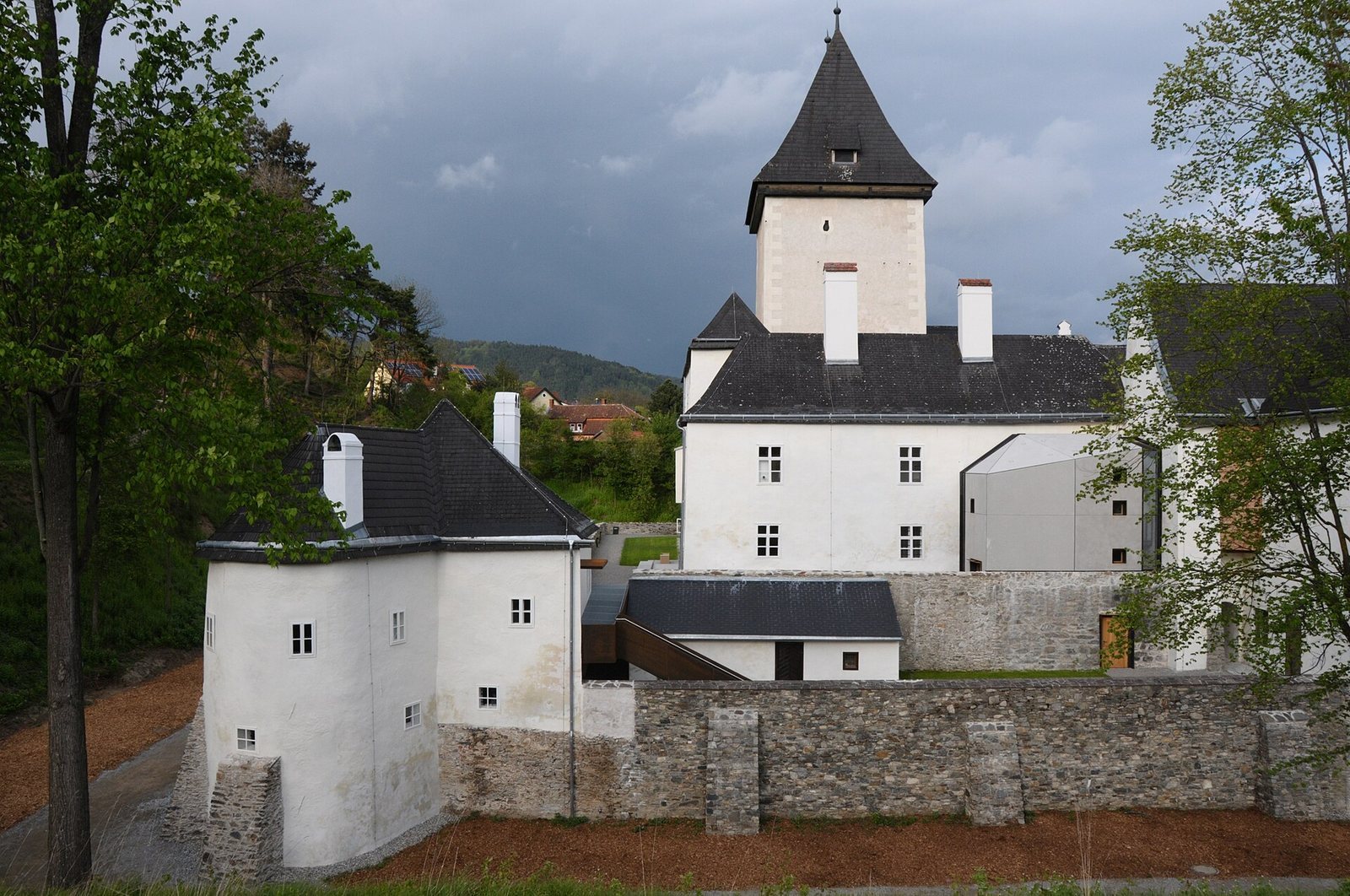
The massive former moated complex stands in the town center. Its surviving features include a courtyard-facing arcade gallery, a historic façade, and interior spaces from different periods.
Courtyard and exterior
A façade about 500 years old has been conserved using modern restoration methods. The arcade gallery facing the inner courtyard incorporates Renaissance elements, reflecting artistic and architectural traditions that spread through Europe from the 14th century onward.
Interior and excavated features
The castle contains a torture chamber dating to 1593, described as the only one in Austria preserved in its original state. Investigations and excavations before the groundbreaking ceremony in early November 2015 revealed wall paintings about 500 years old and a Gothic hall, built in a medieval European architectural style, that was later divided into seven rooms. Finds also included a stone cannonball and a descent reaching four metres deep.