Leiben Castle: A Historic Residence and Agricultural Museum in Austria
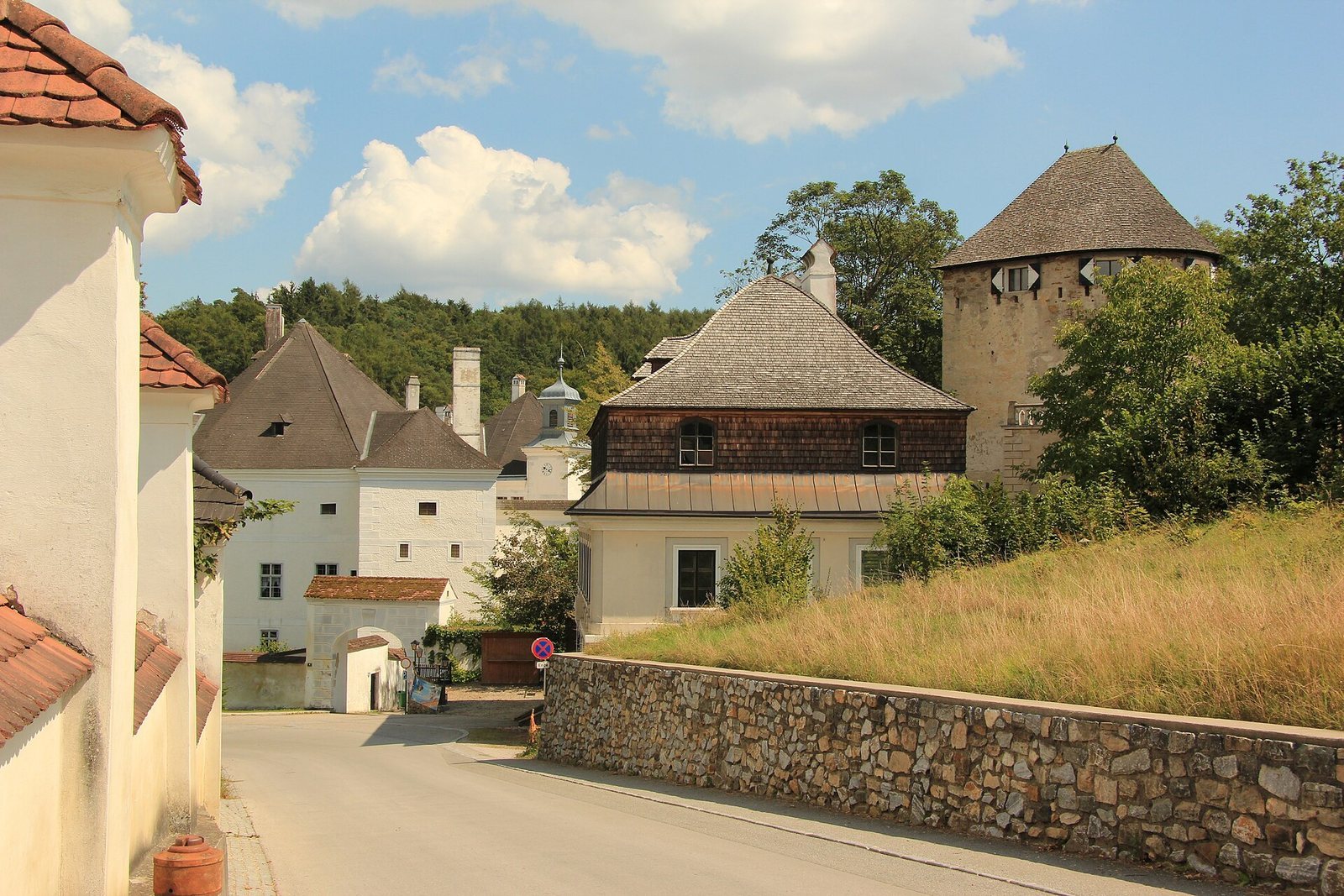
Site at a Glance
- Rating
- 4.6
- Popularity
- Low
- Country
- Austria
- Primary era
- Early Modern
- Eras represented
- Medieval, Early Modern
- Civilizations
- Duchy of Bavaria, Habsburg, Habsburg Austria, Holy Roman Empire
- Site type
- Military
- Remains
- Castle
On this page9 sections
History
Medieval origins
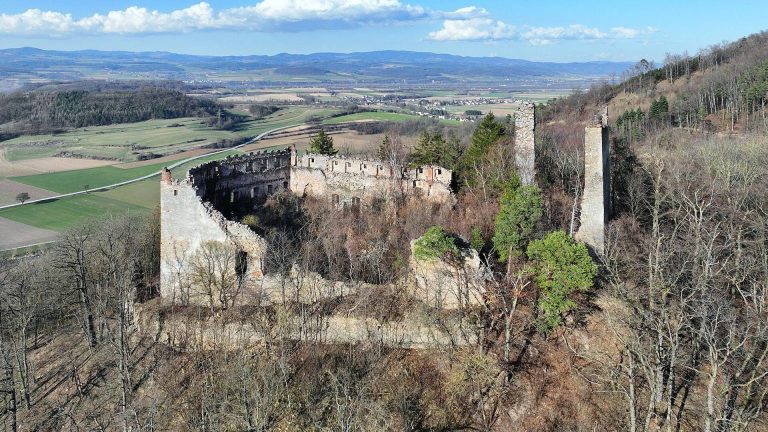
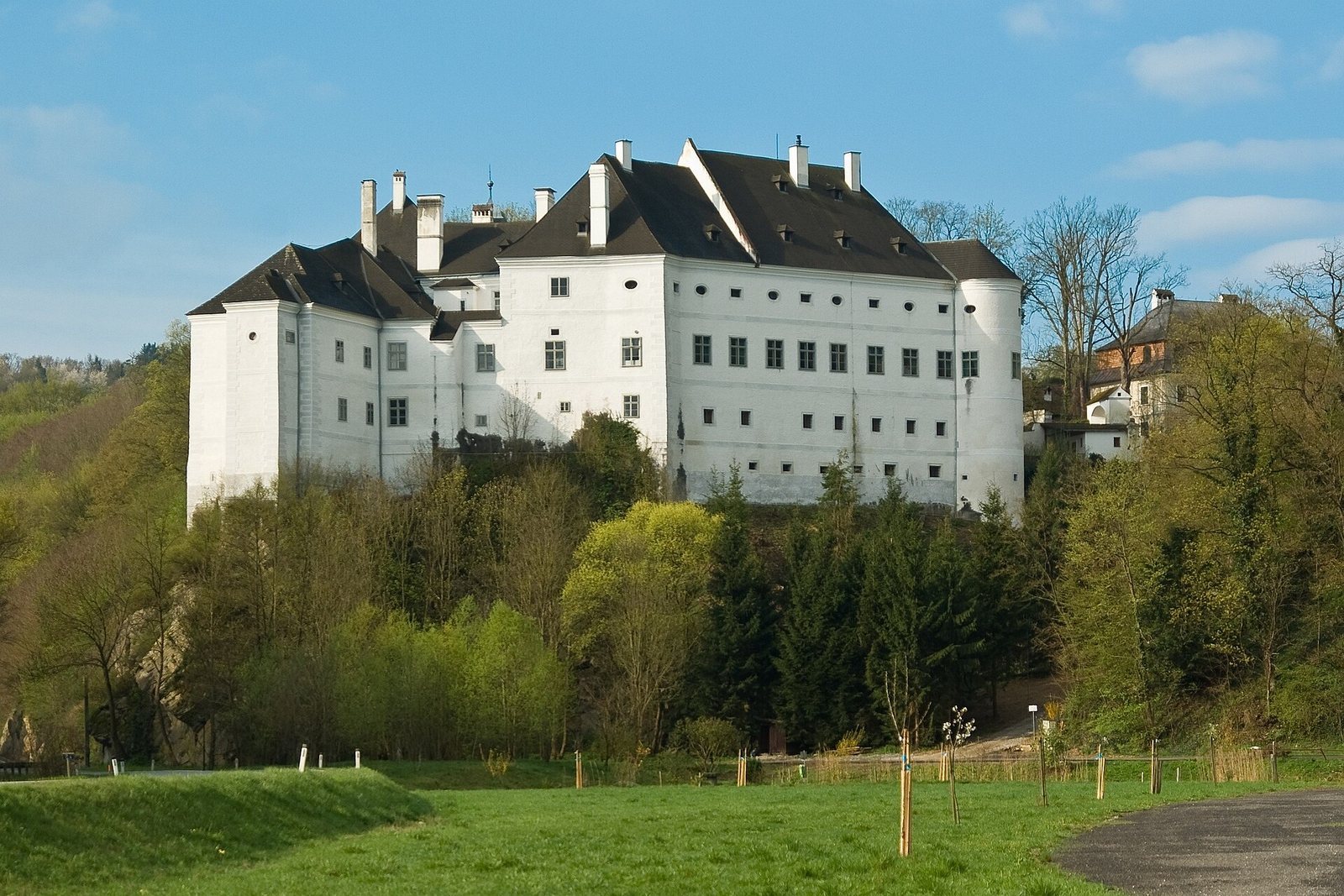
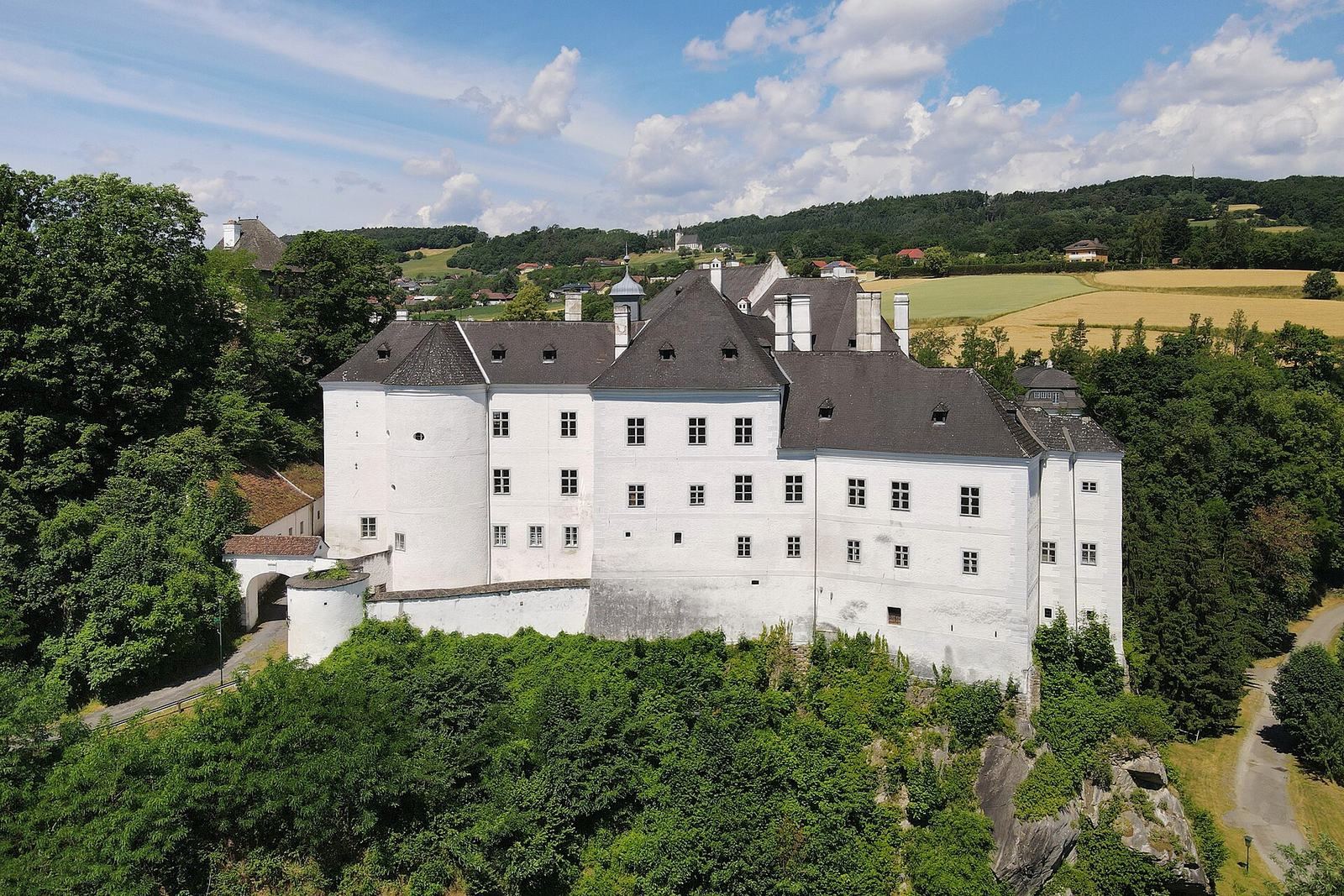
Leiben Castle is a castle in the municipality of Leiben, Lower Austria, Austria. The Knights of Leiben built it around 1113 and lived there until 1332.
Changes of ownership and administration
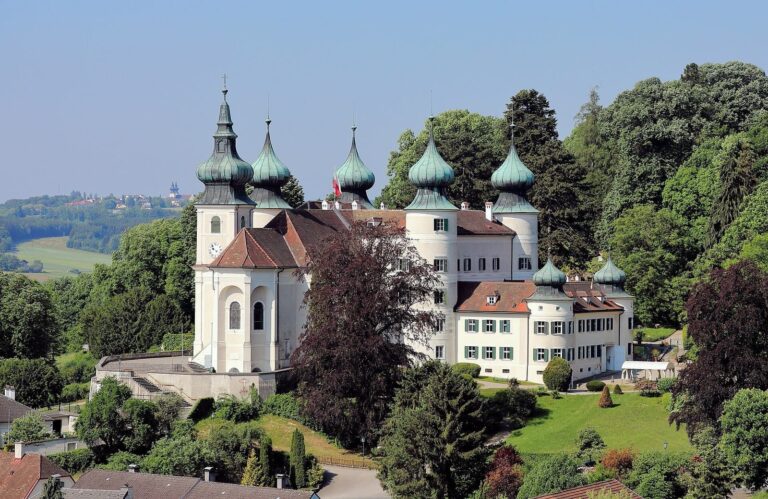
In 1617, the castle was sold to Hans Christian Geyer von Osterburg, an Austrian nobleman. During his ownership, it acquired the form it has today. In 1796, it became property of the imperial and royal family. A fund created from part of Emperor Francis I’s assets supported members of the imperial family, and its General Directorate became an independent authority. An inspectorate managing the fund’s estates in the southern Waldviertel, a region of northwestern Lower Austria, was established at Schloss Luberegg near Emmersdorf. Pictures and documents from this period are preserved at nearby Artstetten Castle.
After the Austro-Hungarian Monarchy, the dual monarchy of Austria and Hungary, dissolved following the First World War, the entire property came under the Austrian Invalids’ Fund in 1919. The institution supported people disabled through military service. From 1945, the Austrian Federal Forests, Austria’s federal forestry organization, administered the estate.
Municipal ownership and museum
The municipality of Leiben bought the castle from the Austrian Federal Forests in 1989. After renovation, it became a regular venue for events. An agricultural technology museum opened there in 1991 as the Tractor Veterans Museum. It took the name Agricultural Technology Museum in 1994 and, since 2019, has been called the Austrian Agricultural Museum Europaschloss Leiben.
Remains
Castle buildings
Upper castle and courtyards
The upper castle, the elevated, fortified core of the complex, is an irregular structure of four storeys with towers. It includes a five-sided arcaded courtyard with a clock tower, as well as a second, smaller courtyard.
Prayer hall and knights’ hall
The prayer hall and knights’ hall retain 17th-century coffered ceilings, formed from recessed panels. Their scenes include mythological and allegorical subjects alongside religious devotional images. The artist is unknown.
Agricultural technology museum
The museum occupies four storeys of the grain-loft wing and the castle’s vaulted cellar, which has arched ceilings. Its display area covers about 1,000 square metres. Exhibits include tractors dating from 1910 onward and their accessories, models, material on the history of agricultural technology, and a large collection of weighing scales. Some rooms contain tractors and engines, while beam balances are displayed in one of the museum rooms.