San Carlos de la Barra Fortress: A Spanish Colonial Coastal Fort in Venezuela
Site at a Glance
- Rating
- 4.4
- Popularity
- Low
- Country
- Venezuela
- Primary era
- Early Modern
- Eras represented
- Early Modern
- Civilizations
- Spanish
- Site type
- Military
- Remains
- Fort
On this page6 sections
History
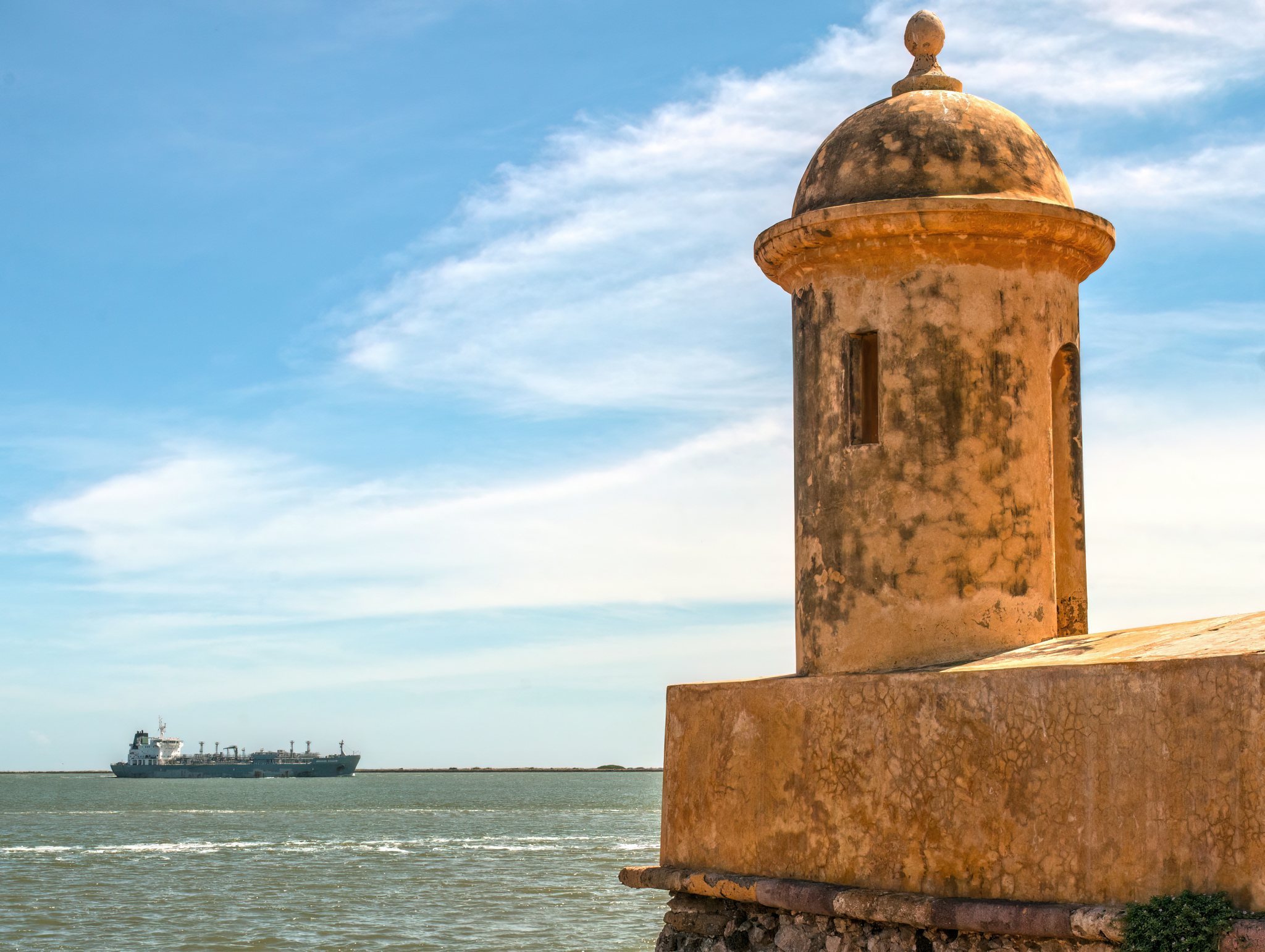
San Carlos de la Barra Fortress is a Spanish colonial star fort in Venezuela, built in 1623 on the San Carlos Peninsula to control the Maracaibo bar, the shallow navigable passage between Lake Maracaibo and the Gulf of Venezuela. Its construction followed repeated pirate attacks and sackings of Maracaibo, giving the Spanish Empire a defensive position at the entrance to the lake.
Pirate attacks and colonial defense
In 1666, the French pirate Jean David Nau, known as El Olonés, attacked with eight ships and 650 men. The fortress had 16 cannons, but it was captured in less than three hours after an exchange of artillery fire.
In March 1669, inhabitants of Maracaibo sought refuge inside the fortress during Henry Morgan’s sack of the town. Morgan, a Welsh privateer who led major Caribbean raids, tried to secure the release of hostages by demanding a ransom. Gold, silver, and cattle were supplied, but the commander, Alonso de Espinosa, refused to release them. Morgan then staged a land attack, drawing the Spanish guns toward the apparent threat. His men escaped by sea during the night, and Morgan returned to Jamaica on 14 May 1669.
Independence and later military use
In 1823, a squadron under the Venezuelan admiral José Prudencio Padilla attacked and captured the fortress during the Forcing of the Maracaibo Bar. This action allowed Venezuelan ships to enter Lake Maracaibo and confront the Spanish fleet in the Battle of Lake Maracaibo, regarded as the last battle of the Venezuelan War of Independence.
The fortress continued to serve military purposes after independence, although it was considered obsolete by the middle of the nineteenth century. It remained part of Venezuela’s defenses and saw action during the Venezuelan crisis of 1902–03, when European naval powers blockaded the country over financial disputes.
On 17 January 1903, the German gunboat SMS Panther, supported by the light cruiser SMS Falke, tried to cross the Maracaibo bar while pursuing a merchant schooner. The Panther ran aground on sandbanks and came within range of the fortress, which exchanged fire with the German vessels. Venezuelan artillerymen Manuel Quevedo and Carlos José Cárdenas used an 80 mm Krupp cannon to hit and seriously damage the gunboat.
Six men at the fortress were wounded under General Jorge Antonio Bello, including his second-in-command, General Tomás Pino. Pino was taken to Caracas for treatment and died from his wounds on 15 December 1905 in Mérida while serving as president of Mérida State. On 20 January 1903, the German protected cruiser SMS Vineta arrived from Puerto Cabello to replace the Panther. The following day it bombarded the town of San Carlos for eight hours, causing approximately 40 deaths.
Political prison and historic protection
President Cipriano Castro converted the fortress into a prison for political opponents. His successor, Juan Vicente Gómez, continued and intensified this use for 27 years. Prisoners were shackled with irons and subjected to torture and inhumane living conditions.
Those held there included José Gregorio Monagas, Ramón Guerra, Nicolás Rolando, José Manuel “Mocho” Hernández, Tomás Funes, Gumersindo Torres, Gustavo Machado, Monsignor Olegario Villalobos, and Eduardo López Bustamante. Villalobos was a regionally respected priest. López Bustamante, a journalist, lawyer, poet, and director of the Maracaibo newspaper El Fonógrafo, also wrote poetry during his imprisonment.
San Carlos de la Barra Fortress was declared a National Historic Monument of Venezuela in 1965. The remains of General Tomás Pino rest in the atrium of the Church of the Most Holy Immaculate in Mururubá, his native town.
Remains
Coastal fortification
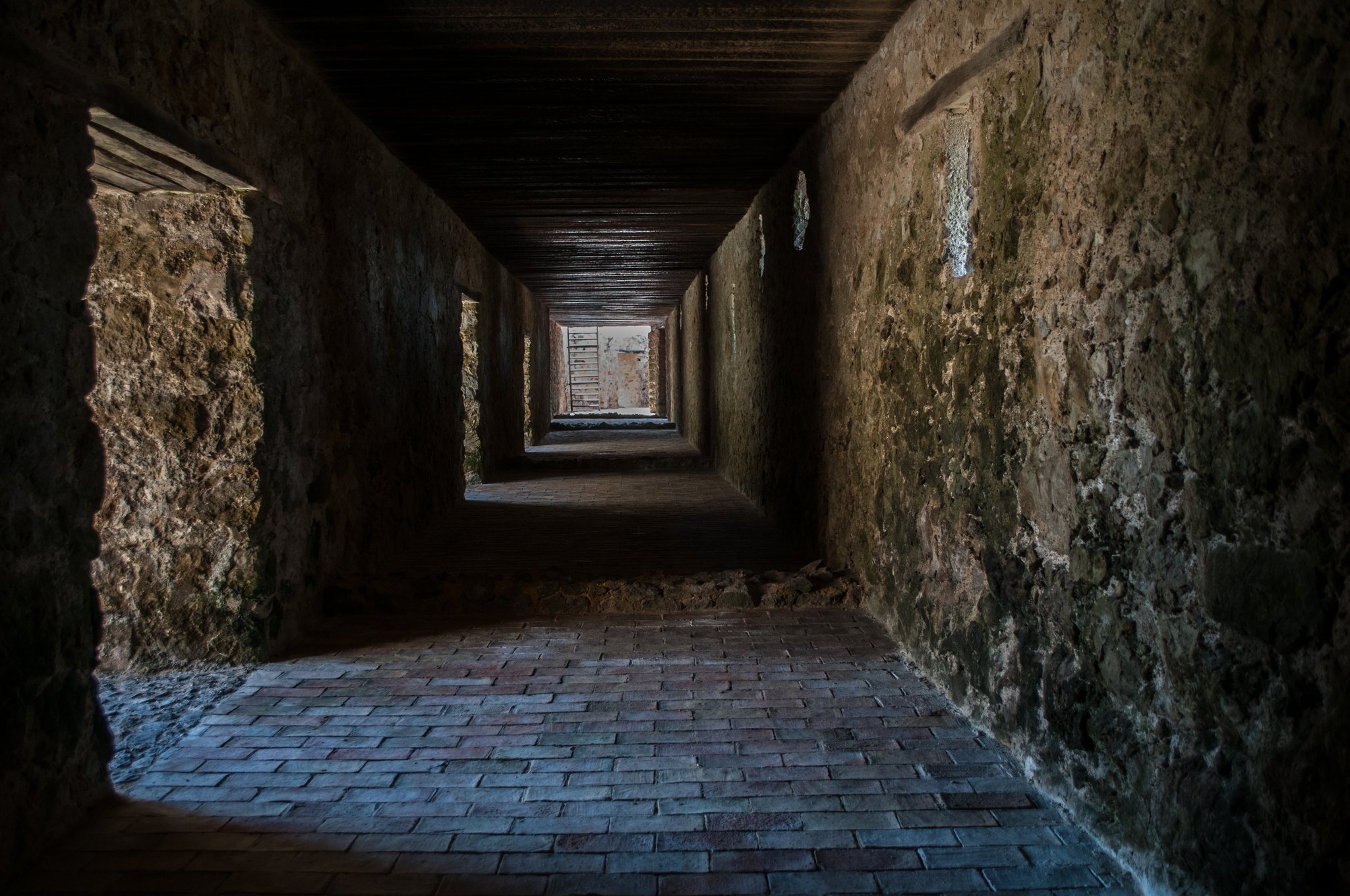
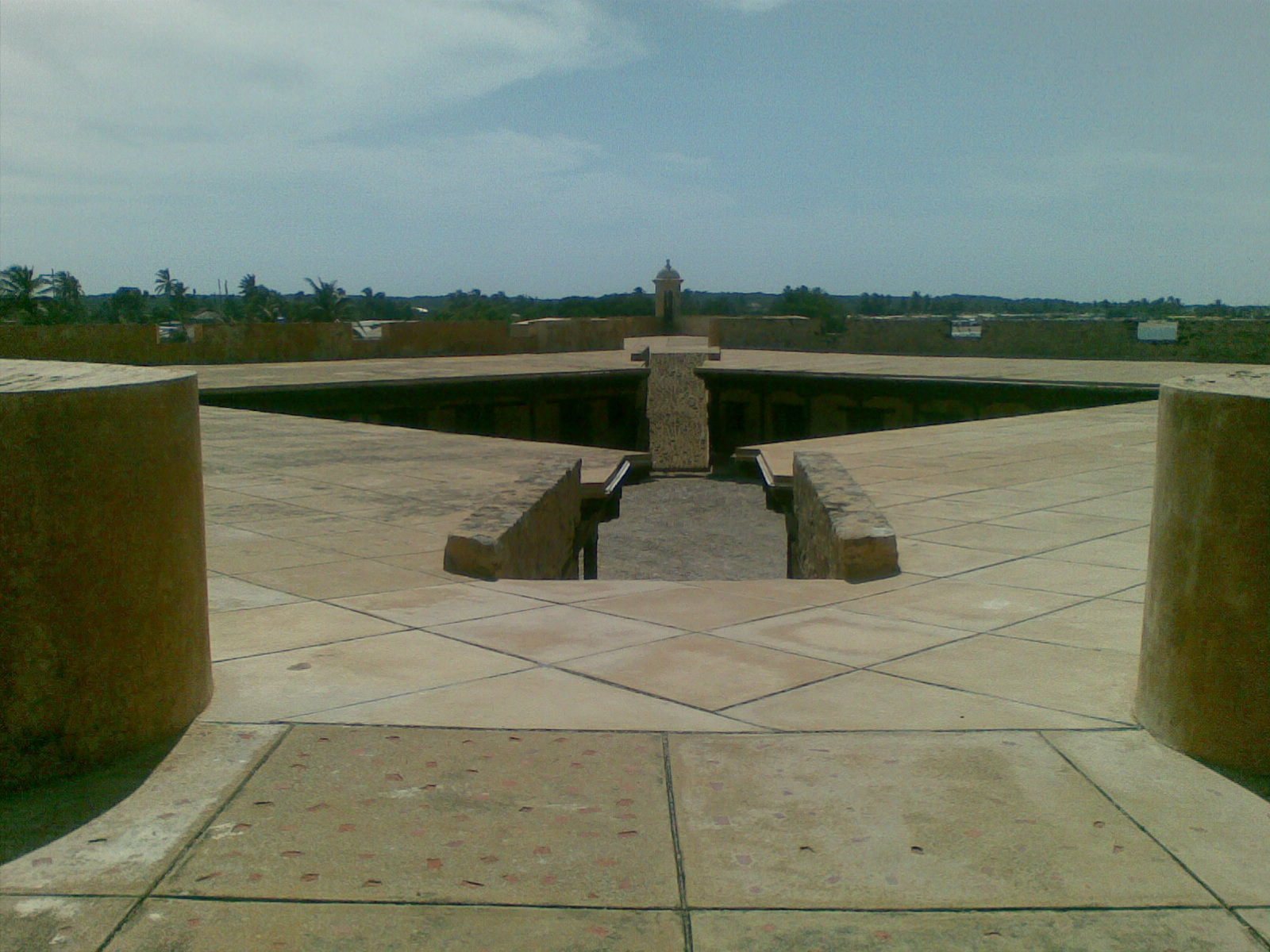
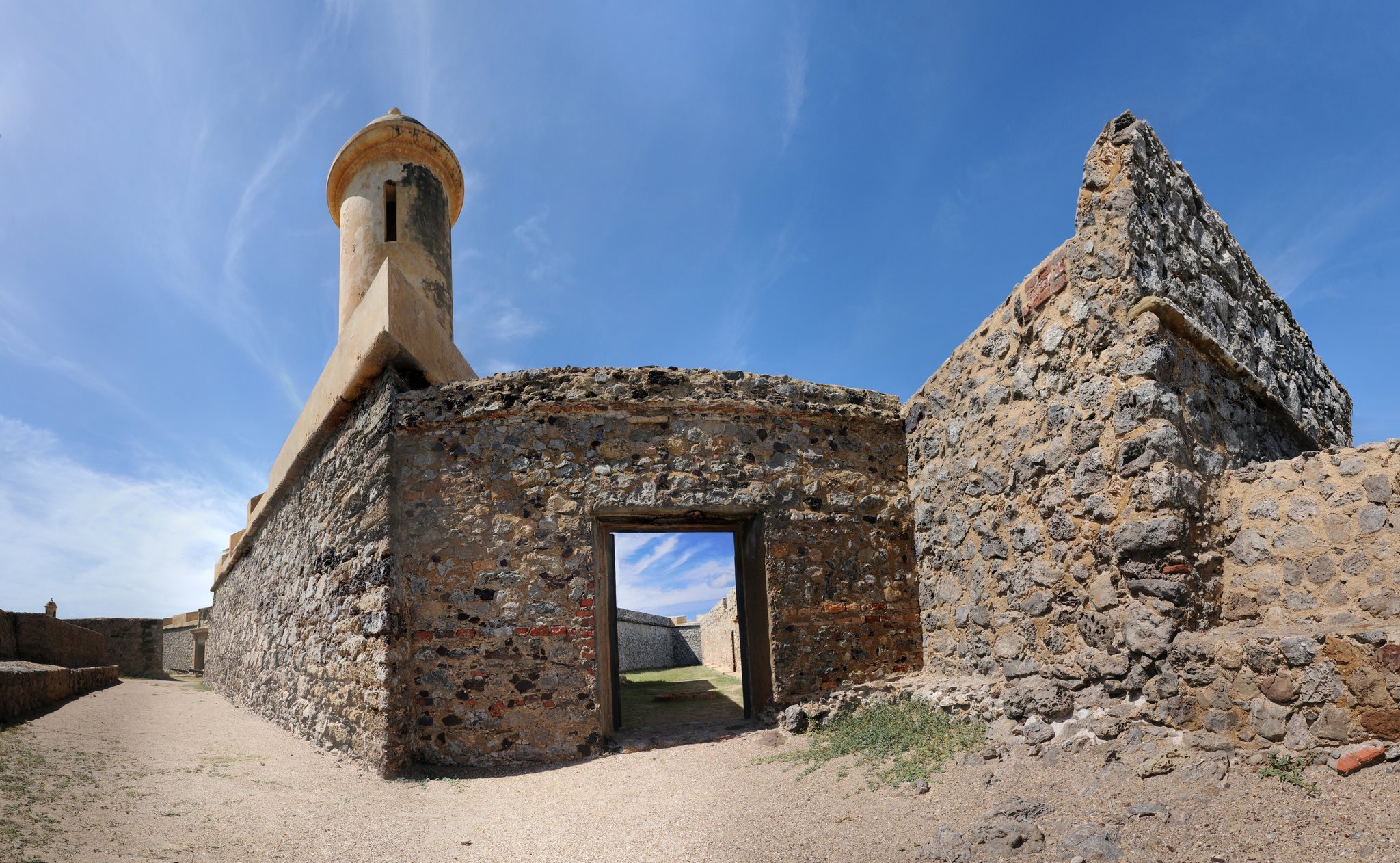
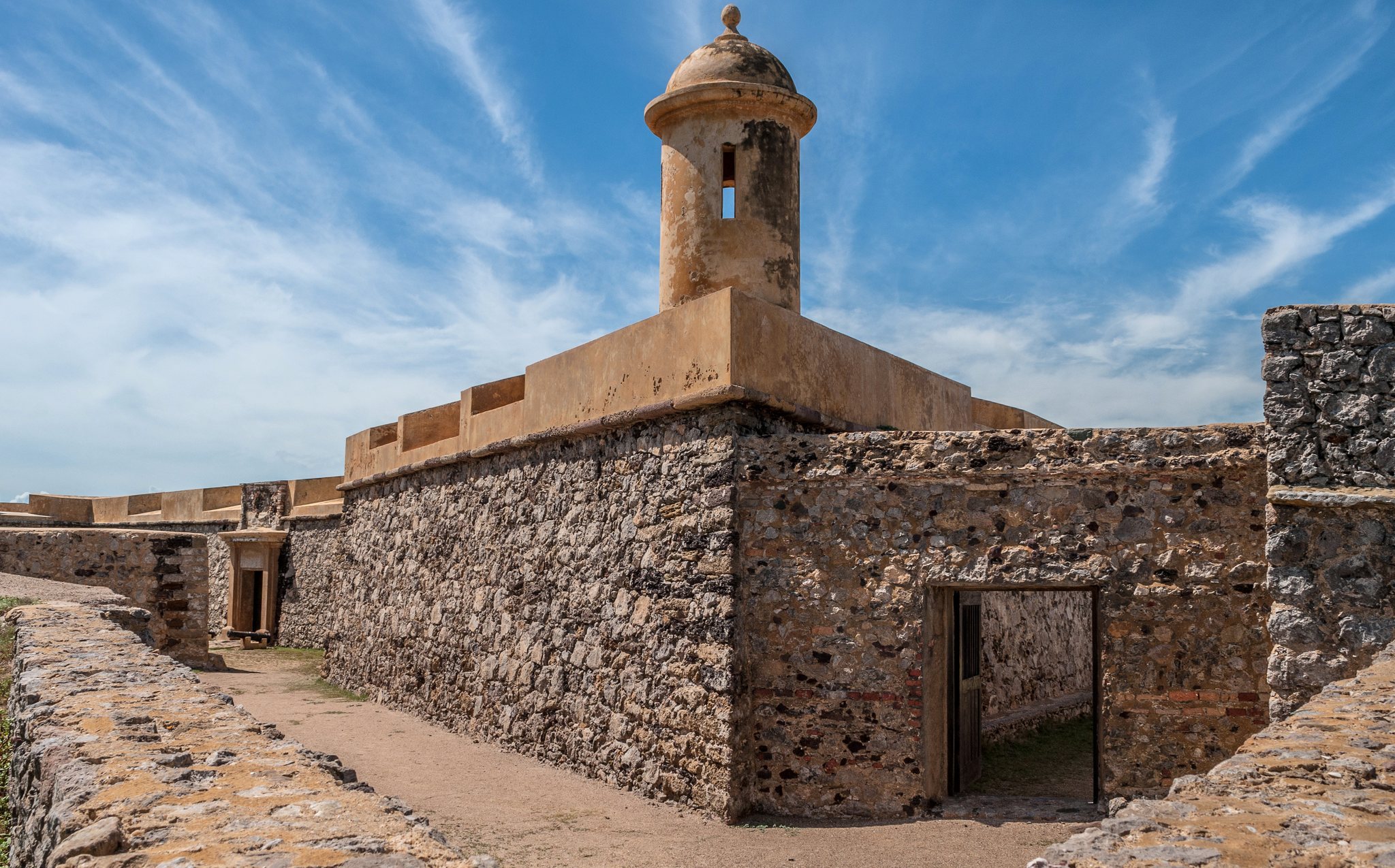
The fortress occupies the San Carlos Peninsula beside the Maracaibo bar, where the passage between the lake and the Gulf of Venezuela could be controlled. It is a seventeenth-century star fort, a design with projecting angular bastions that created overlapping fields of fire around the walls. The structure forms part of the coastal defenses built by the Spanish in colonial Venezuela.
Limestone blocks brought from the Island of Toas were used in its construction. Its artillery changed over time: the fortress carried 16 cannons during the 1666 attack, while its defenders used an 80 mm Krupp cannon during the 1903 engagement. The cannon, manufactured in Germany, was the weapon used by Manuel Quevedo and Carlos José Cárdenas against the SMS Panther.