Saint Thomas of Canterbury Church in Sulejów: Cistercian Monastic and Parish Church
Site at a Glance
- Popularity
- Medium
- Country
- Poland
- Primary era
- Medieval
- Eras represented
- Medieval
- Civilizations
- Unclassified
- Site type
- Religious
- Remains
- Church
History
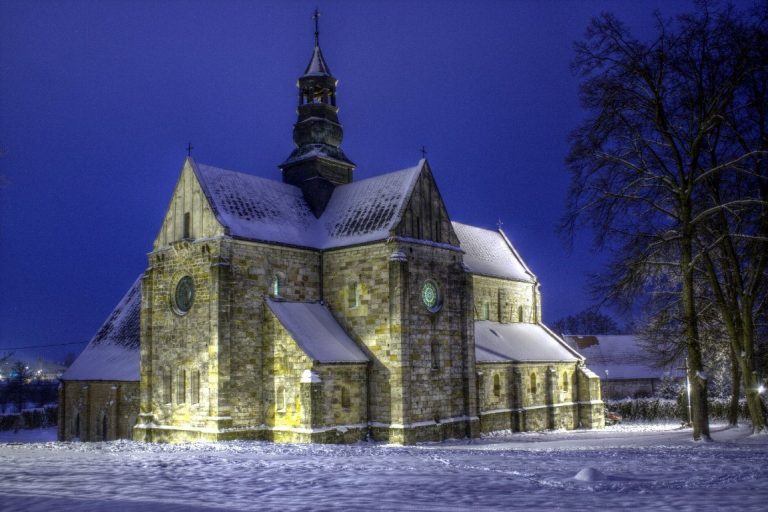
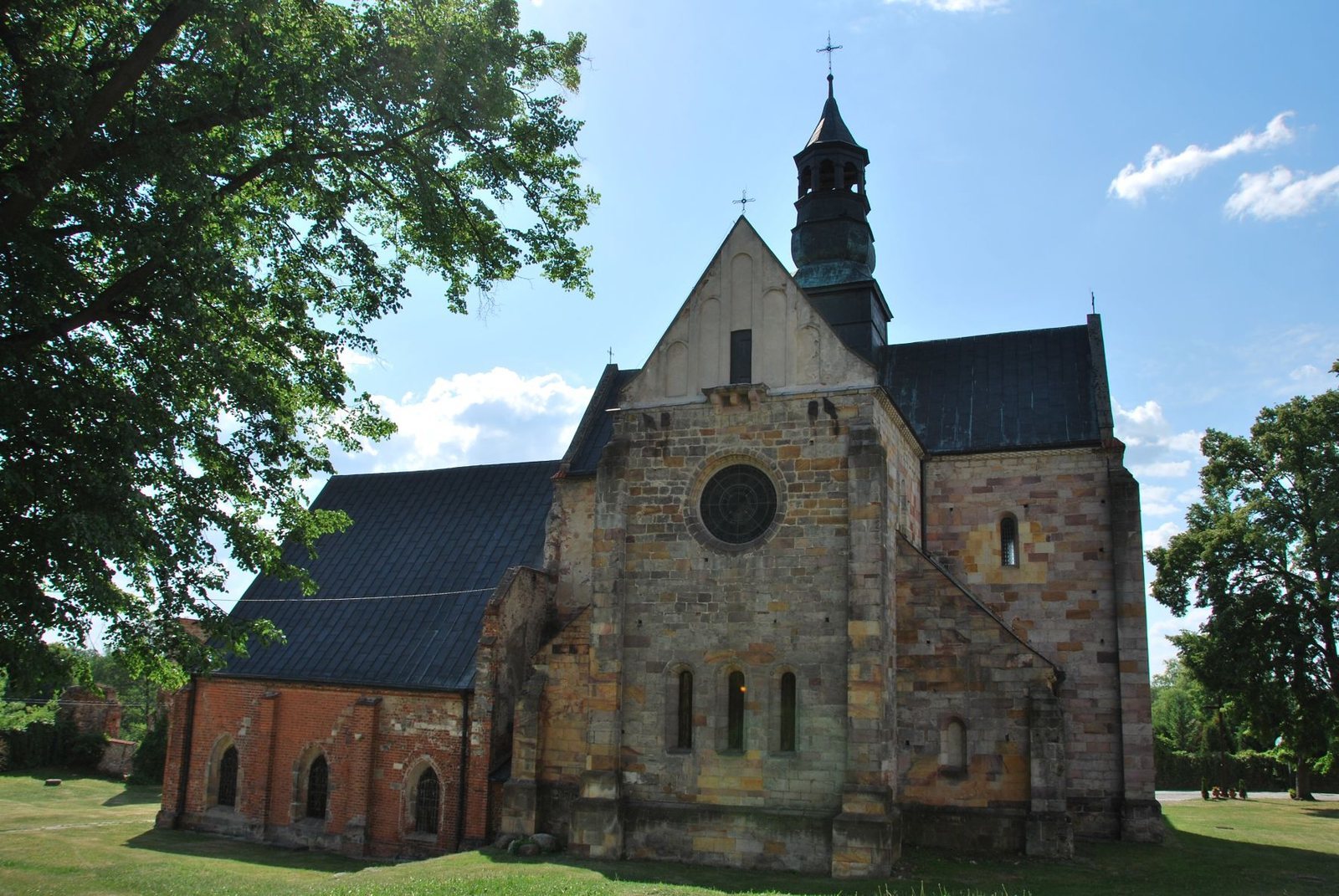
Saint Thomas of Canterbury Church is a Cistercian monastic and Roman Catholic parish church in Podklasztorze, now part of Sulejów, Poland. The Cistercian abbey was founded in 1176 by Casimir II the Just, a medieval Polish duke, for monks brought from Morimond. The Cistercians were a Catholic monastic order that grew from the Benedictine tradition and emphasized communal religious life. The church was built before 1232 and dedicated that year. Its architecture marks a transition from late Romanesque to early Gothic forms.
The church is dedicated to Thomas Becket, the archbishop of Canterbury who was murdered in 1170 and later venerated as a saint. It belongs to the abbey complex and is also a Roman Catholic parish church. It is one of two Roman Catholic churches in Sulejów and falls within the Diocese of Radom and Tomaszów Deanery, an administrative grouping of parishes.
Fires damaged the church in 1790 and 1847, and it was restored after each. By the 1980s, its deteriorated condition had led to its closure for pastoral use and to visitors.
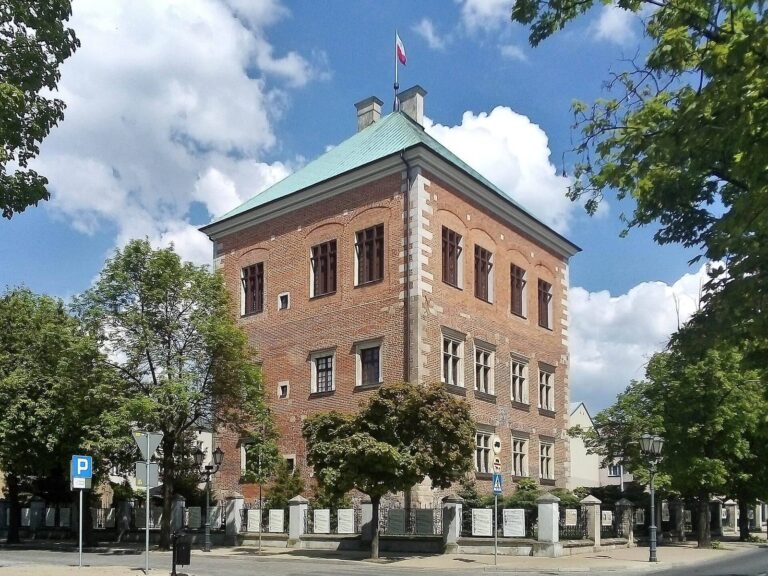
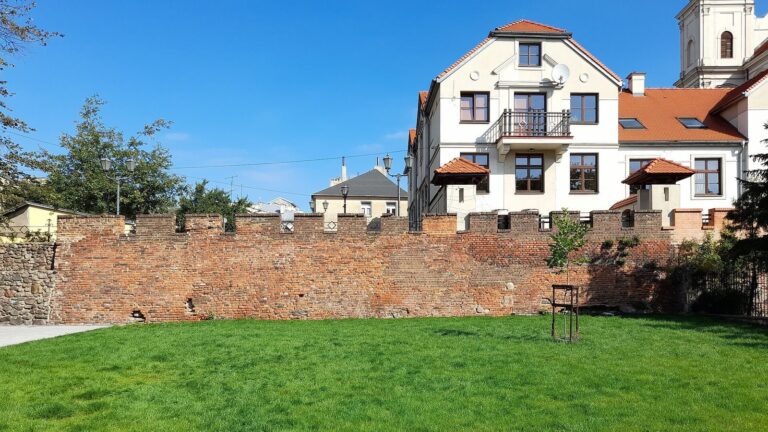
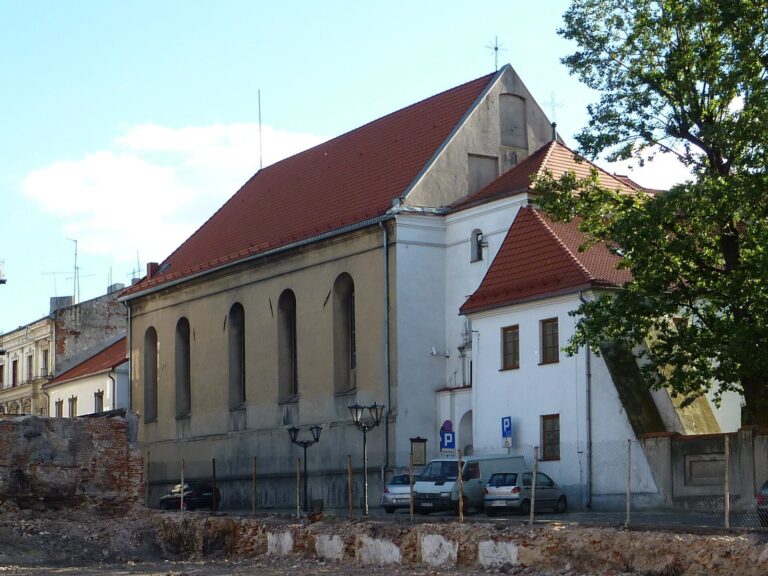
On 22 October 2012, the church and Cistercian monastery received Poland’s Monument of History designation, a national heritage status for sites recognized for historical importance. The wider complex, including monastic buildings and remains, fortifications, and the former monastery gardens, is valued for its artistic, historical, and scholarly importance.
Remains
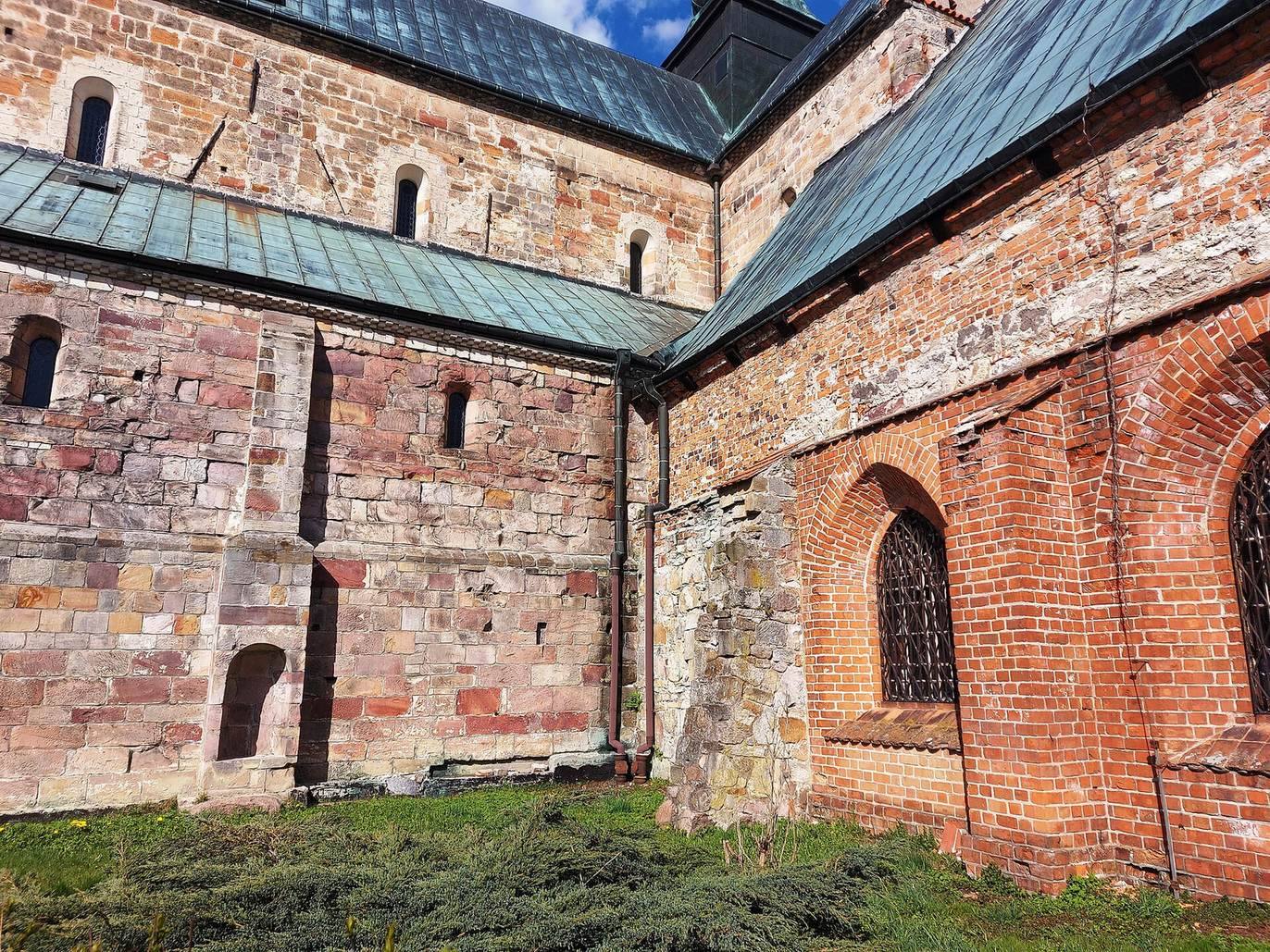
Built of brick, the east-facing church retains its original overall form. Its plan has three naves, a crosswise transept, and a rectangular chancel. The monastery is attached to the church on its south side.
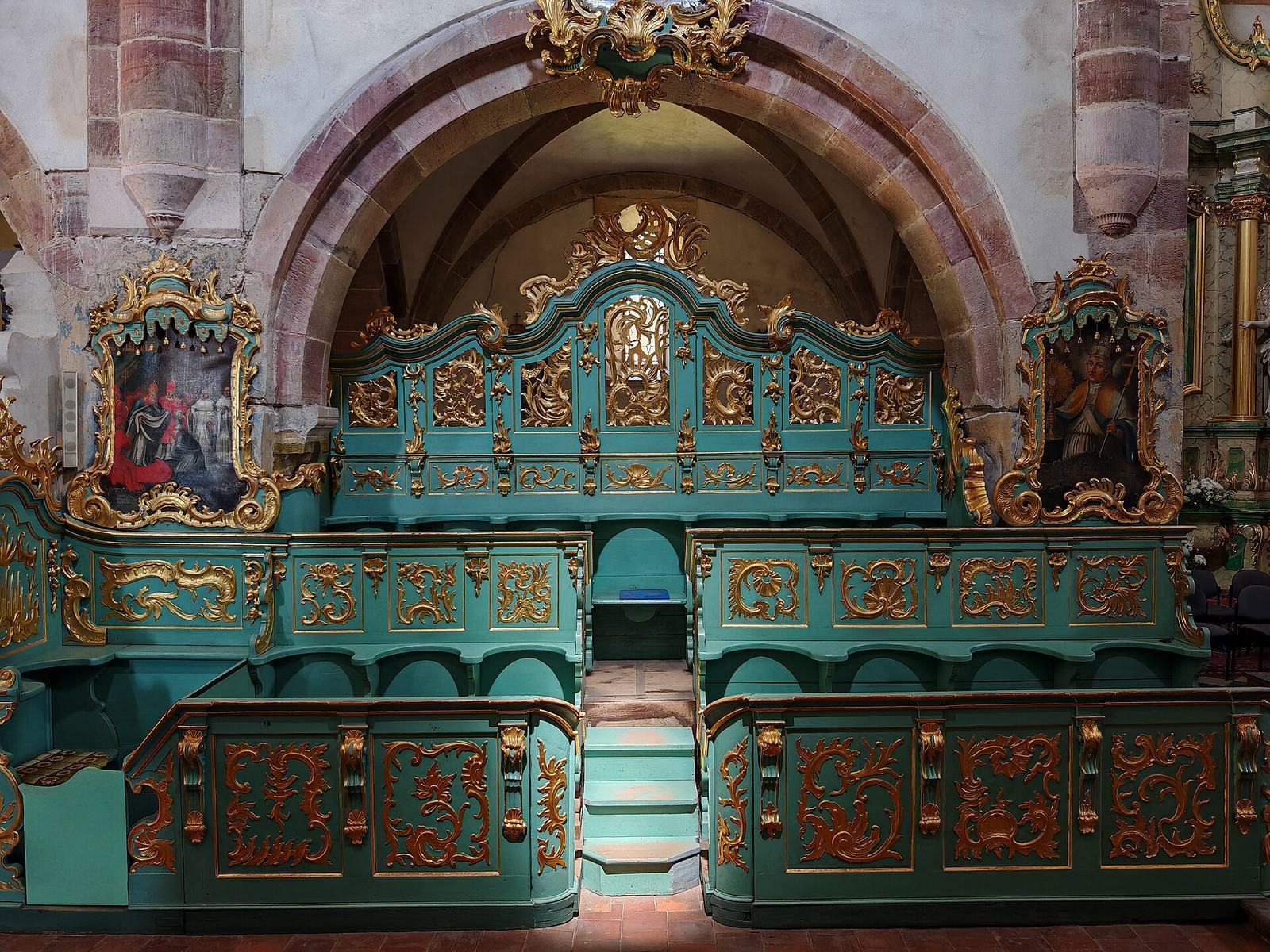
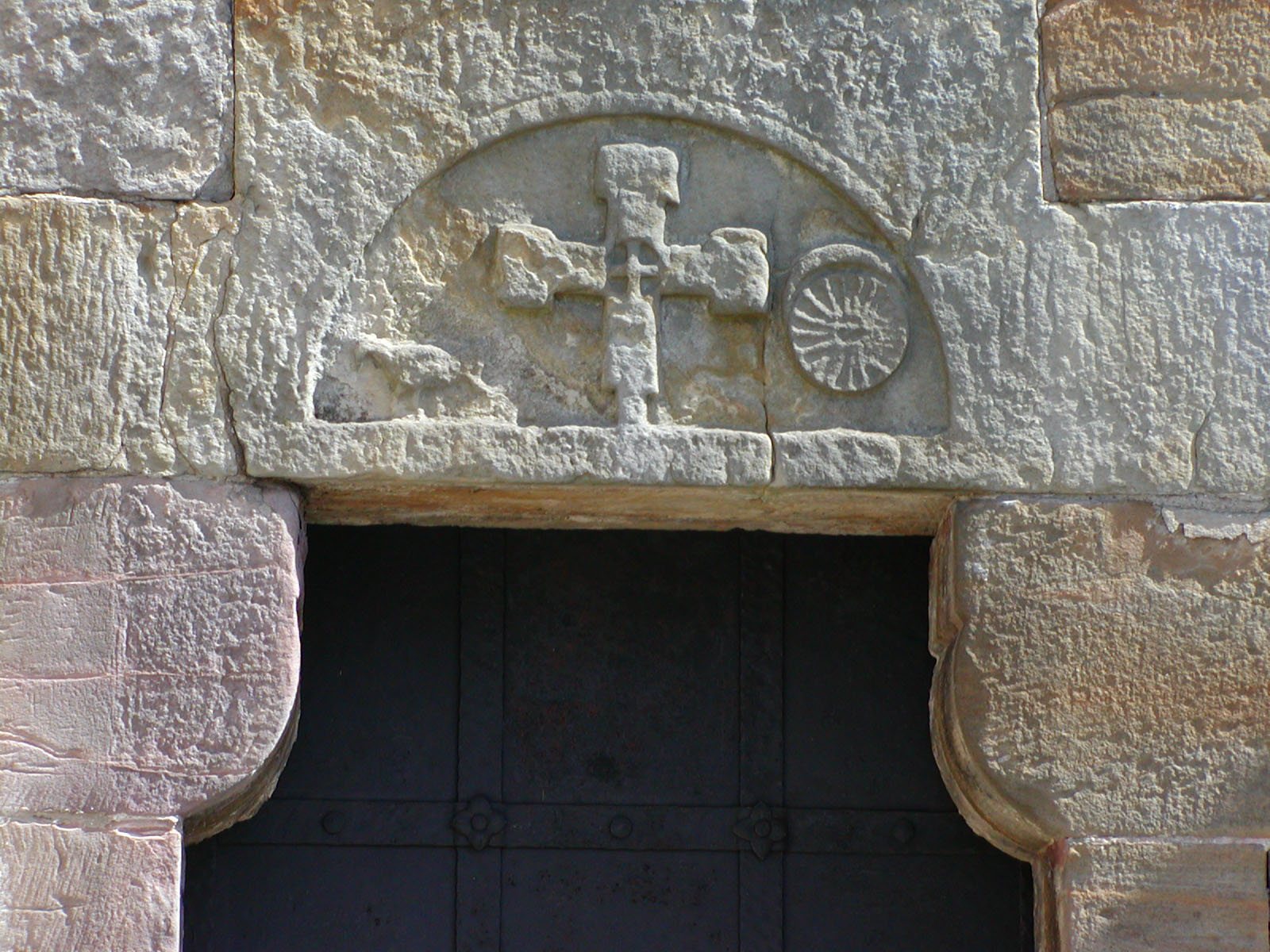
The naves have cross-rib vaults, ceilings shaped by intersecting structural ribs. The main doorway is Romanesque, while the interior is Gothic. The church has three altars, and most of its furnishings were altered in the Baroque style.